
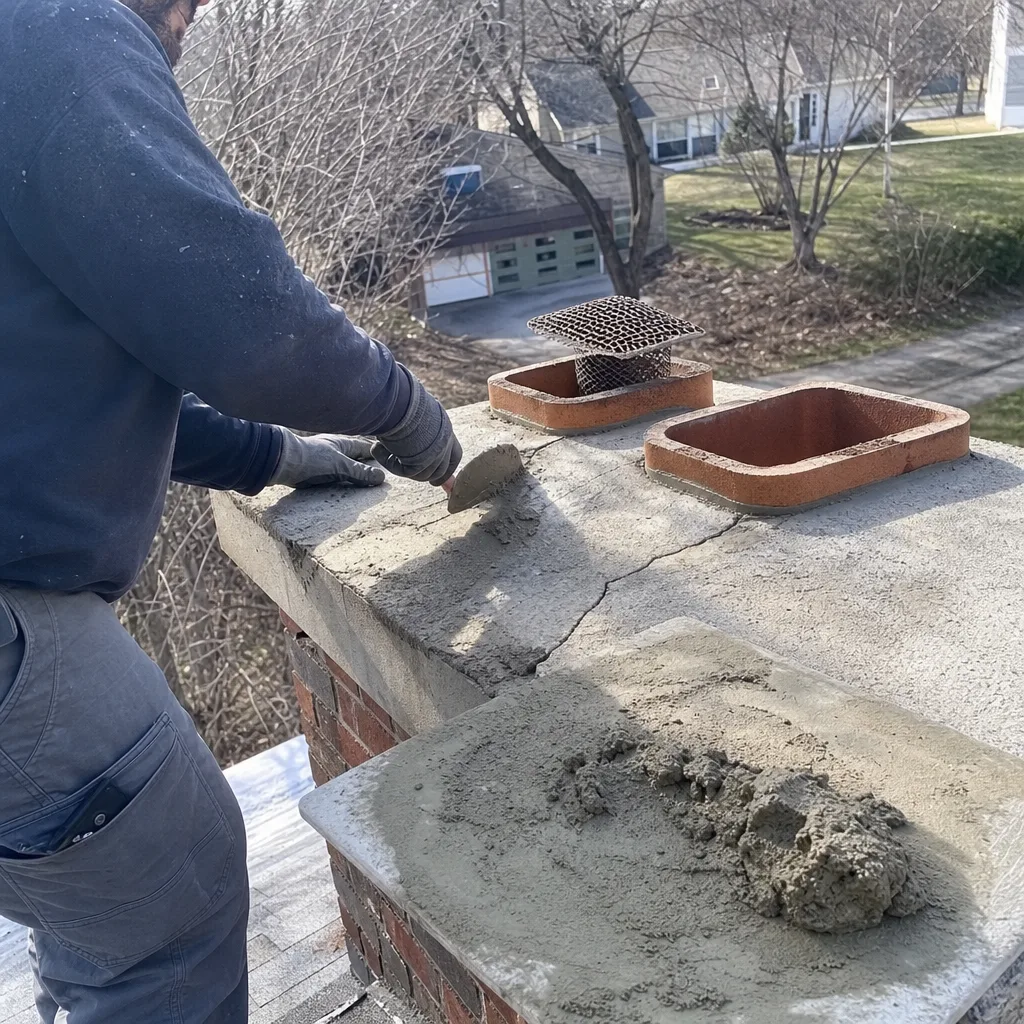
Last updated November 15, 2026
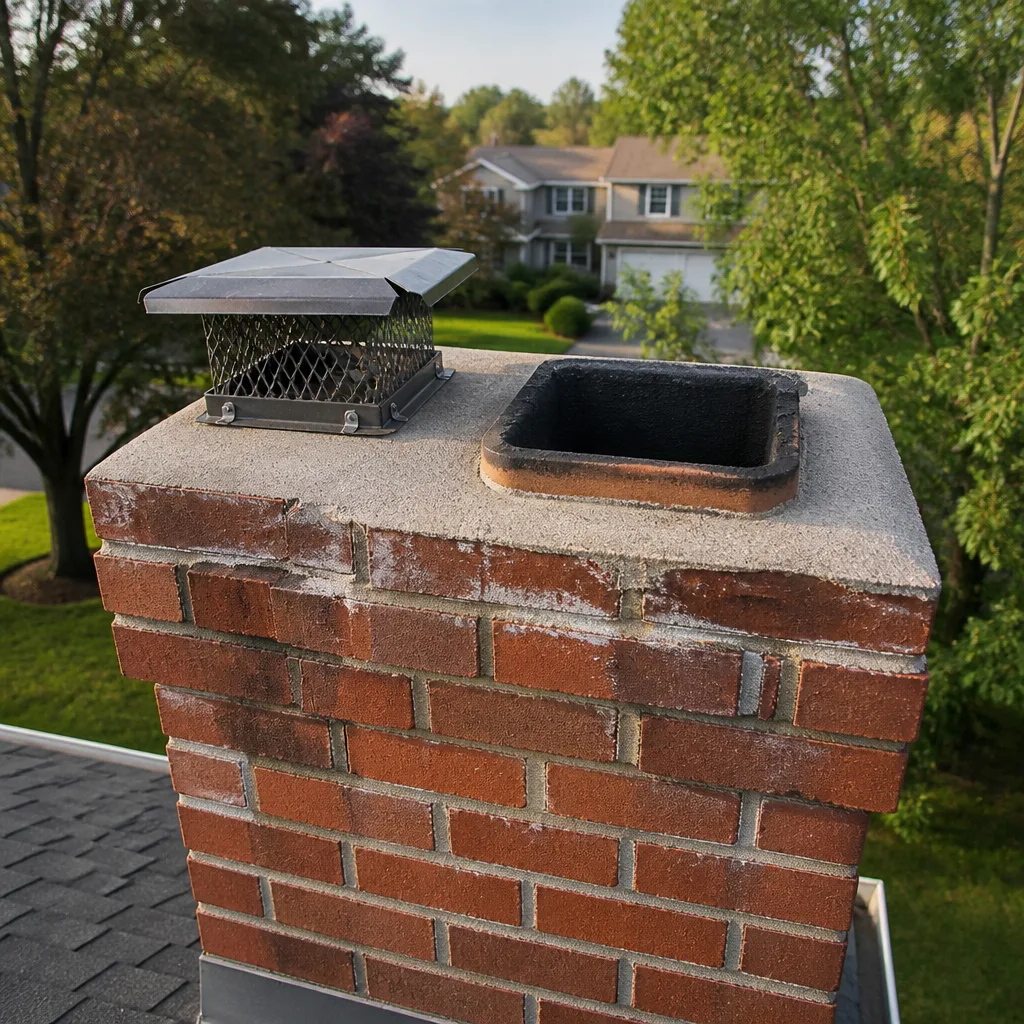 Sweep & inspection
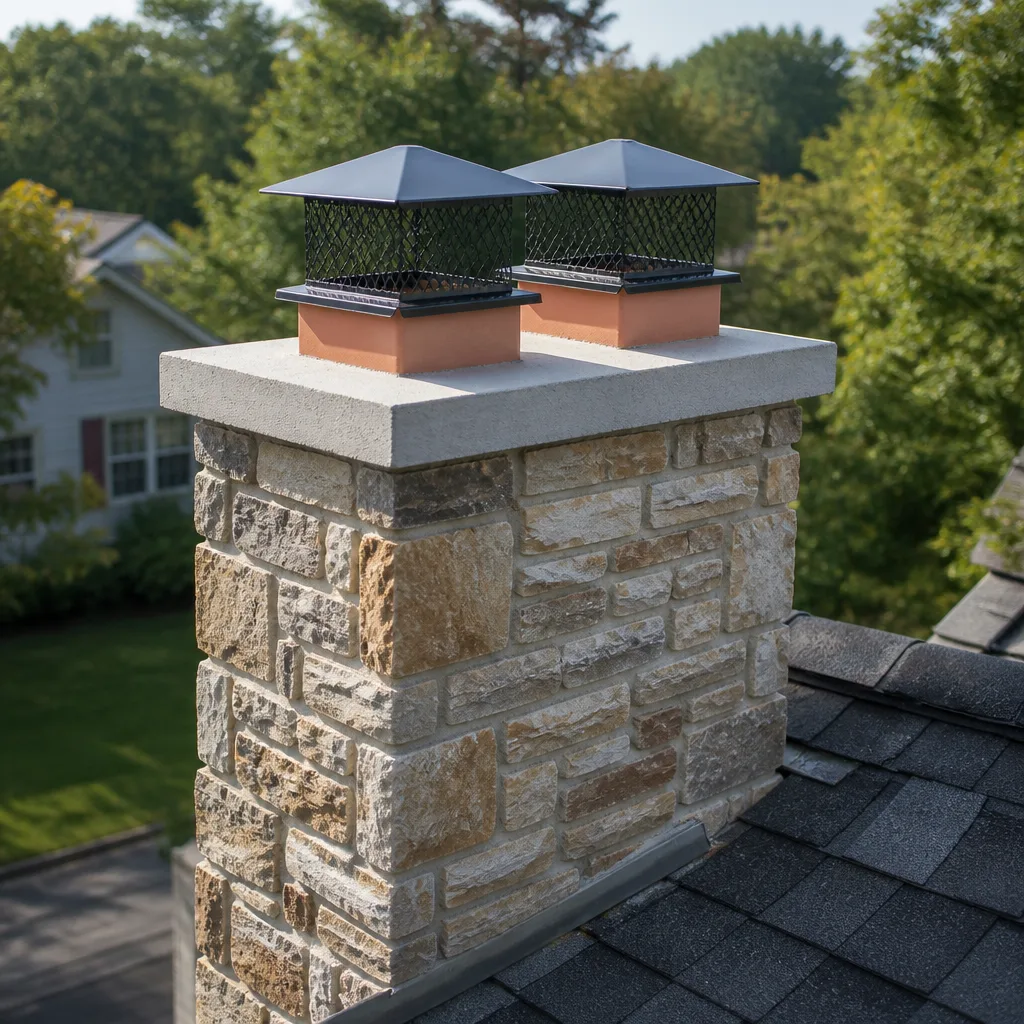 Caps & crowns
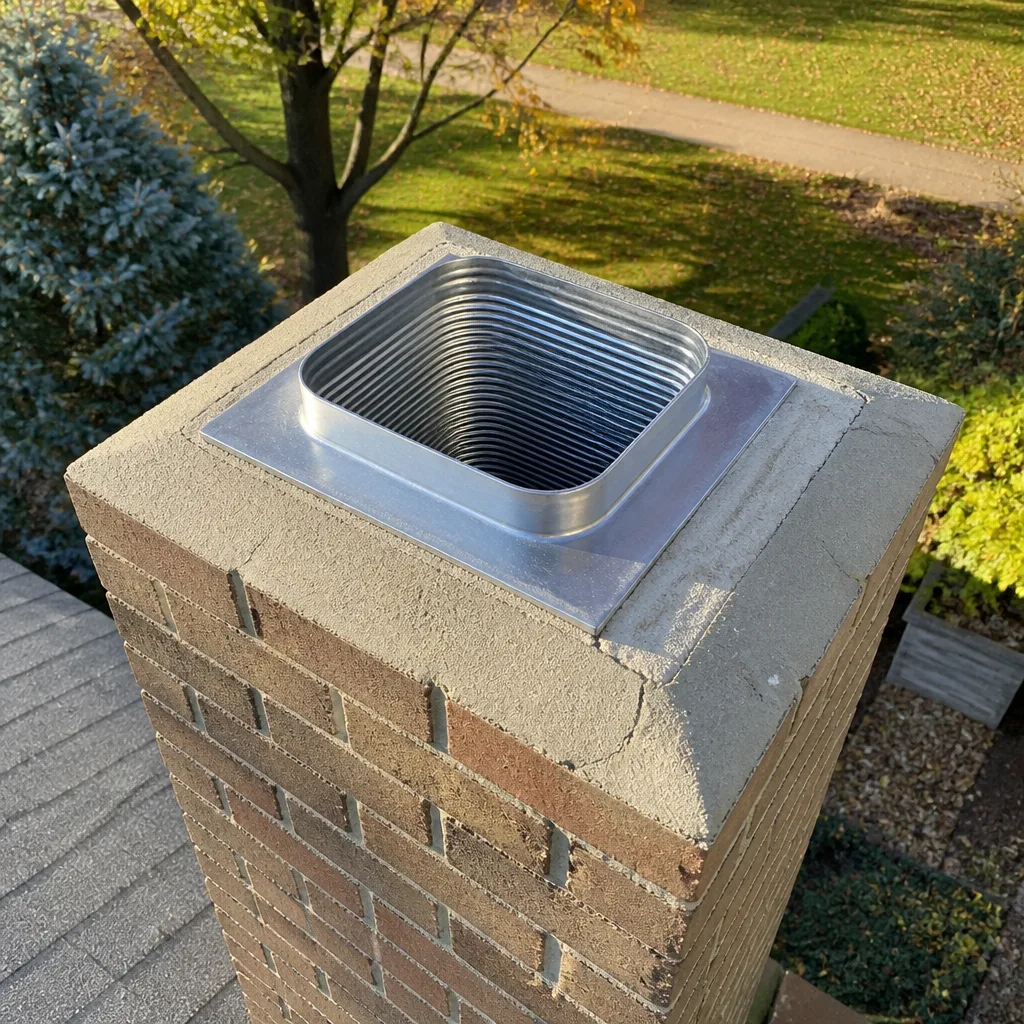 Flue relining
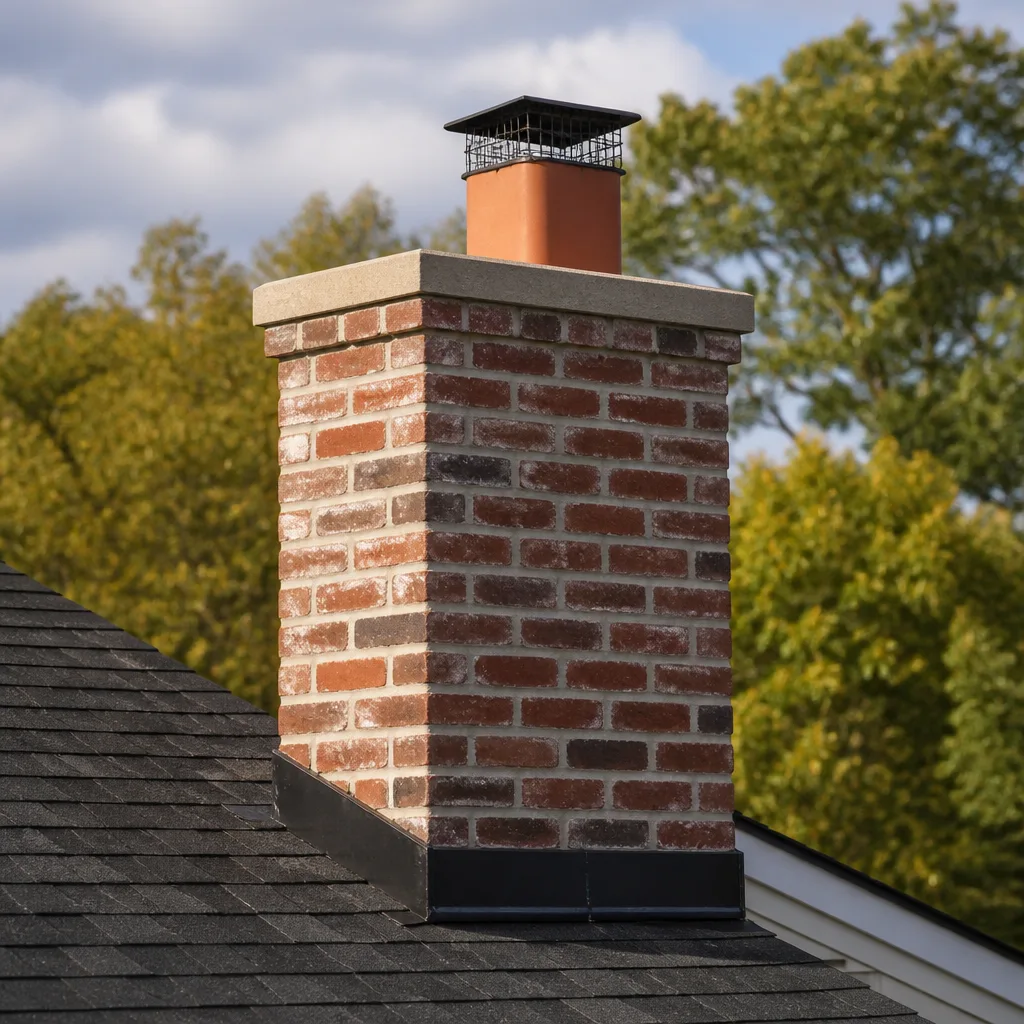 Masonry repair
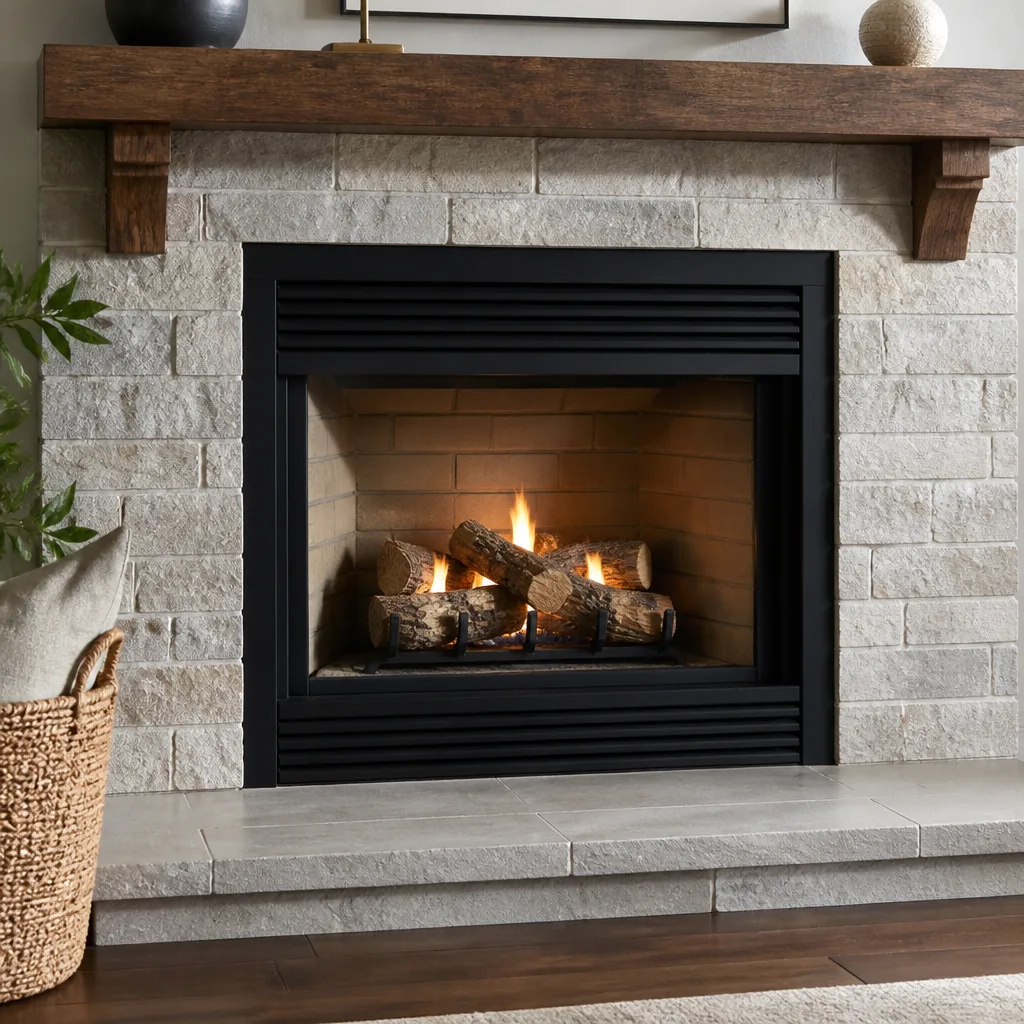 Gas fireplace service
Level 1 sweep and inspection to the NFPA 211 annual standard - flue, crown, cap, and flashing checked and photographed
Chimney sweep logs do not sweep chimneys. They loosen some creosote - which then falls where a brush and vacuum still have to collect it.
Chimney Cleaning Warning Signs: A Syracuse Homeowner’s Reference Guide
Most articles about chimney warning signs describe things you’d never miss, like flames or smoke rolling out of the firebox. By the time you see that, you’re not reading a guide, you’re calling for help. The useful signals are the quiet ones: a whiff of woodsmoke in a room with no fire burning, a chalky white line on the liner, a rusty streak that wasn’t there last fall, a fire that takes three matches instead of one. This guide is organized by where in the house each signal shows up, so you can check your own system in an afternoon and know what each thing actually means. We’ll cover smells, firebox clues, exterior movement, draft problems, and the dryer vent signals that look nothing like chimney trouble but come from the same place: a blocked flue. If you’re in Syracuse and your chimney has gone a few seasons without attention, this is the map we’d hand you before we ever step on the roof.
Quick Answer
The early warning signs of a chimney that needs cleaning or repair are smells (woodsmoke in a room with no fire, musty or sulfur odors), rust and white mineral staining inside the firebox, oily black creosote that looks wet rather than powdery, smoke spilling back into the room, and visible movement in the exterior masonry such as a tilted cap, a gap at the roofline, or a leaning stack. A crumbling mortar joint or a stained ceiling near the chimney chase is a structural signal, not cosmetic. Any one of these is worth a professional look before the next fire.
Styles & brands we work with
- Sweep & inspection
- Caps & crowns
- Flue relining
- Masonry repair
- Gas fireplace service
Table of Contents
- Smell Signals: What Each Odor Tells You
- What the Inside of the Firebox Is Telling You
- Exterior Signals You Can See From the Yard
- Draft and Airflow Problems
- Creosote: The Signal You Can’t See
- Dryer Vent Warning Signs That Mirror Chimney Blockage
- A Syracuse Seasonal Checklist
- Common Mistakes to Avoid
Smell Signals: What Each Odor Tells You
Odor is the most underrated diagnostic tool a homeowner has, because your nose works when the fire is off. A chimney that smells wrong in July is telling you something a cold visual inspection might miss. Here’s how we read the four most common smells and what each one points toward.
- Campfire smell on a windy day with no fire lit. This is a draft reversal. Cold air is pushing down the flue and carrying old soot and creosote odor back into the room. Causes range from a blocked flue (bird nest, leaf pack, collapsed liner section) to a failed damper seal to negative pressure inside the house pulling air down the chimney because a bath fan or kitchen exhaust is running. Wind-driven reversal usually points to a cap or top-seal problem. Gelco caps and covers are one of the parts we use to correct it.
- Musty, damp, basement-like odor. Moisture is getting into the flue or the masonry and staying there. Water is the slow killer of masonry chimneys. A missing cap, a cracked crown, or failed flashing lets rain in, and the first thing you smell is the musty result. This one is worth acting on early because moisture damage compounds through freeze-thaw cycles.
- Acrid, sharp, chemical smell. Usually creosote that has baked into a glaze. Glazed creosote is the dangerous kind and it does not sweep out with a normal brush. It smells considerably sharper than normal soot. If the smell makes your eyes water, treat the flue as a priority.
- Sulfur or rotten-egg smell, especially near a gas appliance. Stop. That odorant is added to natural gas for a reason. Do not light anything. Get everyone out and call your gas utility immediately. This is not a chimney-sweeping matter and we will tell you so plainly.
For the campfire and musty smells, a camera inspection settles the question fast. In our experience, homeowners in Syracuse are far less anxious about repair costs when they can watch the camera feed and see the blockage or the crack themselves. Nothing gets recommended without evidence you can see.
What the Inside of the Firebox Is Telling You
Before you light the first fire of the season, open the doors, get a flashlight, and look at three things: the liner walls, the damper, and the smoke shelf. Each has its own vocabulary. Here’s what each signal means and how urgent it is.
Rust Streaking
Rust on the firebox walls, the damper, or the metal components means water is entering the system. It might be running down the inside of the flue, or it might be coming from outside through a failed cap or missing rain cover. Rust streaks are always worth a look because they signal an active leak, not a past one. A Gelco or Famco cap installed correctly stops the leak at its source.
White Mineral Deposits
That chalky white bloom on masonry or on the face of the firebox is called efflorescence, and it happens when moisture moves through masonry and leaves salt deposits behind as it evaporates. It’s cosmetic on the outside, but on a chimney it’s a recurring leak signal. Left alone, the same freeze-thaw process that produces it will spall the brick.
Oily Black Staining That Looks Wet
Normal soot is dry, dusty, and flaky. Creosote that looks wet, shiny, or tarry is glazed, and it is the highest-risk condition a chimney can carry. A fire in a flue with glazed creosote is a chimney fire waiting for a spark. If the shoulder of the firebox has black, gummy streaks after a cold-weather burn, get a professional evaluation before you use the fireplace again.
The concern homeowners often raise is that they can’t tell normal soot from a problem. That’s fair. It’s hard from the ground floor. That’s why any repair recommendation should come with photos or a camera feed of the interior so you’re not judging a photo-less technician’s word about thousands of dollars in liner work.
Exterior Signals You Can See From the Yard
Walk to the curb and look up. Not at the top of the chimney, just the outline. What you’re looking for is movement, not age. Every chimney has some weathering. Very few have shift.
- Look at the cap and crown from a distance. A cap that’s tilted means the top of the stack has shifted or the brick under it has failed. A missing cap means rain and wildlife have open access to your flue.
- Scan the mortar joints on the visible side. Missing mortar means water is going in. Spalling (brick faces flaking off) means water has already done real damage. This is the slow failure that needs a mason.
- Look at the flashing at the roofline. The metal collar where the chimney meets the roof should be flat and sealed. A gap at the flashing line is where most roof leaks around a chimney actually start.
- Check the stack against the roofline. A chimney that leans noticeably relative to the roof is structural movement, not weathering. A leaning stack calls for a full inspection.
- Look at the ceiling inside the house near the chimney. A brown water stain on drywall is the interior evidence of the exterior problem.
- Look for white staining on the upper courses of brick. That’s the efflorescence signal from the previous section, showing up where wind and rain meet the masonry.
Syracuse’s lake-influenced winters are hard on brick. The freeze-thaw cycle that runs from late fall through March is the main engine of masonry deterioration here, so exterior signals on a Syracuse chimney tend to progress faster than in a milder climate. What’s a small mortar repair in October becomes a larger masonry project by spring. This is also why we like to look at the exterior of a Syracuse home in fall, so the repair plan is set before the first hard freeze. HeatShield flue resurfacing is often a better answer than a full rebuild for a firebox that’s weathered but not collapsed, and it’s a way to restore, not demolish.
Draft and Airflow Problems
Chimney draft is a pressure equation. A fire draws because the warm air inside the flue is lighter than the outside air. Anything that changes that pressure relationship, or that blocks the flue, kills draft. Syracuse homes are well-sealed, which is good for heating and bad for chimney draft, because a tight house has fewer places for replacement air to enter than the flue is trying to pull from.
Here’s how the most common draft complaints break down by cause.
- Smoke spilling into the room when you light a fire. Usually a cold flue. Pre-warming the flue with a rolled-up newspaper (lit and held near the damper, then carefully removed) is a normal first step, but if it doesn’t fix it, there’s a blockage or a pressure problem.
- Fire starts slow, smolders, and won’t draw. A partially blocked flue, a damper that isn’t fully opening, or a chimney that’s too short for the current roofline. Damp wood makes this worse.
- Smoke spilling only when bathroom or kitchen fans are running. Negative pressure. The exhaust fans are pulling harder than the chimney, so air comes down the flue instead of up. Every fireplace can do this in a well-sealed house. It’s fixable, usually by correcting the pressure balance, not by replacing the chimney.
- Cold downdraft when the fire isn’t lit. Cold outside air falling down the flue on windy or very cold days. A missing cap or top-plate leak makes it worse. This is often the same campfire smell from earlier.
- Smoke smell in the room weeks after the last fire. Cold chimney syndrome. Soot and creosote odor on the flue walls is released when the house is warm and the flue is cold. A proper sweep removes the fuel for that odor.
On the safety side, we say this carefully: none of this means you should climb a roof or open a liner. Flue restoration and liner work belongs to a trained professional, and gas and oil appliance venting carries carbon monoxide risk if anything is disturbed. If a gas or oil appliance shares the chimney, we check venting carefully before we touch the flue.
Creosote: The Signal You Can’t See
Creosote is the reason chimney sweeping exists, and it’s also the warning sign that never appears on a checklist because you can’t see it from the living room. It’s a byproduct of incomplete combustion, and it deposits in three stages.
- Stage one: soot and flaky ash. Fine, dry, brushes out. This is what a normal annual sweep is for.
- Stage two: brittle crust. Harder, still removable with a proper brush and time.
- Stage three: glazed or tar-like. Dense, shiny, and bonded to the flue wall. This is the stage that can’t be swept clean, and it’s the reason a repair-capable company matters.
A few things drive creosote buildup faster: a fire that’s run “cool” (damped down, slumbering overnight) rather than hot, unseasoned or damp wood, and a flue that’s oversized for the appliance. In Syracuse’s long heating season, the pattern to watch is slow-burning. A stove that gets loaded and shut down every evening produces more creosote than one run at full heat, and it’s a very common pattern in this climate.
We also check the flue’s surface while we’re there. If the liner is cracked or spalled, sweeping it alone doesn’t solve the problem, because creosote deposits in the cracks. That’s when we look at flue resurfacing with HeatShield, which restores the inner surface without a full demolition. We also use DuraFlex flexible liner systems for relining, and both products are widely used chimney-industry materials you can look up for yourself. We tell homeowners this plainly: some flues only need a sweep. Some need resurfacing. Some need a liner. The camera decides which, not the sales pitch.
Dryer Vent Warning Signs That Mirror Chimney Blockage
Here’s the pattern we see most often: a homeowner calls about a chimney and mentions the dryer has started taking two cycles to finish a load. Both problems live in the same house fire-safety category, and both produce some of the same symptoms. A dryer vent that’s clogged with lint is a fire hazard. A blocked chimney is a fire hazard. Most companies sweep one and leave the other alone. We do both.
These are the dryer vent signals worth knowing.
- Longer dry times. If a load that used to take one cycle now takes two, the air path is restricted. That’s the dryer vent equivalent of a slow-drafting chimney.
- Excessive heat in the laundry room. If the room feels unusually warm or humid, hot air isn’t escaping. Heat that stays in the appliance housing accelerates wear and increases the risk of a lint fire.
- Lint around the exterior vent hood. Lint accumulation at the outside hood, or lint trapped in the flapper, means lint is also accumulating somewhere along the run.
- The exterior flapper won’t open fully. The air path is partly blocked or the flapper is stuck.
- Musty or damp smell in the laundry area. Moisture that can’t vent out, same cause as a musty chimney.
- A dryer that shuts off unexpectedly or trips on thermal limit. The safety sensor is working, and the vent is the reason.
Pairing dryer vent cleaning with an annual chimney sweep is one of the easiest ways for a Syracuse homeowner to address two of the most common causes of household fires at once. It also eliminates the “who do I call for the other thing” problem, which is a bigger deal than most people realize once they’ve coordinated a chimney person and a vent person and a mason in the same month. One call, one visit, both systems checked.
A Syracuse Seasonal Checklist
Syracuse weather sets the timing for chimney care better than any calendar reminder. This is how we think about the year, in order.
- Late summer (August to September). Book the annual sweep and camera inspection now, before the first cool evening. Get the firebox, damper, cap, and exterior masonry evaluated while days are long and roofs are safe to inspect.
- Early fall (October). Schedule any masonry, cap, or liner work the inspection flagged. Mortar repairs done in fall hold through winter. Repairs poured in October are repairs you’re not making in January.
- First burn of the season. Watch the first fire carefully. Note draft quality, smoke spillage, and how quickly the fire draws. This is your baseline for the year.
- Mid-winter (January to February). If you’ve run the fireplace heavily, check the firebox for new glaze or staining, and check the dryer vent run if dry times have crept up. Cold snaps are when negative-pressure problems show their face.
- Spring thaw. Look for new water stains on the ceiling near the chimney and white efflorescence on the exterior brick. Winter damage shows up when the ground thaws.
- Year-round. Watch the smell signals. That campfire smell on a windy day is not seasonal. It’s a state of the system.
One local note on wood: hardwood seasoned at least a full season saves you money on sweeping. Damp wood is the single biggest driver of creosote we see in Syracuse homes. If your woodpile is stacked against the house, move it back before winter.
Common Mistakes to Avoid
- Treating “I’ll call in the spring” as a plan. A chimney problem left through winter spends the coldest months getting worse. Winter is when the fire is running. That’s when creosote and glaze build fastest.
- Burning damp or “seasonal-ready” wood without checking the moisture. A $15 moisture meter tells you more than a pitch from any contractor. Wood above 20% moisture content is the fastest route to a glazed flue.
- Assuming a chimney cap is optional. Rain, squirrels, birds, and wind-driven downdraft all enter through an open flue. A correctly fitted cap and a sealed top plate are among the cheapest protection you can add. We fit them from Gelco, Olympia Chimney, and Famco for a snug fit.
- Mistaking cosmetic weathering for structural failure, or the reverse. A discolored brick is fine. A tilted cap or a leaning stack is not. Learn to tell the two apart, or ask for a camera inspection before committing to a big masonry repair.
- Skipping the dryer vent because the dryer “still works.” A dryer working harder is the warning. Longer dry times are the early signal, and lint accumulation in the vent run does not self-correct.
- Ignoring the sulfur smell near a gas appliance. That’s a gas leak, not a chimney problem. Get out of the house and call the utility. No chimney work until the gas is addressed.
- Believing a sweep alone solves a liner problem. If the lining is cracked, sweeping the soot off a cracked liner doesn’t repair the crack. That’s the moment to ask about resurfacing or relining, not to book another sweep.
When to Call a Professional
Some warning signs are worth a phone call, and some are worth a note in the calendar. The ones worth a call: sulfur near a gas appliance (always), smoke spilling into the room with no fan running, glazed or oily black staining inside the firebox, a tilted cap or leaning stack, a stain on the ceiling near the chimney, and any chimney that hasn’t been swept in more than a year. Also call if you’ve moved into a house and have no service record for the chimney, because “it works” is not the same as “it’s safe.” For anything less urgent, you can wait for a scheduled visit. Our technicians have up to experience, and we’ll tell you honestly when a problem can safely wait. Chimney Sweep Syracuse offers free estimates in Syracuse. Call (888) 395-8922. We answer 24/7. Fast dispatch from 7am to 7pm, Sunday through Friday.
See the difference
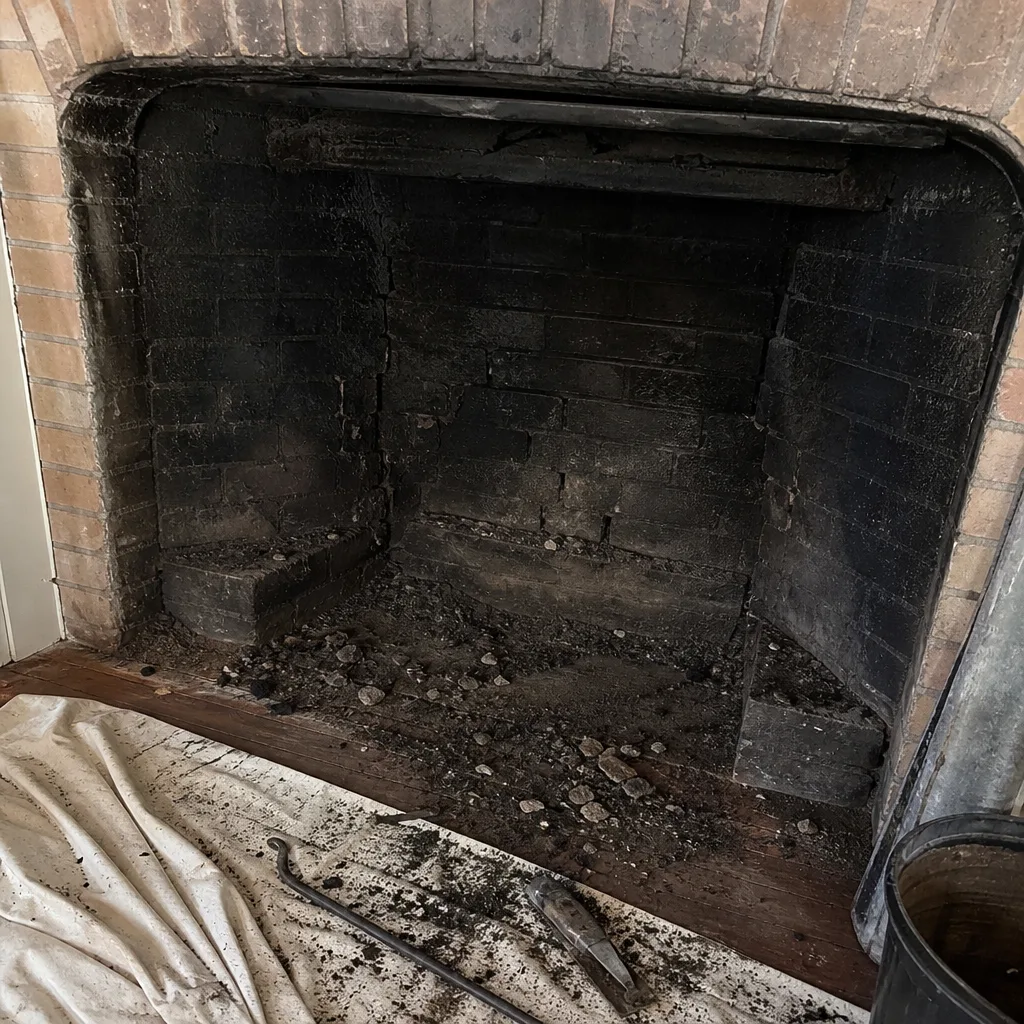 Before
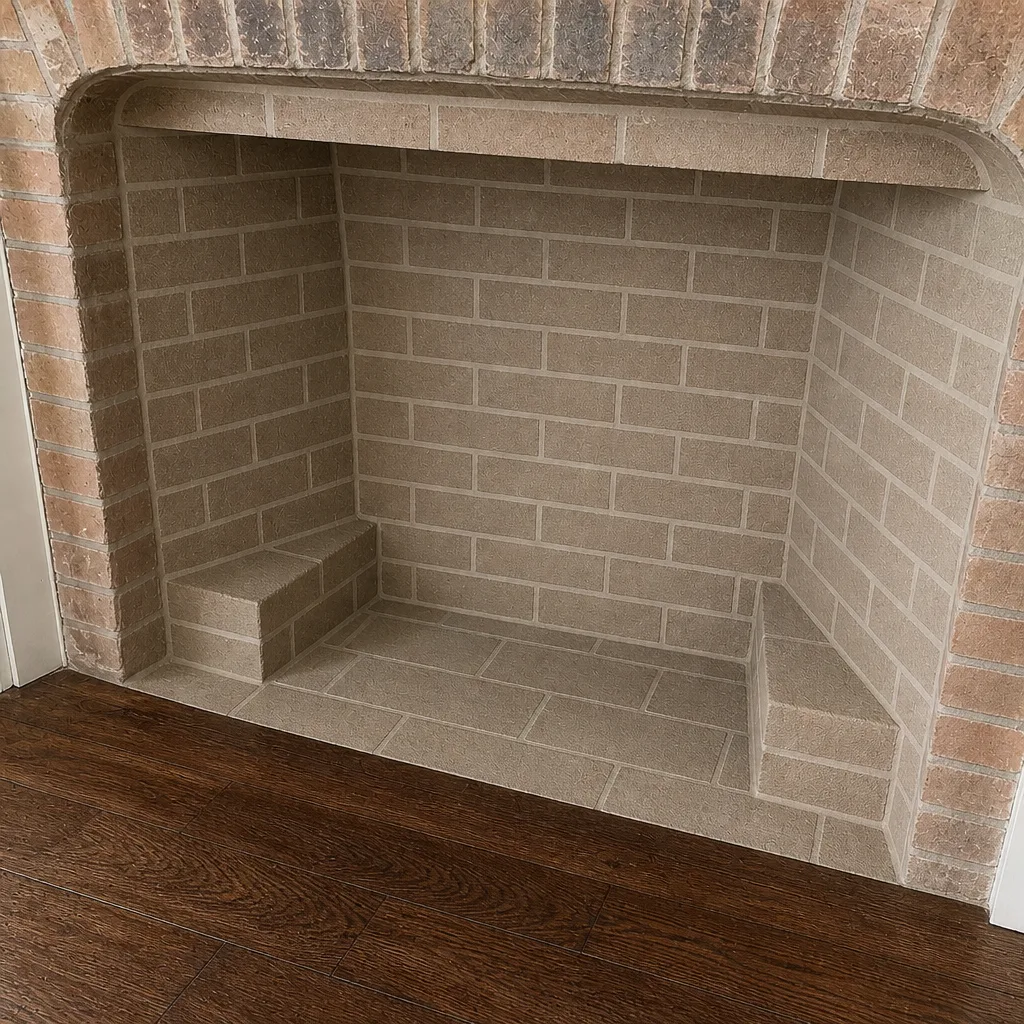 After
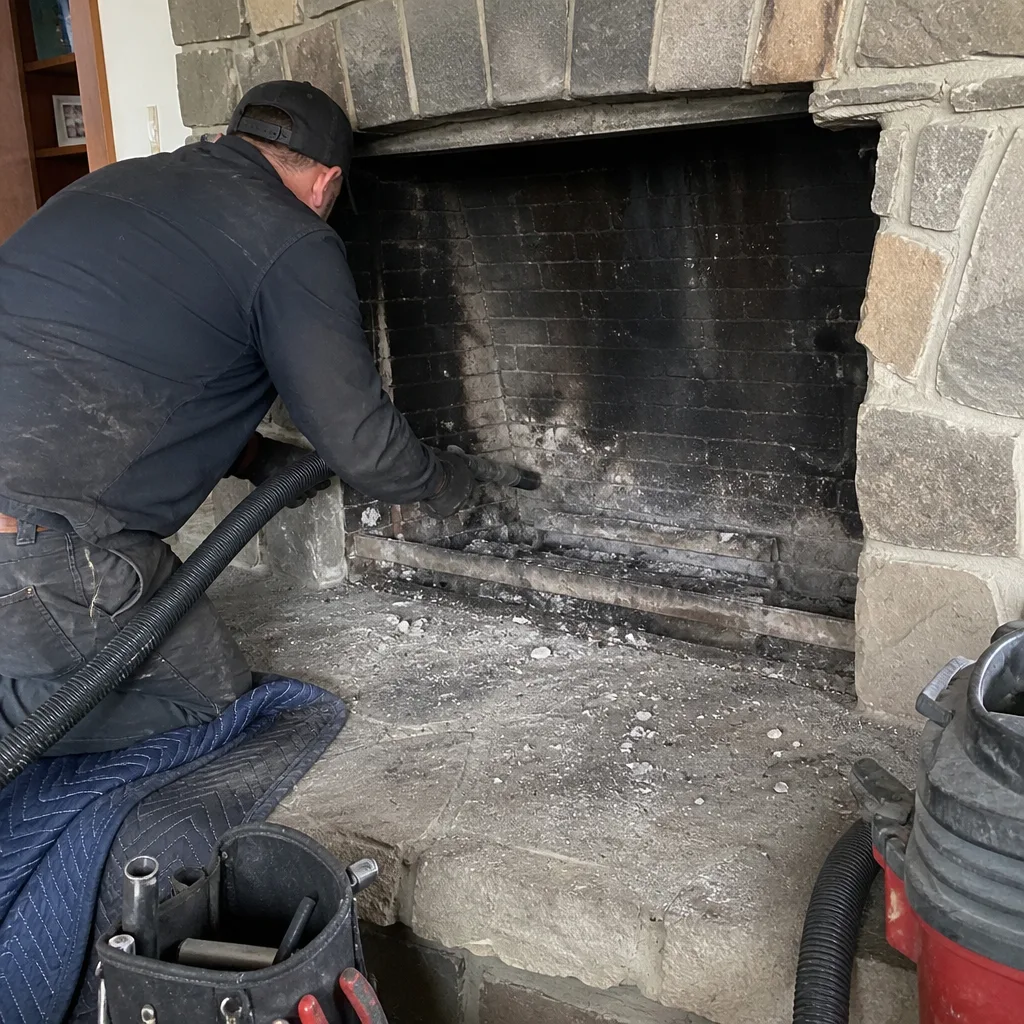 Before
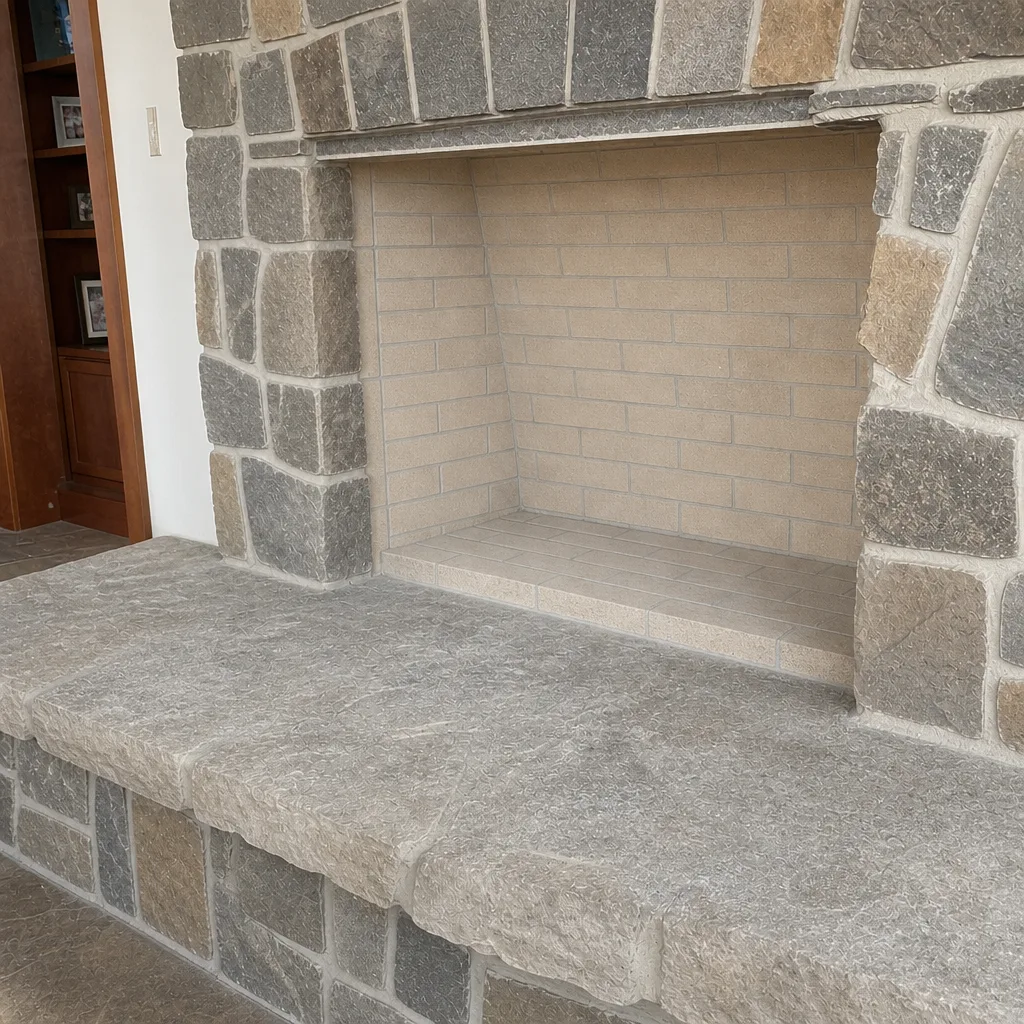 After
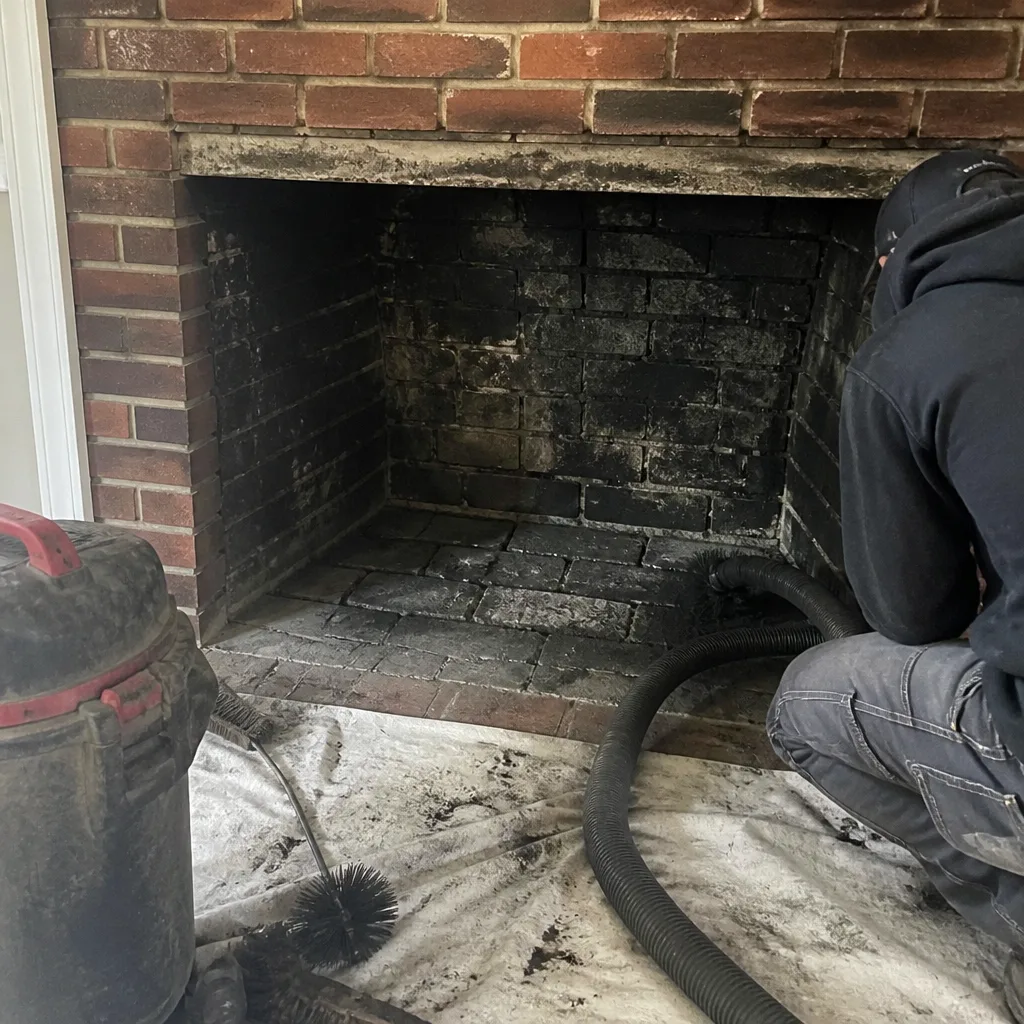 Before
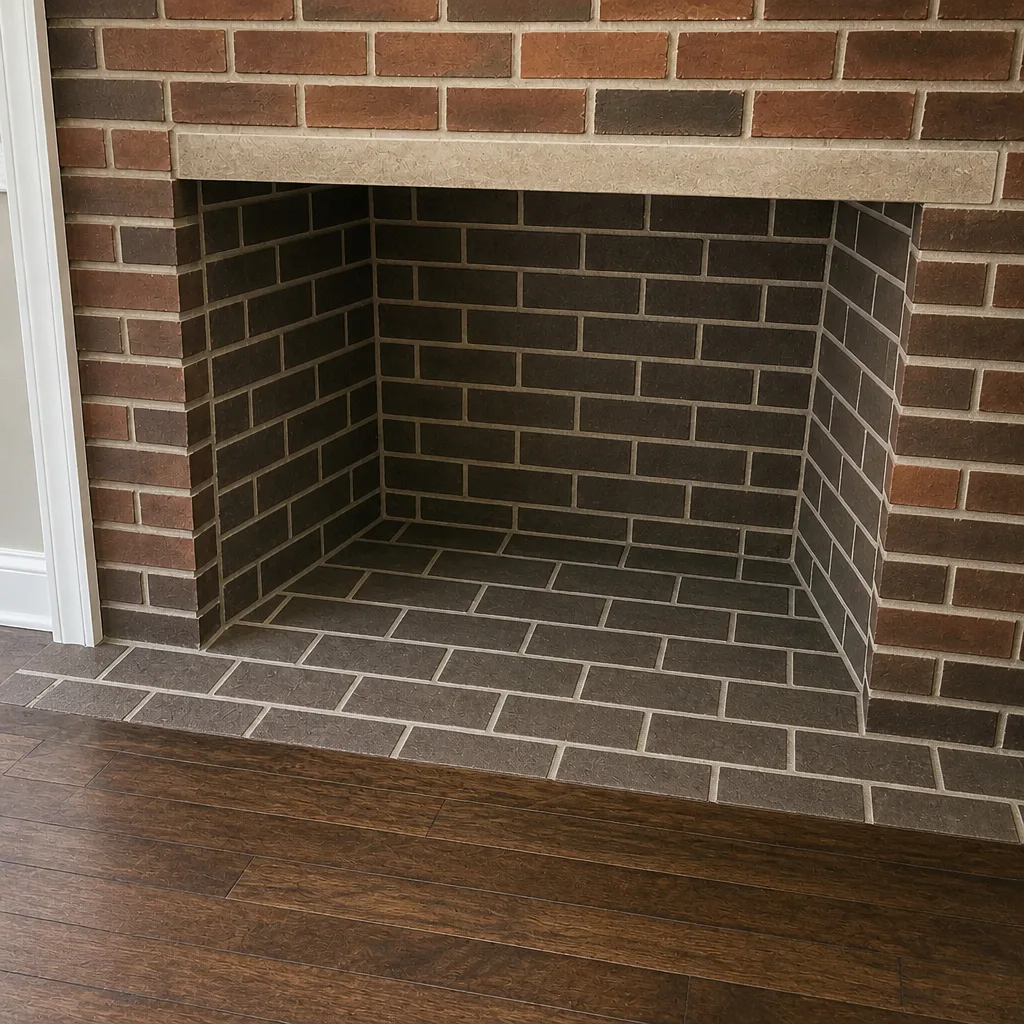 After
Frequently Asked Questions
The earliest signs are usually smell and draft, not visible damage: a campfire odor in the room with no fire lit, a musty smell from moisture in the flue, a fire that’s slow to start, and smoke that spills into the room when you first light up. Rust streaks and oily black staining in the firebox come next. A camera inspection shows you the inside of the flue so you don’t have to guess. Call (888) 395-8922 to book a sweep and inspection.
Every year if the fireplace or wood stove is used regularly. Even a light-use chimney should be inspected annually, and a camera inspection is worth doing when you don’t know the history of the house. Syracuse’s long heating season makes the annual sweep more important than it would be in a mild climate, because more burning means more creosote and more chances for a fire-season problem to develop. Call (888) 395-8922 for a free estimate on a scheduled sweep.
It means draft reversal. Cold air is coming down the flue and carrying soot and creosote odor back into the room. Causes range from a blocked flue to a failed damper seal to negative pressure from a bath or kitchen fan. It’s not always a major repair, but it’s worth diagnosing before you light a fire. A camera inspection identifies the cause and tells you whether a cap, a repair, or a cleaning is the fix. Call (888) 395-8922 to schedule one.
It depends. A cracked or spalled liner can’t be safely used, but not every liner problem needs replacement. Sometimes flue resurfacing with HeatShield solves the problem without a full reline. The answer comes from the camera inspection, and we show it to you before we quote the fix. Brand-name materials you can look up yourself: HeatShield for resurfacing, DuraFlex flexible liner systems for replacement. If a sweep is enough, we tell you so. Call (888) 395-8922 for an estimate.
Creosote builds up. How fast depends on how hot the fire runs and how dry the wood is. Stage three glazed creosote is a real fire hazard, and the only way to know whether a flue has reached that stage is a camera inspection. Skipping a sweep doesn’t cause a fire on its own, but it lets a fire hazard build up unseen, and the moment a spark hits it is the moment prevention stops mattering. Book a sweep before burning season. Call (888) 395-8922 to schedule.
Yes. Dryer vent cleaning is a core service, not an add-on referral, and it’s often the more urgent of the two in homes where dry times have crept up. Longer dry cycles, excess heat in the laundry room, and lint around the exterior vent hood are the signs to watch. Pairing the two in a single visit keeps your fire-safety maintenance on one schedule. Call (888) 395-8922 for a free estimate on both.
Key Takeaways
- The quiet warning signs (smell, rust, draft) matter more than the dramatic ones (fire, smoke) because you can catch them earlier.
- Odor is a diagnostic tool. Campfire smell means draft reversal. Musty means moisture. Acrid means glazed creosote. Sulfur near a gas appliance is an emergency, not a chimney job.
- Creosote can’t be detected visually from the living room. Sweeping is the annual check, and a camera inspection is the honest one.
- Exterior signals on a Syracuse chimney move faster than in milder climates because of the freeze-thaw cycle. What’s cosmetic in October can be a bigger problem by spring.
- Dryer vents fail the same way chimneys do: a restricted air path, heat that can’t escape, and a fire hazard that builds quietly. Sweep and dryer vent cleaning together keeps both on one schedule.
- Nothing gets recommended without evidence you can see. If the camera shows a problem, we explain it. If it doesn’t, we say so, and we tell you when a repair can wait.
The Bottom Line
The chimney warning signs worth watching are the quiet ones. A smell where no fire has burned, a rust streak on the firebox, a slow-starting fire on a windy day, a tilted cap visible from the street, longer dry times in the laundry. This guide has walked through each of those in the order a homeowner would actually notice them, so you can check your own system methodically and know when to call. In our experience working on Syracuse homes, the calls that save the most money are the ones made early, not the ones made during a cold snap. A chimney sweep is the annual check. A camera inspection is the honest one. Dryer vent cleaning belongs on the same visit. All three are part of how we work in Syracuse, and every repair we recommend comes with evidence you can see before you commit to it. Whether you’re about to light the first fire of the season or you’ve just closed on a house with an unknown chimney history, a walk-through won’t cost you anything. Call (888) 395-8922 for a free estimate. We answer 24/7. Fast dispatch from 7am to 7pm, Sunday through Friday. You can also visit Chimney Sweep Syracuse to learn more about how we handle chimney sweeping, structural repair, and dryer vent cleaning in one visit.
Written by the team at Chimney Sweep Syracuse.