
Last updated November 15, 2026
 Sweep & inspection
 Caps & crowns
 Flue relining
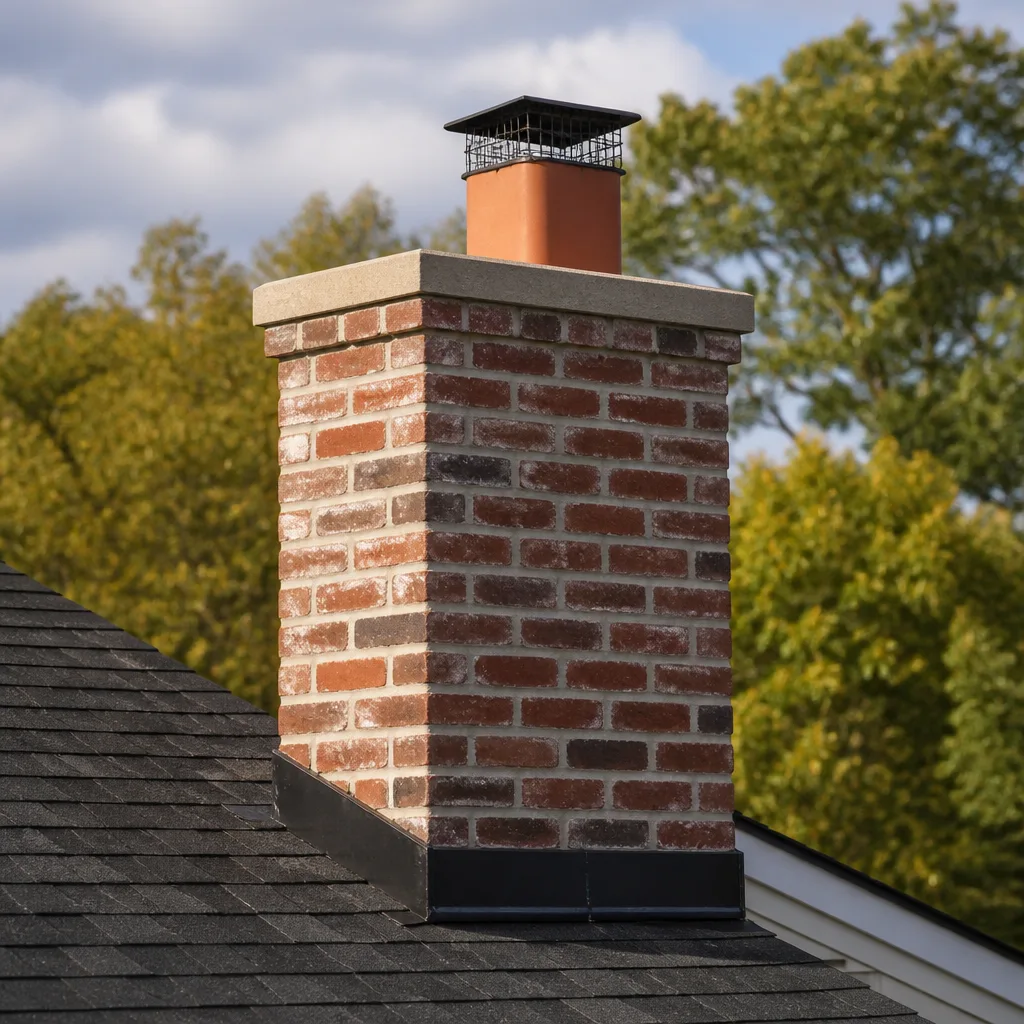 Masonry repair
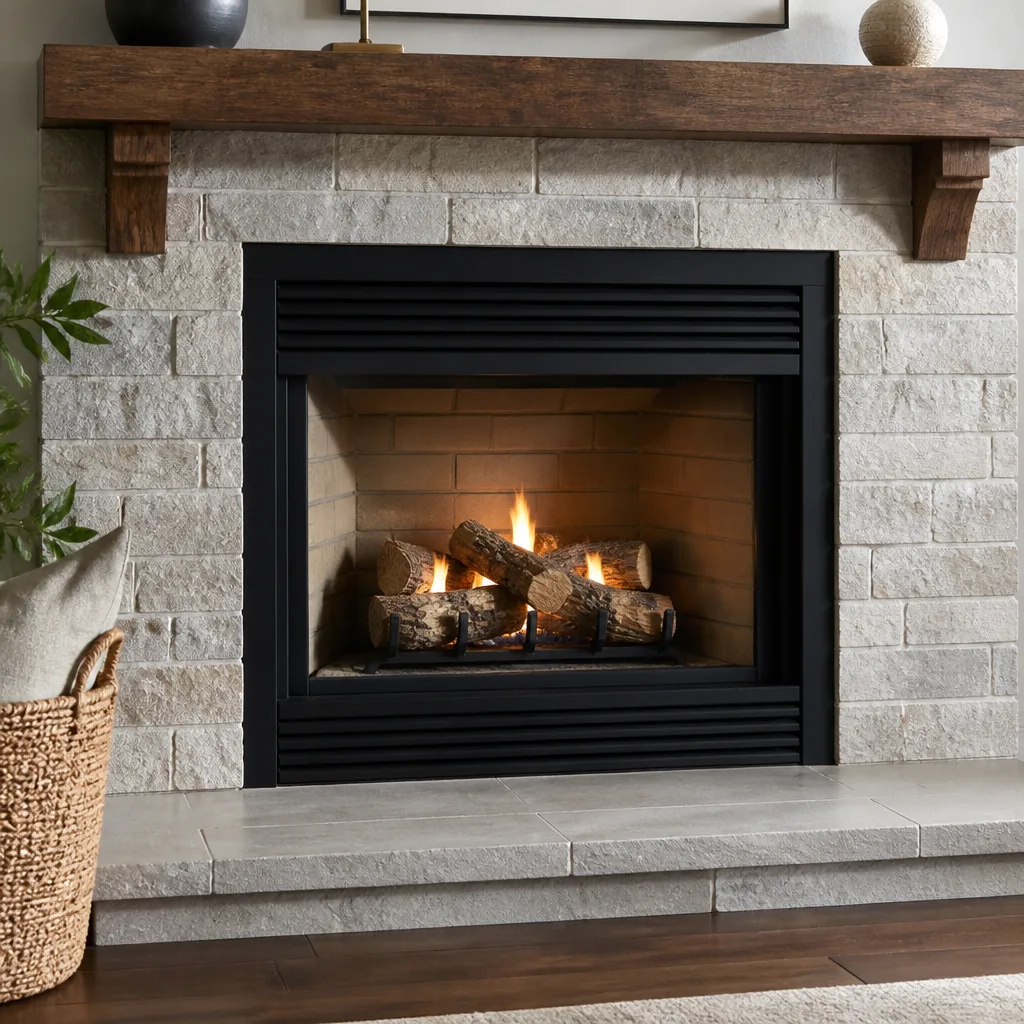 Gas fireplace service
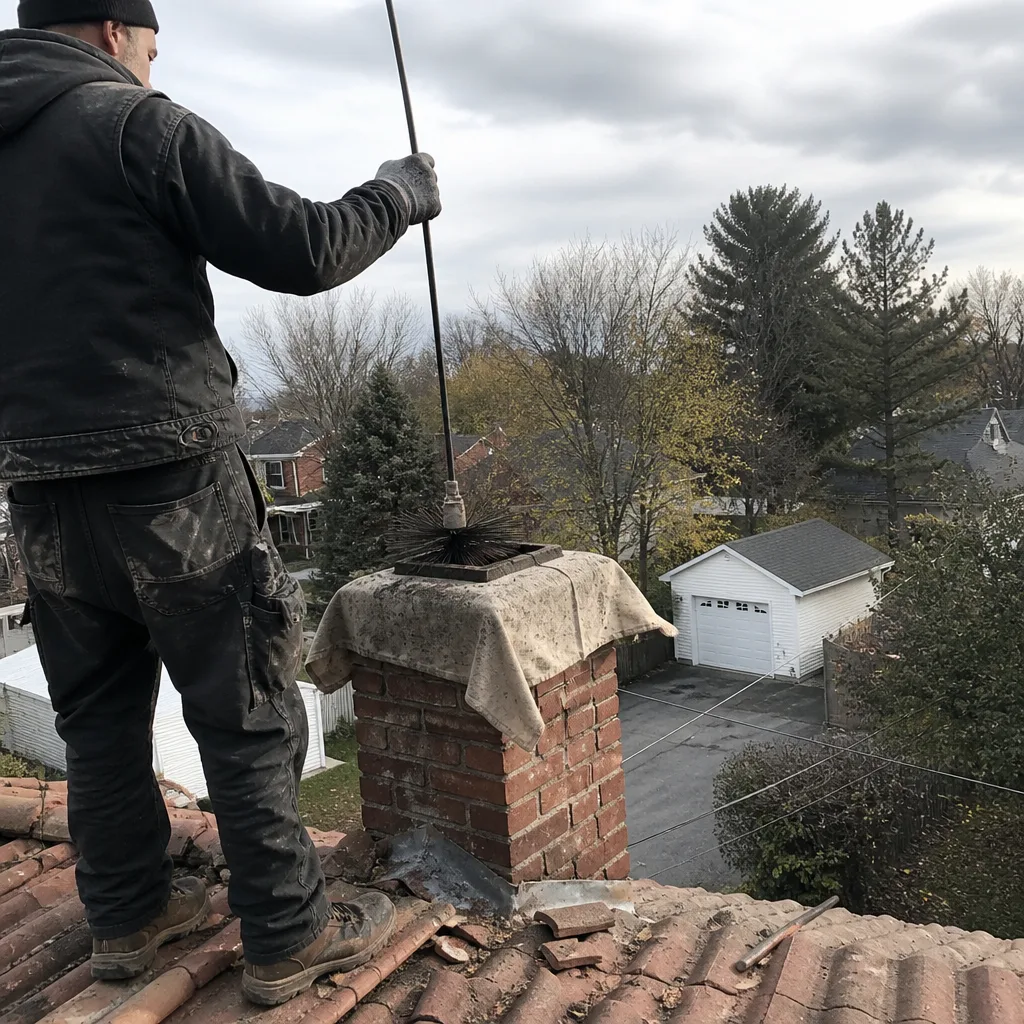
Level 1 sweep and inspection to the NFPA 211 annual standard - flue, crown, cap, and flashing checked and photographed
Chimney sweep logs do not sweep chimneys. They loosen some creosote - which then falls where a brush and vacuum still have to collect it.
Chimney Sweep Maintenance Checklist for Syracuse Homeowners
Most chimney checklists floating around the internet tell you to “look for damage” and leave it there. That’s useless advice from a homeowner’s standpoint, because damage on a chimney rarely announces itself. It looks like a white chalky stain you assume is paint fade, a damper handle that turns a little easier than it did last fall, a puff of smoke that drifts into the room before it goes up. If you can describe what you’re actually seeing, you save the technician a round of detective work and get a faster, more accurate answer about what’s wrong. This guide covers the checks worth doing in Syracuse, what each result means, and how to tell a “flag this” from a “call someone now.”
Quick Answer
A yearly maintenance routine for a Syracuse chimney has three parts: you do a walkaround and interior check before the heating season, a technician sweeps and inspects the flue with a camera and documents what’s found, and you fold your dryer vent into that same visit instead of scheduling a separate appointment. Check the firebox floor, damper seating, smoke shelf, exterior cap, crown, and flashing yourself each fall, photograph anything that looks off, and hand those photos to the sweep before the work starts. Anything involving a cracked flue tile, a strong creosote smell, or a damaged crown gets a call before you light another fire.
Styles & brands we work with
- Sweep & inspection
- Caps & crowns
- Flue relining
- Masonry repair
- Gas fireplace service
Table of Contents
- What a Real Chimney Maintenance Checklist Covers
- Pre-Season Interior Checks: Firebox, Damper, Smoke Shelf
- Exterior Checks That Reveal Cap, Crown, and Flashing Problems
- What to Photograph Before a Sweep Arrives
- Dryer Vent Checks to Bundle Into the Same Visit
- Red Flags: Do Not Use vs. Schedule Soon
- Why Syracuse Chimneys Need a Pre-Winter Visit
- What Repairs Actually Use: Brands You Can Look Up
What a Real Chimney Maintenance Checklist Covers
A chimney is not a single object. It’s a system with an interior flue, a masonry shell, a crown at the top, a cap over the opening, flashing where it meets the roof, and often a liner that has pushed the original clay tiles aside. A checklist that only covers sweeping misses most of what can go wrong. Our technicians have up to experience, and the pattern is consistent: the problems that turn into rebuilds are almost always problems that showed up as a small exterior symptom for a season or two first.
When we show up for a sweep in Syracuse, we’re working through the same three layers a homeowner can audit before we arrive:
- The flue interior: creosote buildup, cracked or spalled tiles, gaps at joints, and whether a liner is present.
- The structural shell: firebox brick, damper frame, smoke shelf, the brick above the roofline, the crown.
- The attachments: cap, spark screen, flashing, and any appliance connections like a wood stove flue.
A proper annual visit includes a camera inspection and a photo report, not just a sweep and a handshake. The photo report is what lets you compare year over year and see for yourself whether what a technician is recommending makes sense. That’s the whole point of the exercise – not to scare you into a repair, but to give you evidence.
One thing worth saying up front: we don’t recommend liner or masonry work without camera evidence you can look at yourself. If a flue is dirty but sound, you get a sweep and a clean bill. If it’s cracked, you see the crack. If something can safely wait another season, we say so.
Pre-Season Interior Checks: Firebox, Damper, Smoke Shelf
Interior checks are the ones homeowners can do most accurately, because you’re looking at things close up. Do them in daylight with a flashlight, before the first fire of the season. The goal isn’t to diagnose – it’s to notice and report.
Firebox floor
A healthy firebox floor is flat, solid brick with no loose pieces. What looks normal: fine ash and soot on the surface, a little gray staining on the firebrick at the back. What to flag: brick that crumbles when you press it, a crack wider than a hairline that runs across the floor, or any gap where you can see mortar missing between bricks. Crumbling firebrick can let heat reach the masonry behind it, which is exactly what that brick is there to prevent.
Damper plate seating
Open and close the damper several times. A damper should move with firm, predictable resistance and settle flush in both the open and closed positions. If the handle suddenly feels looser than last season, or the plate wiggles when it’s supposed to be seated, the frame or pivot has likely worn or rusted. A damper that won’t close all the way sends heat up the flue all winter; one that won’t open fully lets smoke back into the room. Either way, note it.
Smoke shelf debris
The smoke shelf is the horizontal ledge just behind the damper, and it collects everything that falls down the flue: leaves, bird nesting material, chunks of mortar, and creosote flakes. From the firebox you can usually see it with a flashlight angled up and back. A light dusting is normal. A visible pile, or leaves you can identify, means something has come down from above, and the cap situation needs checking at the same time.
What a draft test tells you
Before any fire, hold a lit incense stick near the open damper and watch the smoke. It should be pulled steadily up the flue. Smoke that hangs, curls back into the room, or won’t go up at all means the draft is compromised. Don’t light a fire to “see if it clears.” Report it.
Exterior Checks That Reveal Cap, Crown, and Flashing Problems
You don’t need to get on the roof to spot trouble. Most of what matters is visible from the ground with binoculars, and after a Syracuse winter, the exterior tells you more than the interior does for the first few weeks. Frost heave, freeze-thaw cycles, and ice damming all attack the top of a chimney before they reach the flue.
Walk a slow circle around the house, keeping the top of the chimney in view. Here’s what each symptom actually points to:
- White chalky staining on the brick above the roofline: that’s efflorescence, mineral salts pushed out by moisture moving through the masonry. It usually means water is getting in somewhere above, often at the crown or flashing. It’s not an emergency, but it’s a real signal that shouldn’t be ignored for years.
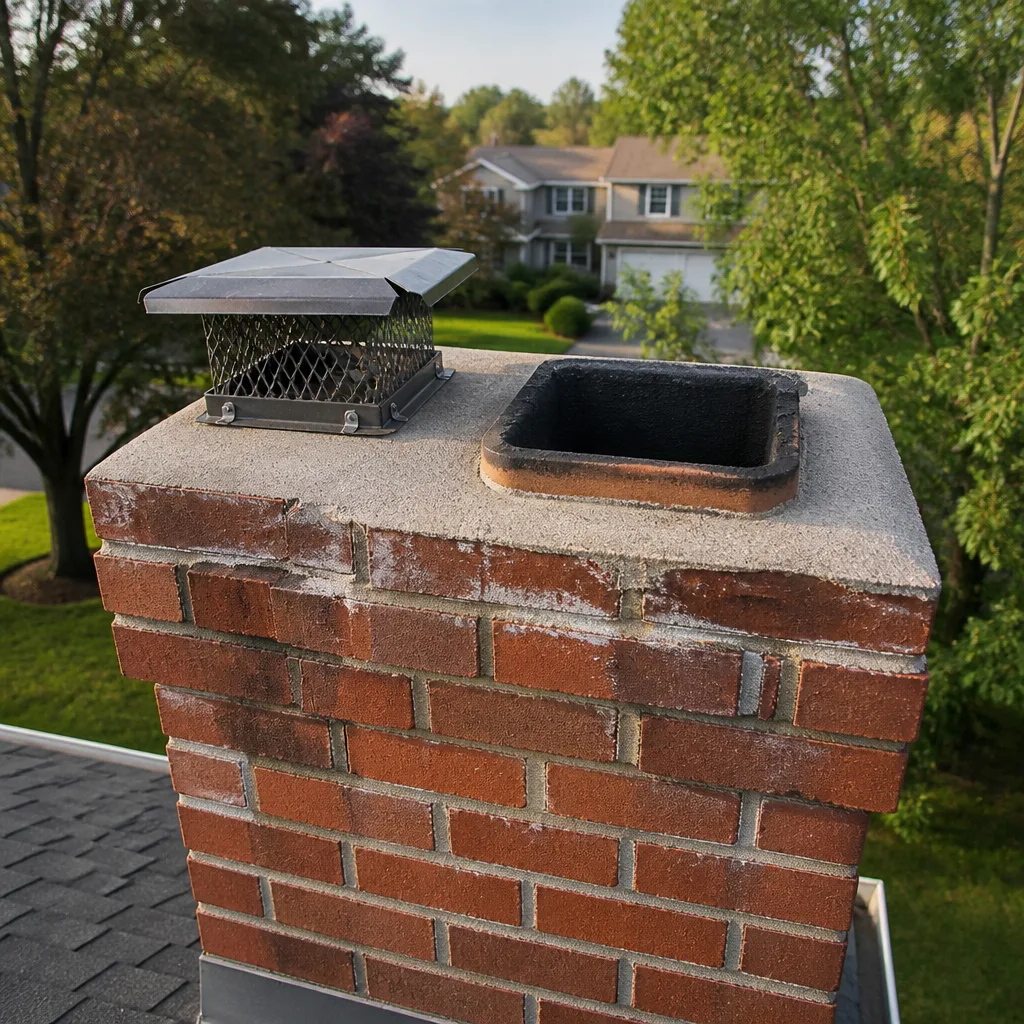
- A crack in the crown, even a thin one: the crown is the concrete slab that sheds water off the top of the chimney. Once it cracks, water runs down into the masonry every time it rains or snow melts. Small crown cracks are common and repairable; a crown that’s separated or crumbling needs attention before winter.
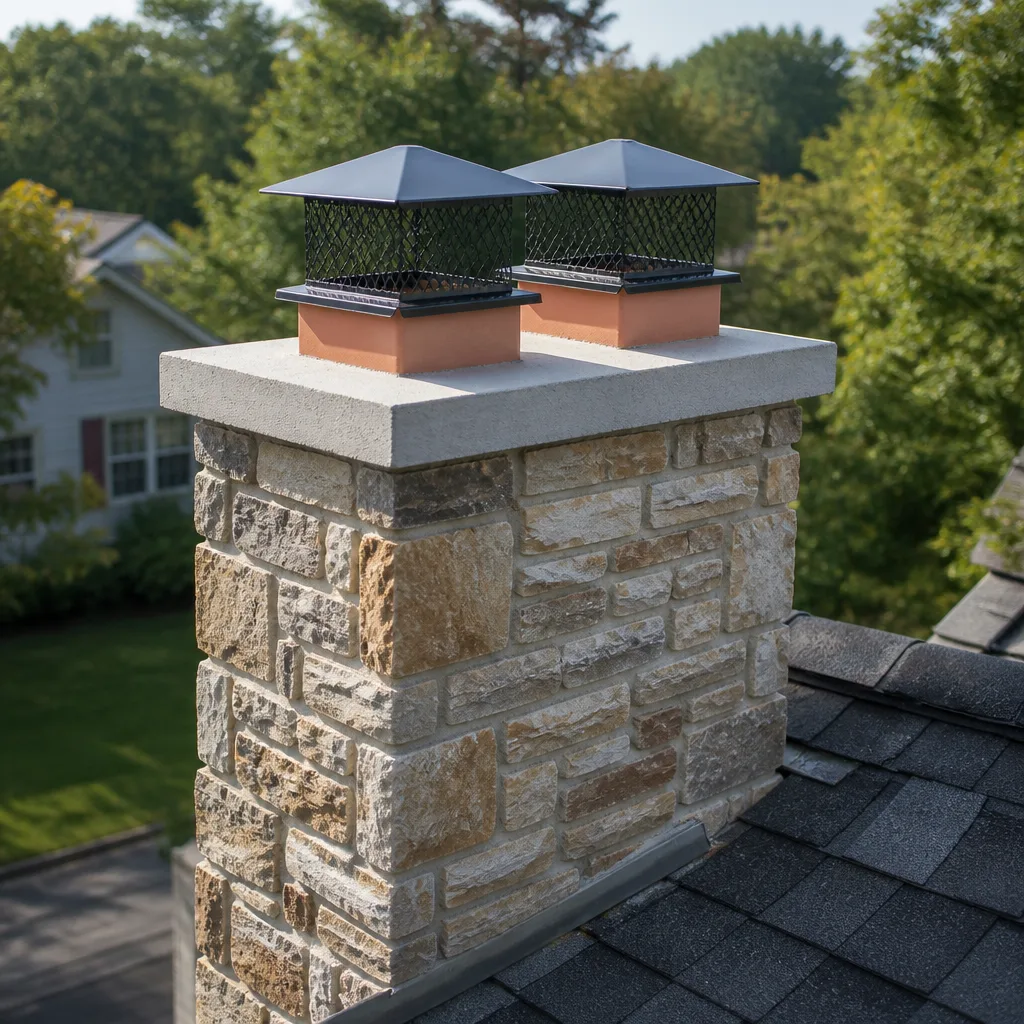
- A cap that’s tilted, missing, or has torn screen: the cap keeps rain, birds, and squirrels out of the flue. A damaged cap is one reason leaves end up on the smoke shelf.
- Flashing pulled away from the roof or the chimney: the metal flashing at the roofline seals the gap where the chimney passes through. Bent, lifted, or visibly separated flashing lets water in behind the masonry, which is where expensive damage starts.
- Spalling brick face: brick faces that are popping off in flakes or chunks mean the brick absorbed water and froze. A few spalled bricks near the top are worth mentioning; a chimney face doing it across the whole upper section needs a look soon.
Write down what you see and where. “Efflorescence on the south face above the roofline, crown intact” is a sentence a technician can work with. “Chimney looks bad” is not.
What to Photograph Before a Sweep Arrives
Year-over-year comparison is where photography earns its keep. A crack that’s been the same width for three seasons is often a stable condition worth monitoring. A crack that’s grown since last fall changes the conversation. A technician can’t tell you which one you have without the older photo.
Photograph these each year, in the same order, at the same angle:
- The firebox from straight on – includes the floor, back wall, and side walls in one frame.
- The damper in both the open and closed positions using the same camera and distance.
- The chimney exterior from the ground – one shot from each side of the house, including the crown and cap in the frame.
- The roofline where the chimney meets the roof – a zoom or zoomed phone shot showing the flashing line.
- Anything you’ve flagged – a close-up of the efflorescence, the spalled brick, the loose damper handle, paired with a wider shot showing where it sits.
Then take a photo of the technician’s own photo report when the sweep is done and keep both sets in the same folder on your phone. Next fall, the comparison takes seconds. Over a few seasons, you’ll have a record that follows the chimney instead of getting lost with a paper receipt.
Our technicians document what they find before they quote anything. If you’ve done this yourself and hand us your photos, we compare them against what the camera sees inside the flue. That comparison is what makes a recommendation defensible instead of just plausible.
Dryer Vent Checks to Bundle Into the Same Visit
Dryer vents are the maintenance item most chimney companies ignore. That’s a gap, because a clogged dryer vent is a fire hazard, and the failure mechanism is similar to a chimney: lint accumulates, restricts airflow, and heat builds in a place it shouldn’t. If a technician is already in the house for an annual chimney visit, folding dryer vent cleaning into the same appointment means one visit, one set of evidence, and no second service call.
What to check yourself between professional visits:
- Dryer time: if a normal load starts taking two cycles to dry, airflow is probably restricted. Note the change and mention it at the sweep.
- Heat at the outside vent: run the dryer for ten minutes and feel the exhaust at the exterior vent. Warm, steady air moving out is good. Weak airflow or no airflow means the vent line is blocked.
- Lint around the vent cap: visible lint packing around the outside flap is a sign lint is building up inside.
- Damper flap motion: the outside vent flap should open freely when the dryer runs and close when it stops. Stuck flaps attract birds and let cold air and moisture into the duct.
- The vent route: flexible foil or vinyl duct behind the dryer is more prone to collapsing and trapping lint than rigid metal duct. If you can see the route, note what material it is.
One point of consistency: this is part of our standard scope, not an add-on. Sweep, repair, dryer vent. If we’re already at the house for the chimney, we look at the dryer vent too. Two of the leading home fire hazards, one visit, and one company accountable for both.
Red Flags: Do Not Use vs. Schedule Soon
The hardest judgment call in a homeowner checklist is whether something needs a call today or next month. Here’s how we would sort it if we were looking at our own chimney.
Stop using the fireplace until a technician inspects
- Any gas or smoke smell that isn’t coming from the fire itself, or any odor of creosote in a cold firebox.
- Smoke that rolls back into the room when the damper is fully open and the fire is established.
- A visible crack in a flue tile along the inside of the flue, or a chunk of mortar or tile on the smoke shelf that clearly fell from above.
- Coal-black, shiny creosote on the flue wall: that’s the stage most associated with chimney fires, and it needs to be swept before another fire.
- Any chimney fire event, even a small one that seemed to go out on its own. Chimney fires can damage the flue without visible symptoms.
- A firebox floor with crumbling or missing brick where heat can pass through.
Safety comes first here, and there’s no way around it: flue interiors, flue liners, and masonry that’s failed due to heat are not a do-it-yourself job. The material risks are real, and the honest answer is that a trained professional needs to look.
Schedule a visit soon, not urgently
- Efflorescence on the exterior brick above the roofline.
- A hairline crown crack you can see but can’t fit a coin into.
- A damper handle that feels loose but still seats the plate.
- Lint accumulation on the dryer vent cap.
- Light creosote on the flue walls – normal between annual sweeps.
- A cap that’s intact but showing rust at the seams.
The line between these two lists usually comes down to whether heat or combustion gases are involved. Anything that touches the path of fire and flue gas gets a stop-use. Anything that touches water ingress gets a scheduled visit.
See the difference
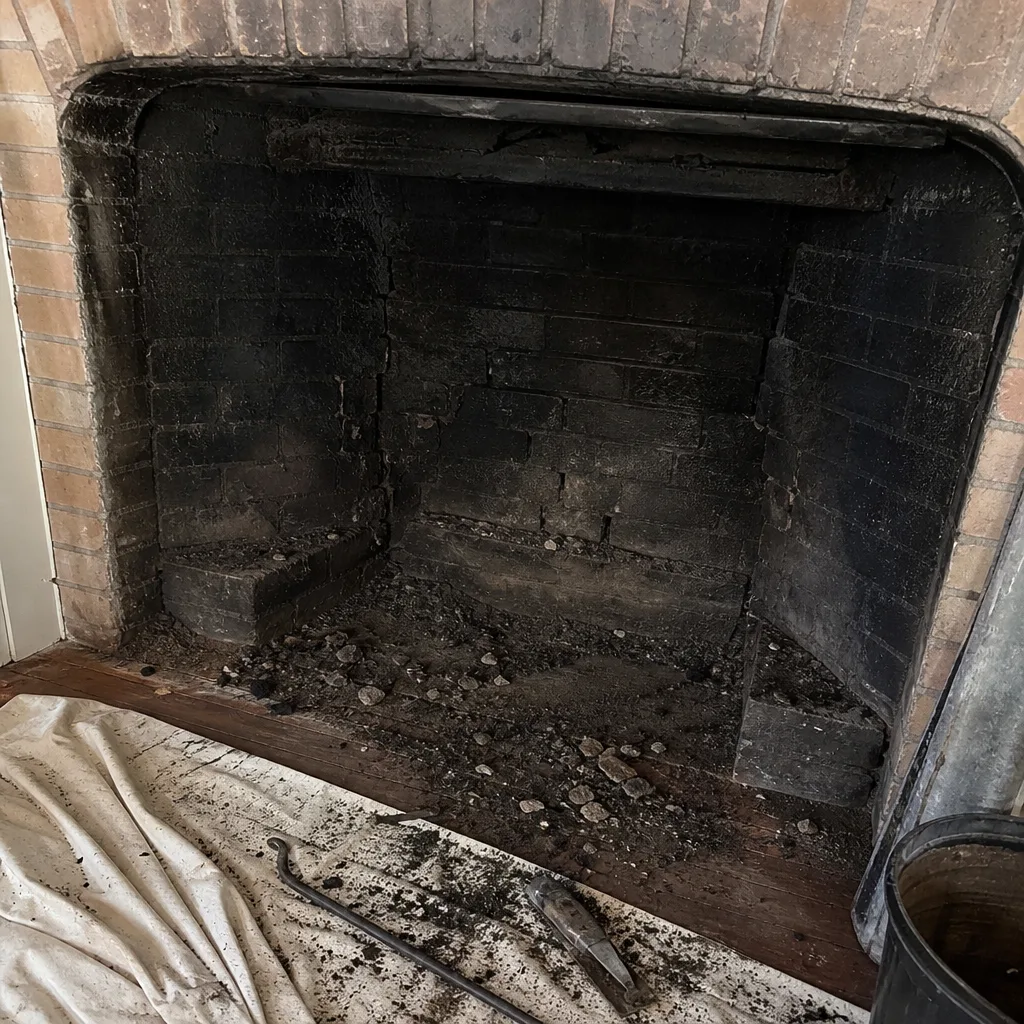 Before
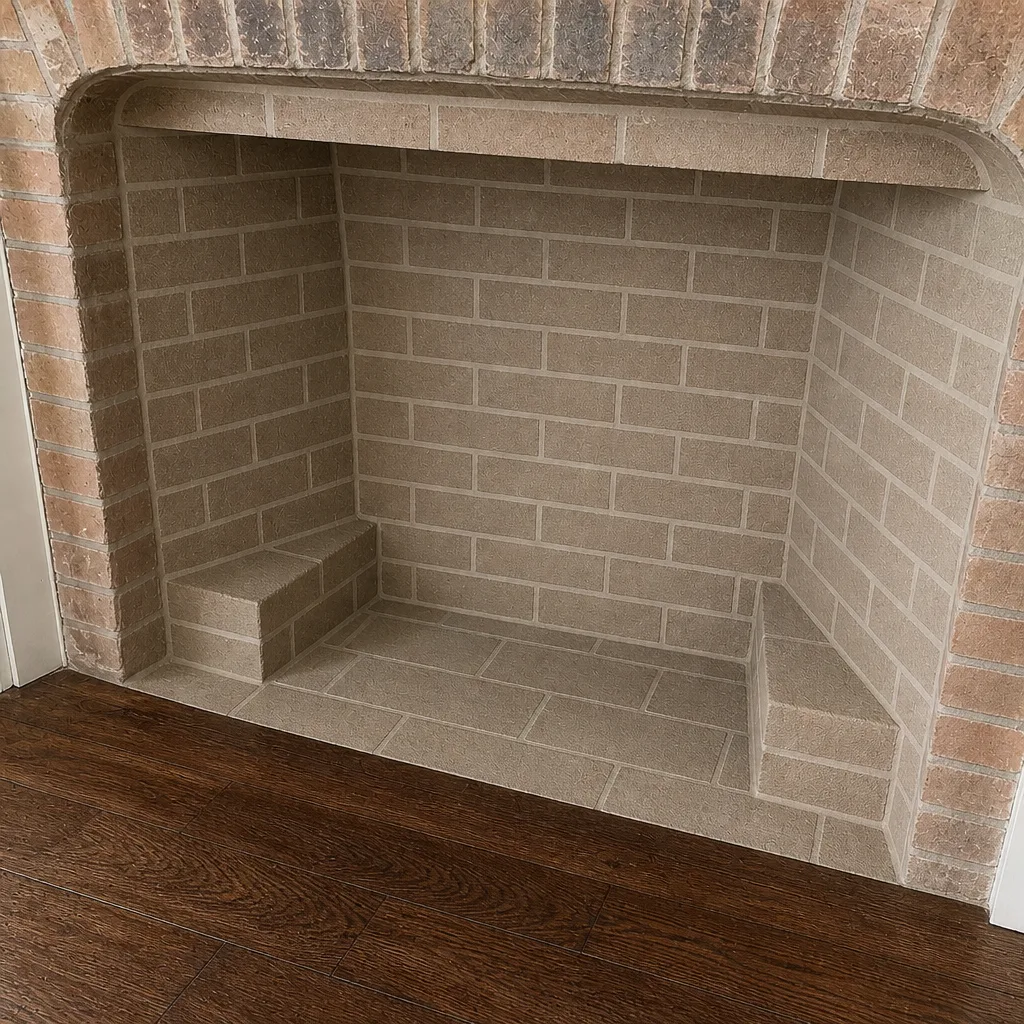 After
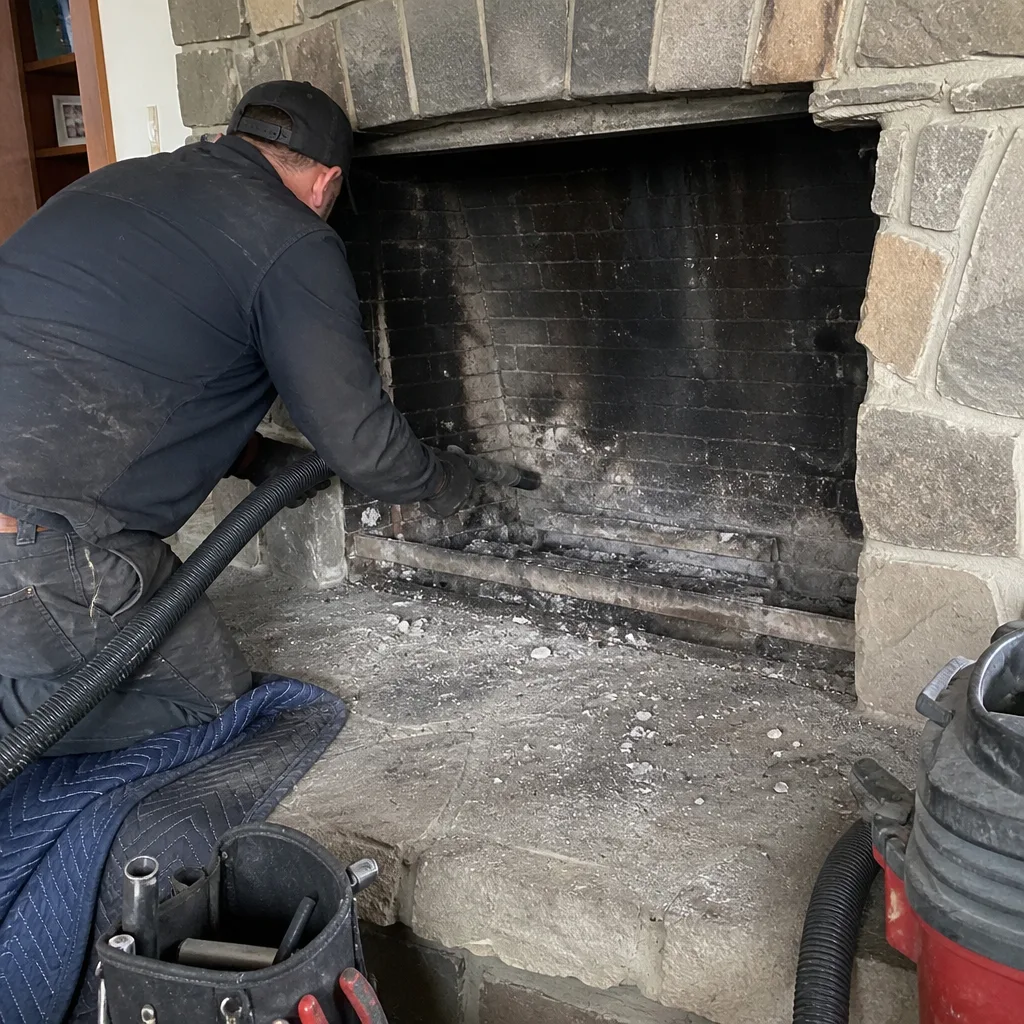 Before
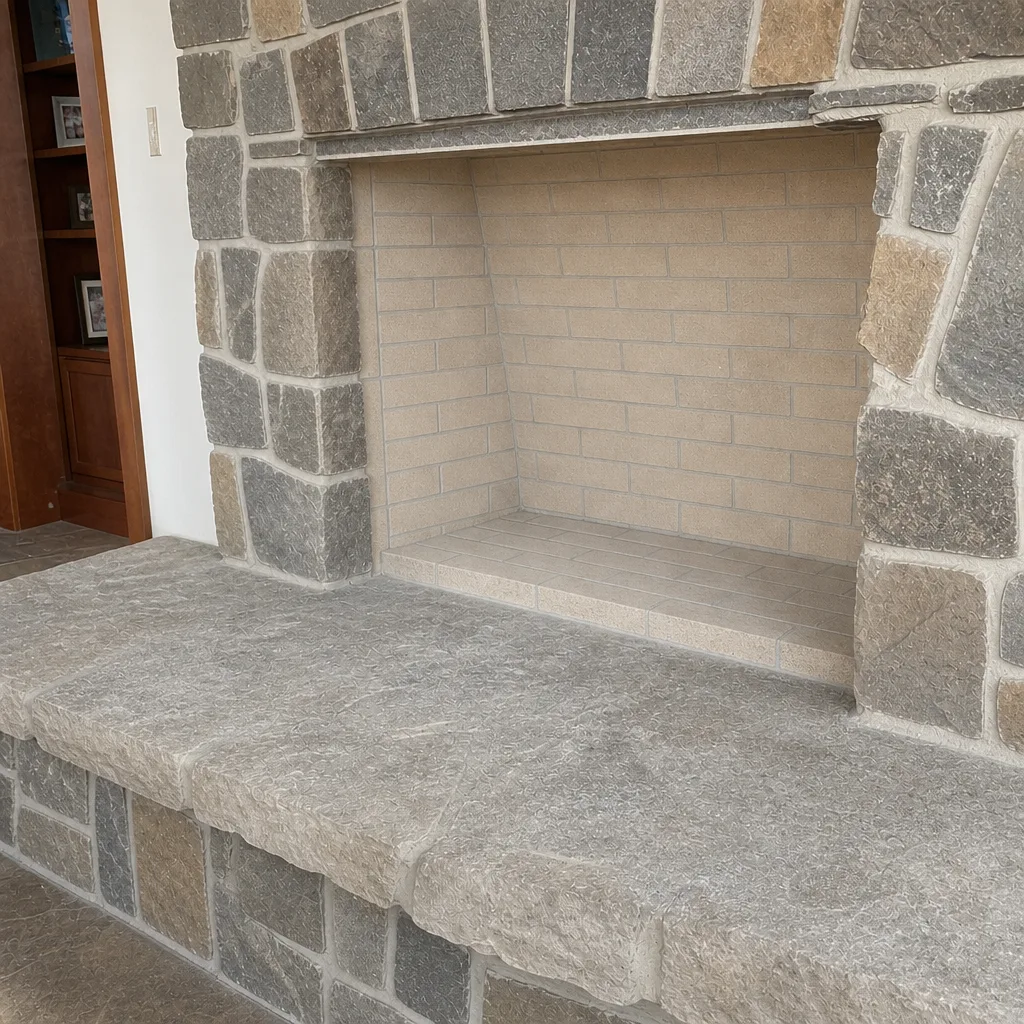 After
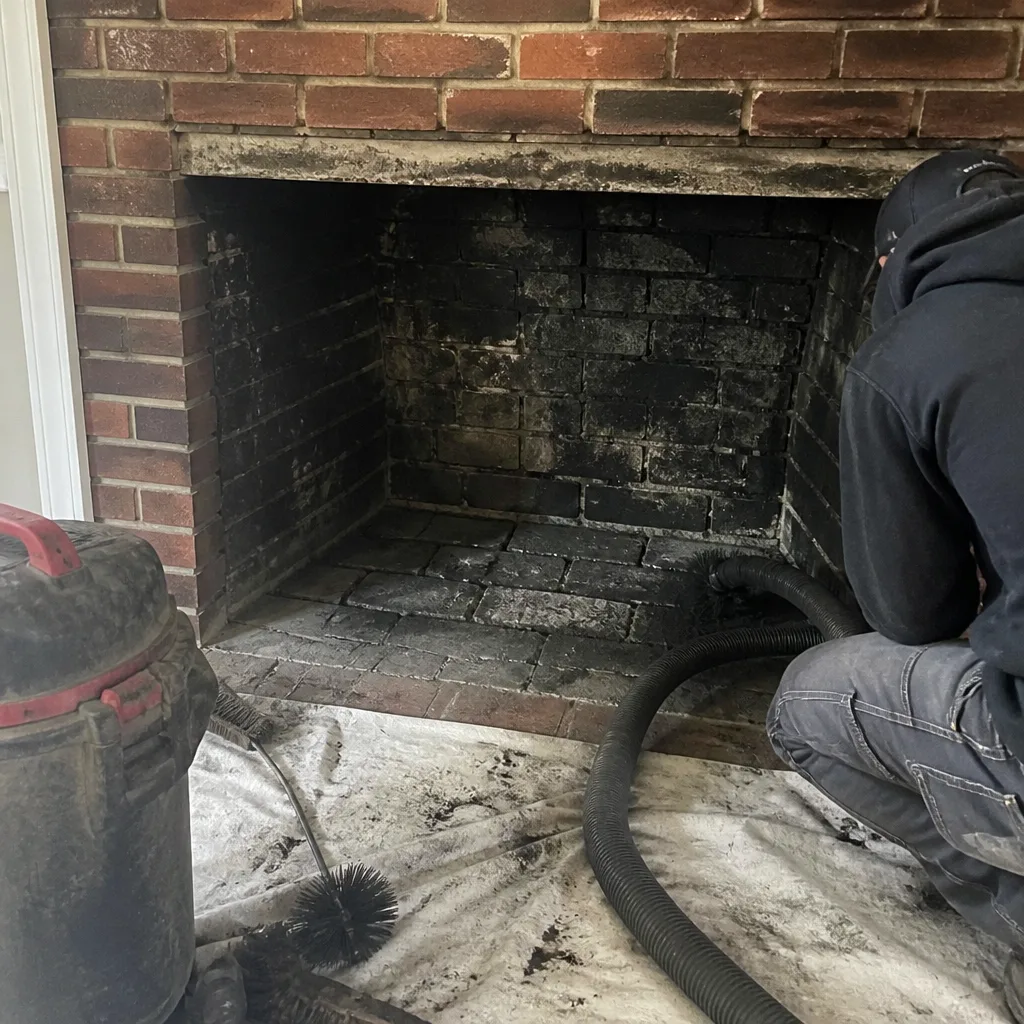 Before
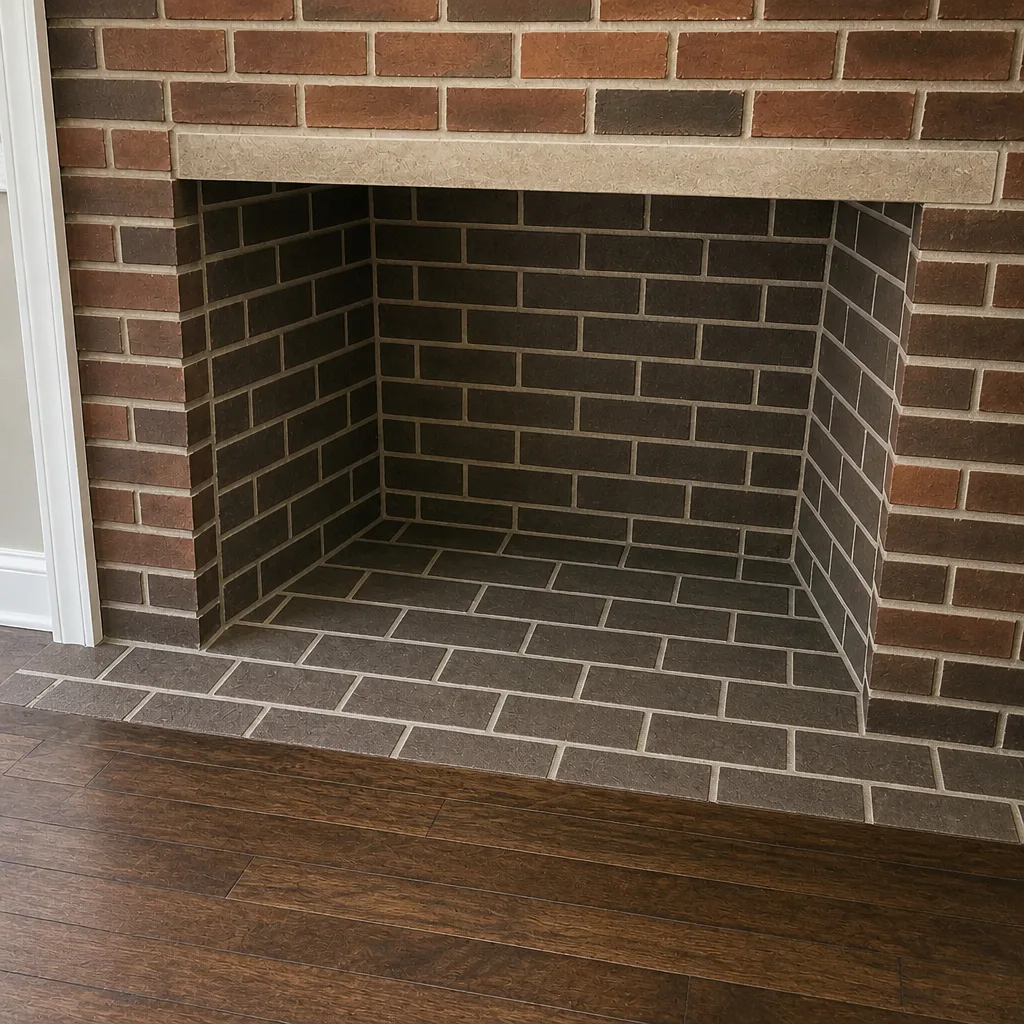 After
Why Syracuse Chimneys Need a Pre-Winter Visit
Syracuse winters are long, cold, and wet, and they work on a chimney from both sides. On the inside, the fireplace gets used heavily through the coldest months, which lays down creosote faster than a mild climate would. On the outside, repeated freeze-thaw cycles push water deeper into masonry that’s already absorbed it from rain and snowmelt. The brick that survives a mild winter can spall through a hard one.
The practical takeaway is timing. A visit in the fall catches the exterior damage from last winter, sweeps the creosote off the flue before it builds up over another heating season, and gives you a baseline photo report to compare against next year. Waiting until mid-winter to schedule means you’re calling when you notice smoke backing up, which is a worse time to discover a problem.
For homeowners who’ve moved into a house in or near Syracuse with a fireplace they’ve never used, the pre-season visit is even more important. You don’t know the chimney’s history. A sweep with a camera inspection and photo report establishes that history on day one, and it tells you whether the flue is sound, whether the cap and crown are holding, and whether a liner is in place. It’s the cheapest way to avoid inheriting someone else’s deferred maintenance.
If you’d like a professional opinion on your own walkaround photos, our team is available to review them before booking. We can be reached at (888) 395-8922.
What Repairs Actually Use: Brands You Can Look Up
If a technician tells you that you need a flue liner or a crown repair, the next question worth asking is “with what material?” Materials are the most verifiable part of any chimney quote. The brands we use for repair and restoration work are all industry names a homeowner can research independently – none of this is mystery parts.
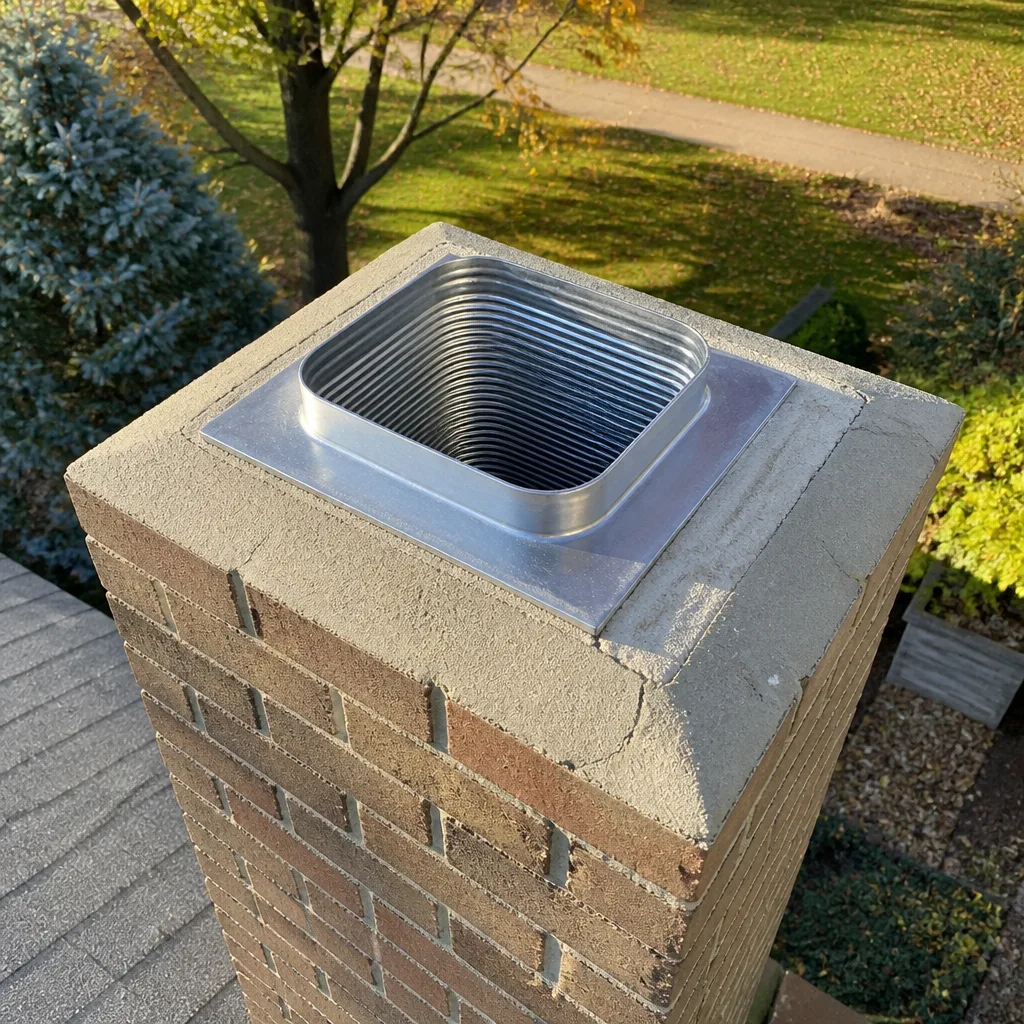
- DuraFlex flexible liner systems: a recognized standard in professional chimney relining. If a quote calls for a liner, this is what should be going in.
- HeatShield flue resurfacing: a repair option for older masonry flues that are sound structurally but have a damaged inner surface. HeatShield restores the flue interior without full demolition, which is a meaningful distinction from a rebuild. Not every flue qualifies, but for the ones that do, it saves both material and disruption.
- Olympia Chimney and Copperfield components: supply brands behind many professional-grade liners, tops, and chimney accessories. The name on the box should be on the quote.
- Gelco and Famco components: caps, covers, and exterior venting. A chimney is only as good as its fittings, and caps in particular take a beating in Syracuse weather.
When the sweep provides a quote, ask which of these the material falls under. A repair quote that names a specific system is a quote you can check. A quote that just says “new liner installed” isn’t. This is also true of the dryer vent side: a professional cleaning has a scope and a result, and it should be described clearly.
We show you what we find before we quote the fix. That’s a simple standard, but it’s the one that makes the material conversation useful instead of confrontational.
Common Mistakes to Avoid
- Sweeping only when the fireplace starts smoking. Smoke in the room is a late symptom. By the time it happens, you’re usually dealing with either significant creosote buildup or a flue issue that’s been developing for a while. Sweep on schedule, not on symptom.
- Skipping the exterior after winter. In Syracuse, the freeze-thaw damage happens out of sight, above the roofline. Homeowners check the interior each fall and never walk around the house. Two minutes with binoculars from the ground catches most of it.
- Treating a chimney as a chimney-only maintenance item. The dryer vent is often the bigger accumulation problem in the house and it’s rarely on anyone’s annual list. Ask for it with the chimney visit.
- Ignoring the photo report and relying on memory. Without last year’s photos, neither you nor a technician can tell you whether that crack has grown. Keep the record.
- Signing a liner or rebuild quote without a camera image. Not every chimney company provides a photo report, but you should never accept a large repair recommendation without one. The evidence is the entire justification.
- Assuming a clean-looking firebox means a clean chimney. The firebox being tidy tells you nothing about the flue walls above, and that’s where creosote accumulates.
- Waiting until after the first hard freeze to book a visit. The interior is ready if it was swept in the fall. It’s not ready if it was never swept at all and the first fire fills the room with smoke.
When to Call a Professional
Call a professional for any of the following: a visible crack in a flue tile, black shiny creosote on the flue walls, smoke backing into the room with the damper open, a damper that won’t fully open or close, crumbling firebrick on the firebox floor, a damaged crown or cap, efflorescence on the brick above the roofline that has been there for more than a season, or any chimney fire event at all. Include the annual sweep and camera inspection, and the dryer vent cleaning visit, on every one of these calls.
The interior of a flue is not a place to work with household tools – the material risks from heat and creosote are real, and the failure mode from a bad repair is worse than the original problem. This is one category where a trained professional genuinely matters. Chimney Sweep Syracuse offers free estimates in Syracuse. Call (888) 395-8922. We answer 24/7. Fast dispatch from 7am to 7pm, Sunday through Friday.
For anyone starting from scratch, the chimney sweep page explains what a standard annual visit involves. For a broader look at where this service sits locally, see the Syracuse page. If the dryer vent is your bigger concern, our dryer vent cleaning page covers that side. And you’ll always find the full service overview back at Chimney Sweep Syracuse.
Frequently Asked Questions
An active fireplace should be swept once a year, in the fall, before the heating season begins. That’s the baseline for a wood-burning fireplace used through a Northeast winter, and it usually catches creosote before it reaches a level where it becomes a fire risk.
Yes, and it helps. Firebox, damper, smoke shelf, and exterior cap and crown checks are all DIY-visible and worth doing each fall. The flue interior itself is where you should stop – that’s the technician’s work, and it’s what the camera inspection covers.
Efflorescence is the white chalky staining left when water moves through masonry and pushes mineral salts to the surface. It usually points to a water entry source – a crown crack, flashing separation, or spalling brick above. It’s not urgent on its own, but it’s worth noting and photographing so a technician can trace it back.
Yes. Our annual scope includes sweeping, repair if needed, and dryer vent cleaning in the same visit. Lint accumulation in the dryer vent is a real fire hazard, and getting it done with the chimney work avoids a separate appointment.
Anything involving fire, flue gas, or combustion gets a “do not use” – a flue tile crack, shiny creosote, smoke backing up, a chimney fire. Anything involving water ingress – a hairline crown crack, efflorescence, a rusty cap – is a “schedule soon” that doesn’t require an immediate call.
Ask what material is being used, and ask to see the camera image that prompted the repair. A quote naming a specific system like DuraFlex or HeatShield is a quote you can check. A quote that just says “new liner installed” with no photo report is not.
The Bottom Line
The chimney maintenance checklist is short if you know what you’re looking for. In the fall, walk the exterior, check the firebox, damper, and smoke shelf, and photograph everything that looks off. Book a sweep with a camera inspection before the first fire, and ask for the dryer vent at the same time. Hand over your photos, review the technician’s photo report, and compare the two. The photo report is your evidence: nothing gets recommended without it. Call (888) 395-8922 for a free estimate. We answer 24/7. Fast dispatch from 7am to 7pm, Sunday through Friday. Brand-name materials, camera-verified findings, and a written estimate before any work begins.
Written by the team at Chimney Sweep Syracuse.