
Last updated November 15, 2026
 Sweep & inspection
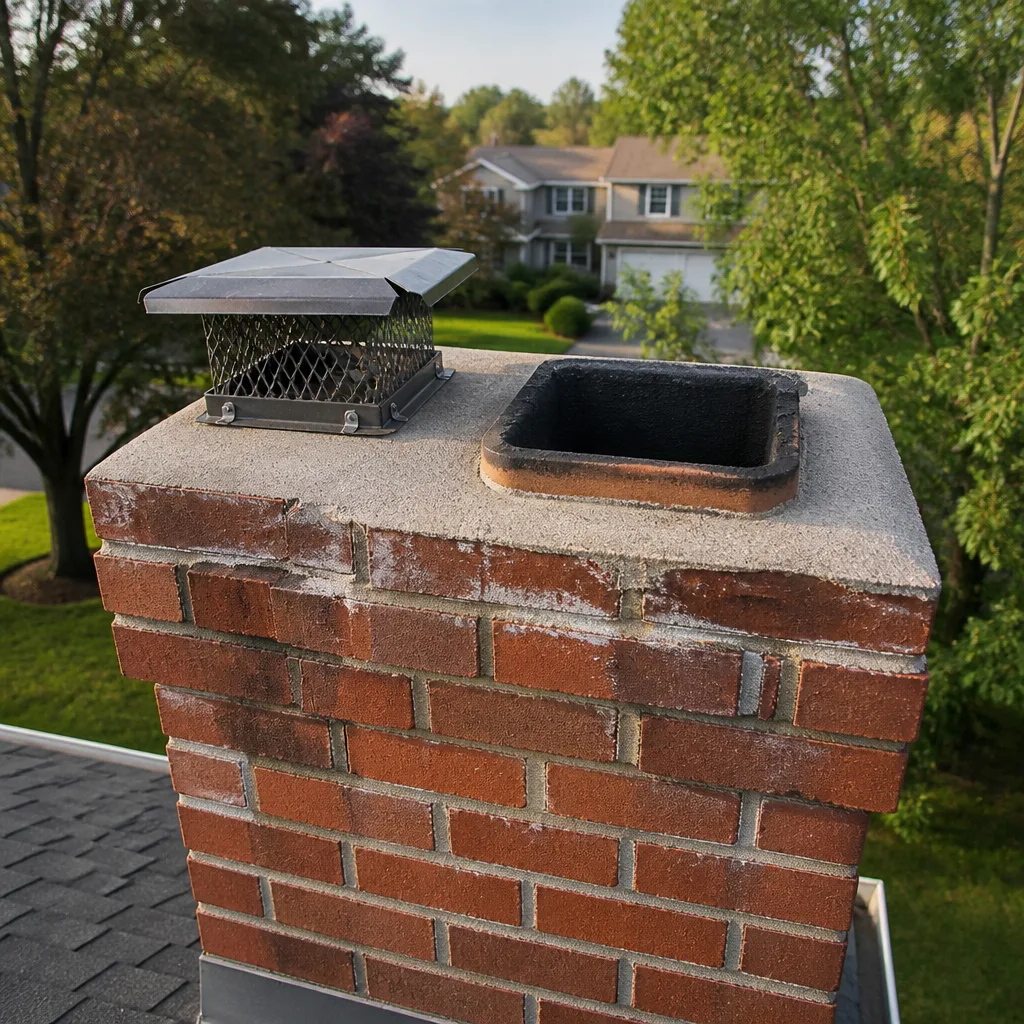
 Caps & crowns
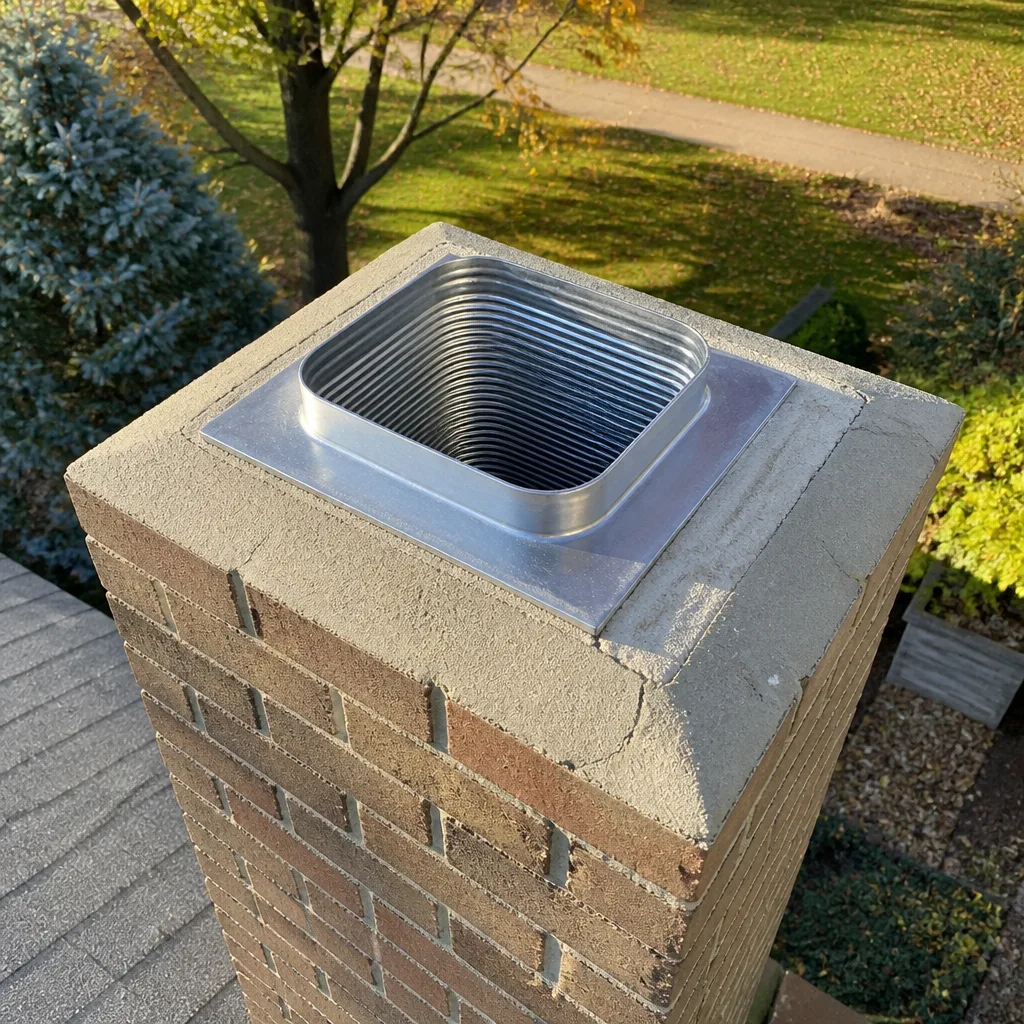 Flue relining
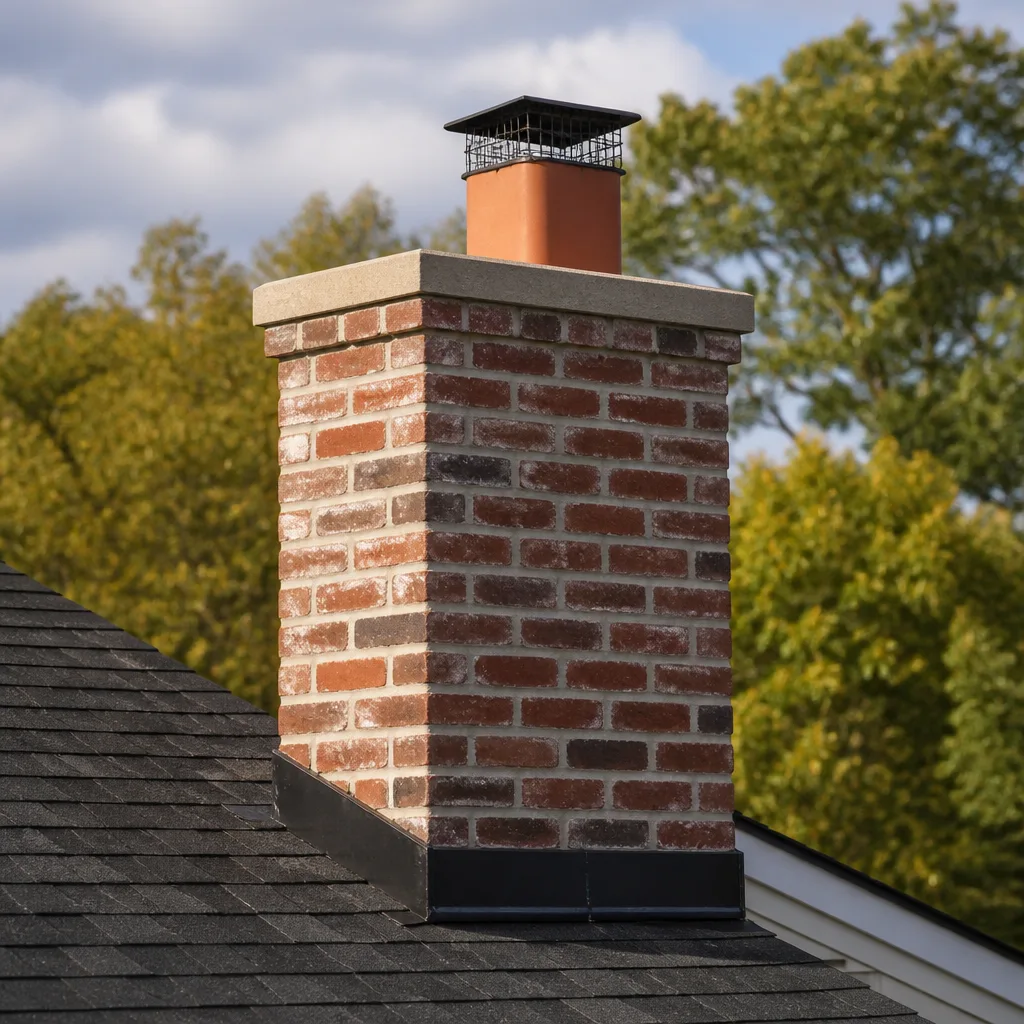 Masonry repair
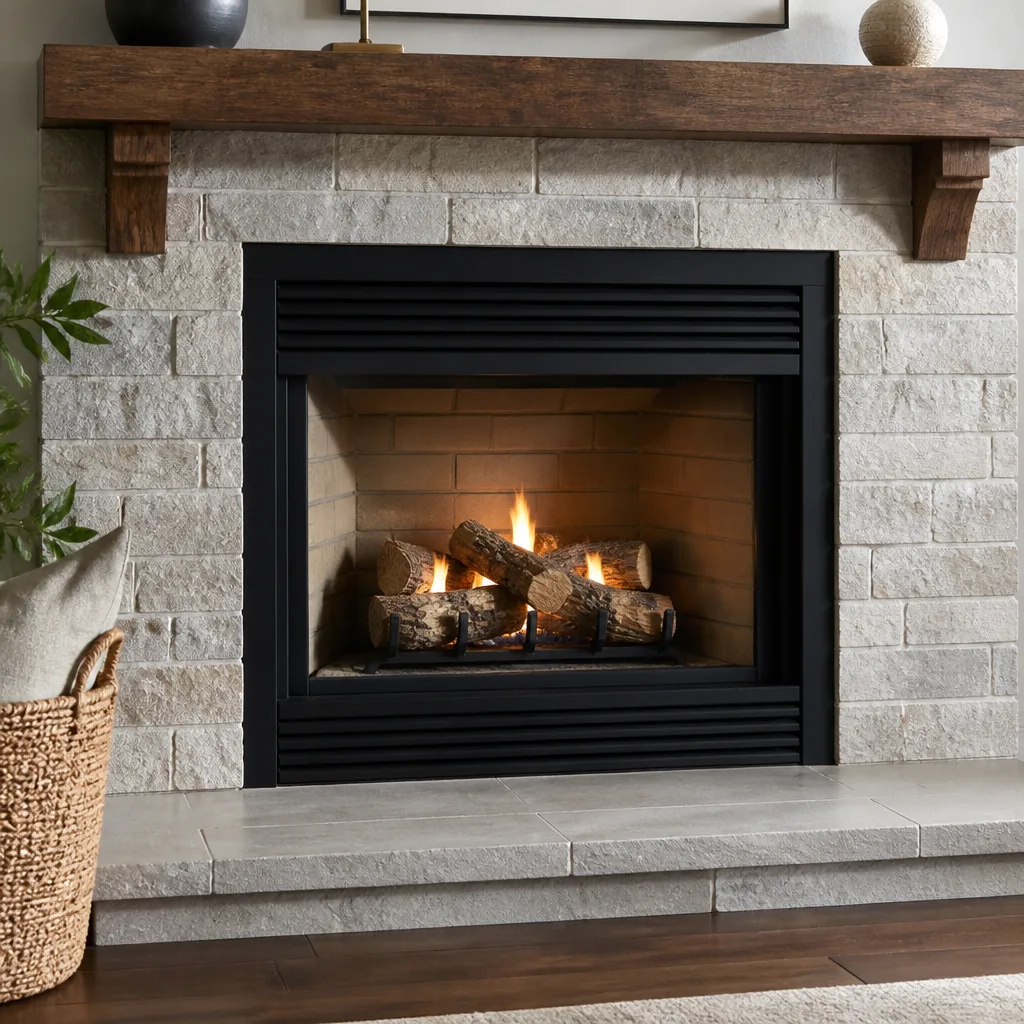 Gas fireplace service
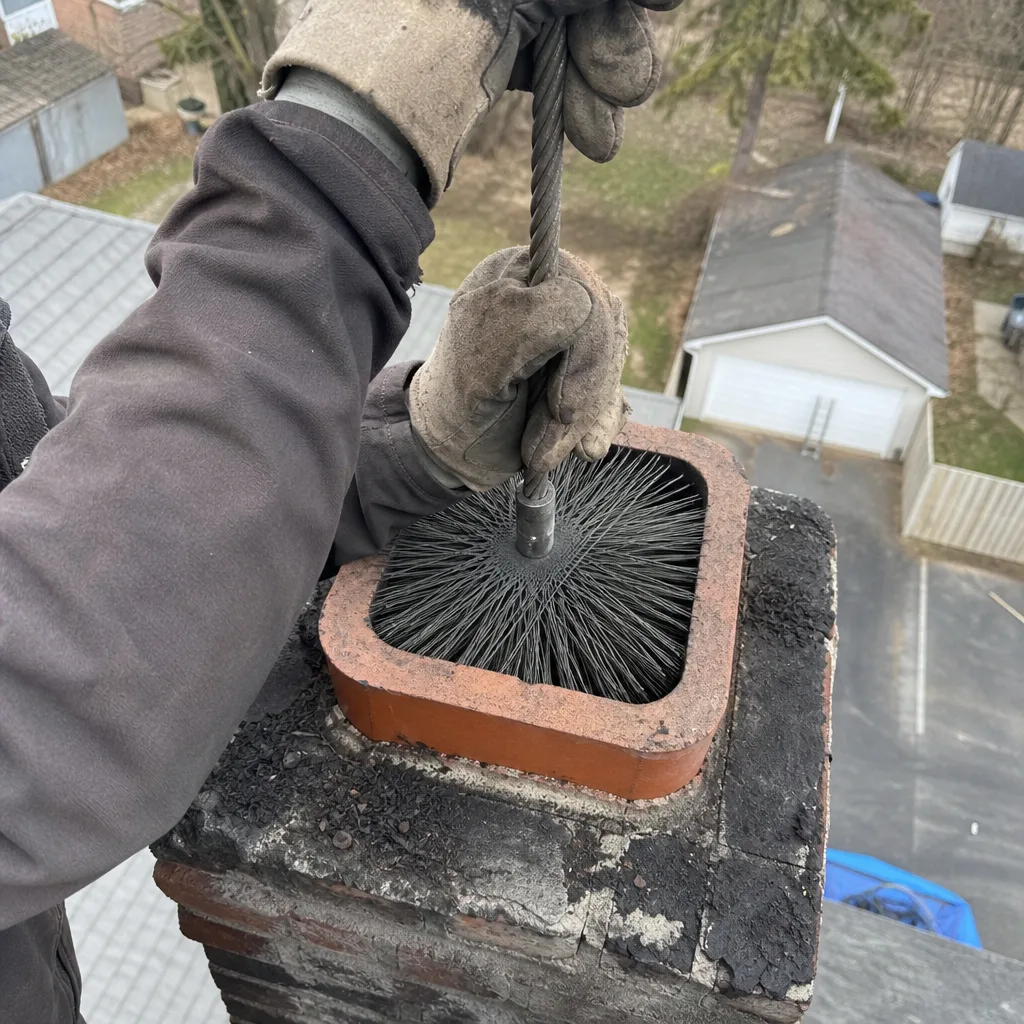
Level 1 sweep and inspection to the NFPA 211 annual standard - flue, crown, cap, and flashing checked and photographed
Chimney sweep logs do not sweep chimneys. They loosen some creosote - which then falls where a brush and vacuum still have to collect it.
Choosing the Right Chimney Cleaning Brand: A Buyer’s Guide for Syracuse
Most homeowners vet a chimney contractor by asking for a license and a price. That misses the question that actually separates a real repair shop from a brush-and-leave operation. If someone tells you they’ll “reline your chimney” but can’t say whether they’re using a rigid stainless alloy system, a flexible liner, or a castable resurfacing product like HeatShield, and can’t explain why that choice fits your flue, they don’t have the product knowledge to do the job correctly. This guide names names. We walk through the liner, creosote, cap, crown and sealant products that professional chimney work depends on, what each one does, and how knowing them turns you into a sharper buyer in Syracuse.
Quick Answer
The right chimney brand is the one whose technicians can name the specific liner, resurfacing, cap and crown materials they use and explain why they fit your flue. In practice that means asking for product names like DuraFlex, HeatShield, Gelco, Olympia Chimney, Famco or Copperfield, then checking that the answer matches your chimney’s condition and liner type. Brand transparency is a faster vetting tool than any credential alone.
Styles & brands we work with
- Sweep & inspection
- Caps & crowns
- Flue relining
- Masonry repair
- Gas fireplace service
Table of Contents
- Why Chimney Product Brands Matter More Than You Think
- Liner Systems: Rigid, Flexible, and Castable Resurfacing
- Creosote Removal Products and What They Tell You
- Caps and Chase Covers in a Syracuse Freeze-Thaw Climate
- Crown Repair: Elastomeric Sealants vs. Cement Patching
- How to Use Brand Knowledge as a Vetting Tool
- Why One Company for Sweep, Repair, and Dryer Vent Matters
- What Syracuse Chimneys Face Every Winter
Why Chimney Product Brands Matter More Than You Think
In most trades, brand names are marketing. In chimney work, they’re closer to a competency test. That’s because the chimney industry has a small number of professional-grade product lines, and the contractors who buy them are the ones doing full-system work rather than sweeping and leaving. A company that sources from Olympia Chimney or Copperfield, or that applies HeatShield for flue resurfacing, has made a decision to stock real materials instead of improvising with whatever’s at the hardware store.
Here’s the practical difference. A maintenance-only sweep crew cleans the flue and hands you a receipt. A repair-capable contractor looks at the same flue and can tell you whether the liner is sound, whether the crown is failing, whether the cap is letting water in, and what material fixes each problem. The product names are the evidence that they can actually do the second thing.
For a Syracuse homeowner, this matters because our winters are hard on chimney systems. Freeze-thaw cycles, snow load on caps, and long heating seasons all stress masonry and metal components. When something fails, you want a contractor who knows the difference between a galvanized cap that’ll rust in a few seasons and a stainless one built to last. That knowledge shows up in the brands they name.
- Maintenance-only crews clean and refer out anything structural.
- Repair-capable contractors name their liner, resurfacing and cap products and explain the choice.
- Brand transparency is a fast filter: if they can’t name products, ask why.
Liner Systems: Rigid, Flexible, and Castable Resurfacing
Relining is the biggest-ticket chimney repair most homeowners face, and it’s where brand knowledge pays off most. There are three broad families of liner product, and each fits a different situation. A contractor who only knows one of them will push that one on every job.
Rigid stainless alloy liners
Rigid stainless systems from makers like Rockford or Security Chimneys are sectional metal liners that hold their shape inside a straight flue. They’re a strong choice for a masonry chimney with a clean, straight run and no offsets. Rigid liners offer good structural integrity and smooth airflow, but they don’t bend around corners, so they’re a poor fit for chimneys with angle offsets or irregular flues.
Flexible stainless liners
Flexible stainless systems like DuraFlex or Flexco are corrugated or smooth-wall liners that bend through offsets and follow the shape of an older flue. We use DuraFlex flexible liner systems, a recognized standard in professional chimney relining. Flexible liners are the workhorse for older Syracuse homes where the flue isn’t perfectly straight, and they can be insulated to improve draft and reduce creosote buildup.
Castable resurfacing
Castable resurfacing products like HeatShield or Cast-Tite are applied as a coating inside the existing flue to restore a deteriorated clay liner without tearing it out. This is the option that gets overlooked. HeatShield is a flue resurfacing product, not a liner replacement, and that distinction matters for older masonry systems that have a sound structure but a cracked or spalled clay interior. When a flue qualifies, resurfacing can restore it without the cost and disruption of a full rebuild.
Here’s the vetting point: when you ask “what liner will you use and why,” a knowledgeable contractor will ask you about your flue’s shape, condition and appliance before answering. A contractor who names one product no matter what hasn’t looked closely enough.
Creosote Removal Products and What They Tell You
Creosote is the residue that builds up inside a flue as wood smoke cools. It comes in stages, and the later stages are the dangerous ones. Standard brushing handles light, flaky creosote well. But glazed, hardened stage-three creosote is a different problem, and a contractor who doesn’t know the products made for it has a gap in their training.
Poultice Creosote Remover, often called PCR, is a chemical product designed to soften and break down glazed creosote so it can be removed. It’s not a substitute for brushing; it’s a supplement for the stubborn deposits brushing alone won’t touch. A contractor who knows PCR exists, and knows when to reach for it, is signaling that they understand creosote chemistry rather than just running a brush down the flue.
Why this matters in Syracuse: long, cold heating seasons mean more fires and more creosote accumulation than in milder climates. A wood-burning household here can build up glaze faster than the homeowner expects. When a sweep finds glazed creosote, the professional response is to explain the stage, recommend the right removal approach, and tell you what it means for your burning habits going forward. The product knowledge is a proxy for the diagnostic skill.
- Stage one creosote is flaky and soot-like; standard brushing removes it.
- Stage two is crusty and harder; brushing plus care is usually enough.
- Stage three is glazed and hardened; it needs chemical softening like PCR or it stays put.
If a contractor can’t tell you which stage they found and what they’ll use on it, that’s your answer about their depth.
Caps and Chase Covers in a Syracuse Freeze-Thaw Climate
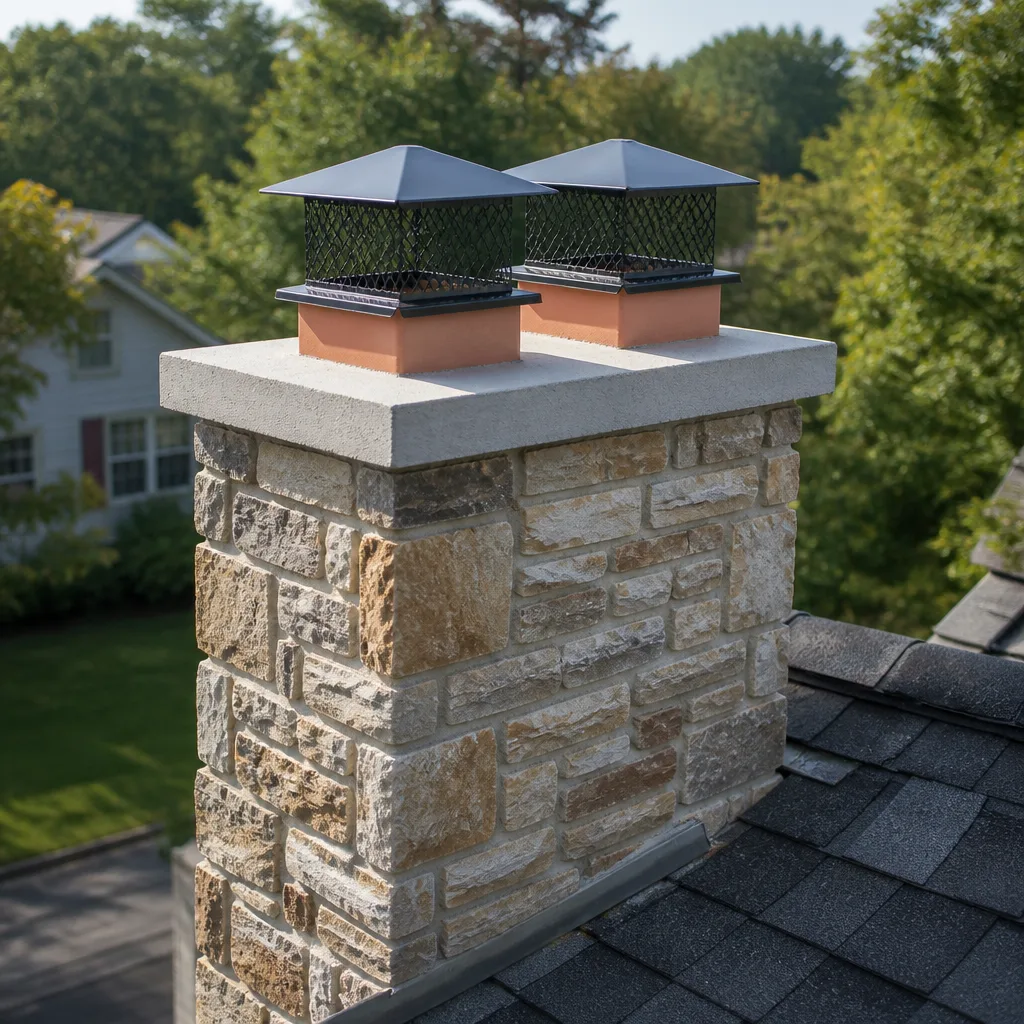
The cap on top of your chimney is small and unglamorous, and it’s one of the most important pieces of the whole system. A cap keeps rain, snow, animals and debris out of the flue. When it fails, water gets in, and water is the enemy of every chimney. In a place like Syracuse, where freeze-thaw cycles repeat all winter, a cap that lets moisture in is a cap that’s setting up bigger repairs down the line.
Cap and chase cover materials matter more here than in a mild climate because of what repeated freezing and thawing does to metal and masonry. Galvanized steel caps are common and inexpensive, but the zinc coating wears and rust begins, especially where water pools or snow sits. Stainless steel caps resist rust far longer, which is why they’re the professional-grade choice for a climate that keeps the freeze-thaw cycle running for months. Copper caps carry the longest lifespan of the three and develop a patina over time, at a higher upfront cost.
We source caps, covers and ventilation components from brands like Gelco and Famco, plus Olympia Chimney and Copperfield, so homeowners get components they can look up themselves rather than mystery parts. A cap from a known manufacturer carries name-brand accountability: you can read the spec, check the material, and understand what you’re paying for.
- Galvanized steel: lowest cost, shortest lifespan in freeze-thaw conditions.
- Stainless steel: strong middle ground, resists rust, good for Syracuse winters.
- Copper: longest lifespan, higher cost, ages to a patina.
When you get a quote for a cap or chase cover, ask what metal it is and who makes it. That one question tells you whether you’re buying a part built to last or one that’ll be rusting in a few seasons.
Crown Repair: Elastomeric Sealants vs. Cement Patching
The crown is the concrete slab on top of the chimney that sheds water away from the masonry below. A cracked crown is one of the most common chimney problems, and how it’s repaired determines whether the fix lasts or comes back. There are two main approaches, and the material choice is the difference.
Portland cement patching is the traditional method: a cement-based mortar fills the crack. It works, it’s affordable, and it’s appropriate for certain repairs. But cement is rigid, and the crown moves as the chimney expands and contracts through Syracuse’s temperature swings. A rigid patch on a slab that flexes can crack again. That’s not a knock on cement; it’s a mismatch between a rigid material and a moving structure.
Elastomeric sealants, including products like CrownCoat, are flexible coatings or repair materials designed to move with the crown. They bridge cracks and stay watertight through expansion and contraction. For a crown that’s flexing through freeze-thaw cycles, a flexible sealant is often the better match, and the repair holds longer because the material moves the way the crown does.
This is exactly the kind of decision a competent chimney contractor should explain rather than just pick. Ask why one method was chosen over the other. If the answer is “because that’s what I use,” keep looking. The material choice is what determines how long the repair lasts.
How to Use Brand Knowledge as a Vetting Tool
You don’t need to become a chimney expert to vet a contractor. You need one good question, asked at the right moment, and an ear for whether the answer makes sense. Here’s how that conversation goes in practice.
- Ask what liner product they use and why. A strong answer names the product (DuraFlex, HeatShield, a rigid system) and ties the choice to your flue’s shape and condition.
- Ask what they’ll do about glazed creosote if they find it. Mentions of PCR or chemical softening show they know creosote stages.
- Ask what metal the cap is and who makes it. Stainless vs. galvanized and a manufacturer name are signs of trade-grade sourcing.
- Ask how they’ll repair the crown and why. Flexible sealant vs. cement patching should come with a reason tied to movement.
- Ask them to show you what they find. A camera inspection and photo report means you see the evidence before you approve any repair.
These questions separate contractors who buy trade-grade materials from those who improvise. And they cost you nothing but a few minutes on a quote call. In our experience, a contractor who can name products and explain the reasoning is a contractor you can trust with the actual work; one who can’t is telling you something important before you’ve spent a dollar.
For a full-service chimney and venting specialist like us, answering these questions is straightforward because the brand names are built into how we work. When we quote a repair, we tell you the product and the reason. We show you what we find before we quote the fix, and the materials we use – DuraFlex, HeatShield, Gelco, Olympia Chimney, Famco, Copperfield – are ones you can research independently. Brand-name materials you can look up yourself; that’s the accountability angle, and it’s what you should expect from anyone quoting chimney work in Syracuse.
Why One Company for Sweep, Repair, and Dryer Vent Matters
Chimney work and dryer vent work share a surprising amount: both involve venting fire and heat safely out of a home, and both are leading household fire hazards when neglected. Most chimney companies handle one and ignore the other, leaving you to coordinate two contractors for your home’s fire-safety maintenance. We handle chimney sweeping, chimney repair, and dryer vent cleaning under one service relationship, and that scope has real advantages.
First, a single company sees your whole venting picture. The technician who sweeps the chimney can look at the dryer vent on the same visit and flag what needs attention. Second, you’re not chasing two schedules and two sets of paperwork. Third, repair capability means the sweep doesn’t turn into a dead end: if the flue or crown needs work, the same relationship covers it. Sweep, repair, dryer vent – one company, one call.
For a homeowner with an active fireplace or wood stove, and especially for anyone who inherited a neglected chimney, this matters. The point of annual maintenance is to catch problems early, and a company that sees the full system, structure and venting together, catches more than one that doesn’t.
What Syracuse Chimneys Face Every Winter
Chimney work is climate work, and Syracuse hands chimneys a demanding set of conditions. Long heating seasons mean more fires, more creosote, and more wear on components than a mild-weather climate produces. Repeated freeze-thaw cycles are the other big factor: moisture that gets into masonry or behind a failing cap freezes, expands, and works the cracks open wider. That’s why cap material, crown flexibility and watertightness aren’t cosmetic concerns here.
Older Syracuse housing stock adds another layer. Many homes have masonry chimneys with clay tile liners that have seen decades of heating. Those liners can crack or spall, and that’s exactly the situation where castable resurfacing like HeatShield can restore a flue without a full rebuild, provided the structure itself is sound. A contractor who knows the difference between “needs a new liner” and “needs resurfacing” can save you real money and disruption.
We’ve seen how often the right answer for a Syracuse chimney is a repair rather than a replacement. The brand knowledge is how we know. It’s also how you can tell, before you hire anyone, whether they do. For a closer look at how we put that knowledge to work, see our chimney sweep service. And if you’re starting to plan annual maintenance, our main page is a good place to begin at Chimney Sweep Syracuse.
Common Mistakes to Avoid
- Hiring on price alone. The cheapest sweep is often a brush-and-leave crew with no repair capability. When a problem turns up, you’re back to searching – and often paying more later.
- Not asking for product names. If a contractor can’t name the liner, cap, or crown material they’ll use, they may not have the product knowledge to do the job correctly. Ask before you book.
- Assuming a full reline is the only answer. A cracked clay liner sometimes qualifies for castable resurfacing like HeatShield rather than full replacement. A contractor who only knows one option may be selling you the wrong one.
- Ignoring the crown and cap. These small components are where water gets in, and water is the root of most masonry damage in Syracuse’s freeze-thaw climate. Have them checked, not assumed fine.
- Skipping the dryer vent. Dryer vents are a fire hazard most chimney companies ignore. If your annual chimney visit doesn’t touch the dryer vent, that’s an untended risk in your home.
- Accepting a repair with no evidence. If a contractor recommends thousands in work, ask to see the camera footage or photos. Reputable specialists show you what they find before quoting the fix.
- Believing a rigid patch will last on a moving crown. Cement patching on a crown that flexes through Syracuse temperature swings can crack again. Ask why the material was chosen.
See the difference
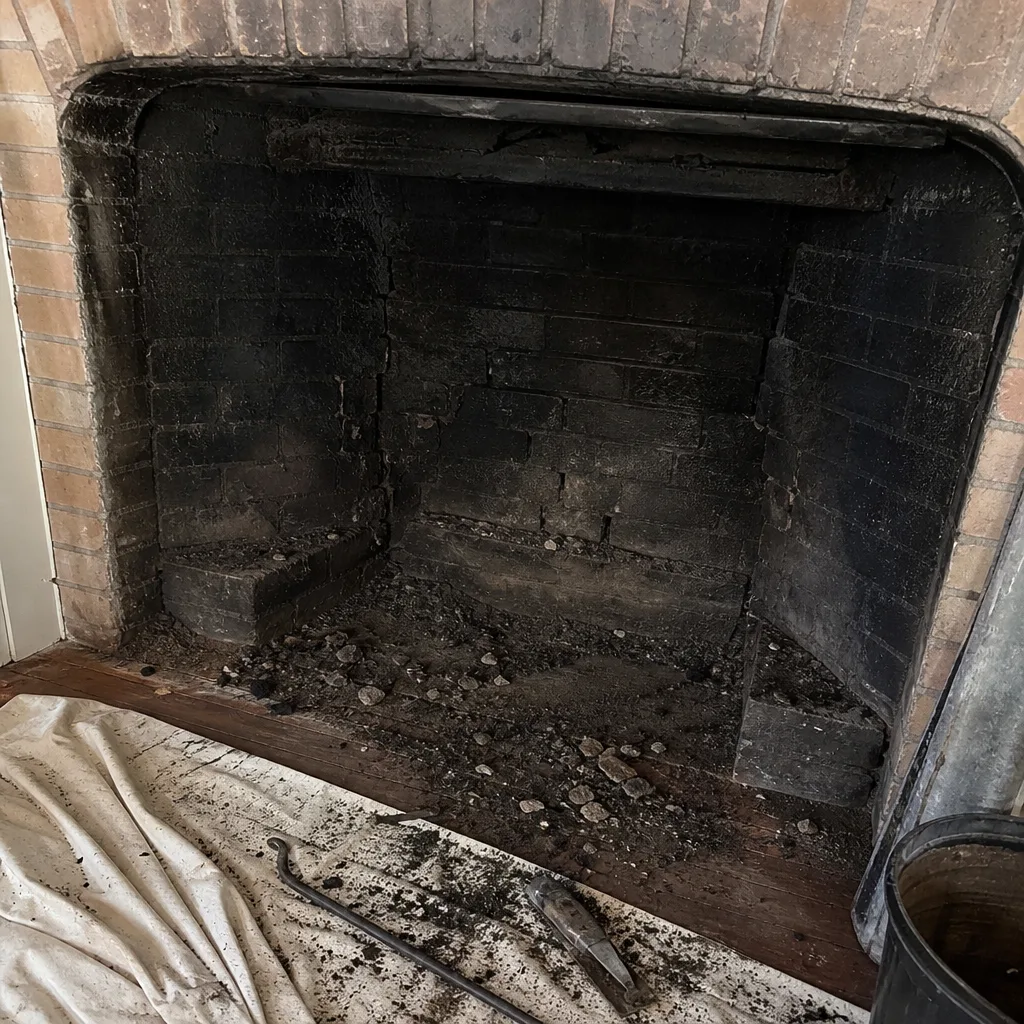 Before
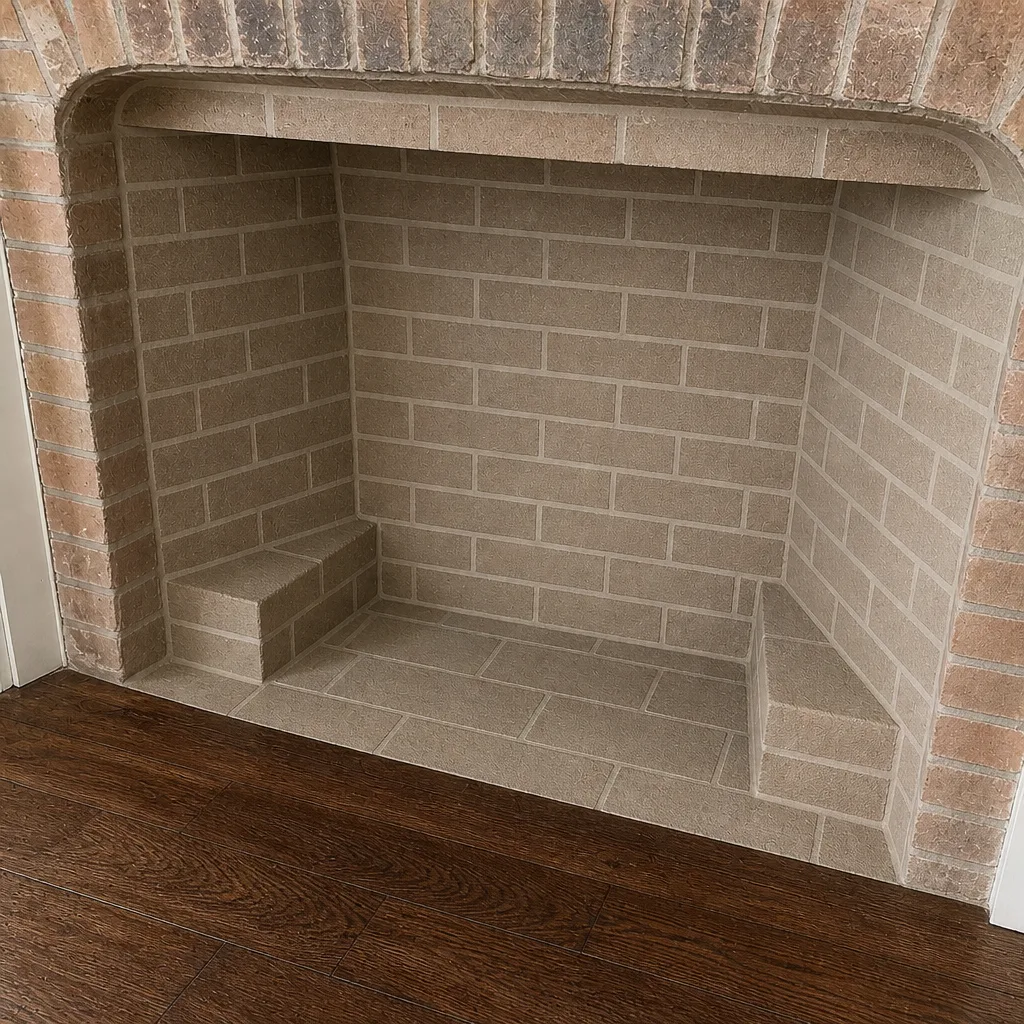 After
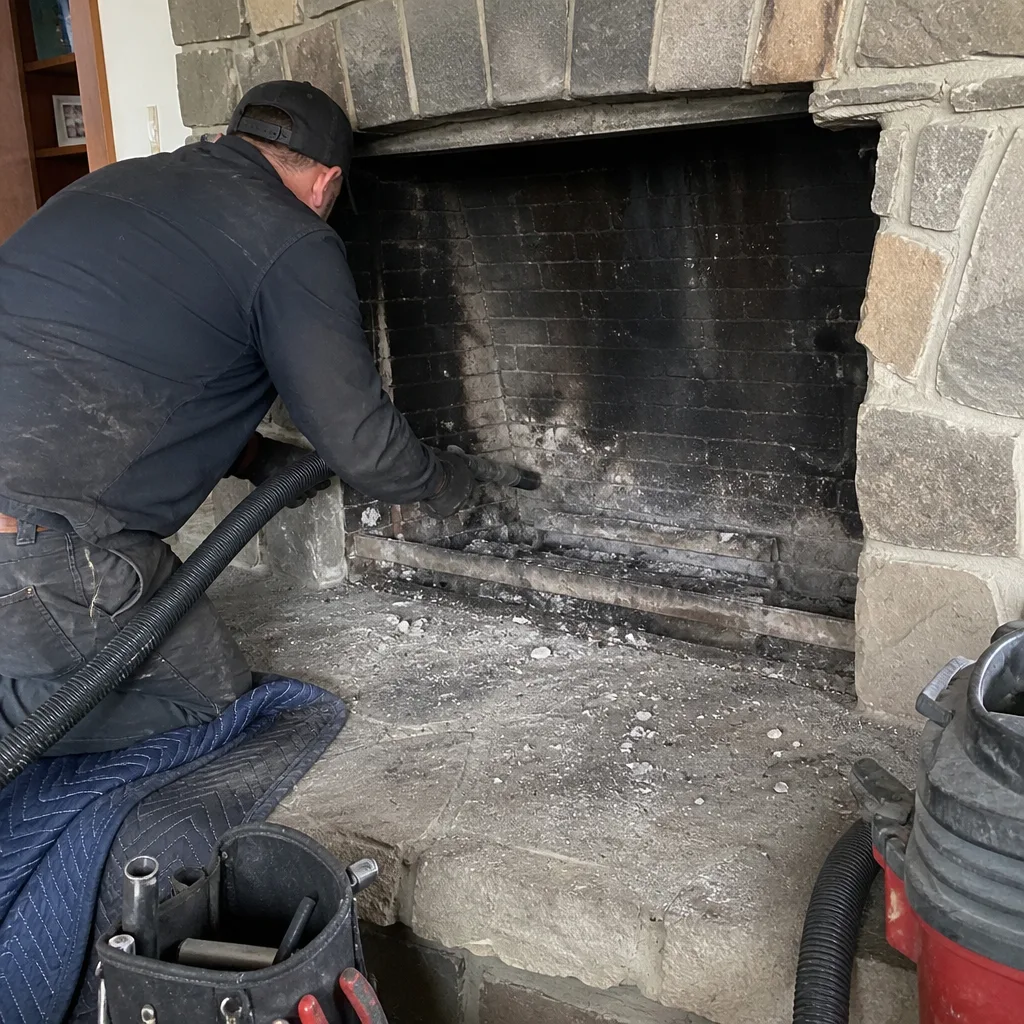 Before
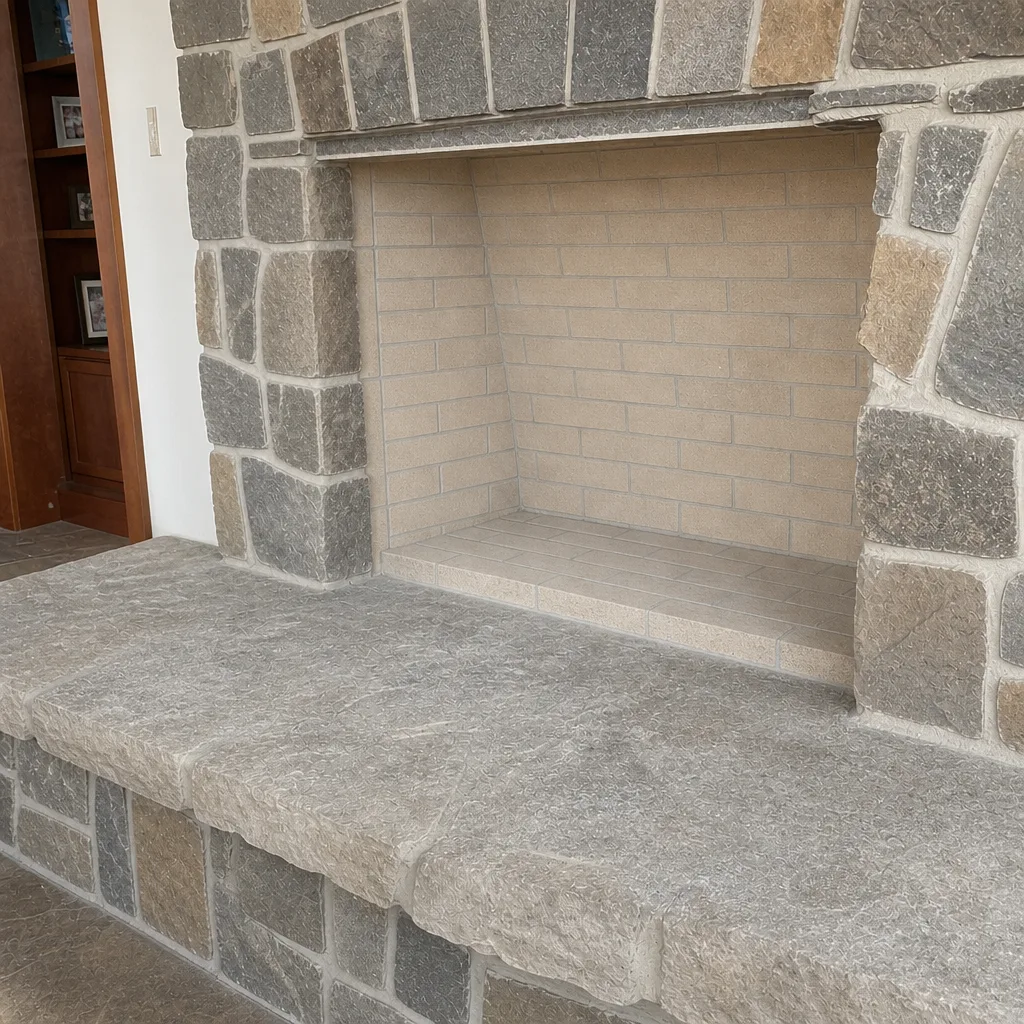 After
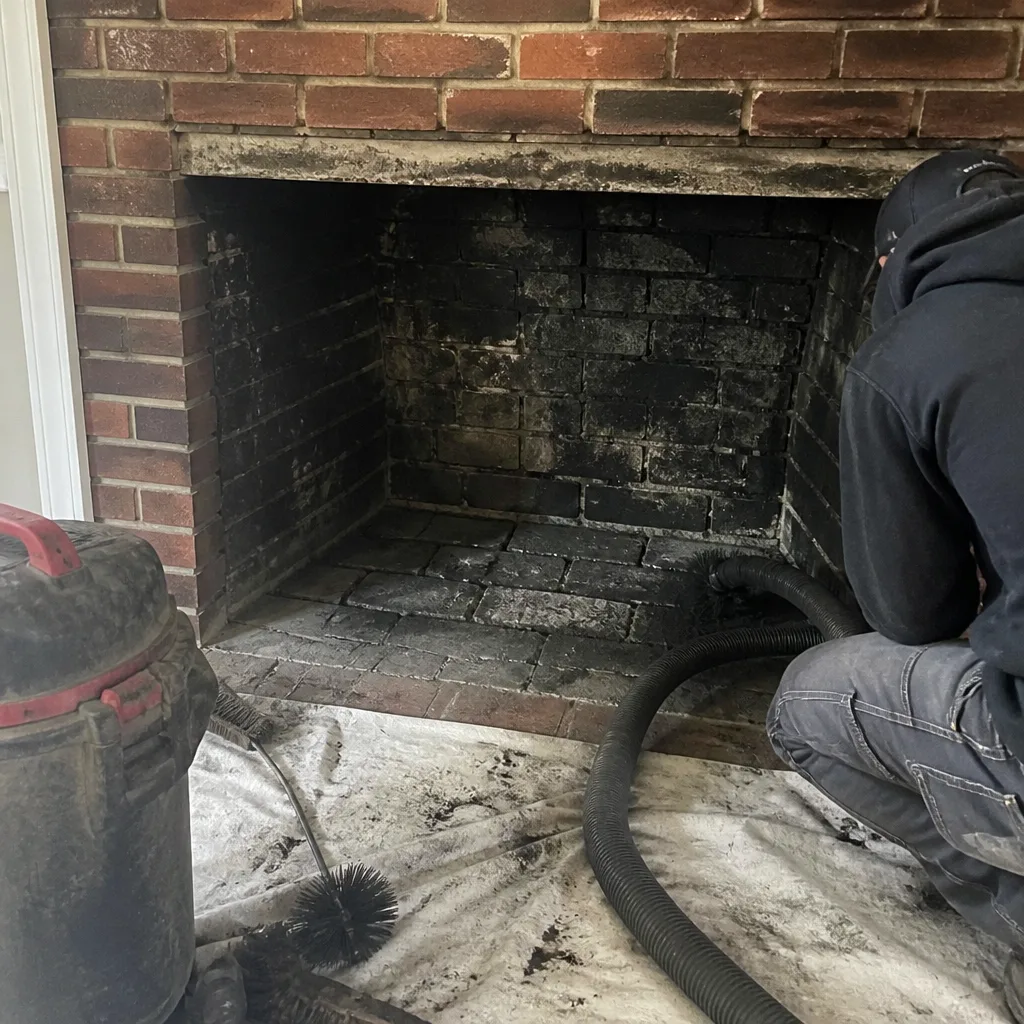 Before
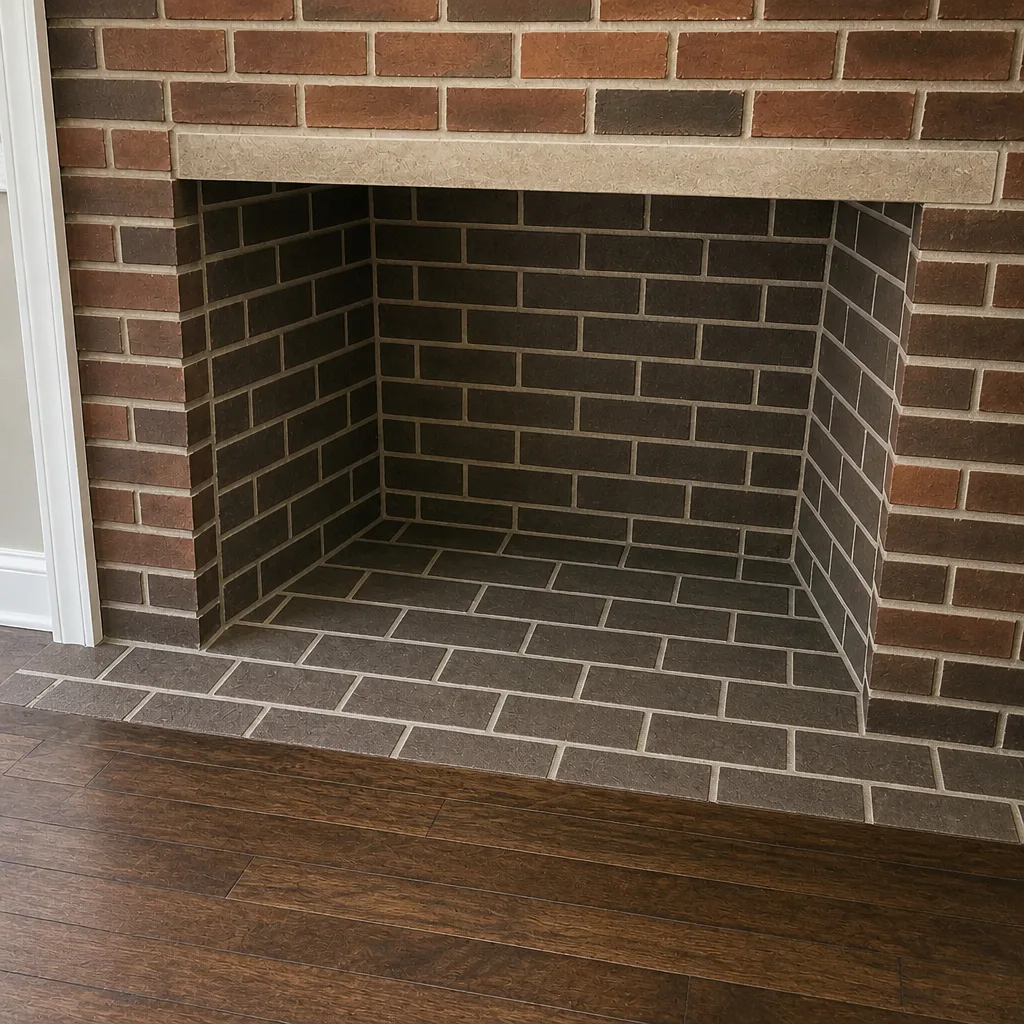 After
When to Call a Professional
Some chimney issues are safe to wait on; others aren’t. Call a professional when your annual sweep is due, before your first sustained cold snap of the season. Call if you’ve never had the chimney inspected and you’ve just bought a home with a fireplace or wood stove, since inherited chimneys often carry hidden liner or crown problems. Call if you notice a strong creosote smell, visible glaze inside the firebox, a cracked or crumbling crown, a missing or rusted cap, or water stains on the chimney or ceiling nearby. Gas appliances venting through the chimney warrant a check too. And call if you haven’t had the dryer vent cleaned in a while – it’s a fire hazard that’s easy to forget. For any of these, Chimney Sweep Syracuse offers free estimates in Syracuse – call (888) 395-8922. We show you what we find before we quote the fix, and we’re honest when a repair can safely wait.
Frequently Asked Questions
Ask what liner family fits your flue, then verify the product name. For older, irregular or offset flues, a flexible stainless liner like DuraFlex is the common professional choice. For a sound masonry chimney with a cracked clay interior, castable resurfacing like HeatShield may restore the flue without a full rebuild. The right answer depends on your flue’s shape and condition, not on a single “best” brand. A knowledgeable contractor will explain why one fits over another. Call (888) 395-8922 for an exact quote – estimates are free.
Chimney sweeping in Syracuse is priced per job by a written estimate, set after the technician sees your flue and ventilation setup, so the only honest answer is one that comes from a real look at your chimney. Light creosote takes less work than glazed stage-three deposits that need chemical softening, and that affects the scope. We set the price with a free estimate, and the written estimate sets the final price. Call (888) 395-8922 for an exact quote – estimates are free.
It depends on whether the flue structure is sound. Castable resurfacing like HeatShield restores a deteriorated clay liner when the chimney structure is intact, avoiding the cost and disruption of a full reline or rebuild. A flexible stainless liner like DuraFlex is the choice when the flue needs a new interior surface entirely or has offsets a rigid liner can’t follow. You should get camera evidence of the condition, not just a recommendation. Ask to see what the technician finds before you decide. Call (888) 395-8922 for an exact quote – estimates are free.
Most wood-burning chimneys need sweeping about once a year, and Syracuse’s long heating seasons make annual maintenance a sensible baseline. Households that burn heavily or see creosote buildup may need more frequent service. The stage of creosote found during a sweep is the best guide to frequency. A sweep who can identify creosote stages and knows products like PCR for glazed deposits will tell you what your burning habits mean for the next visit. Call (888) 395-8922 for an exact quote – estimates are free.
Creosote builds up and, at the glazed stage, becomes a chimney fire risk, while water intrusion past a failing cap or crown leads to masonry damage that gets more expensive the longer it sits. In a Syracuse freeze-thaw climate, small crown cracks widen through the winter, and a neglected dryer vent adds a separate fire hazard. Skipping maintenance doesn’t cause a problem every time, but it removes the early detection that keeps small issues small. Getting a free estimate is the low-cost way to know where your chimney stands. Call (888) 395-8922 for an exact quote – estimates are free.
Ask what specific products they use and why. A repair-capable company can name liner systems like DuraFlex, resurfacing products like HeatShield, and cap and crown components from brands like Olympia Chimney, Gelco, Famco or Copperfield, and can tie each choice to your chimney’s condition. A maintenance-only crew will refer out anything structural and typically can’t explain the material reasoning. The brand names are the tell. Call (888) 395-8922 for an exact quote – estimates are free.
The Bottom Line
Choosing the right chimney brand in Syracuse comes down to one habit: ask what product they use and why. The chimney industry’s professional-grade materials – flexible liners like DuraFlex, castable resurfacing like HeatShield, stainless and copper caps, flexible crown sealants, and components from Gelco, Olympia Chimney, Famco and Copperfield – are the evidence of real capability. A contractor who can name them and match them to your flue is a contractor you can trust. One who can’t is telling you something before you spend a dollar. Use the product names as your filter, and let the written estimate set the price.
We handle chimney sweeping, chimney repair and dryer vent cleaning under one service relationship, using brand-name materials you can look up yourself. Our technicians have up to experience. Call (888) 395-8922. We answer 24/7. Fast dispatch from 7am to 7pm, Sunday through Friday.
Written by the team at Chimney Sweep Syracuse.