
Last updated November 15, 2026
 Sweep & inspection
 Caps & crowns
 Flue relining
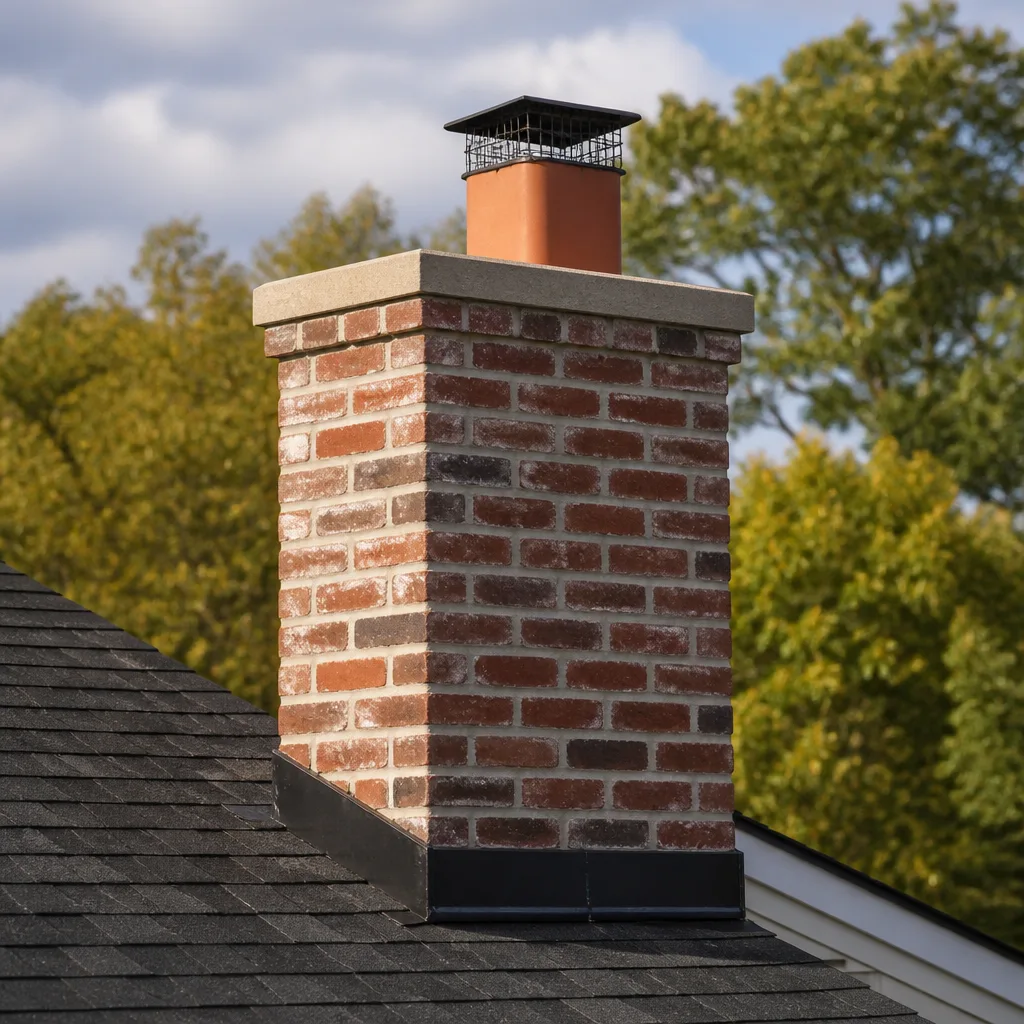 Masonry repair
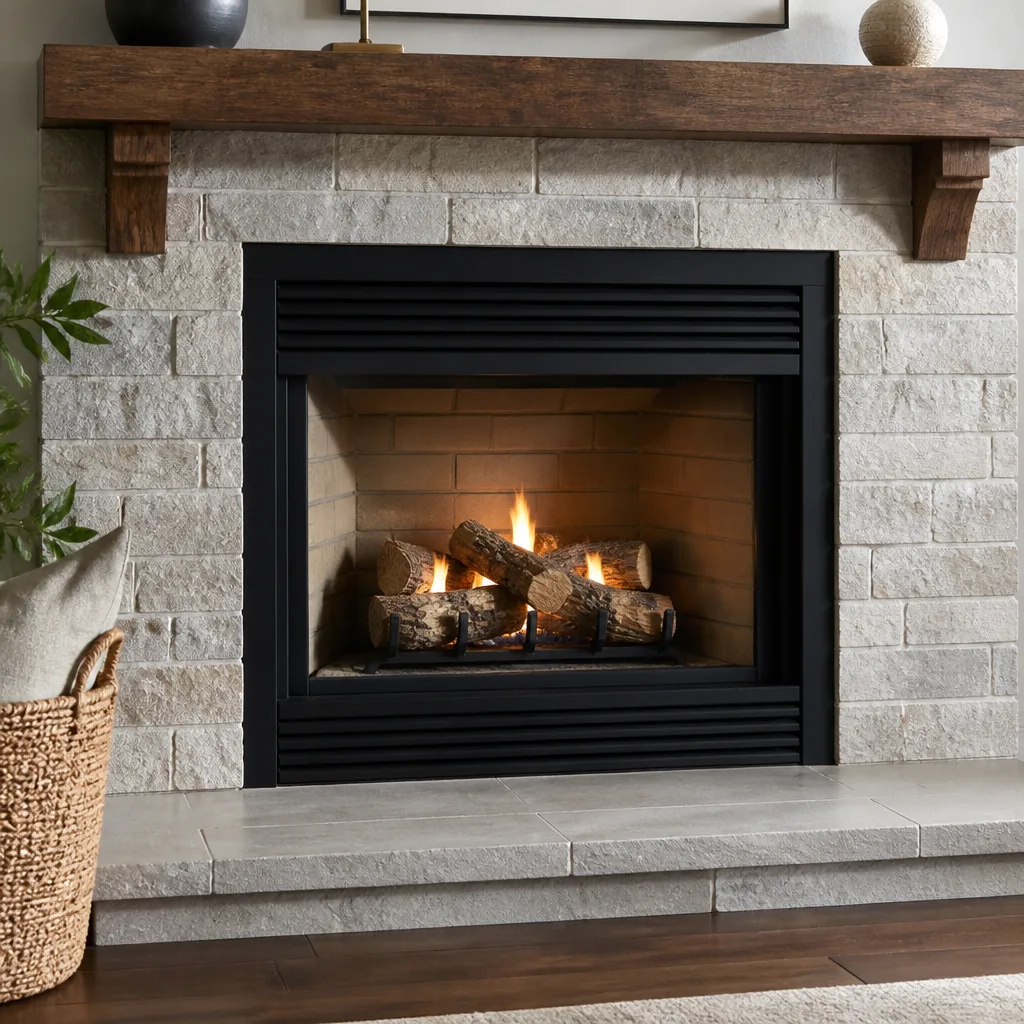 Gas fireplace service
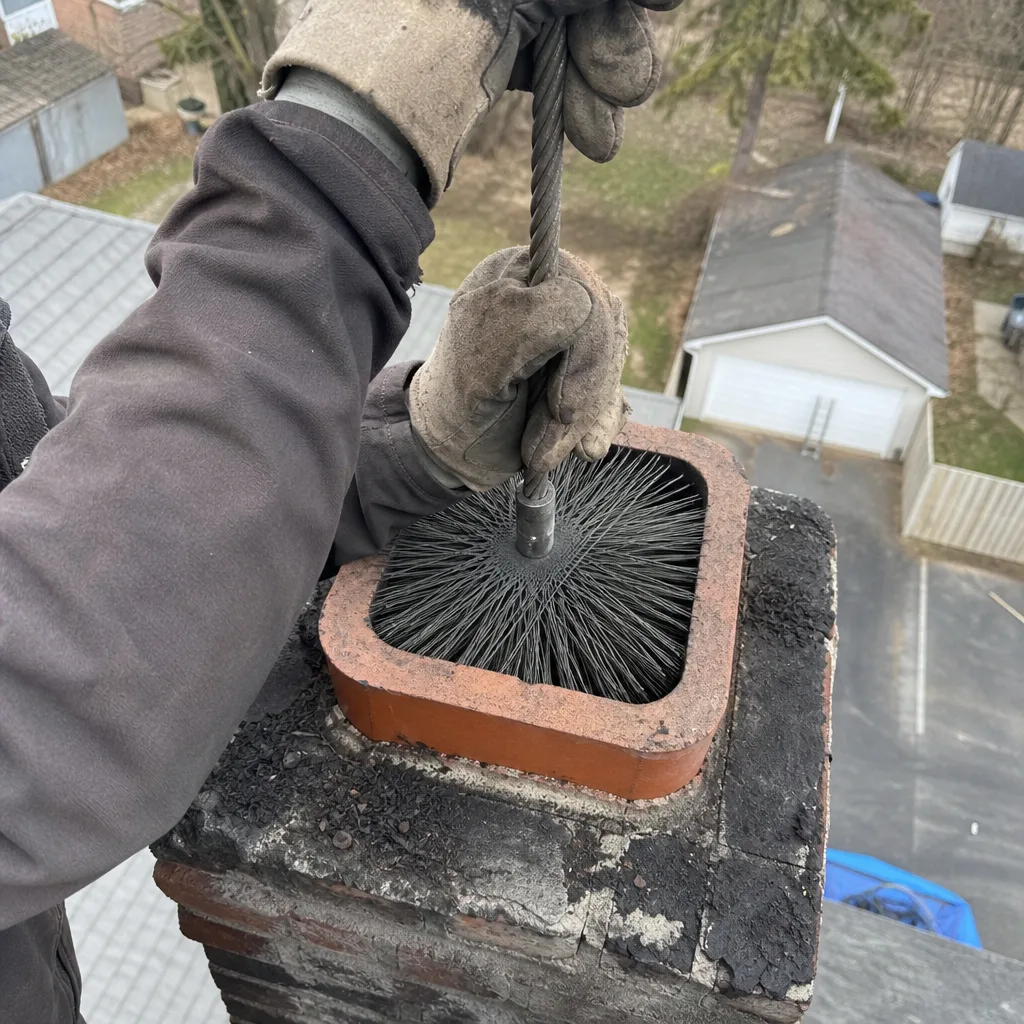
Level 1 sweep and inspection to the NFPA 211 annual standard - flue, crown, cap, and flashing checked and photographed
Chimney sweep logs do not sweep chimneys. They loosen some creosote - which then falls where a brush and vacuum still have to collect it.
The Complete Guide to Chimney Cleaning in Syracuse
The standard advice is to sweep your chimney once a year, and for most of the country that’s reasonable. But a chimney in Syracuse lives a harder life than the same chimney in a milder climate. Between the deep freezes, the freeze-thaw swings in March, the lake-effect snow that keeps a cap buried for weeks, and the long burn season that runs from October into April, your flue is under mechanical stress that a once-a-year rule of thumb doesn’t fully capture. This guide explains what a Syracuse winter actually does to masonry, tile, mortar, and metal, how gas, oil, and wood homes need different sweeping protocols, and what to look for before you hire anyone.
Quick Answer
Chimney cleaning in Syracuse means removing creosote and soot from the flue, then inspecting the whole system for the structural damage that our freeze-thaw winters cause. A proper visit does both: a sweep removes the fuel, an inspection finds the cracks, spalled tile, and open mortar joints that let heat reach framing. If you burn wood regularly, plan on a sweep and a Level 1 inspection every year, and a Level 2 camera inspection any time the chimney has changed, been damaged, or you’ve moved into a home with an unknown history.
Styles & brands we work with
- Sweep & inspection
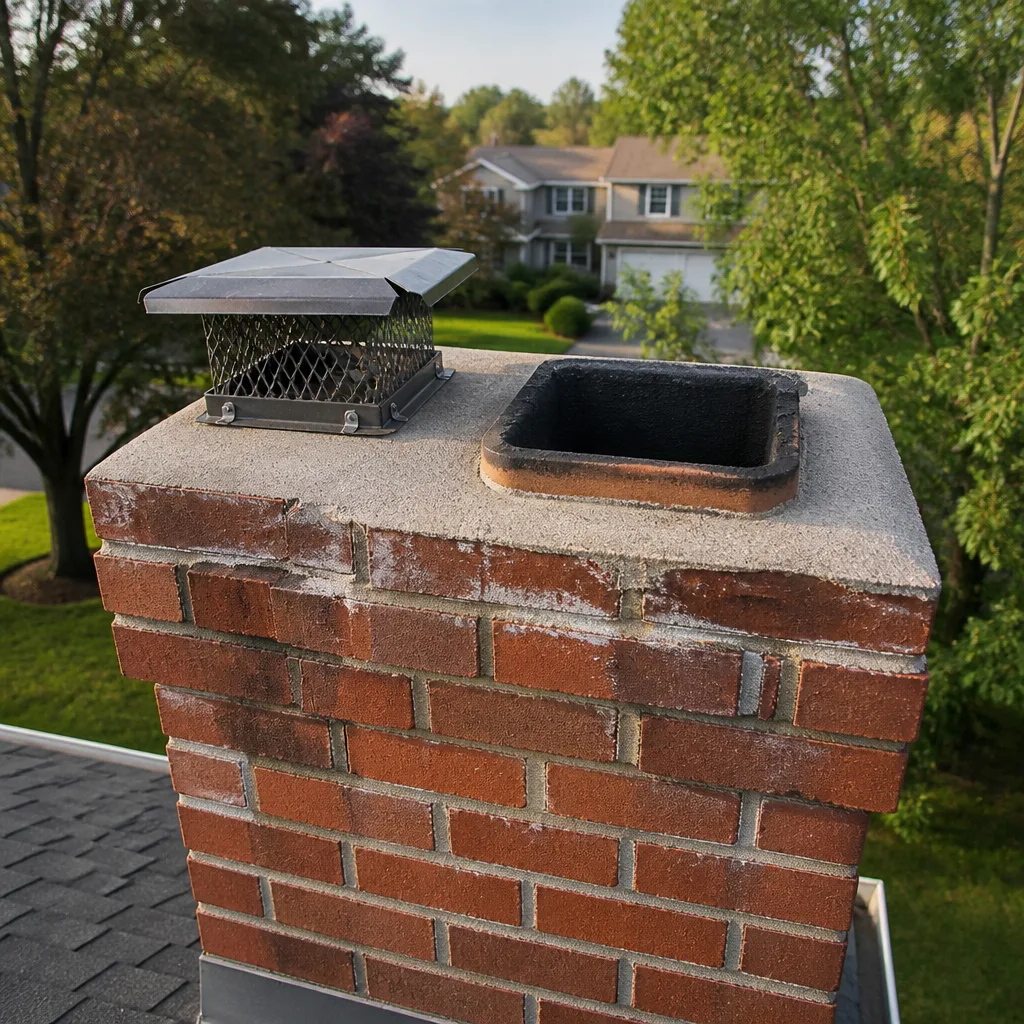
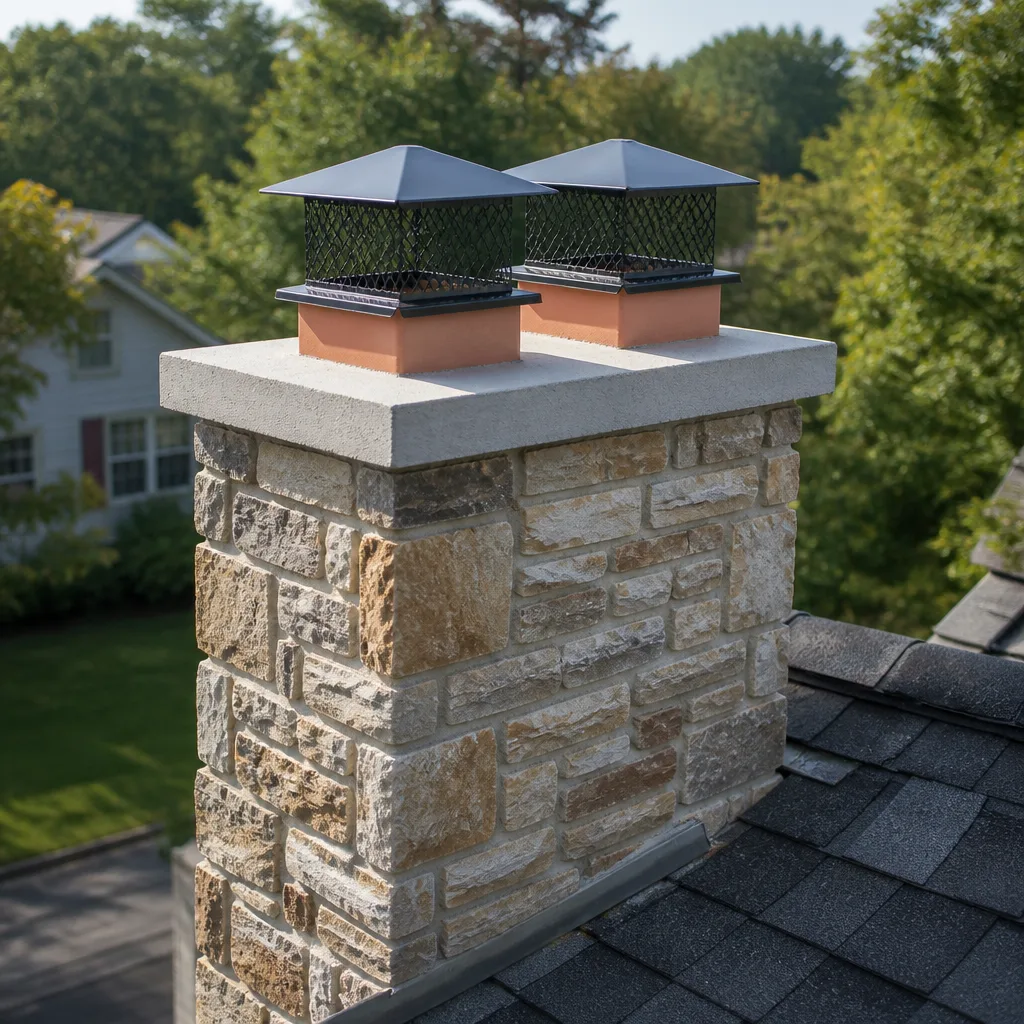
- Caps & crowns
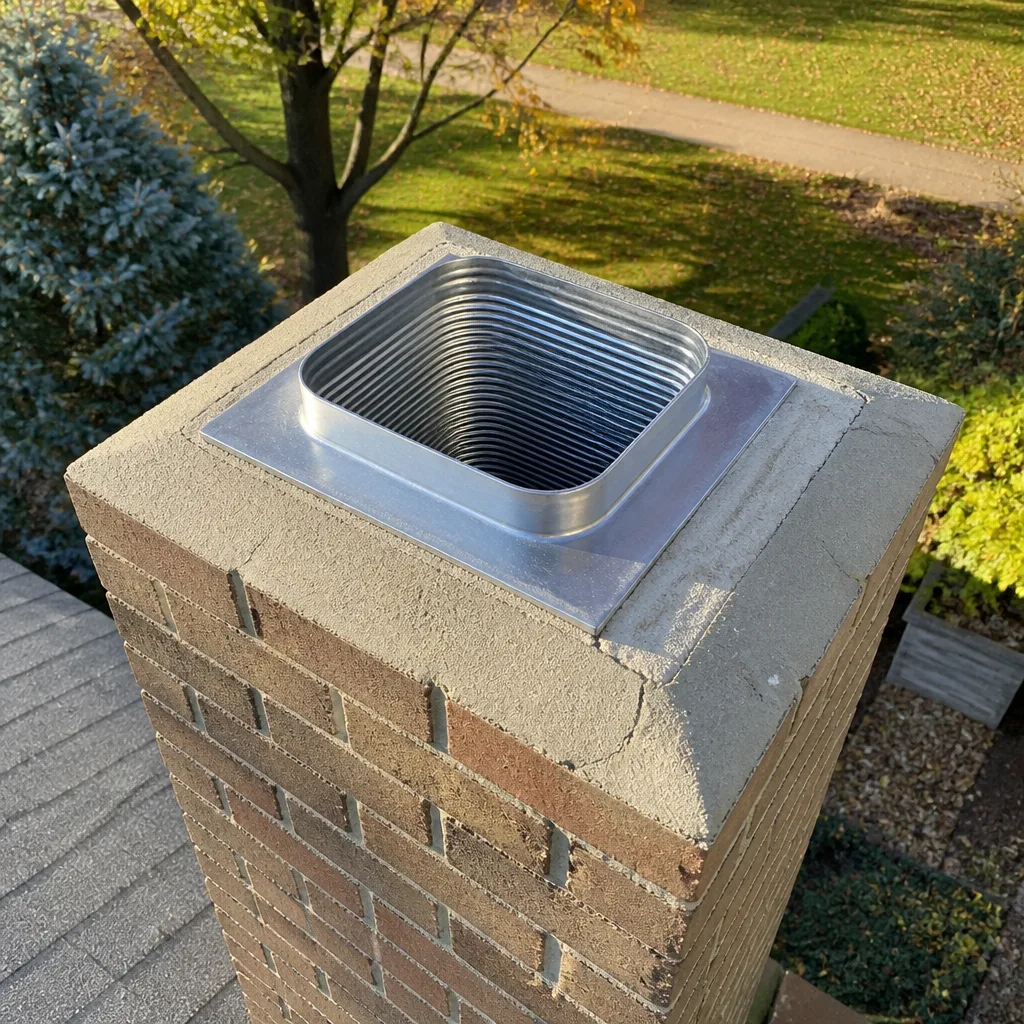
- Flue relining
- Masonry repair
- Gas fireplace service
Table of Contents
- How Syracuse’s Freeze-Thaw Cycle Damages Your Chimney
- Gas, Oil, and Wood: Why Sweeping Protocols Differ House to House
- Sweeping vs. Inspection: Two Different Jobs
- Level 1 vs. Level 2 Inspections and When Each Is Required
- What Brand-Name Materials Tell You About a Repair
- What Gets Fixed Same-Visit and What Needs a Separate Appointment
- The Dryer Vent Most Homeowners Forget
- When to Schedule Around a Syracuse Burn Season
How Syracuse’s Freeze-Thaw Cycle Damages Your Chimney
Creosote is the obvious enemy. The subtler one is water. Masonry is porous, and in Syracuse the temperature swings across the freezing point repeatedly through late fall, winter, and early spring. Water soaks into brick, mortar, and clay flue tile during a thaw, then freezes and expands when the temperature drops again. That expansion is powerful enough to push material apart from the inside.
Over a few seasons this shows up in specific ways that a warm-climate guide won’t prepare you for:
- Spalling flue tile. The inner face of a clay liner flakes and pits. Once the surface is compromised, the tile can crack, and a cracked tile lets heat and gases reach the surrounding masonry.
- Open mortar joints. The mortar between bricks erodes faster when it’s wet and freezing. Gaps in the joint let water travel deeper next season, which accelerates the whole cycle.
- Cracked crowns. The concrete cap at the top of the chimney is exposed to every freeze and thaw. A hairline crack becomes a channel for water straight into the structure.
- Damaged caps and screens. Heavy snow load and ice can crush or dislodge a cap, and a missing cap lets rain and snow straight down the flue.
This is why a Syracuse chimney that “looked fine” in October can have real problems by April. The damage accumulates quietly, mostly from water, and creosote removal alone won’t reveal it. That’s the difference between a cleaning and a real inspection, and it’s the core reason we treat the local climate as the primary variable in every visit.
Gas, Oil, and Wood: Why Sweeping Protocols Differ House to House
Not every chimney in Syracuse carries the same exhaust. The city’s housing stock includes wood-burning fireplaces and stoves, gas appliances vented through the chimney, and older oil-fired systems, sometimes in the same neighborhood and occasionally in the same house. Each one leaves a different residue and needs a different approach.
- Wood. Burning wood produces creosote, and how much depends on the wood’s moisture content and how the fire is run. A slow, smoldering fire builds creosote faster than a hot one. Wood chimneys need the most frequent sweeping, and a sweep is where we check for glaze-stage creosote that’s harder to remove.
- Gas. Gas appliances burn cleaner but produce water vapor and mild acidic condensate. That condensate is hard on masonry and metal over time, so a gas flue’s problems tend to be corrosion and deterioration rather than heavy soot. Clearing the flue is quicker; the inspection matters more.
- Oil. Oil-fired systems leave soot and can produce sulfur residues that attack the liner. An oil flue needs its own look, separate from a wood flue in the same structure.
This is why a single method can’t fit every house. Before we sweep, we want to know what’s been burned and for how long. A home that switched from wood to gas a decade ago may still have old creosote sitting under newer corrosion, and a flue that looks clean from the bottom can be hiding a glaze layer higher up. In our experience, the fuel history is often the most useful thing a homeowner can tell us.
Sweeping vs. Inspection: Two Different Jobs
People use “chimney cleaning” to mean both, and that’s where the confusion starts. They’re separate tasks that answer separate questions, and you need both.
- Sweeping removes the combustible material: soot, creosote, and debris. It answers “is there fuel in the flue that could catch fire?” It’s mechanical, and it’s the part most people picture.
- Inspection finds structural failure: cracked or spalled tile, open mortar joints, a compromised crown, a failing liner, or gaps where the chimney meets the house. It answers “can this chimney safely contain a fire and vent exhaust?”
A sweep without an inspection is a false sense of security. A flue can be spotless and still be unsafe because the liner has cracked. The reverse is also true. An inspection that skips the sweep misses how much creosote is actually there and how hard it is to remove. We do both in the same visit so that the picture is complete: what’s burning, and what’s holding it.
At the end of a visit, we show you what we found before we quote the fix. If a camera goes up the flue, you see the footage. When someone tells you your liner is failing, the evidence should be something you can look at yourself, not a claim you have to take on faith.
Level 1 vs. Level 2 Inspections and When Each Is Required
Chimney inspections follow a standard published by the National Fire Protection Association, NFPA 211, which defines three levels. Two of them cover almost everything a homeowner will face.
- Level 1. A visual check of the accessible parts of the chimney and venting, done with the usual tools, without dismantling anything. This is the routine annual inspection when the appliance and chimney are unchanged and you’ve had regular service.
- Level 2. Everything in a Level 1 plus a video camera scan of the flue interior, and access to areas that a basic check can’t see. A Level 2 is what you want after a chimney fire, after any event that may have damaged the chimney, when a different appliance or fuel is being connected, when you’ve moved into a home with an unknown chimney history, or when a Level 1 turns up something that needs a closer look.
After a Syracuse winter, the Level 2 is often the more useful inspection, precisely because the freeze-thaw damage we described happens inside the flue where a visual check from the firebox can’t reach. A camera scan shows you the tile and joints from top to bottom. If you’ve just bought a house, or you don’t know when the chimney was last serviced, treat a Level 2 as the starting point rather than the upgrade.
We can’t tell you your specific city’s rules for permits on repair work, so if a rebuild or liner replacement is on the table, confirm the permit requirements with your local building department. That’s the homeowner’s call and it’s worth making before work starts.
What Brand-Name Materials Tell You About a Repair
When a chimney needs more than a sweep, the materials matter as much as the labor, and you should be able to research them yourself. Repair-capable work means the person who inspected your chimney can also restore it, using known products rather than mystery parts.
For flue relining, we use DuraFlex flexible liner systems, a recognized standard in professional relining. For older masonry flues that have spalled or cracked but don’t need a full rebuild, HeatShield flue resurfacing restores the interior in place. That distinction is real: HeatShield treats a flue that needs restoration, while a liner is a different solution for a different problem. Knowing which one fits your chimney is the difference between a repair that lasts and one that’s patched to pass a look-over.
Above the flue, the system includes caps, covers, and exterior venting components from Famco, Copperfield, and Olympia Chimney. A cap isn’t a small detail in Syracuse: it’s the shield that keeps snow and rain out of the flue in the first place, and a good one prevents much of the freeze-thaw damage we spend the rest of this guide talking about. Full-system attention means the top of the chimney gets the same scrutiny as the firebox.
What Gets Fixed Same-Visit and What Needs a Separate Appointment
Homeowners want to know what a visit will actually accomplish. Some problems can be handled while we’re there; others need a scheduled structural appointment with materials ordered for your chimney.
Usually handled in the same visit:
- Removing soot, creosote, and debris from the flue.
- Clearing a blocked flue or a nest or debris cap.
- Replacing or reseating a damaged cap, screen, or cover.
- Small crown repairs and sealing minor gaps around the flashing or cap.
Usually needs a separate appointment:
- Liner replacement or HeatShield resurfacing, which is measured and fitted.
- Rebuilding a chimney section where the masonry has failed.
- Any repair that requires ordering a specific DuraFlex or Famco component for your size and setup.
We tell you which category you’re in before any work begins, and what it will take to finish the job. Nothing gets recommended without evidence you can see, and if a repair can safely wait until after burn season, we’ll say so. A chimney that needs a liner isn’t an emergency the day you learn about it, but it isn’t something to leave for next winter either.
The Dryer Vent Most Homeowners Forget
A chimney visit is a good moment to think about the other hidden vent in the house. A clogged dryer vent is one of the leading causes of household fires, and lint builds up in the duct the same way creosote builds up in a flue: slowly, out of sight, until there’s enough fuel to matter. Most chimney companies don’t clean them, which means the vent gets checked by nobody.
We handle dryer vent cleaning alongside chimney work so both fire-safety systems in the house get professional attention in one relationship. The signs are easy to miss: clothes that take longer and longer to dry, a dryer that feels hot to the touch on top, or a vent flap outside that barely moves. If you can’t remember the last time the duct was cleared, it’s worth adding to the visit.
When to Schedule Around a Syracuse Burn Season
Timing matters more here than in most places. Once the burn season starts and the stove is running daily, a chimney fire risk is highest and scheduling gets tighter.
- Late summer into early fall. The best window for a sweep and inspection, before the first fire, while the chimney is cool and free of the season’s soot.
- After a chimney fire or a chimney-damaging event. Don’t wait for the next season. Get a Level 2 inspection.
- Before you buy or move into a home. Assume the chimney’s history is unknown and start with a full inspection.
- Any time a cap, crown, or flashing has been visibly damaged. Water is the slow problem; catch it early.
If you’re in the city, a quick visit to the Syracuse area page is a good place to see what we cover. Whether you’re near the older masonry homes on the city’s traditional streets or in a newer build on the edge of town, the same rules apply: sweep to remove the fuel, inspect to find the failure.
Common Mistakes to Avoid
- Treating the annual sweep as a full inspection. A clean flue can still have a cracked liner. If the visit doesn’t include a real look at the structure, it’s half the job.
- Ignoring the cap because the flue looks fine. In Syracuse, a damaged or missing cap is how water gets in to drive the freeze-thaw damage. Fix the top before it becomes a masonry problem.
- Assuming gas means no maintenance. Gas flues produce acidic condensate that corrodes masonry and metal. They need inspection even though they produce little soot.
- Hiring a sweep-only crew for a repair. If the person cleaning can’t also restore the flue with known materials like DuraFlex or HeatShield, you’ll be coordinating a second contractor.
- Skipping a Level 2 after a chimney fire or a move. An unknown chimney is a camera-inspection chimney, especially after a Syracuse winter.
- Forgetting the dryer vent. It’s the other lint trap in the house and often goes years without attention.
- Waiting until the first cold snap to book. The best window is before burn season, while the chimney is cool and attention isn’t urgent.
See the difference
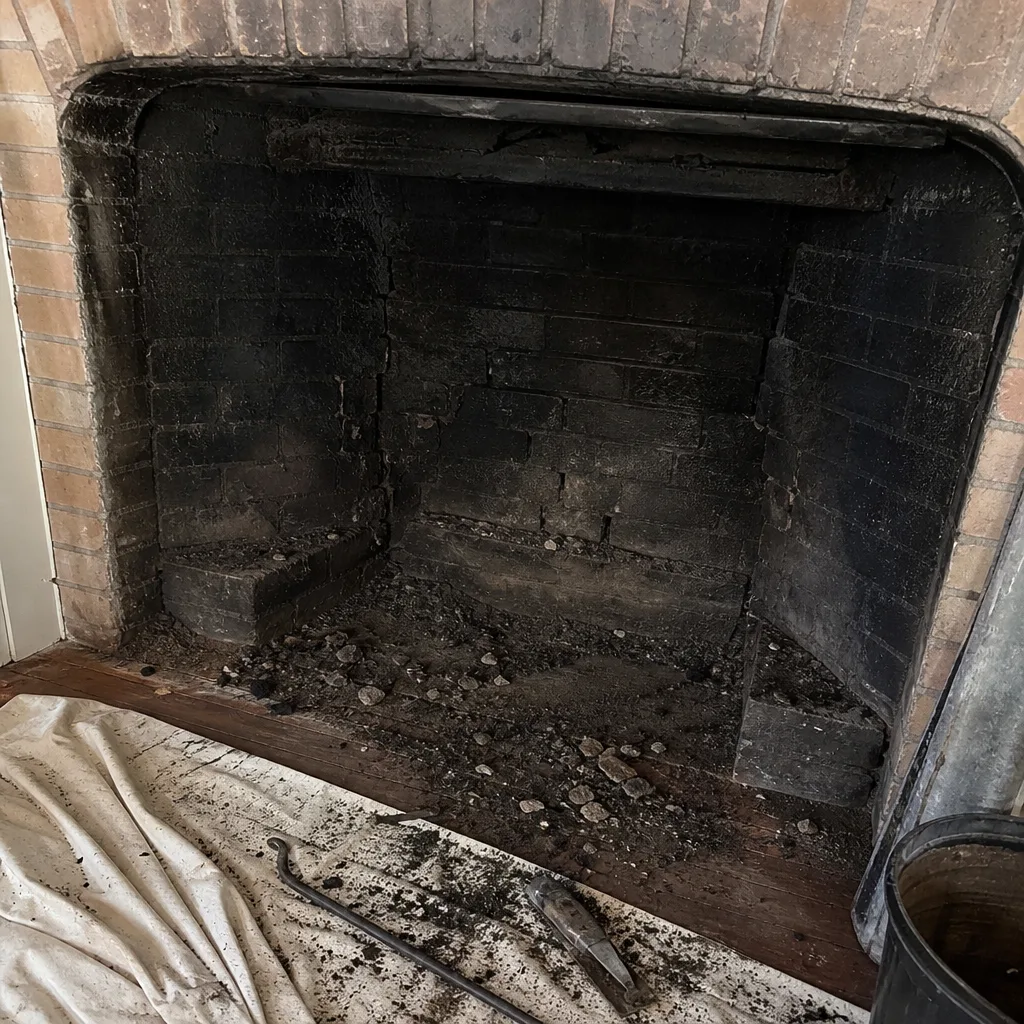 Before
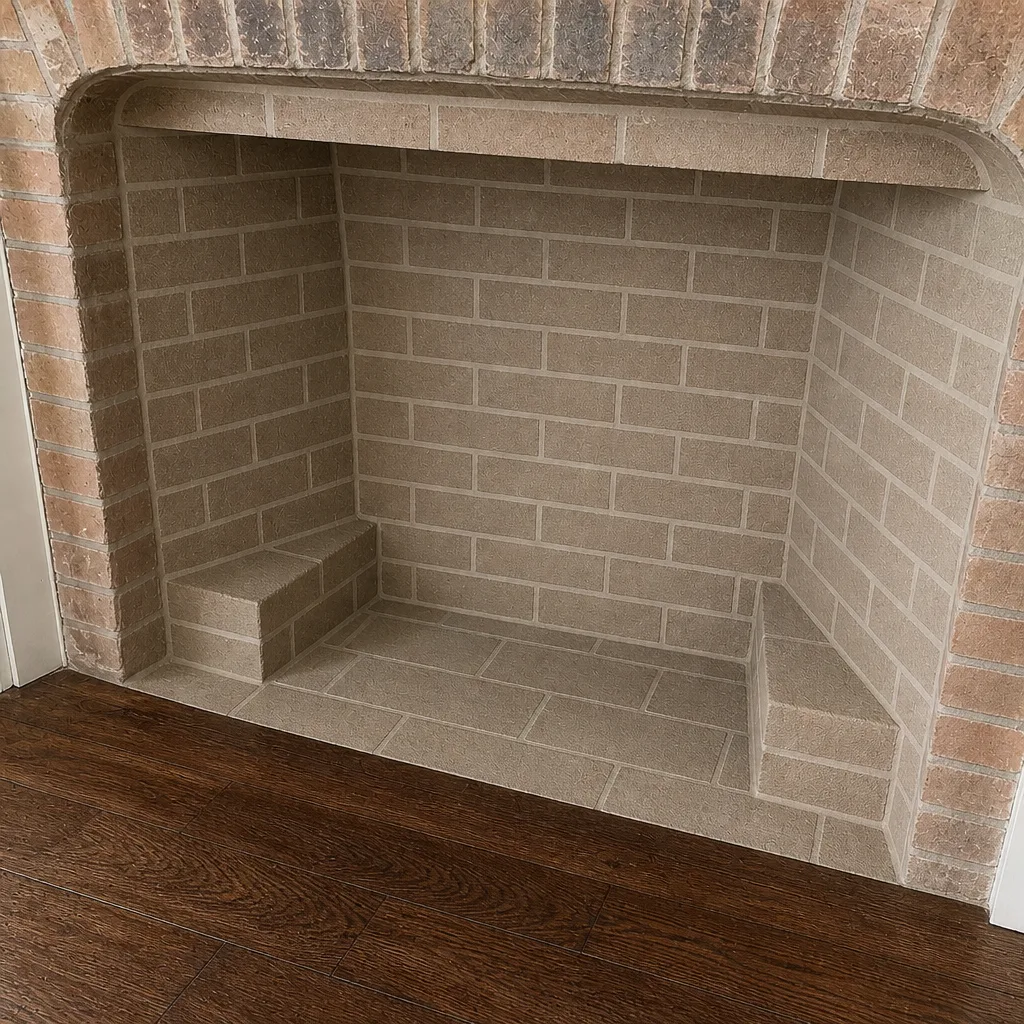 After
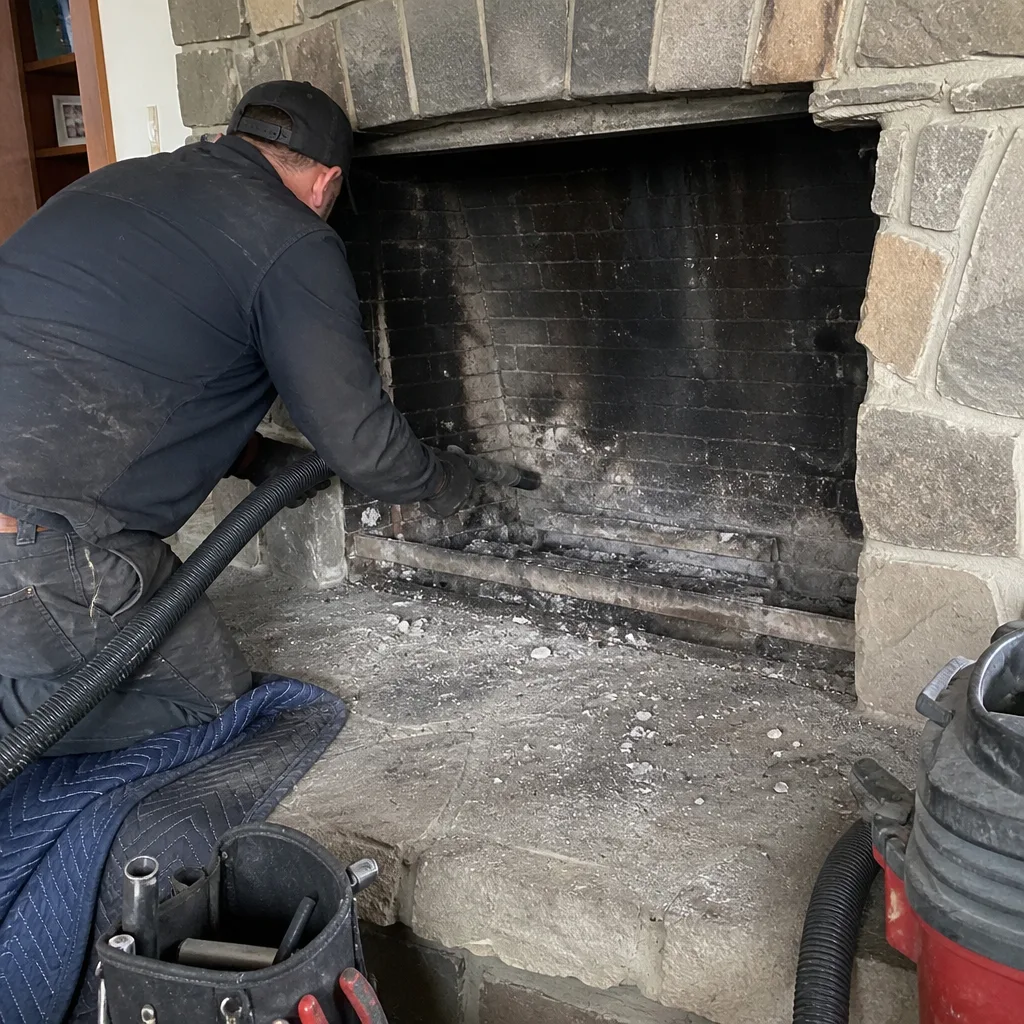 Before
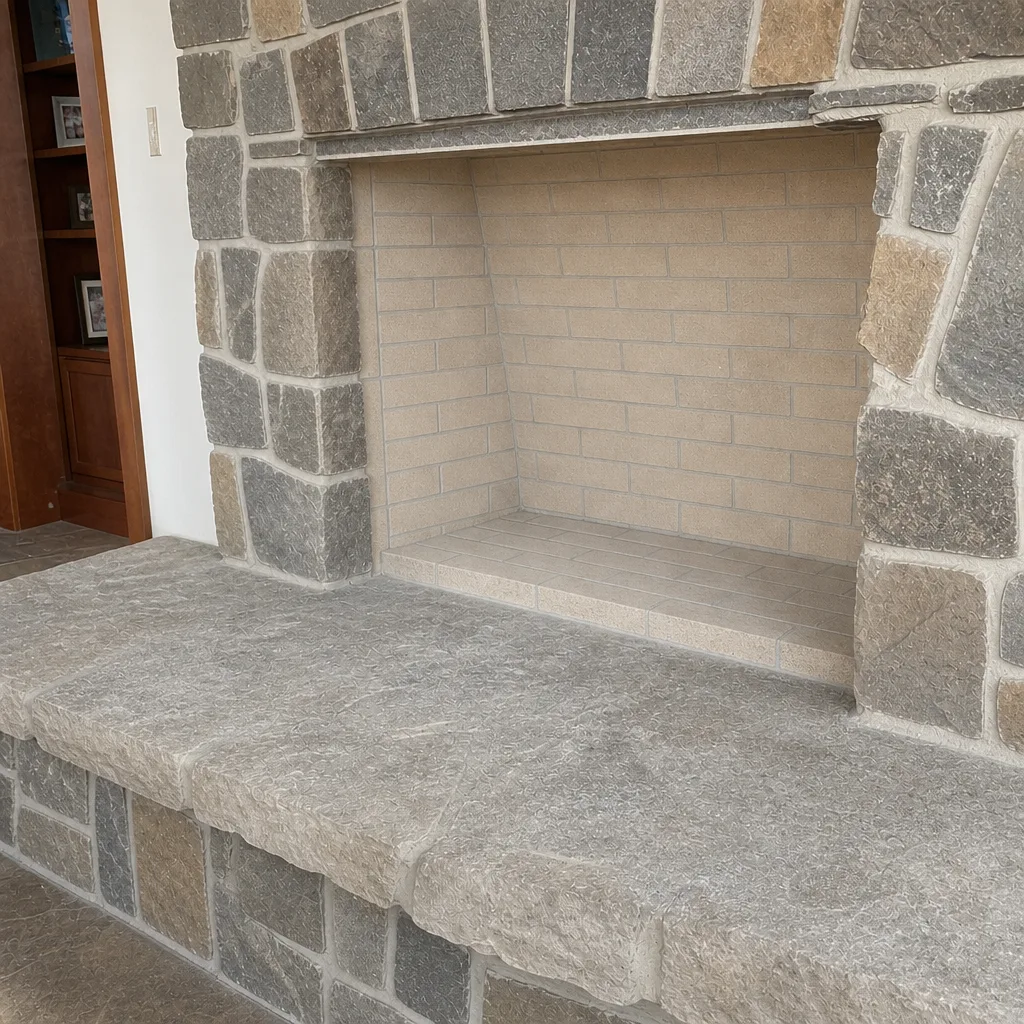 After
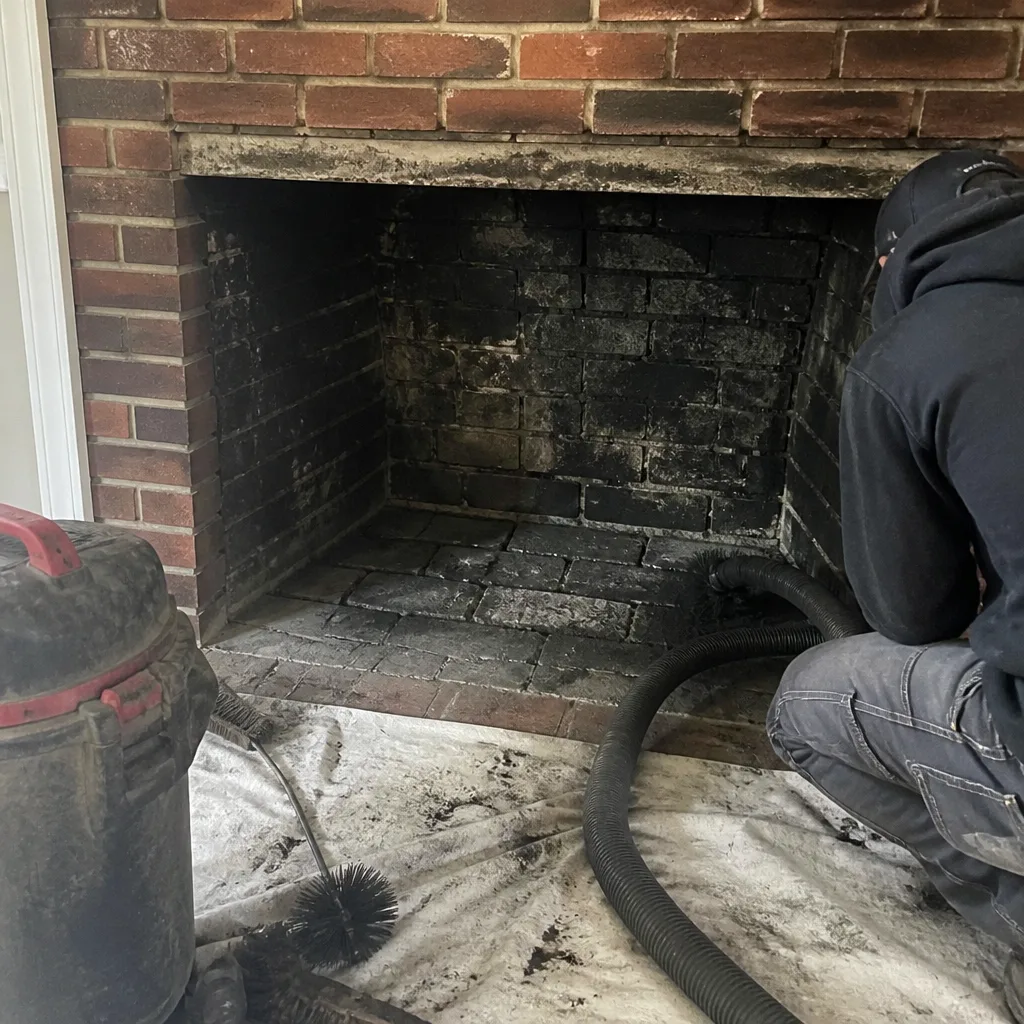 Before
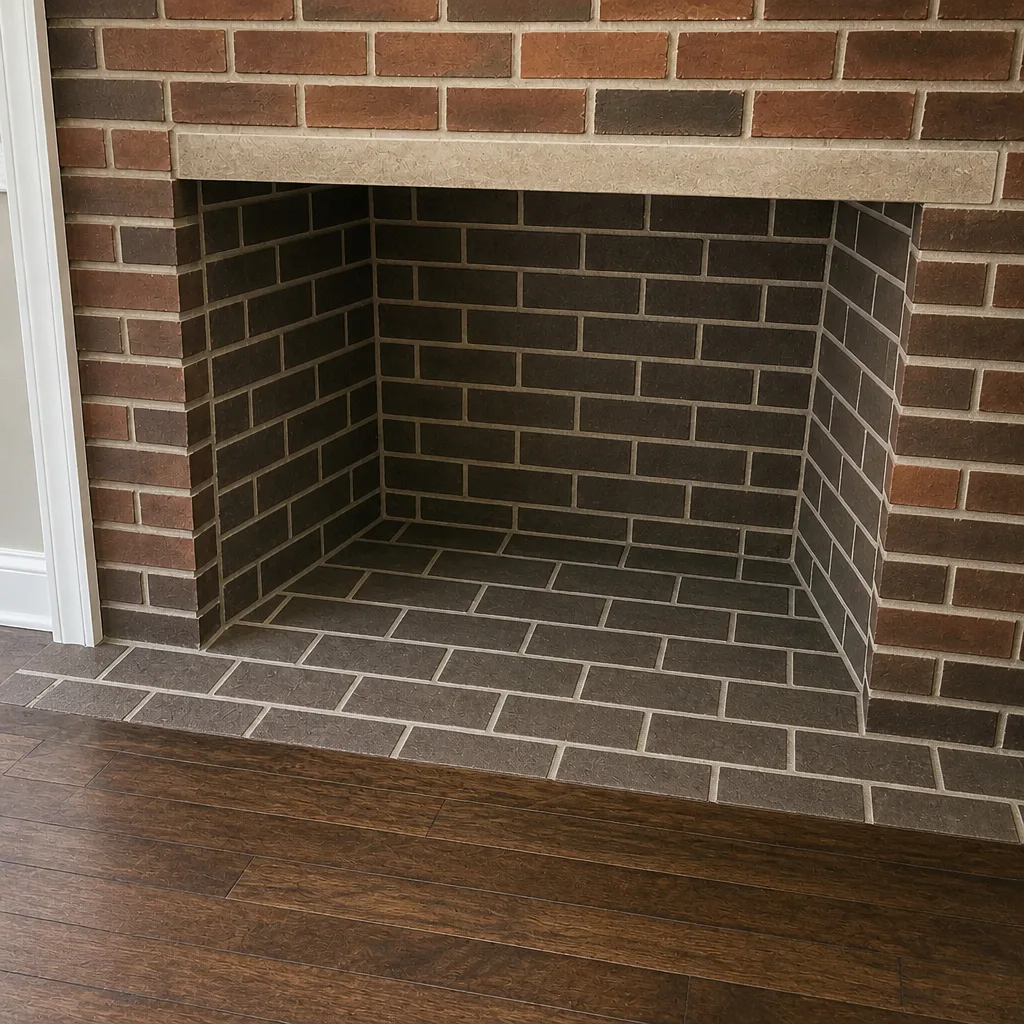 After
When to Call a Professional
Call a professional if you’ve had a chimney fire, even a small one; if you’ve noticed cracked or loose masonry, a damaged cap, or water stains around the firebox; if you burn wood regularly and haven’t had the chimney swept this season; if you’ve just bought a home and don’t know when the chimney was last serviced; or if your dryer takes longer to dry clothes and the vent has never been cleaned. These are the situations where a sweep and inspection together give you a clear picture. Chimney Sweep Syracuse offers free estimates in Syracuse, and you can reach us to a book a visit. Call chimney sweep (888) 395-8922. We answer 24/7. Fast dispatch from 7am to 7pm, Sunday through Friday.
Frequently Asked Questions
A standard chimney cleaning and Level 1 inspection typically falls in the low hundreds of dollars, with the written estimate setting the final price. A Level 2 camera inspection or any repair adds to that, and a liner or resurfacing job costs more because it involves fitted materials. Call (888) 395-8922 for an exact quote. Estimates are free.
For a home that burns wood regularly, yes. Annual sweeping and inspection is the standard, and in Syracuse the freeze-thaw cycle makes the inspection half of that visit especially important. A gas or oil flue may not need sweeping as often but still needs inspection to catch corrosion.
Creosote accumulates and can ignite, which is the fire risk most people know about. The quieter risk is that masonry damage goes undetected and water gets deeper into the structure each winter. A flue that could have been resurfaced with HeatShield may eventually need a full liner or rebuild.
Sometimes. Caps, small crown repairs, and blocked flues are often handled the same day. Liner replacement and HeatShield resurfacing need a separate appointment because the materials are fitted to your chimney. We tell you which you’re facing before work starts.
A Level 1 is a visual check of the accessible parts of the chimney. A Level 2 adds a video camera scan of the flue and access to areas a basic check can’t reach, and it’s what you want after a chimney fire, a move into an unknown home, or a change in fuel or appliance.
Yes. We clean dryer vents alongside chimney work, since a clogged vent is one of the leading causes of household fires and often gets missed by chimney-only companies. It’s a natural addition to a chimney visit. We’re Chimney Sweep Syracuse, and we handle sweep, repair, and dryer vent in one relationship.
The Bottom Line
The yearly sweep is the floor, not the ceiling. In Syracuse, the freeze-thaw cycle means water does as much damage as creosote, and the only way to catch it is a real inspection with the flue in view. Sweeping removes the fuel; inspection finds the failure. Gas, oil, and wood homes each need their own protocol, and a Level 2 camera scan is the right starting point after a chimney fire, a move, or any change in the system. When a repair is needed, brand-name materials like DuraFlex and HeatShield give you something to verify yourself. Handle the dryer vent while you’re at it. Then, book before burn season starts.
Contact Chimney Sweep Syracuse for a free estimate. Call (888) 395-8922. We answer 24/7. Fast dispatch from 7am to 7pm, Sunday through Friday.
Written by the team at Chimney Sweep Syracuse.