
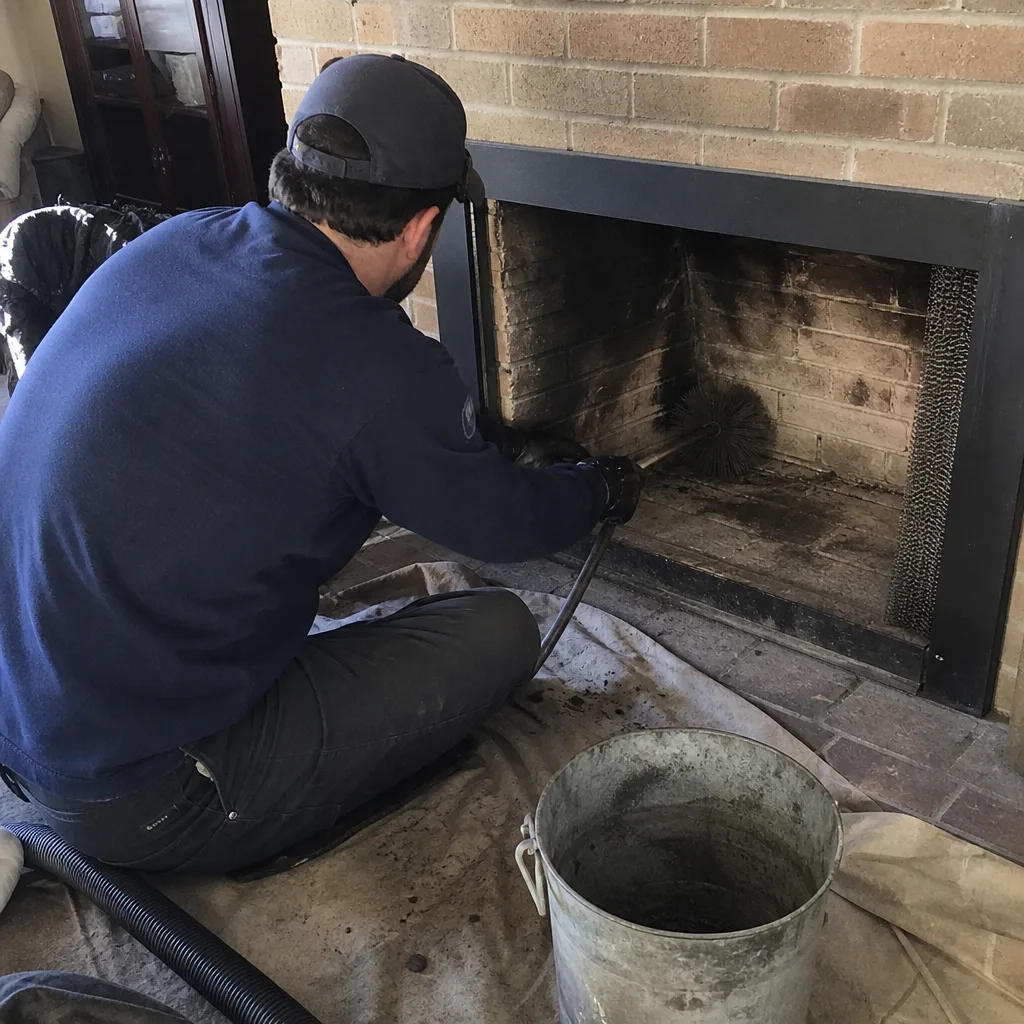
Last updated November 15, 2026
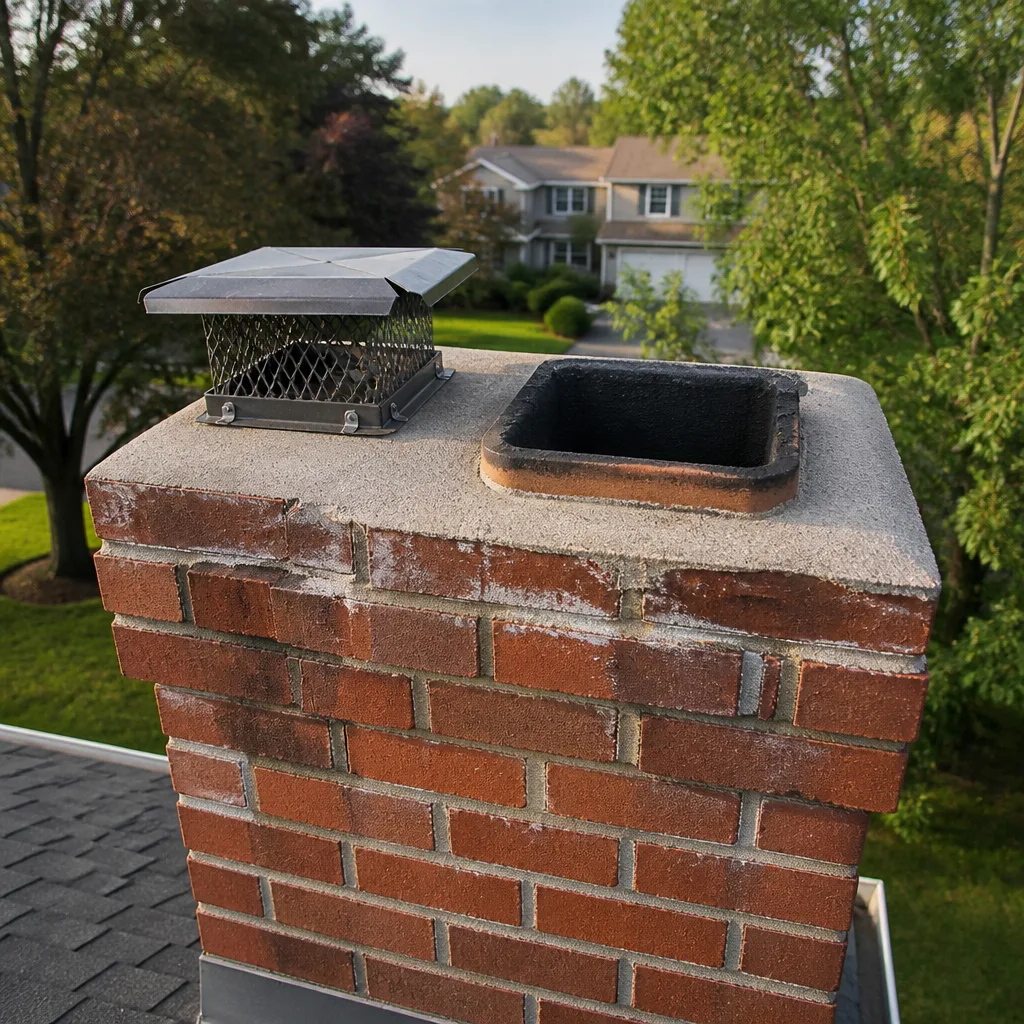 Sweep & inspection
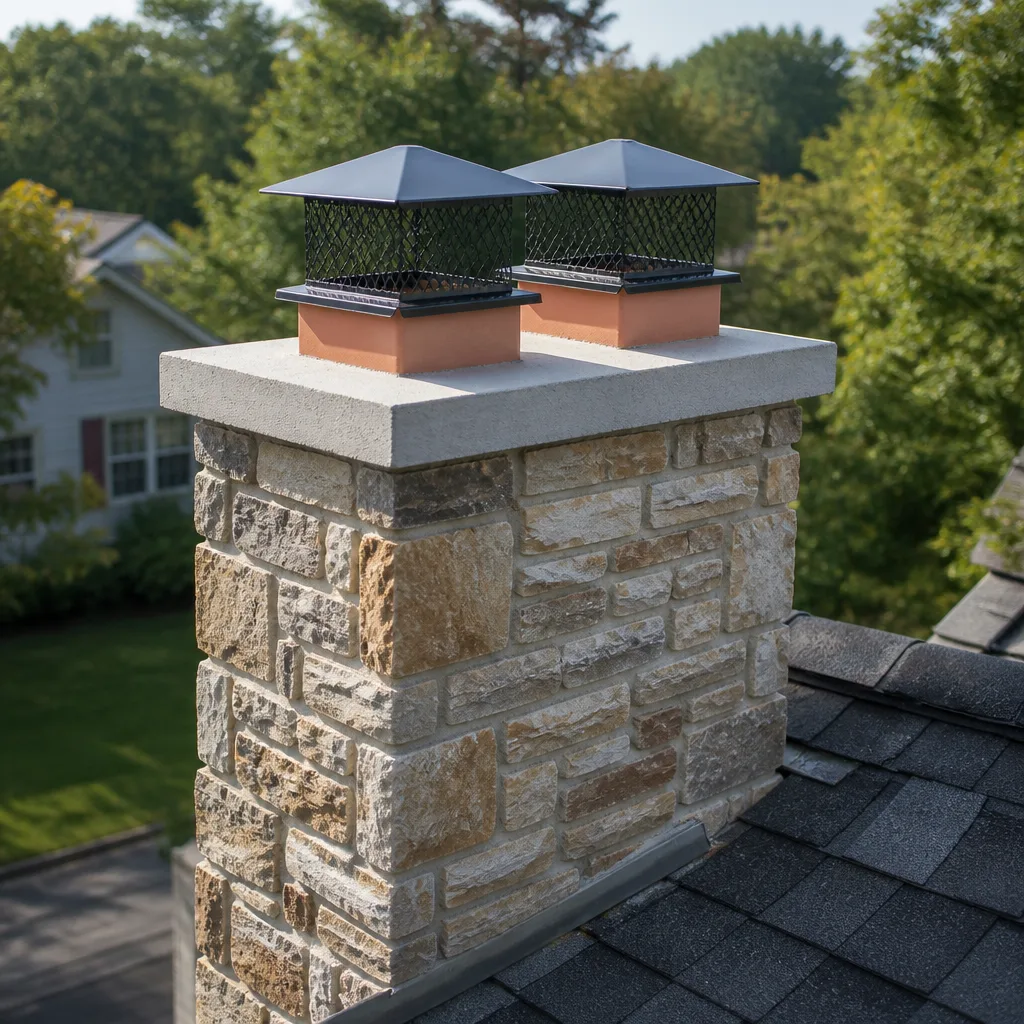 Caps & crowns
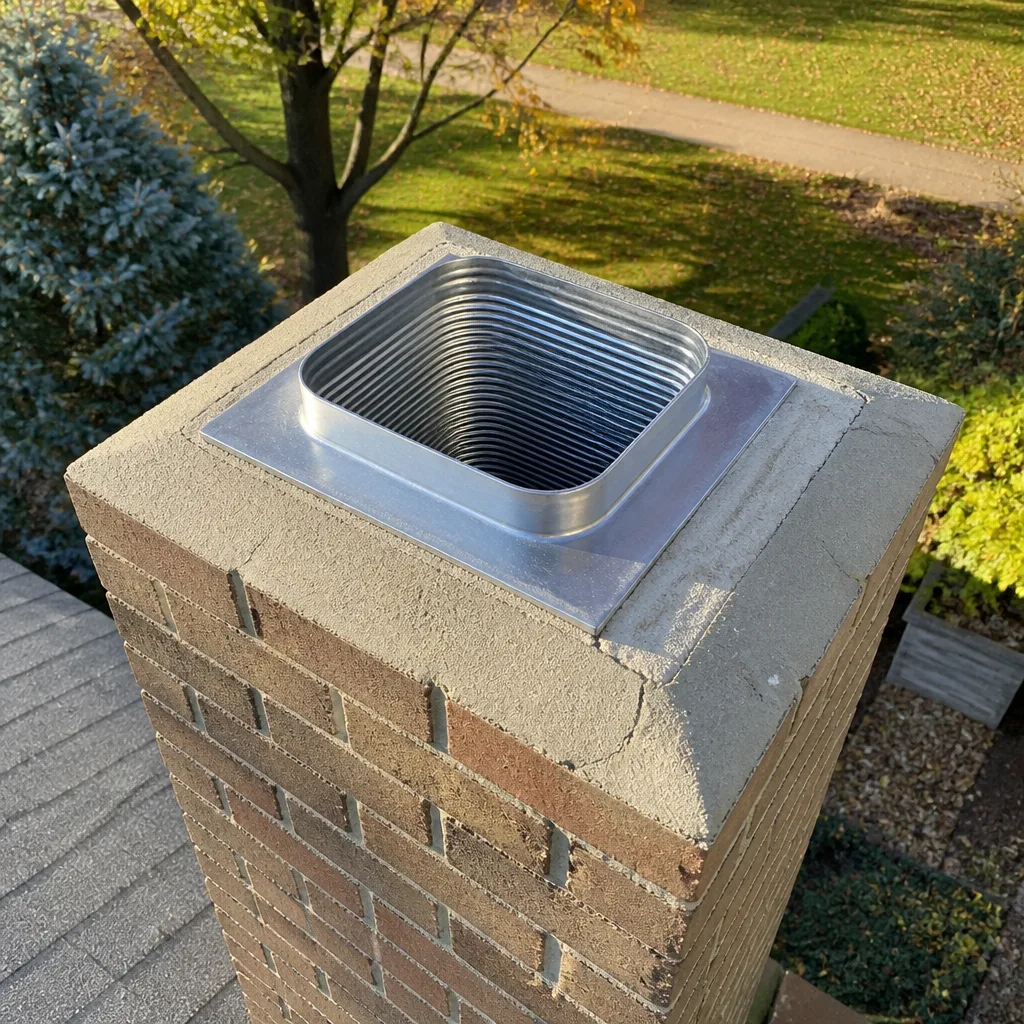 Flue relining
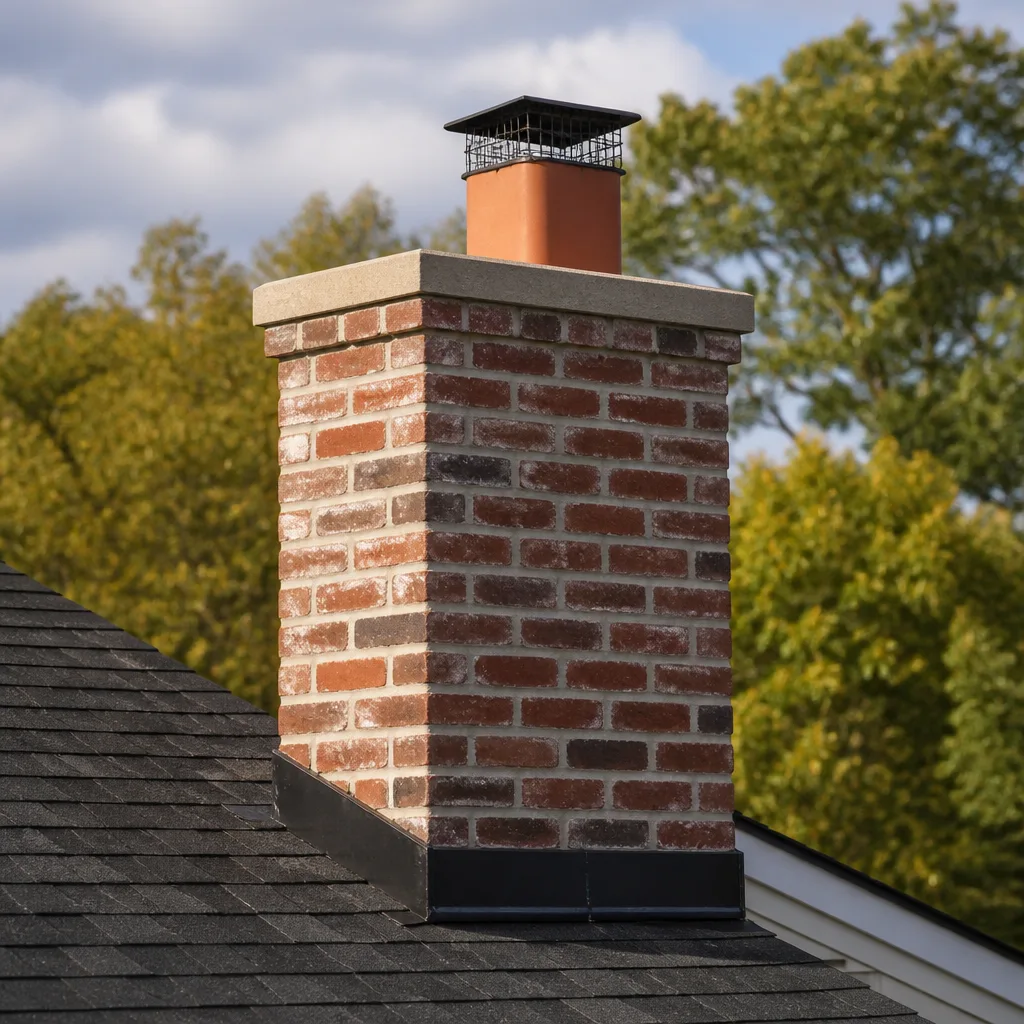 Masonry repair
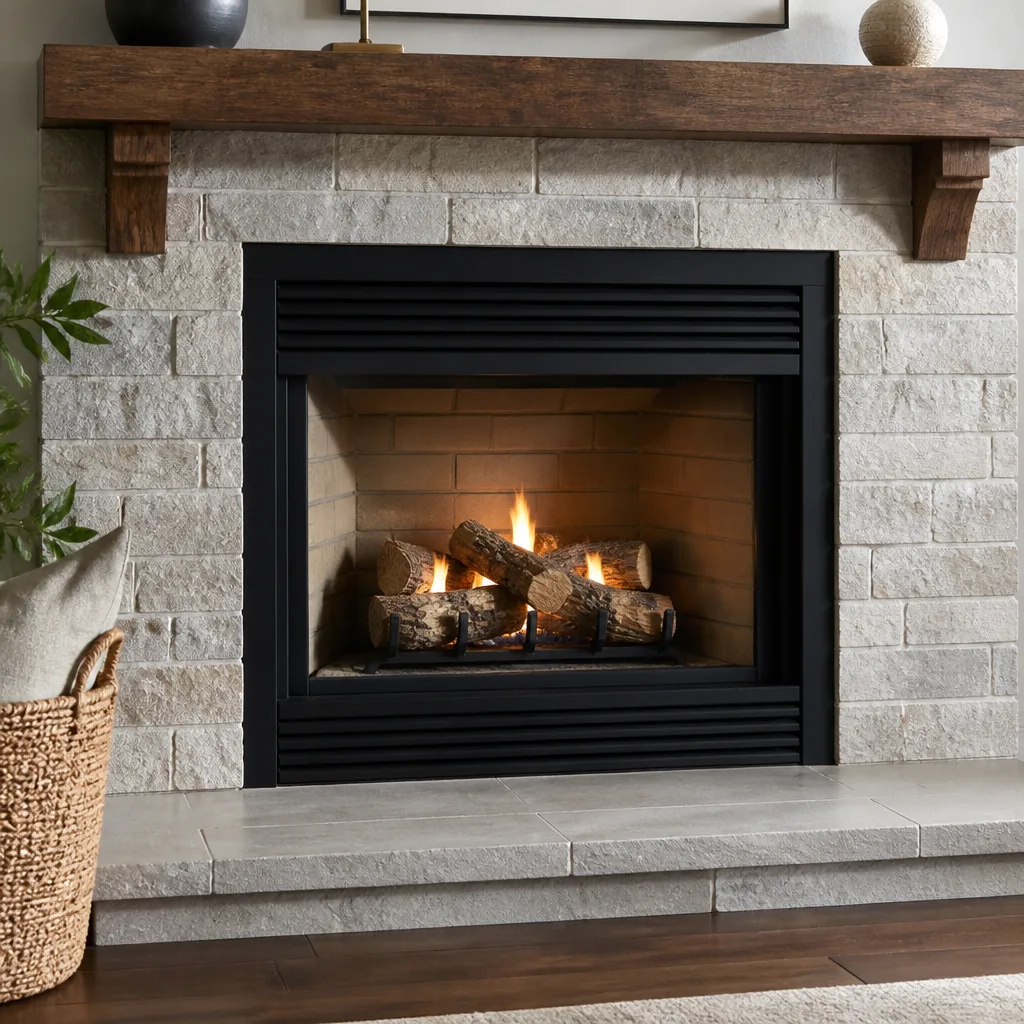 Gas fireplace service
Level 1 sweep and inspection to the NFPA 211 annual standard - flue, crown, cap, and flashing checked and photographed
Chimney sweep logs do not sweep chimneys. They loosen some creosote - which then falls where a brush and vacuum still have to collect it.
Seasonal Chimney Cleaning Care for Syracuse: Year-Round Homeowner’s Guide
Most Syracuse homeowners treat chimney care as a fall task. They book a sweep in September or October, get the flue cleaned, and don’t think about the chimney again until the first cold snap. That schedule feels responsible, but it misses the point. By the time a fall appointment comes around, a chimney has already been through a full year of weather: months of snow sitting against the masonry, repeated freeze-thaw cycles pulling at the crown, and spring rain finding its way into cracks that opened in February. The fall sweep tells you what the year did to your chimney. A year-round approach prevents some of that damage in the first place. This guide walks through what actually happens to a Syracuse chimney in each season, and what, if anything, that should prompt you to do.
Quick Answer
The best chimney care in Syracuse follows the weather, not the calendar: inspect and repair in spring after the freeze-thaw season, schedule your sweep in early summer before the fall backlog builds, use the fall to confirm the cap, damper, and flue are ready for active burning, and watch creosote and draft closely through winter. An annual sweep is still the minimum. Timing that sweep to the season is what protects the chimney itself.
Styles & brands we work with
- Sweep & inspection
- Caps & crowns
- Flue relining
- Masonry repair
- Gas fireplace service
Table of Contents
- Winter: What Active Burning Really Does to Your Flue
- Spring: The Best Time to Catch Freeze-Thaw Damage
- Summer: Why June or July Beats October for Your Sweep
- Fall: The Pre-Season Checklist That Confirms, Not Assumes
- Lake-Effect Snow and Asymmetric Moisture Exposure
- Why Draft Problems Spike in Cold Snaps
- The Other Fire Hazard: Your Dryer Vent
- Common Mistakes to Avoid
- When to Call a Professional
- Frequently Asked Questions
If you’re looking for the core service that anchors all of this, start with a chimney sweep and build the seasonal habits around it.
Winter: What Active Burning Really Does to Your Flue
Winter is when a chimney earns its keep, and it’s also when the conditions inside the flue change fastest. Every wood fire produces creosote, the tar-like residue that condenses on the flue walls as smoke cools. The rate of buildup depends on how hot the fire burns, how dry the wood is, and how quickly the flue gases cool on their way out. In a Syracuse January, that last factor matters more than most people realize. A cold exterior pulls heat out of the chimney structure, the flue gases cool faster, and creosote accumulates more quickly than it would in milder weather.
What this means in practice:
- Burning seasoned, dry wood keeps flue temperatures higher and produces less creosote than burning green or damp wood.
- Small, hot fires burn cleaner than long, smoldering ones. A fire that smolders overnight sends a lot of unburned material up the flue.
- If you burn frequently through the winter, the flue may need attention mid-season, not just the following fall. A sweep partway through heavy use is not excessive; it’s the point of seasonal care.
- Any change in how the fire behaves, like smoke rolling into the room or a fire that’s hard to start, is a sign to stop and look closer rather than push through.
Knowing when to stop using a fireplace mid-season is part of winter care too. If draft gets weak, if you smell smoke indoors, or if you notice soot staining around the firebox, stop burning and get it looked at. Continuing to burn into a restricted flue is how small problems become dangerous ones. A Chimney Sweep Syracuse visit in the middle of the season can confirm whether the flue is still clear enough to keep using safely.
Spring: The Best Time to Catch Freeze-Thaw Damage
Spring is the most underrated season for chimney care, and in Central New York it’s arguably the most important. Winter does its damage quietly: water gets into the masonry, freezes, expands, and thaws, and each cycle widens cracks a little more. By the time the ground thaws, a chimney exterior can show damage that didn’t exist in November. The reason to inspect in spring rather than fall is simple: you want to catch that damage before a summer of rain works it deeper.
What a spring inspection looks for:
- Spalling. Flaking or crumbling brick faces are the signature of freeze-thaw damage. Once brick starts spalling, water gets in more easily and the cycle speeds up.
- Efflorescence. A white, powdery stain on the masonry usually means water is moving through the brick and leaving mineral deposits behind. It’s a moisture signal, not just a cosmetic issue.
- Flashing separation. The metal flashing where the chimney meets the roof is a common failure point. If it pulls away, water runs straight down into the roof deck and the chimney structure.
- Crown cracks. The concrete crown at the top of the chimney sheds water away from the flue. Cracks in it let water in from above, which is the worst direction for it to enter.
Spring is also when a homeowner can see moisture damage most clearly. Everything is still fresh from winter, so the evidence is right there instead of buried under a season of new growth and dry weather. If a repair is needed, doing it in spring means the chimney goes into summer rain already sealed. Certain repairs benefit from specific materials, and that’s where products like a HeatShield flue resurfacing or a Gelco cap come into the picture, chosen for what the inspection found rather than swapped in as a default.
Summer: Why June or July Beats October for Your Sweep
Most people schedule their sweep in the fall, right before they start burning again. It’s the intuitive choice, and it’s also the busiest time of year for anyone who does this work, which means longer waits and less flexibility. The better window, in our experience, is early summer, and there are a few reasons why.
- You beat the backlog. Fall fills up fast. Booking in June or July means you’re not competing with everyone else who just remembered their chimney exists.
- Moisture damage is still visible. A sweep in early summer happens while the effects of the wet spring and the thawing winter are still apparent. By October, a dry summer has had months to hide or change what you’d want to see.
- Repairs can be done in good weather. If the sweep turns up something that needs fixing, summer is a better time to schedule the work than the weeks right before you want to build a fire.
- The flue sits clean all season. A summer sweep leaves the flue clear going into fall, so creosote isn’t sitting against the masonry through the warm months.
Our technicians have up to experience, and that experience tends to confirm the same pattern every year: the fall rush is real, and the homeowners who schedule early get more attention and less scrambling. We show you what we find before we quote the fix, so a summer appointment gives you time to think through any recommendation instead of making a rushed decision in October. If you’re planning a sweep before the backlog hits, book a chimney sweep in early summer and put the appointment on the calendar while the weather is warm.
Fall: The Pre-Season Checklist That Confirms, Not Assumes
Fall isn’t about major repairs. It’s about confirming the chimney is ready for the burning season, and there’s a difference between confirming and assuming. A homeowner might assume the cap is fine because it was fine last year, or assume the damper opens fully because it always has. Fall is when those assumptions get tested before the first fire.
- Damper function. Open and close the damper fully. It should move freely and seal when closed. A damper that sticks or doesn’t seal properly affects both draft and heat loss.
- Cap integrity. The cap keeps rain, snow, and animals out of the flue. Check that it’s intact and properly secured. A missing or damaged cap is an open invitation for water and wildlife.
- Animal intrusion. Squirrels, birds, and other animals look for shelter in chimneys, especially as the weather cools. A cap and a quick flue check confirm nothing has moved in over the summer.
- Visible masonry. Look at the exterior for new cracks, loose bricks, or anything that changed since spring. A summer of rain can reveal a problem that wasn’t there in May.
- Flue condition. If the sweep hasn’t been done recently, this is the moment. Don’t light the first fire of the season on a flue you haven’t confirmed is clear.
The point of the fall checklist is to catch what the other seasons left behind. If spring handled the repairs and summer handled the sweep, fall should be mostly confirmation. Where it stops being routine is when the checklist turns up something the homeowner can’t resolve, and that’s what the professional section below is for. Simple components like a Gelco cap or Famco venting parts are the kind of thing that gets sorted in a single visit when it’s caught at this stage.
Lake-Effect Snow and Asymmetric Moisture Exposure
Syracuse sits in one of the snowiest parts of the country, and lake-effect snow doesn’t fall evenly around a house. It comes in on prevailing winds, which means the side of the chimney that faces the weather takes far more moisture than the sheltered side. A north-facing chimney exterior on an exposed wall can be wet for much of the winter while a south-facing one stays comparatively dry. That asymmetry matters because the damage builds unevenly.
What this looks like over a few seasons:
- The windward face of the masonry takes on water first, and that’s where spalling and efflorescence tend to show up earliest.
- Snow can pile against the chimney base, keeping the lower masonry damp long after the rest has dried.
- The crown and the top few courses of brick get the most direct exposure, so they age faster than the lower structure.
- Sheltered sides look fine while the exposed side is already failing, which is why a visual pass from the ground misses a lot.
Understanding this pattern helps a homeowner know where to look and why a sweep that only checks the inside of the flue isn’t the whole picture. The exterior takes a beating in Syracuse specifically because of how the lake-effect snow lands. Waterproofing the exposed masonry and confirming the cap and crown are sound are the practical responses, and both belong on the spring and fall checklists rather than waiting for a visible problem.
Why Draft Problems Spike in Cold Snaps
A chimney works on the principle that warm air rises. The fire heats the flue gases, they rise and exit the top, and fresh air is drawn in to replace them. In a cold snap, the temperature difference between the inside and outside of the flue is larger, and the draft should, in theory, be stronger. So why do so many homeowners report smoke rolling into the room when the weather gets cold?
The answer usually comes down to one of a few things:
- A cold flue at startup. A flue that’s been sitting cold needs a few minutes to warm up before it draws properly. A small, hot fire to start helps. A fire that struggles to draw from a cold start is a sign worth noting.
- A blocked or partially blocked flue. Creosote buildup or a nest or debris in the flue reduces the opening. The draft gets weaker as the opening gets smaller, and a cold snap makes the reduced flow more obvious.
- Negative pressure in the house. Modern homes are tight. Bathroom fans, kitchen exhaust, and other appliances can pull air out faster than the chimney can replace it, which counters the draft. A house that’s especially tight can show draft problems that have nothing to do with the chimney itself.
- Cold, dense air outside. On the coldest days, the dense outside air can make it harder to get a fire established, especially in a flue that isn’t perfectly clear.
When draft problems show up mid-winter, the honest answer is to have the flue checked rather than push through with stronger fires or a different fuel. A restricted flue doesn’t fix itself with more heat, and a cold snap is exactly when you want it clear. A chimney sweep and inspection can confirm whether the draft issue is the flue or something else.
The Other Fire Hazard: Your Dryer Vent
Most chimney companies stop at the flue. That leaves a whole second fire hazard in the house unaddressed: the dryer vent. Lint builds up in the vent over time, and it’s highly flammable. A clogged vent also makes a dryer work harder, run hotter, and take longer to dry clothes. For a household that runs the dryer often, the vent is a genuine fire-safety concern that gets forgotten because it’s out of sight.
Our dryer vent cleaning sits alongside the chimney work for that reason. Both are fire hazards, both live in the same service relationship, and both get handled without the homeowner having to coordinate two separate contractors. That’s the practical argument for one company handling dryer vent cleaning and chimney work together: the two leading household fire hazards get looked at in the same visit, by the same people, with the same standard of “show you what we find before we quote the fix.”
A dryer vent that hasn’t been cleaned in years is worth having looked at as part of the seasonal routine. It’s a straightforward service that a lot of homeowners don’t realize needs professional attention at all. Getting it onto the seasonal checklist means it doesn’t wait until the dryer starts taking twice as long, or worse.
Common Mistakes to Avoid
- Scheduling the sweep in October and calling it annual care. A fall sweep checks the flue but arrives too late to prevent a year of weather damage. The sweep matters, but timing it to the season is what protects the chimney.
- Assuming the cap is fine because it was fine last year. Caps loosen, bend, or get knocked off by weather and animals. A quick visual check in fall costs nothing and prevents a lot of water and wildlife problems.
- Ignoring the exterior because the interior flue is clean. In Syracuse, the lake-effect snow and freeze-thaw cycles do most of their damage to the masonry, crown, and flashing. A clean flue on a failing chimney is still a failing chimney.
- Pushing through draft problems instead of stopping. A fire that smolders or smokes into the room is a signal to stop, not to try a hotter fire or a different fuel. Continuing to burn through a restricted flue is how small problems become dangerous ones.
- Skipping the dryer vent entirely. Most homeowners never think about it. Lint buildup is a real fire hazard, and it’s often overlooked because the chimney gets all the attention.
- Burning green or damp wood to save money. It sends more creosote up the flue and creates faster buildup. The savings on the wood disappear the first time the flue needs extra attention.
- Waiting for a visible problem before any inspection. By the time damage is obvious from the ground, it’s often already spread. The interval between spring inspection and fall confirmation is what catches it early.
When to Call a Professional
Some seasonal care is a homeowner’s own check: opening the damper, looking at the cap, noticing a change in the exterior. Other things belong in skilled hands. Call a professional if the flue hasn’t been swept in a year or more, if the fall checklist turns up a cap or damper issue that needs parts, if the exterior shows spalling, efflorescence, or flashing separation, or if draft problems appear mid-winter. Call if you’ve inherited a chimney and don’t know its history, or if a previous owner’s work looks questionable. All of this is a conversation, not a sales call. Chimney Sweep Syracuse offers free estimates in Syracuse. The written estimate sets the price, and the brand-name materials used are ones you can research and verify on your own. Call (888) 395-8922. We answer 24/7. Fast dispatch from 7am to 7pm, Sunday through Friday.
Frequently Asked Questions
Once a year is the baseline, and for a household that burns frequently through the winter, a mid-season check is worth considering. The best time to schedule the annual sweep is early summer, before the fall backlog builds and while moisture damage from the wet spring is still visible. Call (888) 395-8922 for a free estimate and to put a sweep on the calendar.
Not necessarily, and that’s the point of an inspection. A HeatShield flue resurfacing can restore a masonry flue that doesn’t need a full rebuild, while a DuraFlex liner system is chosen when the flue’s condition calls for it. The right answer depends on what the inspection finds, and we show you what we find before we quote the fix. Call (888) 395-8922 for an inspection and a written estimate.
Creosote keeps building up in the flue, and a thicker layer is harder to remove and more flammable. Draft gets weaker as the opening narrows, and the risk of a chimney fire climbs. Skipping one year is usually recoverable; skipping several, especially if the homeowner doesn’t know the chimney’s history, is where a routine sweep turns into a repair. Call (888) 395-8922 for a free estimate and let us show you what’s actually in the flue.
Cold snaps are when draft problems become visible: a cold flue at startup, a partially blocked flue, or negative pressure from air pulled out by kitchen and bath fans can all cause it. The fix depends on which one it is. If it’s happening, have it checked rather than pushing through with hotter fires. Call (888) 395-8922 for a free estimate.
Yes, for a few reasons: you avoid the fall backlog, moisture damage is still fresh and visible, and any required repair can be done in good weather well before the first fire. The flue also sits clean through the warm months. A fall sweep still works; it just arrives after the year’s weather has already done its work. Call (888) 395-8922 to schedule a summer appointment.
Because lint buildup in a dryer vent is a real fire hazard, and most companies that handle chimneys don’t touch it. Handling both in the same service relationship means two leading household fire hazards get addressed together rather than through two separate contractors. Call (888) 395-8922 for a free estimate on either or both.
Repairs rely on named industry materials: DuraFlex for flexible liner systems, HeatShield for flue resurfacing, and components from Olympia Chimney, Famco, and Gelco for caps, covers, and venting. These are brands a homeowner can look up and verify, rather than mystery parts. Call (888) 395-8922 for a free estimate and to see what a given job would call for.
The Bottom Line
Seasonal chimney care in Syracuse is really about sequence. Winter teaches you how the flue handles active use, spring catches the freeze-thaw damage before rain makes it worse, summer gives you the cleanest window for a sweep before the fall rush, and fall confirms the chimney is ready to work again. An annual sweep remains the minimum anyone should do. The homeowners who protect their chimneys are the ones who line those four checks up with the weather instead of relying on a single October appointment. If you’re ready to put a calendar together, we’re glad to help.
Written by the team at Chimney Sweep Syracuse.
See the difference
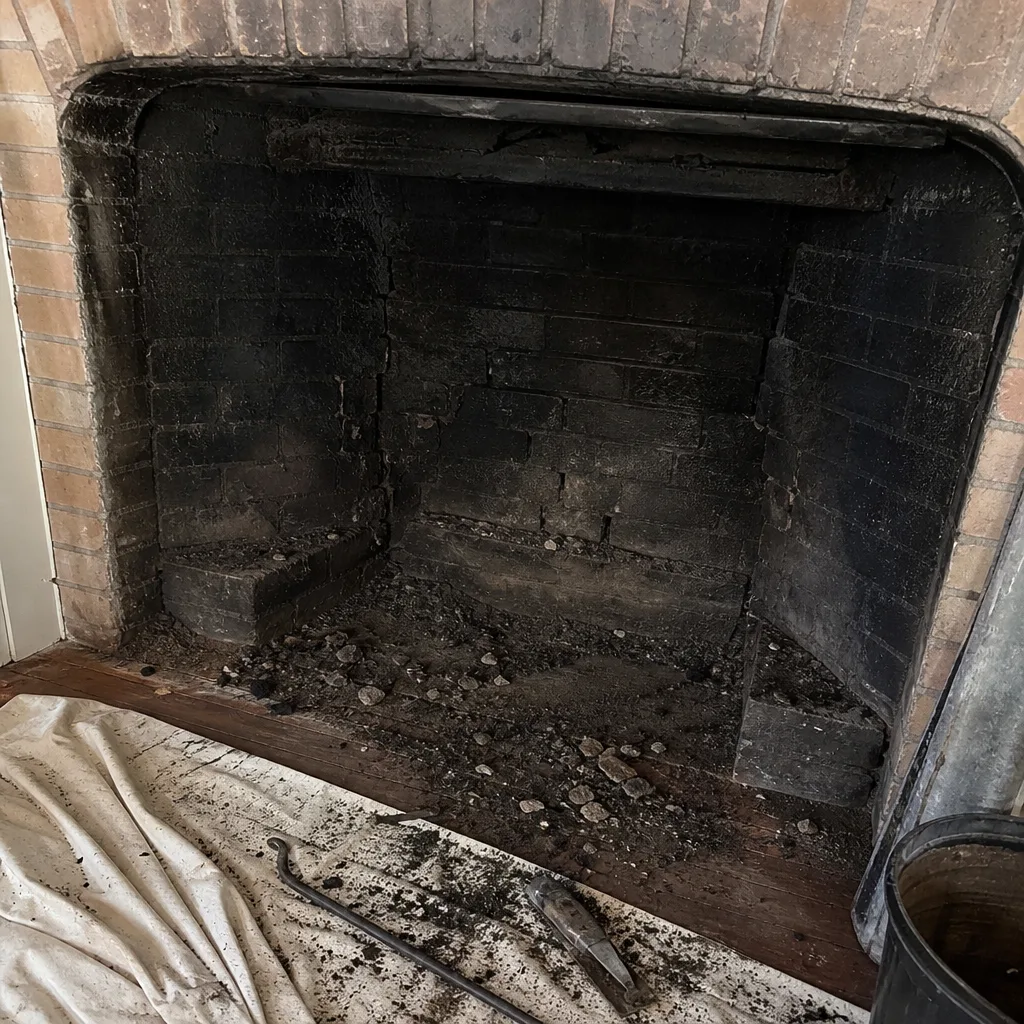 Before
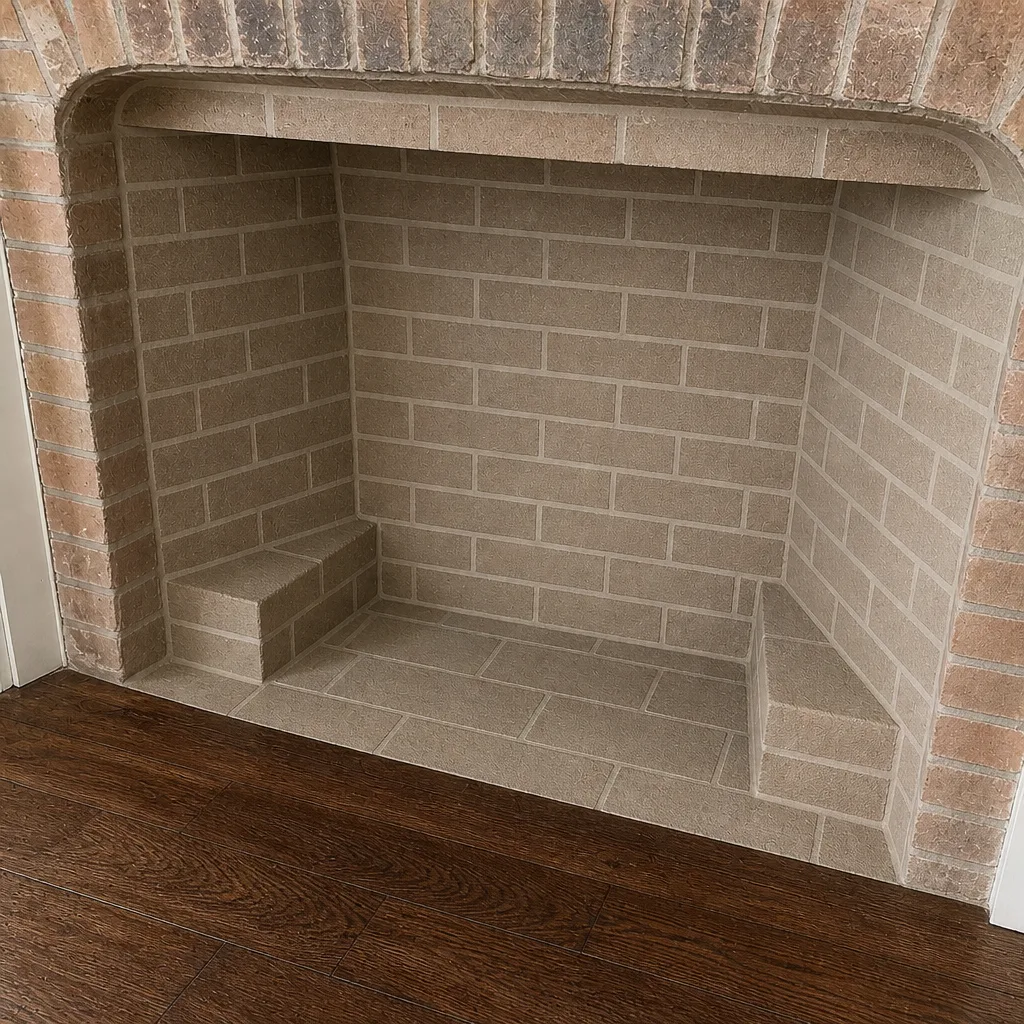 After
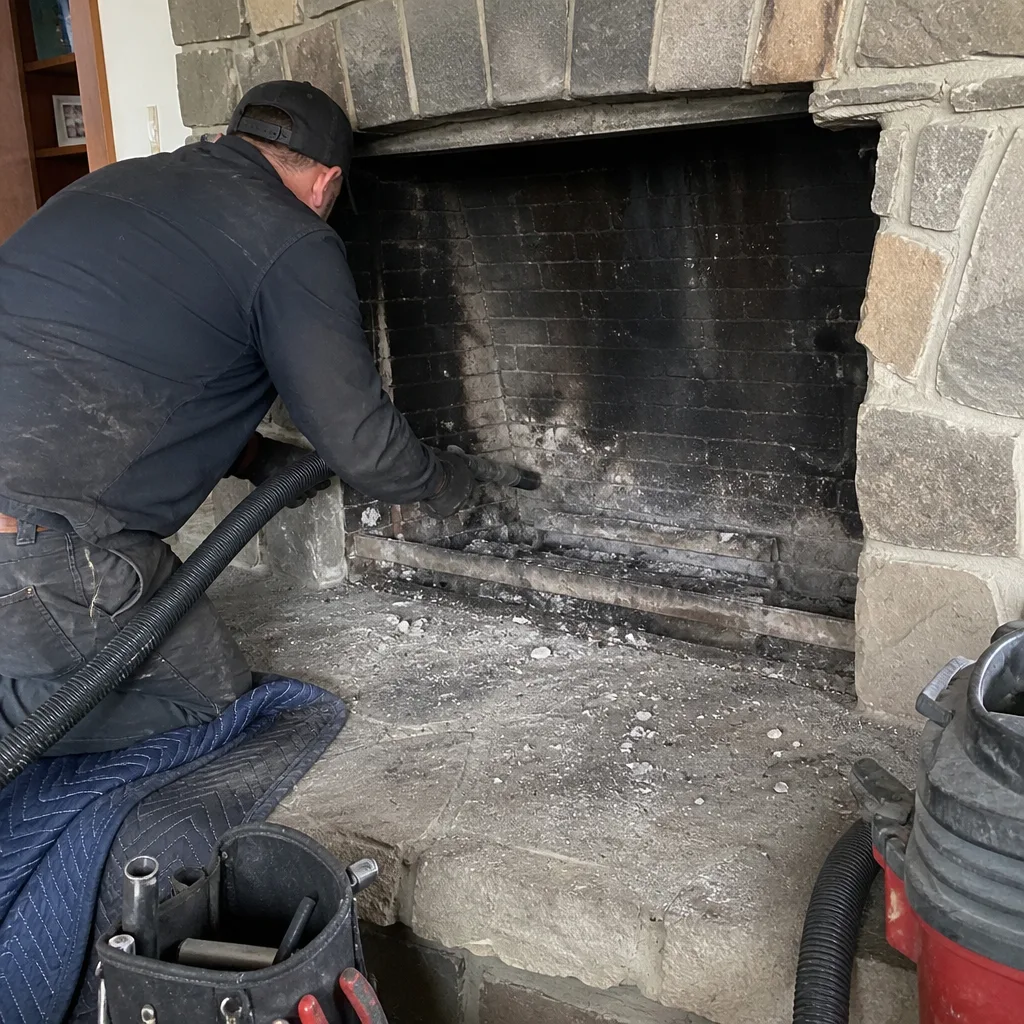 Before
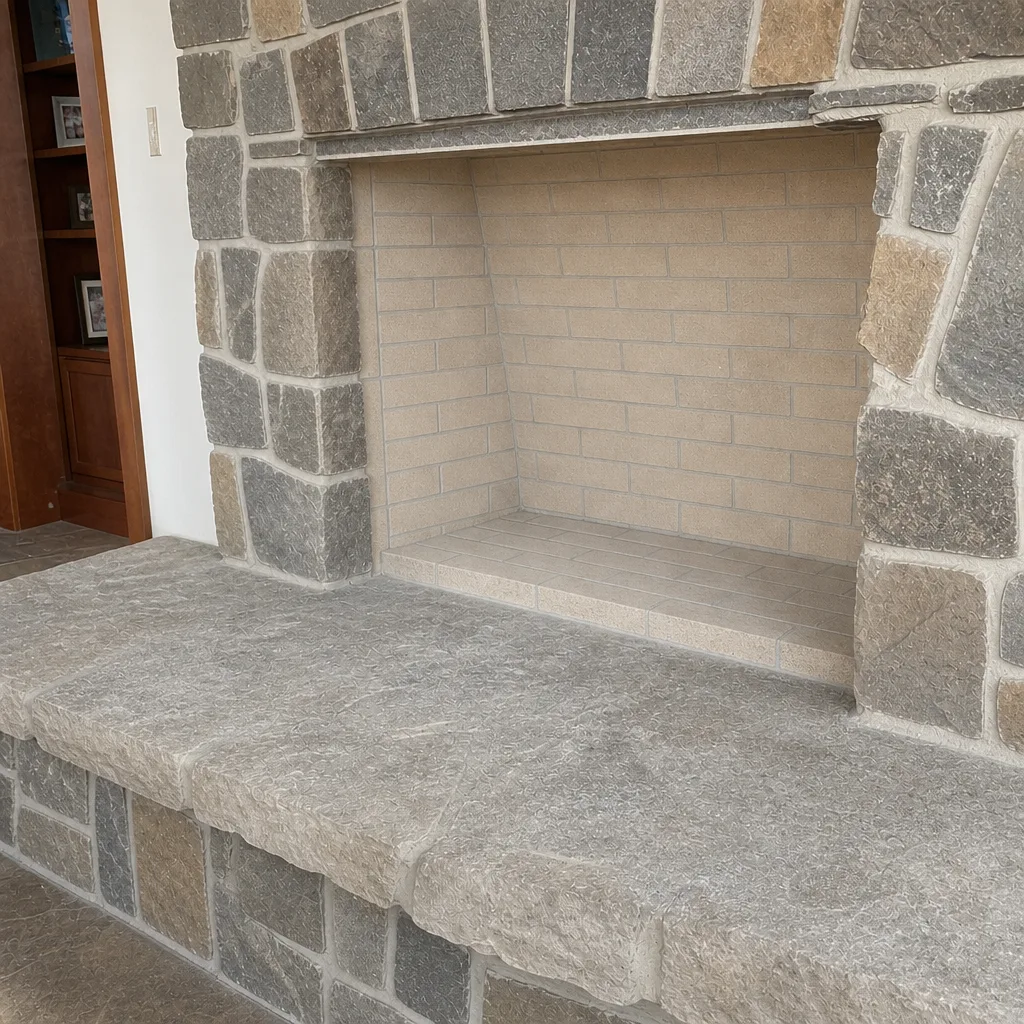 After
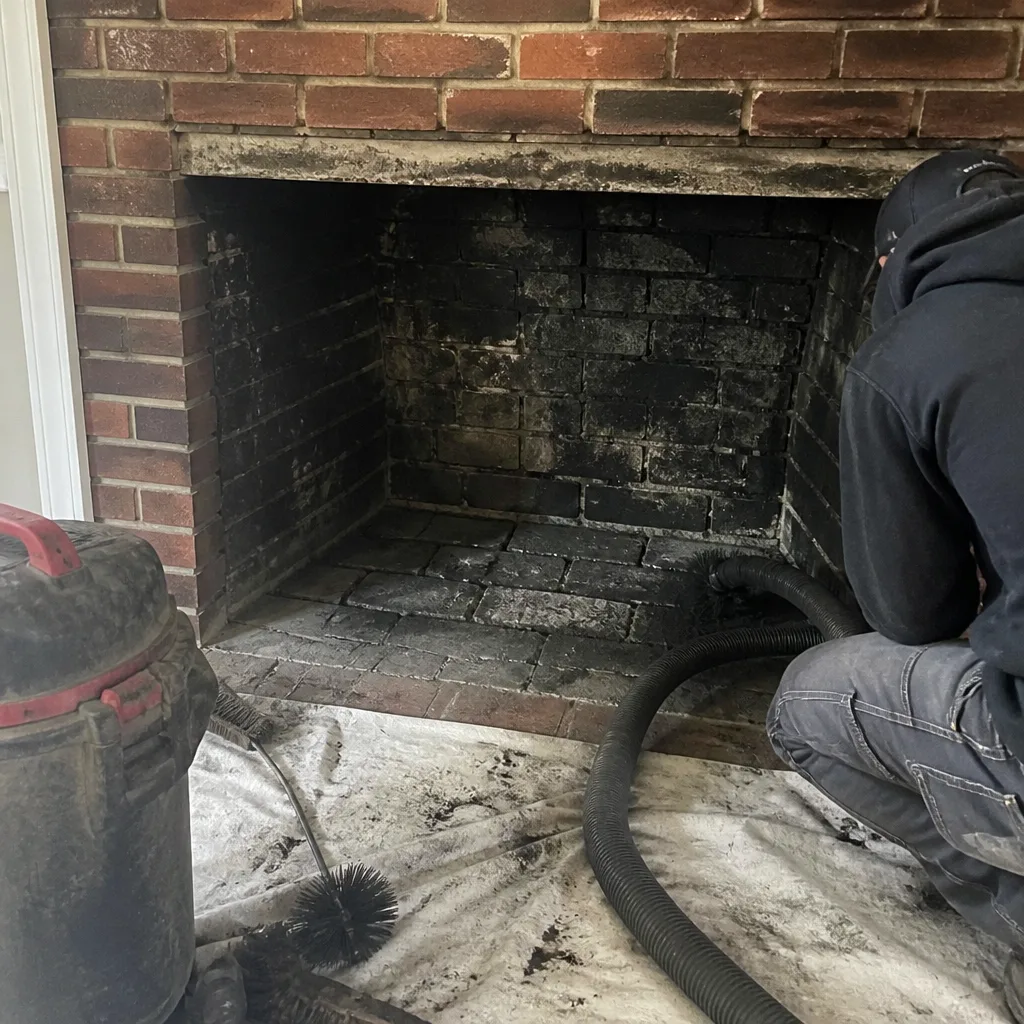 Before
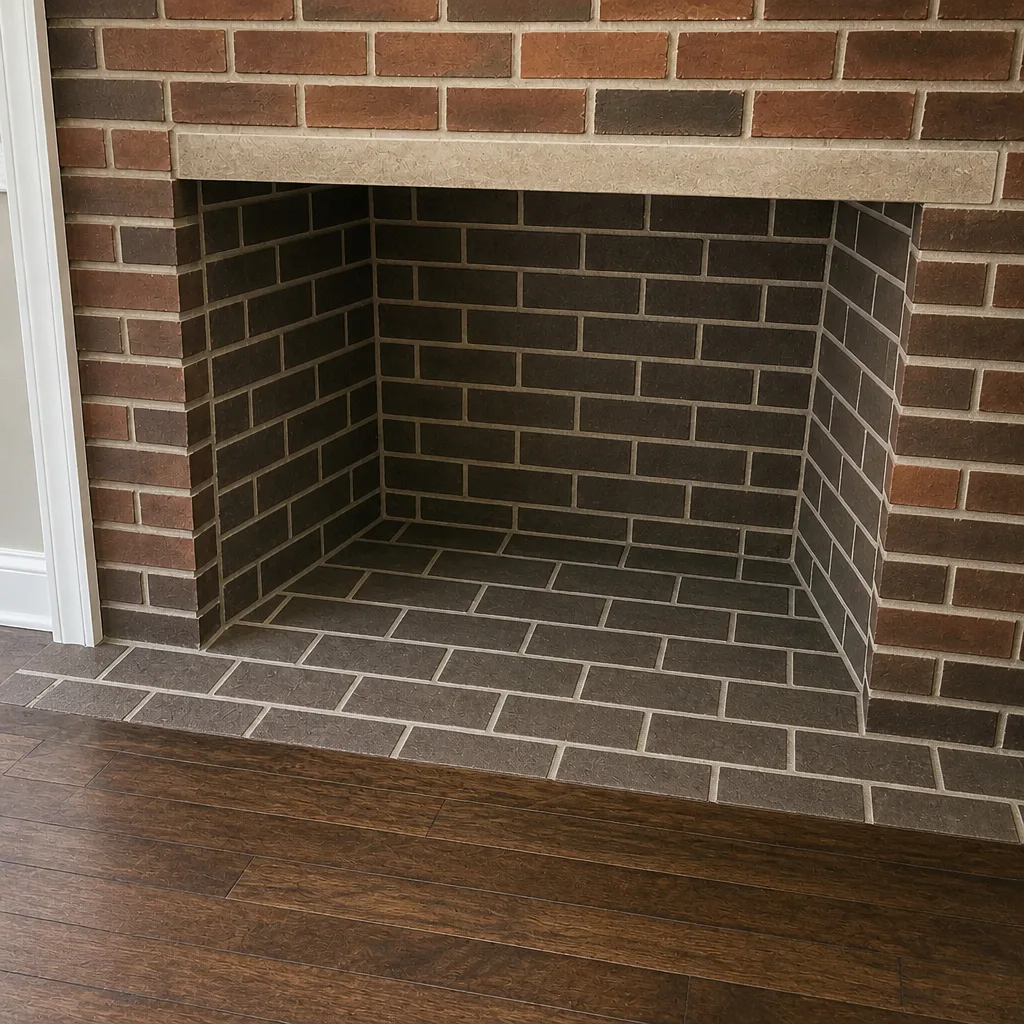 After