
Last updated November 15, 2026
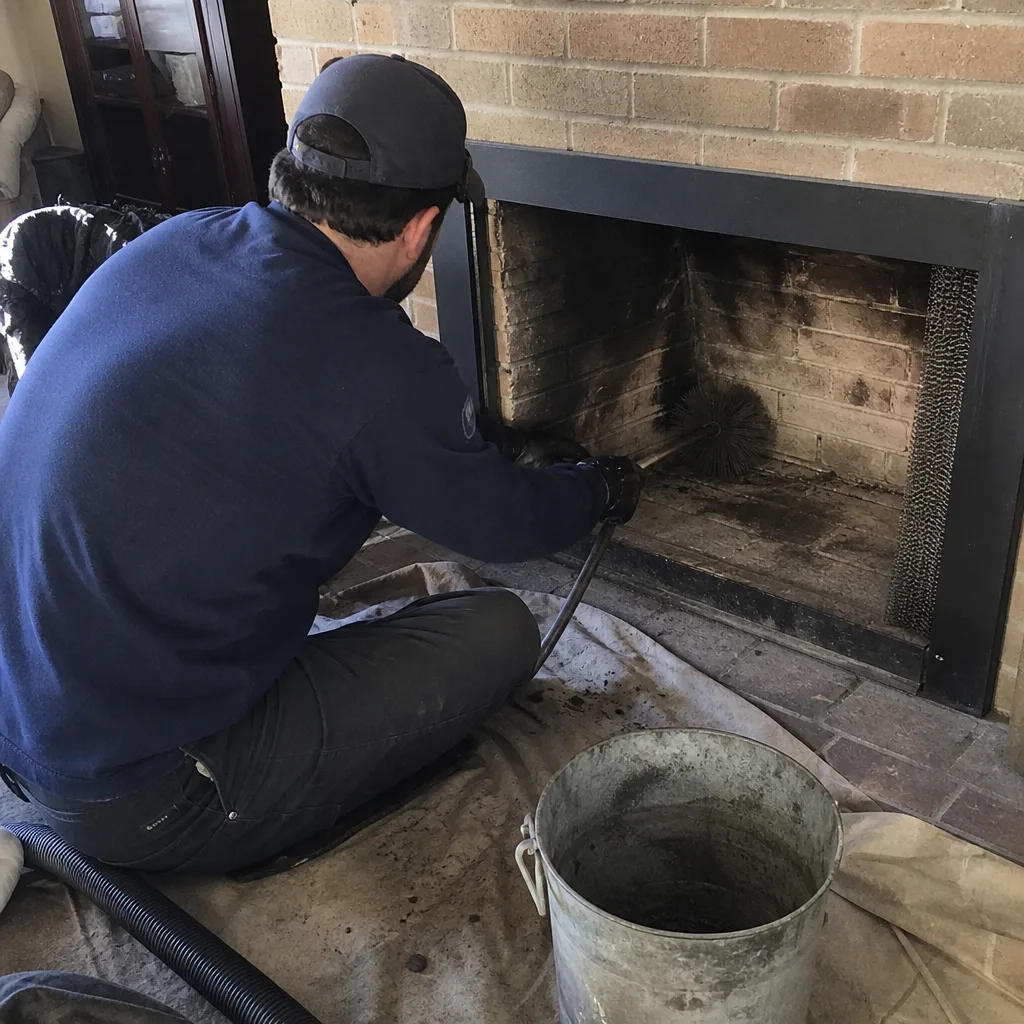
 Sweep & inspection
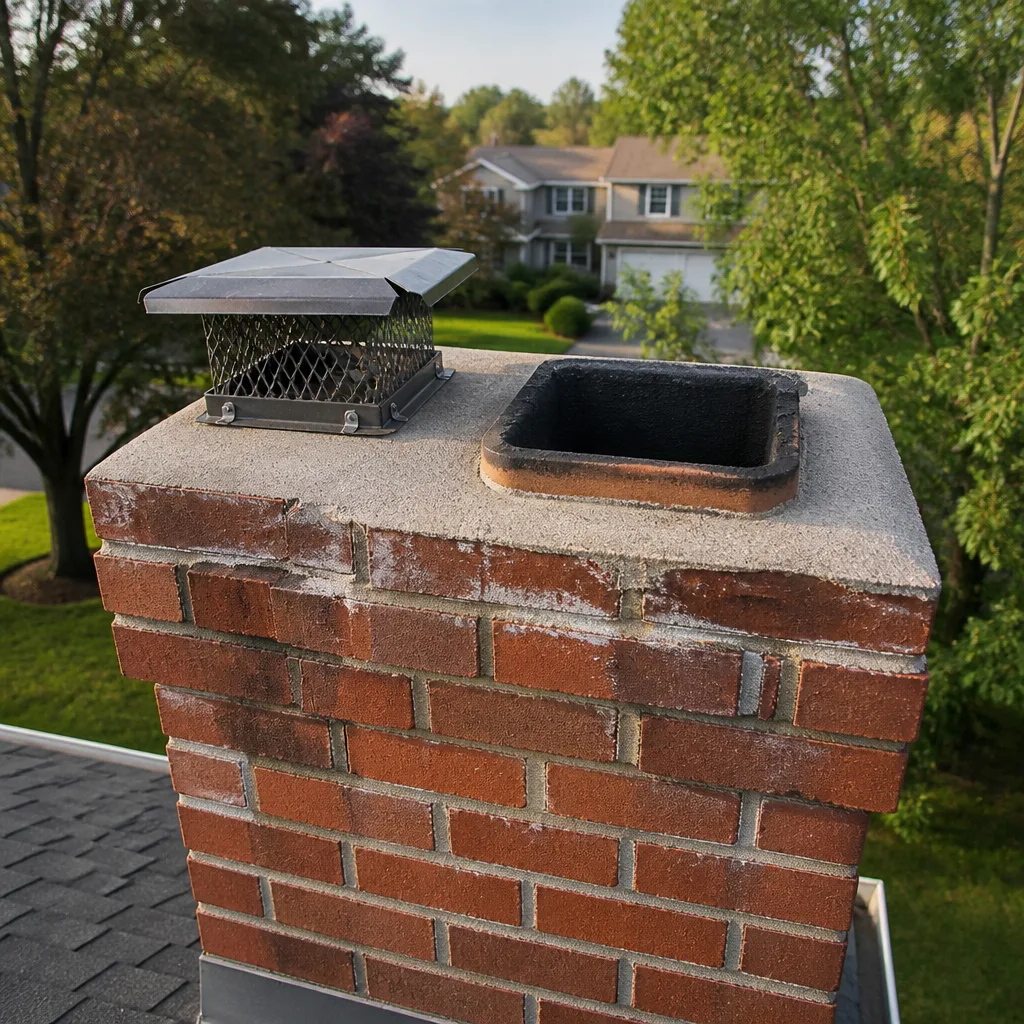
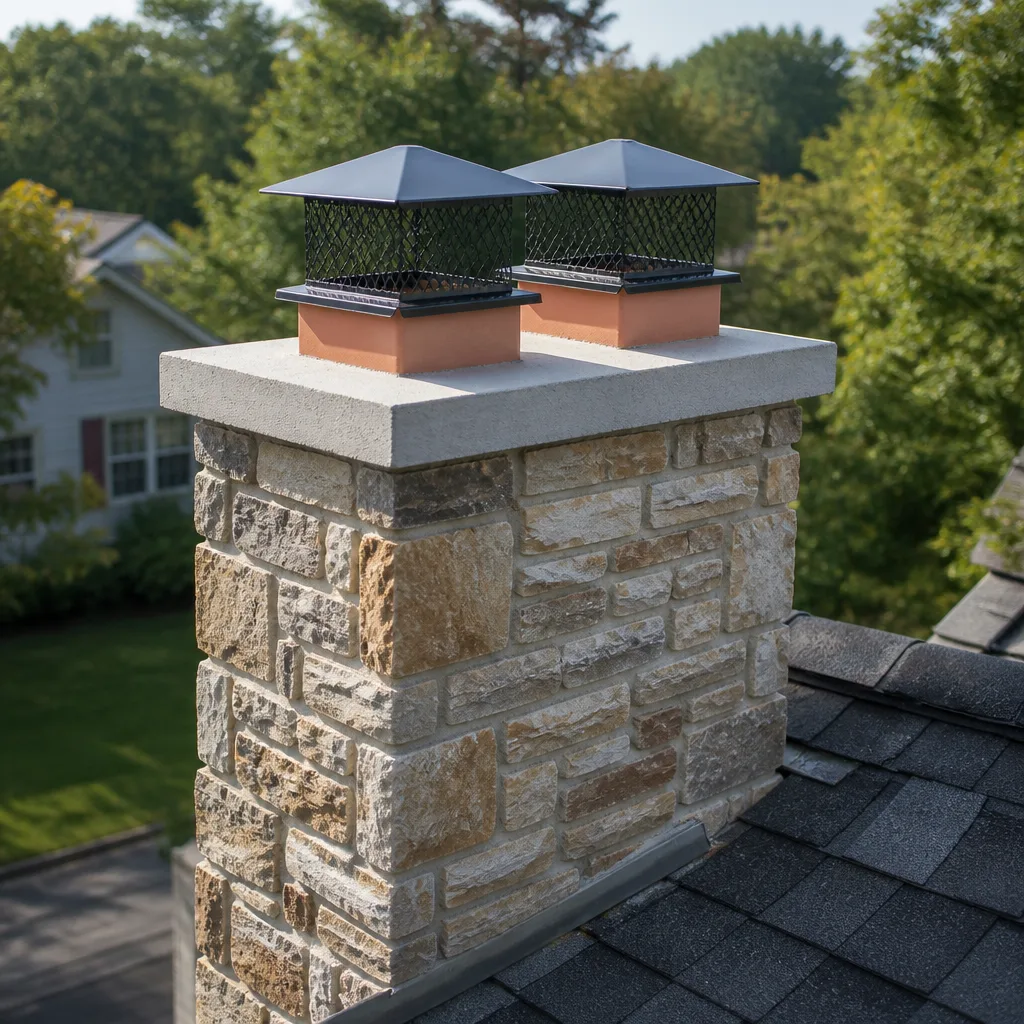 Caps & crowns
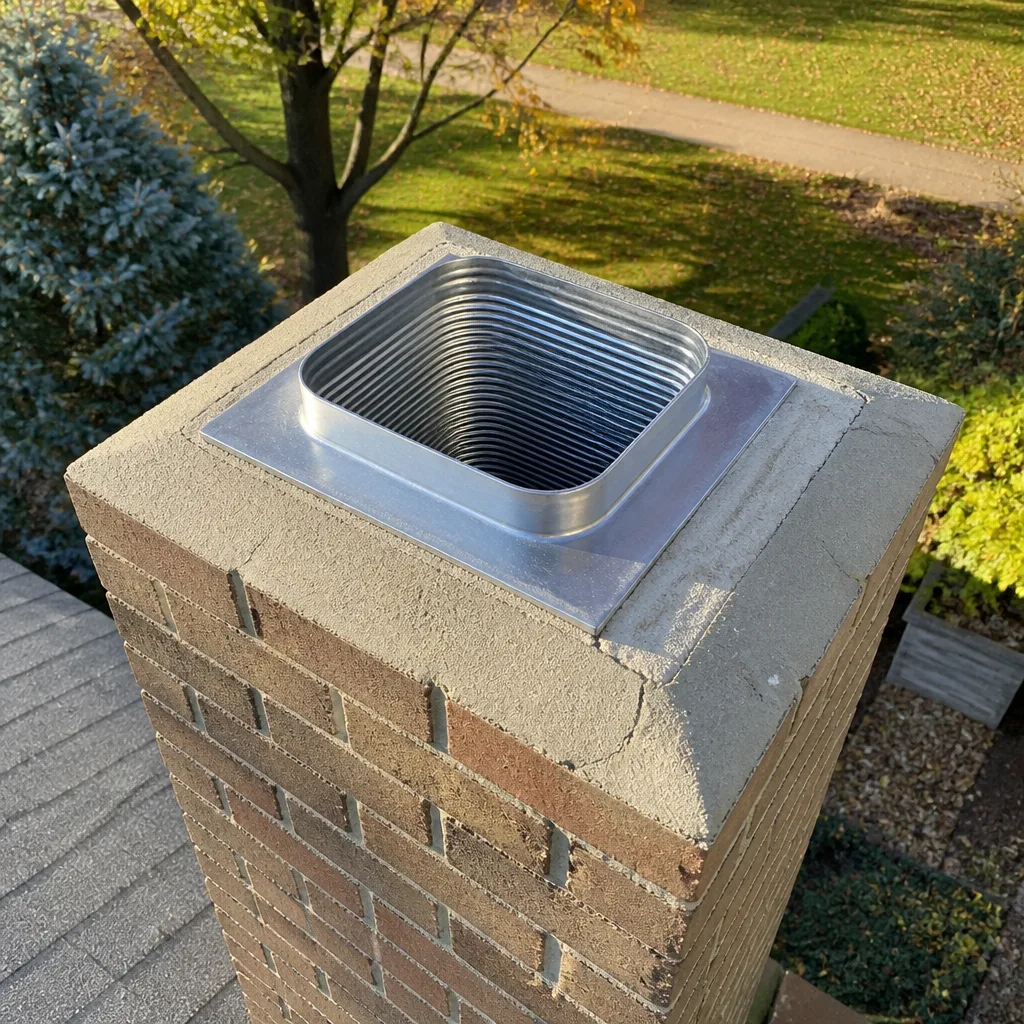 Flue relining
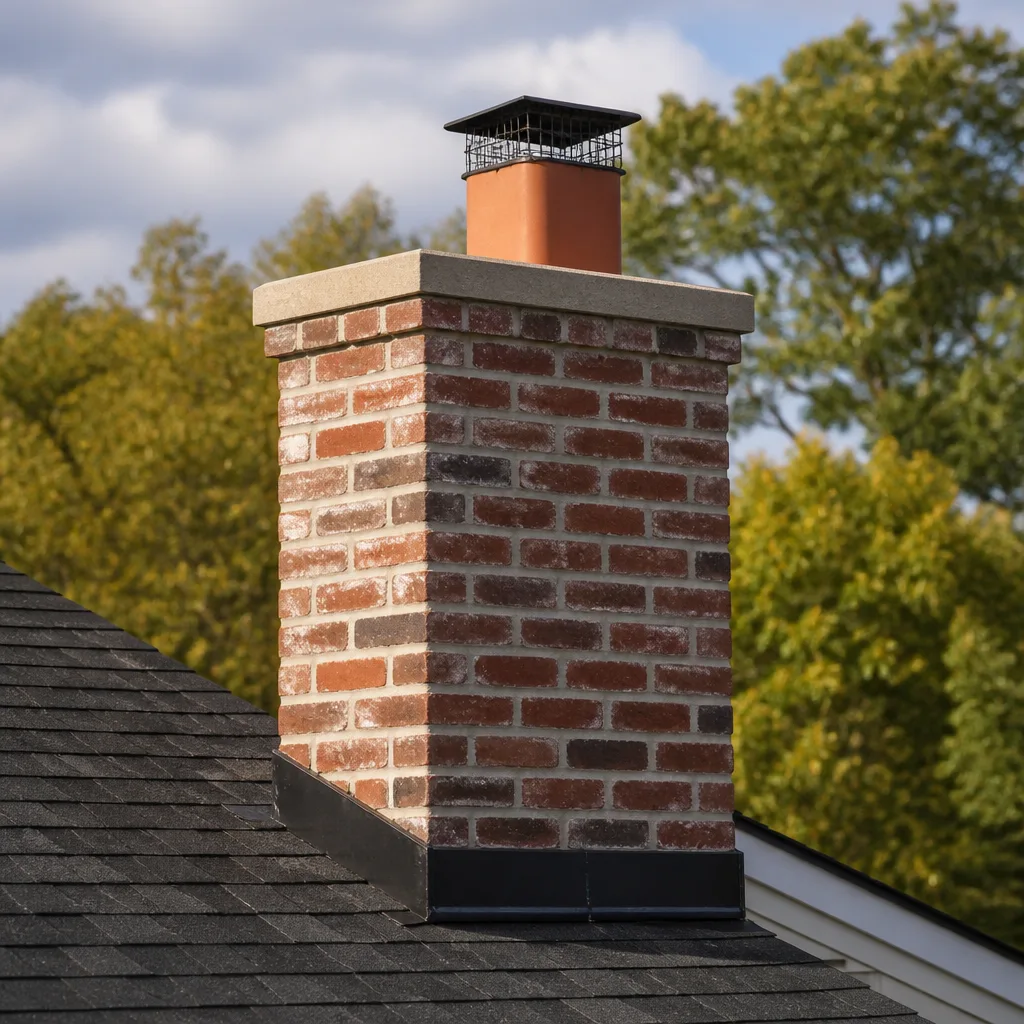 Masonry repair
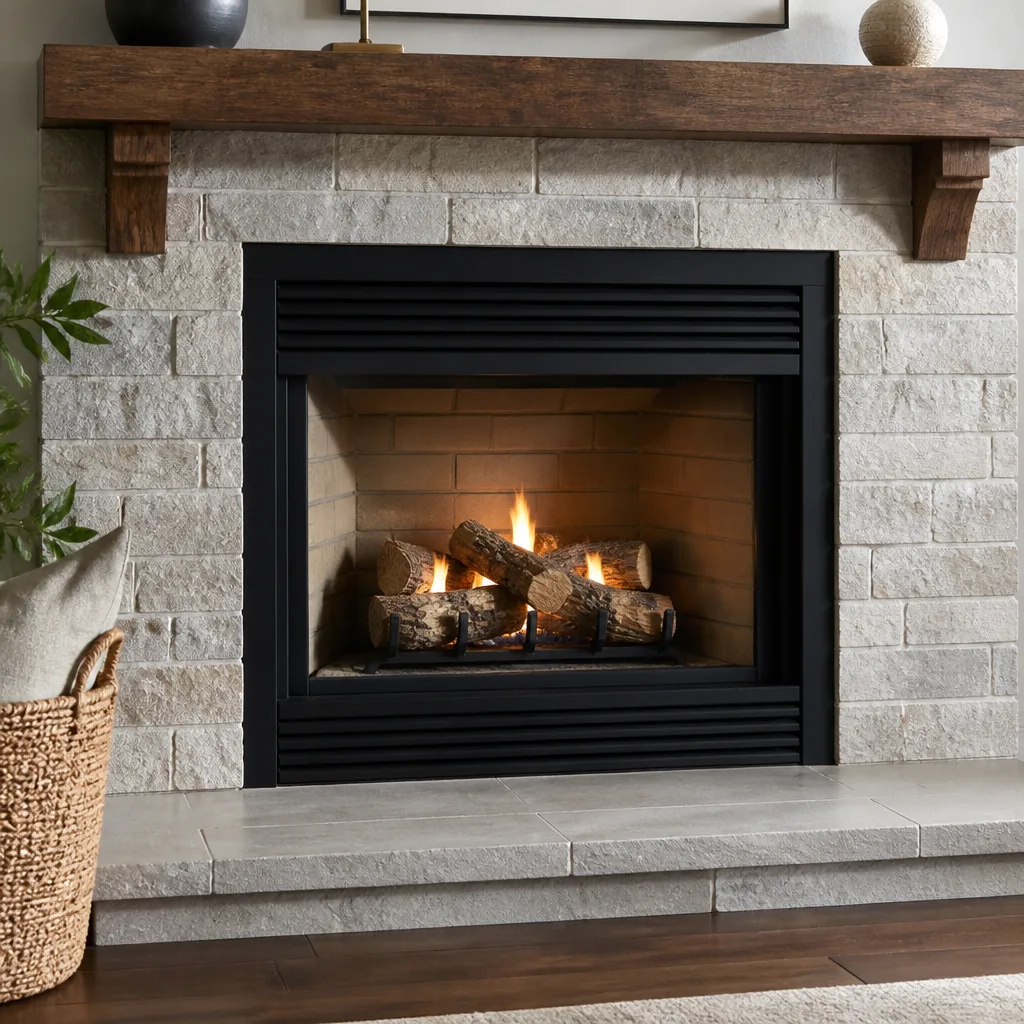 Gas fireplace service
Level 1 sweep and inspection to the NFPA 211 annual standard - flue, crown, cap, and flashing checked and photographed
Chimney sweep logs do not sweep chimneys. They loosen some creosote - which then falls where a brush and vacuum still have to collect it.
Chimney Cleaning Emergency Preparedness Guide for Syracuse Homes
A chimney fire doesn’t always announce itself with a roar. Sometimes it’s a low rumble you feel more than hear, a sudden change in how smoke is moving, or a smell that doesn’t match what’s on the fire. And here’s the part that catches people: a homeowner who mistakes that rumble for a draft problem and adds another log has just fed the thing they were trying to fix. The gap between “get out and call 911” and knowing what to actually do in the first ten minutes is where this guide lives. We’ll walk through how to recognize an active chimney fire, what to do while you wait for help, what happens after, and how to prepare before you ever need to. If you heat with wood in Syracuse, read this before burning season, not after.
Quick Answer
If you suspect an active chimney fire, stop adding fuel, get everyone out of the house, and call 911. Tell the dispatcher it’s a chimney fire specifically, not just a fire in the fireplace, so responding crews know what they’re walking into. Don’t use the chimney again until a professional inspection confirms it’s safe. The single most important prep step for a Syracuse home is getting a professional chimney sweep done before the heating season starts, because a clean flue is far less likely to ignite.
Styles & brands we work with
- Sweep & inspection
- Caps & crowns
- Flue relining
- Masonry repair
- Gas fireplace service
Table of Contents
- How to Recognize an Active Chimney Fire
- What to Do in the First Ten Minutes
- The Damper Question: When Closing It Helps
- After the Fire: Why a Level 2 Inspection Isn’t Optional
- Carbon Monoxide Preparedness for Chimney Blockage
- Your Pre-Season Chimney Emergency Kit
- If You Suspect a Chimney Event Happened While You Were Away
- Common Mistakes to Avoid
How to Recognize an Active Chimney Fire
The visuals people picture are dramatic flames shooting from the top of the chimney. Real chimney fires don’t always look like that, and that’s exactly why they get missed. The cues come in three categories: sound, smoke behavior, and what you can see on the outside of the house. Know all three and you’re less likely to dismiss something serious.
Sound. A roar is the obvious sign. Less obvious are a low rumbling, a crackling that’s louder and more rhythmic than normal wood, or a tapping or popping noise from inside the flue. A chimney fire can be a low, steady rumble that sounds like a strong wind moving through the pipe.
Smoke behavior. Unusual smoke is often the first clue. Watch for a sudden increase in smoke entering the room instead of going up, smoke that changes color or density without you touching the fire, or smoke pushing out of joints, seams, or the top of the stovepipe. Any sudden change in how the draft is behaving, with no change to the fire, deserves suspicion.
Exterior signs. From outside, look for dense smoke or visible flames from the chimney top, sparks or embers coming out, a strange popping or pinging noise, or discoloration and heat on the chimney’s exterior surfaces. Some metallic chimneys can show warping, buckling, or discoloration when hot. These are all reasons to act, not wait.
- Roar or rumble that seems to come from the flue itself
- Crackling or popping louder than ordinary fire sounds
- Sudden smoke changes indoors or from the chimney top
- Sparks or embers visible from the chimney
- Heat or discoloration on the exterior of the chimney
- Chemical or metallic smell that doesn’t match normal fire
If several of these show up at once, assume it’s a chimney fire and act. If even one shows up and something feels off, act anyway. Being wrong costs you a few minutes of caution; waiting costs much more.
What to Do in the First Ten Minutes
The first ten minutes of a chimney fire are the ones that decide whether the event stays contained or becomes a house fire. Clear steps, done in order, give you the best odds. Remember the order: people first, alarm second, dispatcher third, chimney fourth. Never the other way around.
- Get everyone out. Humans and pets leave the house. No exceptions for “just a minute to see.”
- Call 911. Say the words “chimney fire.” Dispatchers need to know it’s not an active room fire or a small kitchen fire. Say where the fireplace is, whether anyone is still inside, and what you’ve already noticed.
- Close the firebox doors or glass front. If it can be done safely on the way out, close the doors to keep burning material inside the fireplace.
- Leave doors and windows closed as you exit. Extra air feeds the fire.
- If you’re already outside, stay outside. Don’t go back for anything. Wait for the fire department to clear the structure.
- Don’t use a garden hose on the chimney. On a hot flue this can crack masonry and injure you with steam. Leave firefighting to firefighters.
- Note the time. The responding department and your chimney professional will want to know roughly when it started.
What to tell 911, in plain language: “There’s a chimney fire at [address]. It’s the fireplace in the [room] on the [floor]. We’ve evacuated. We don’t know if anyone else is inside.” If you can see smoke or flames from the top of the chimney, say so. That tells firefighters what kind of fire they’re approaching.
The Damper Question: When Closing It Helps
Closing the damper is the single most misunderstood step in chimney-fire response. Done at the wrong moment by the wrong person, it can make things worse. Done correctly, it can cut off the oxygen the fire is feeding on. Here’s the version most homeowners never hear.
When closing the damper helps. If you’re already evacuating, if closing it takes only a second, and if it can be done without leaning into a burning fireplace, closing the damper starves the fire of air. This slows the burn and gives firefighters a better chance of containing it. It does not put the fire out.
When closing it doesn’t help. If the fire is hot enough that flames or heavy smoke are moving past the damper, closing it won’t create a seal. Some modern stoves have gasketed doors that seal more effectively than an open fireplace damper ever could. In those cases, the doors are doing more than the damper, and closing them on the way out is the right call.
When NOT to touch it. If the fireplace or damper handle is hot, if there’s smoke filling the room, or if reaching for the damper means stepping toward flames, leave it. The fire department can handle the damper once the fire is suppressed. Never stand in smoke to fiddle with a handle.
- Close the firebox doors if they’re on the way out and easy to reach
- Close the damper only if it takes one second and doesn’t put you near heat
- Never close the damper if smoke is already backing into the room
- Never reach through flames or around hot metal
- Never close the front door of the house and trap yourself inside
Every fireplace is a little different, and what’s easy on one is dangerous on another. This is one reason we walk Syracuse homeowners through their own fireplace setup when we’re out for a chimney sweep: knowing which lever does what, and where your shutoffs are, is part of being ready.
After the Fire: Why a Level 2 Inspection Isn’t Optional
After any chimney fire, the chimney cannot be used again until a professional inspection confirms it’s safe. Not “when things settle down.” Not “next fall.” Before the next fire is lit. A thermal event damages a flue in ways you often can’t see: warped liners, cracked masonry, loose tiles, damaged crowns, and gaps that open up as materials cool unevenly. The Level 2 inspection is what verifies condition after the fire.
A Level 2 inspection goes beyond what you can see from the firebox. It involves a camera inspection of the flue from top to bottom, checks of accessible portions of the chimney structure, and review of how the venting connects through the house. After a chimney fire, we’re specifically looking at:
- Flue liner integrity. Cracks, spalling, separation, and warping from heat. Flexible liners, like DuraFlex systems we use for relining, can be checked for deformation or damage.
- Masonry and mortar joints. Thermal shock shows up here first, especially where the flue and the outside wall meet.
- The chimney cap and crown. Heat and expansion can open cracks, and a cracked crown lets water in, which then freezes and expands in a Syracuse winter.
- Attic and ceiling clearances. A thermal event can compromise the fire separation between the chimney and combustible materials.
- The firebox and damper. Metal components can warp, crack, or seize; masonry can spall.
- Creosote condition. A fire that burns off some creosote leaves a different pattern behind, and any remaining glazed deposits need to be addressed.
If the inspection finds a compromised flue, the fix isn’t always a rebuild. In many older masonry chimneys, HeatShield flue resurfacing restores the interior without tearing anything down. That distinction matters: resurfacing is one repair category and relining with a system like DuraFlex is another, and the choice depends on what the camera actually shows. Brand-name materials give you something you can research on your own, instead of a mystery part from a bin.
Carbon Monoxide Preparedness for Chimney Blockage
A blocked or damaged flue after a chimney fire can send carbon monoxide into the home. That’s the danger most families don’t plan for. CO is colorless and odorless, and the symptoms start out looking like a flu or a bad night’s sleep. The right detector setup and placement are the only reliable early warning you’ll have.
Where to place CO detectors. Every floor of the home that has sleeping rooms, and near each fuel-burning appliance. For a chimney-specific setup:
- One in the same room or adjacent space as the fireplace or wood stove
- One near the furnace flue or boiler room
- One in the hallway outside bedrooms so sleeping occupants hear it at night
- Additional detectors in bedrooms if doors are usually closed
Placement matters as much as presence. Mount detectors at breathing height (roughly the level of a seated person’s head) or follow the manufacturer’s instructions if they specify ceiling or wall placement. Don’t mount one right at the ceiling above the fireplace, where it will go off on a normal fire, and don’t mount one directly against the base of the chimney where it will pick up ambient warmth. Follow the manufacturer’s guidance and the local fire department’s advice for your specific home layout.
Battery check cadence. Test every detector monthly. Replace batteries when the manufacturer’s guidance says to, usually at changes of season, which for Syracuse homes means twice a year. Replace the entire detector at the manufacturer’s end-of-life interval, since sensors wear out even when the alarm still beeps on a test.
If the alarm triggers. Get everyone outside and call 911. Don’t assume it’s a false alarm resulting from cooking or a dusty sensor, especially if anyone has a headache, dizziness, or nausea. Firefighters will do the CO reading and locate the source. A chimney or vent issue is on the list of suspects, and a Level 2 inspection afterwards is how you confirm whether the chimney is the culprit.
We speak to a lot of Syracuse homeowners who think of CO risk as a furnace issue alone. Chimney blockage is the other half of the story, and it’s not covered by the furnace detector down in the basement.
Your Pre-Season Chimney Emergency Kit
Preparedness isn’t about buying more stuff. It’s about knowing what to do and where the phone number is before the chimney makes a strange noise. A few small habits make a big difference, and Syracuse’s long heating season makes it easier than in milder climates: you have a clear window each fall to get ready.
- Put the chimney company’s number where you can find it fast. Not in an email from last year. Stick it on the inside of a cabinet door or save it in the phone under “Chimney.” If something’s wrong, you don’t want to be searching. The number you can save is Chimney Sweep Syracuse at (888) 395-8922.
- Know your fireplace’s shutoffs. If your fireplace includes a gas log set or a gas starter, know where the gas shutoff is. It’s usually nearby on the wall. Test that it actually turns.
- Keep a flashlight and shoes near the exit you’d normally use at night. If smoke fills a room, you want to move through it, not grope through it.
- Snap a few reference photos of your chimney and fireplace now, while everything is normal. They’re your baseline if you ever need to compare.
- Note where your CO detectors live in the house, and write down the replacement date on the inside cover with a marker.
- Schedule your chimney sweep before the season starts. The primary prevention step is a clean flue, and scheduling it in early fall gives you room before the first real fire.
- Clean the area around the fireplace of anything that can ignite, and keep the hearth clear of decorations during burning months.
One more item that doesn’t usually make the kit list but probably should: a little knowledge about what to look for. We’ve seen many chimney problems caught on a routine visit because the homeowner noticed something odd and mentioned it. Trust your instincts, and get it looked at.
If You Suspect a Chimney Event Happened While You Were Away
Sometimes a chimney fire happens with nobody around to witness it. You come home, the fireplace has been cold for a week, and something looks off. Maybe there’s soot on the hearth that wasn’t there before, or a smell of burnt creosote, or a neighbor mentions seeing smoke from your roof. What you do with those clues matters.
Don’t burn in the fireplace until it’s been inspected. Whatever happened is still in the chimney waiting to be found, and the next fire could finish what the last one started. Even a small event can leave a crack or gap that turns into a draft or a leak in the next cold snap.
Document with photos before touching anything. Photograph the firebox, the damper area, the hearth, the area around the chimney at the roofline, the chimney cap from as safe a vantage as you can manage (binoculars are fine), and the inside ceiling near the chimney chase if you can see any discoloration. Photos taken before cleanup give a professional something concrete to reference.
Note anything unusual indoors. Soot on walls, a smoky smell that returns after you air the room out, cracks in the plaster next to the chimney, or a sudden ice dam around the chimney base in winter. Write it down with rough dates. Your chimney professional will ask.
Book a Level 2 inspection. A routine sweep isn’t enough if you suspect a thermal event. The camera inspection is what confirms whether the flue is intact, and the report you get afterwards tells you whether a repair or relining is needed. We use Copperfield and Olympia Chimney components when the answer is relining, and HeatShield when resurfacing is the better fit. You can look up those brands yourself, and we’d rather you did.
Two nearby fire-safety systems are worth mentioning here. A neglected dryer vent is its own fire hazard, and it’s one most chimney companies don’t touch. We handle dryer vent cleaning on the same visit as chimney work, so both hazards get addressed in one appointment. That’s fewer people to coordinate and less chance that one gets forgotten.
Why Syracuse Chimneys Have Their Own Challenges
A chimney in Syracuse is asked to do its job in some of the toughest conditions in the country. Cold, wet winters, freeze-thaw cycling, wet heavy snow, and long heating seasons all stress masonry and metal in ways a chimney in a milder climate never sees. Understanding those stresses is part of being prepared.
Freeze-thaw cycling is the big one. Water gets into small cracks in the crown or mortar, then freezes, expands, and opens the cracks wider. Over a few winters a tiny issue becomes a structural one. That’s one reason we look at the crown and cap every sweep, and why the cap (Gelco and Famco make components we use) matters as much as the inside of the flue.
Creosote buildup is a seasonal hazard here. Long burning seasons mean more fires per year and more creosote deposits, and creosote ignites at a lower temperature than people expect. A sweep removes deposits before they reach a dangerous thickness. We can’t give a specific number of visits that fits every Syracuse home, because it depends on what you burn, how often, and how the stove is set up. The safest rule is to have it swept once a year for regular use, and more often if you burn a lot of green or sappy wood.
Snow load and ice. Snow and ice sitting on a chimney crown or around the cap accelerates freeze-thaw damage. If you see an ice dam forming at the base of the chimney in winter, treat it as a signal that the flashing or cap has issues. Don’t climb onto a snowy Syracuse roof to inspect it yourself: steep-roof and ice work are genuinely dangerous, and trained professionals make that call from the ground or with the right equipment.
Aging masonry. Many older Syracuse homes have chimneys built with brick and mortar that are now into their second century of thermal cycling. Old does not always mean unsafe, but it does mean the chimney benefits from being checked more than a newer chimney would. If you’ve inherited a neglected chimney, don’t guess at its condition. Get a camera inspection and start from facts.
If you’re not sure where you fit in the Syracuse area, we work with homeowners throughout Syracuse and the surrounding neighborhoods, and we can talk through what a sensible schedule looks like for your home.
What a Professional Chimney Inspection Actually Looks Like
A routine sweep and a Level 2 inspection are two different things, and knowing which one you’re getting is part of being a prepared homeowner. A sweep cleans the flue. A Level 2 inspection evaluates it, including the parts you can’t see. Emergency preparedness is as much about having a proper inspection on the calendar as it is about having a fire extinguisher in the hall.
A routine chimney sweep typically includes:
- Cleaning the firebox, damper, smoke chamber, and flue
- Clearing soot and creosote deposits from the accessible flue
- A visual check of accessible chimney components
- Review of what was found and anything that needs a closer look
A Level 2 inspection goes further:
- Camera inspection of the flue from top to bottom, including any offsets or transitions
- Accessible portions of the chimney structure checked for cracks, gaps, or movement
- Attic, crawlspace, and clearance checks where the chimney passes through or near combustible materials
- Chimney cap, crown, and flashing review from ground-level and roof-safe vantage where accessible
- Venting connections for the fireplace, stove, or any appliances sharing the chimney
- A written report you can keep, compare against a future inspection, and reference after any event
We bring photos and video to the conversation, not just words. “Your liner is failing” is not helpful if we can’t show you the failing liner. A picture tells you exactly what the problem is, and you can decide what to do about it, including waiting if it’s safe to wait.
For Syracuse homes with a fireplace or stove in regular use, the standard schedule is one sweep per year, more if the fireplace sees heavy use. For homes that have been neglected or inherited, a Level 2 inspection is the better starting point. You can’t make a plan for a chimney you haven’t actually seen.
See the difference
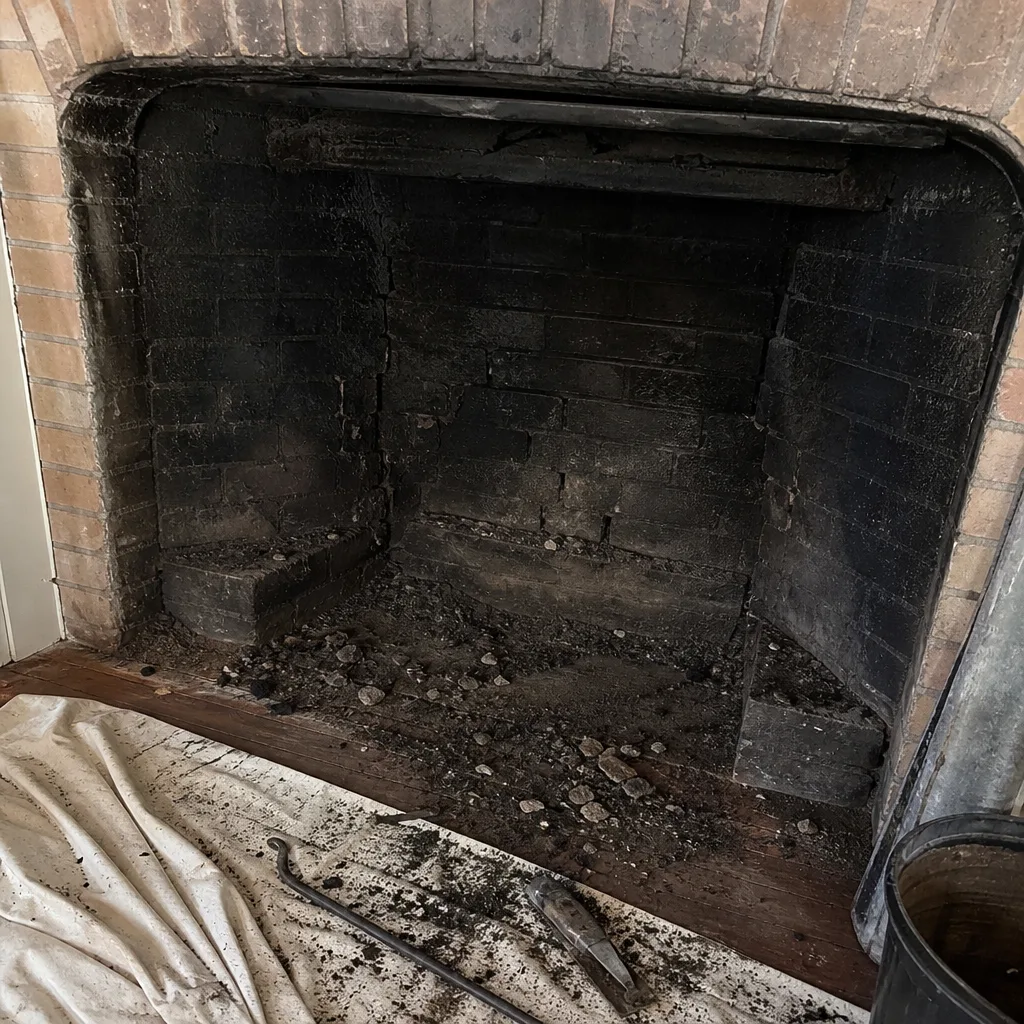 Before
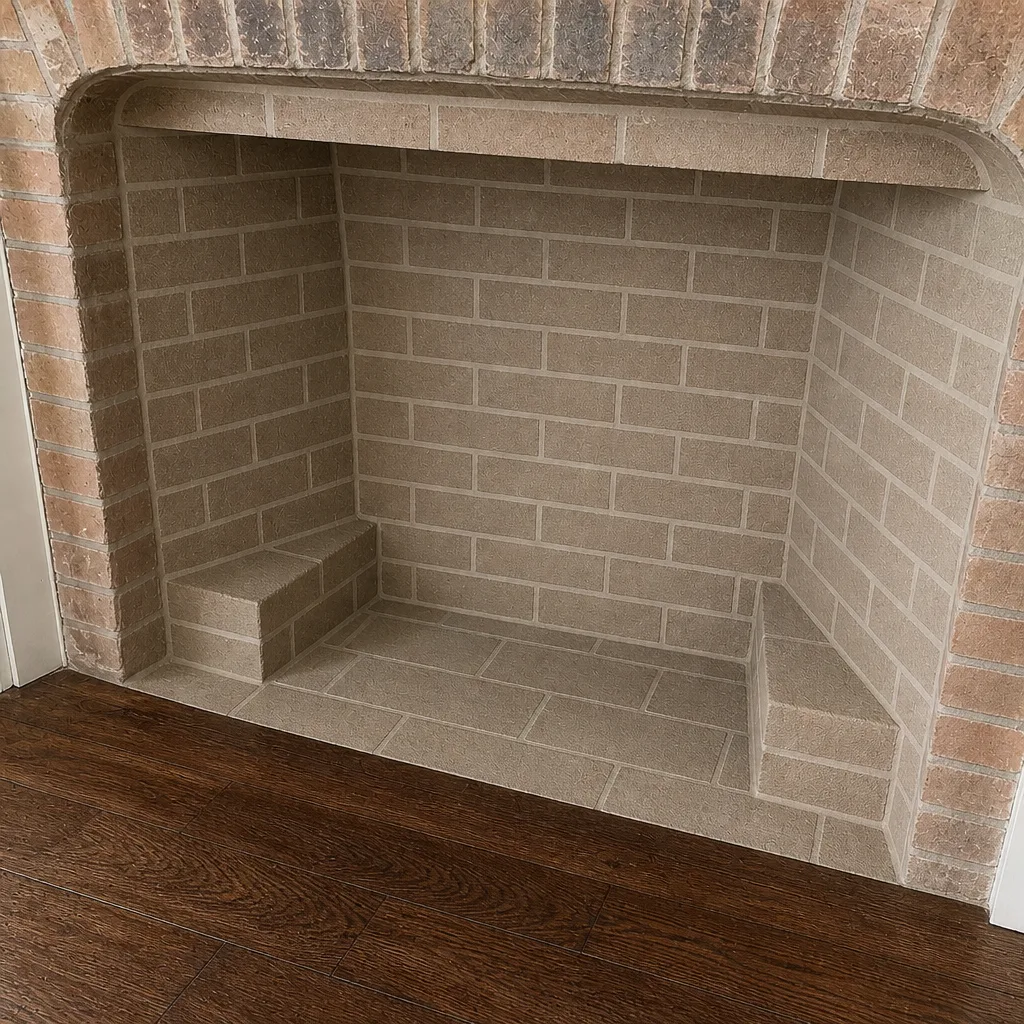 After
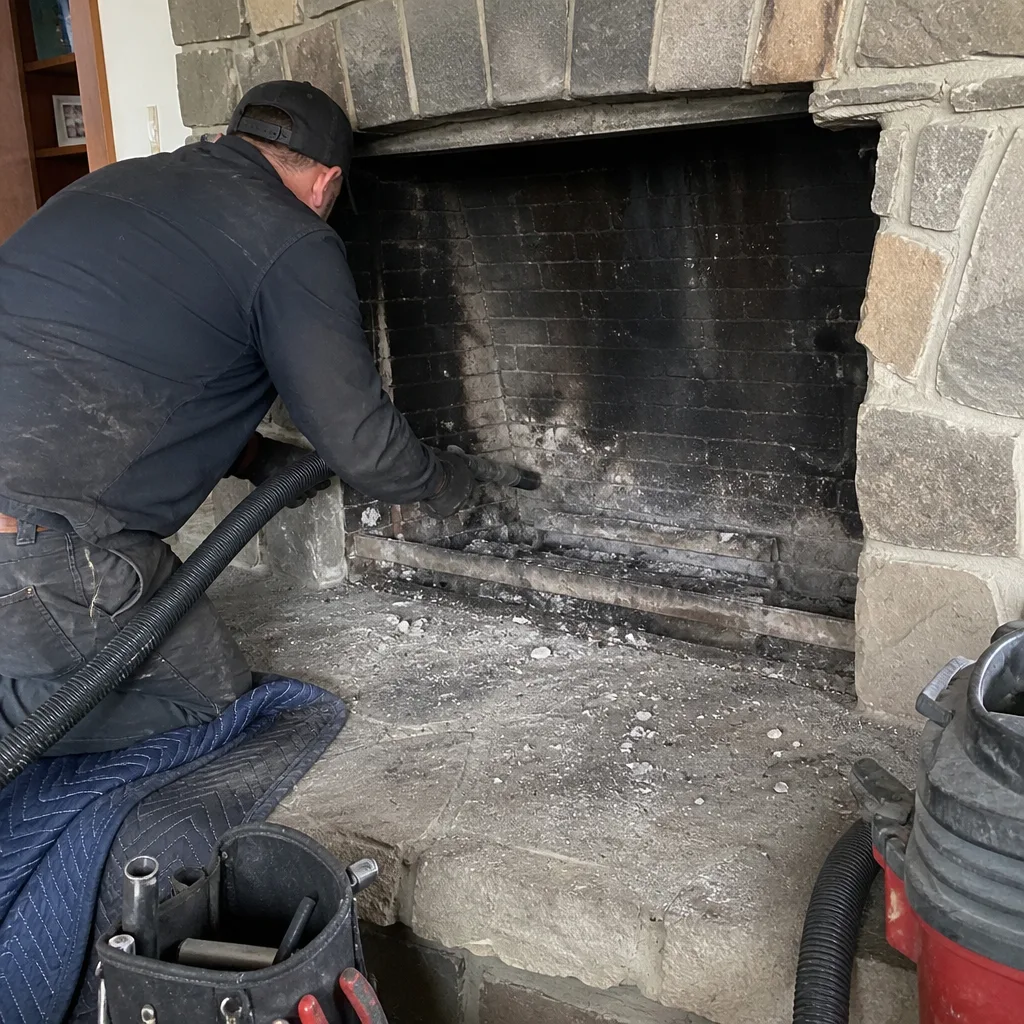 Before
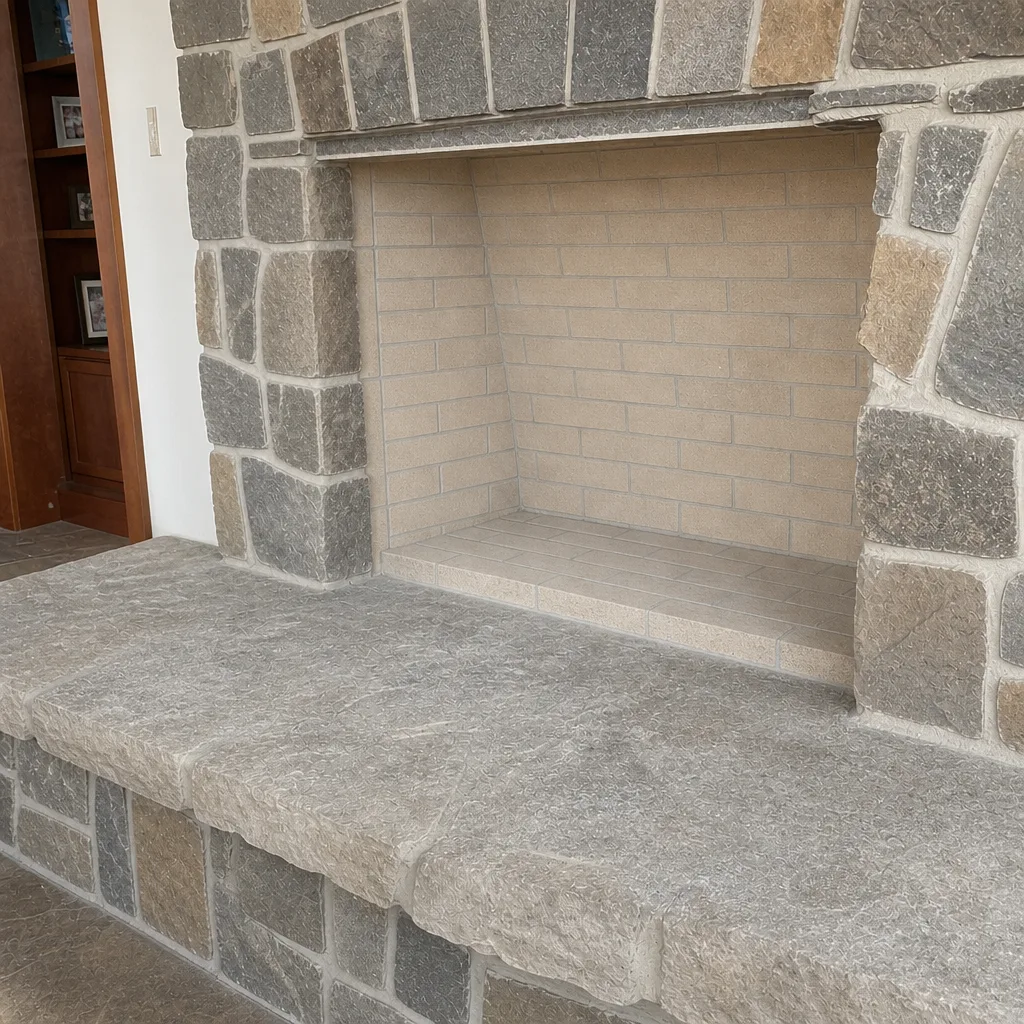 After
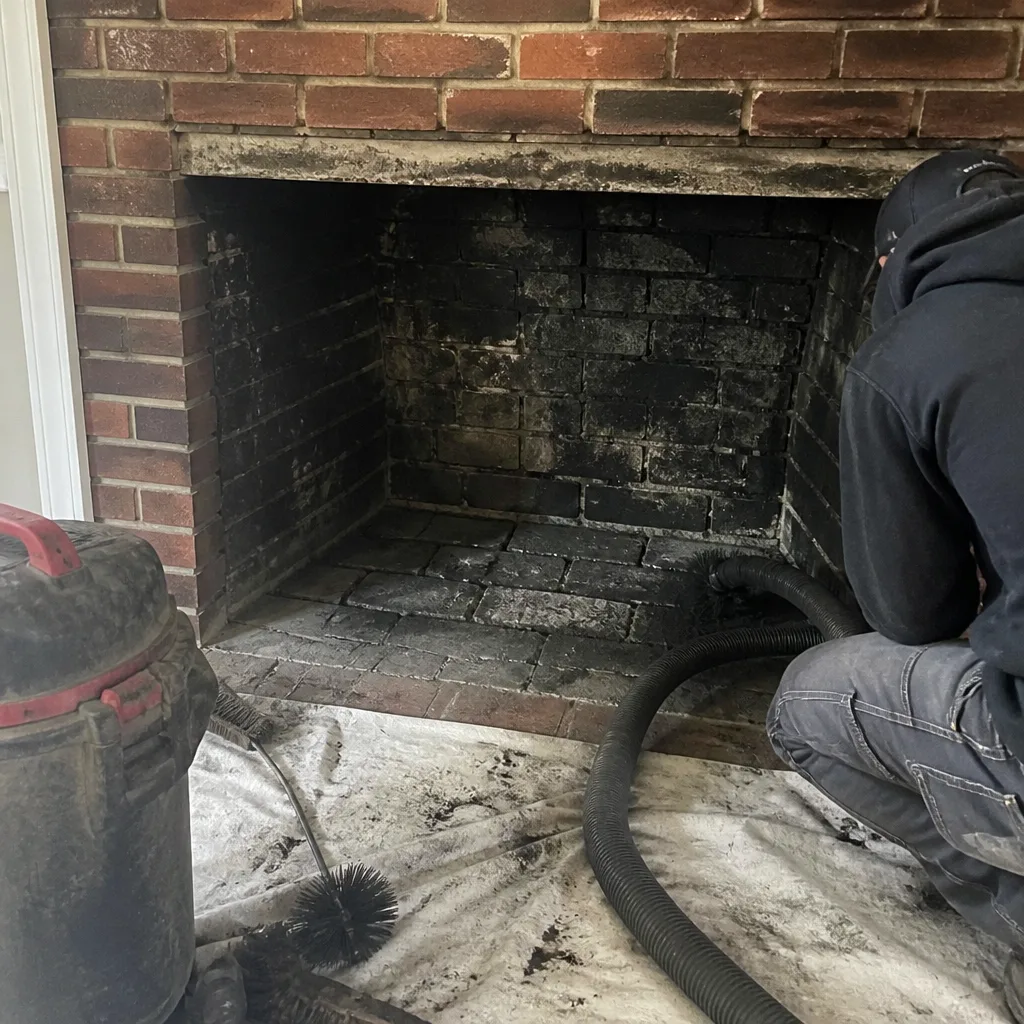 Before
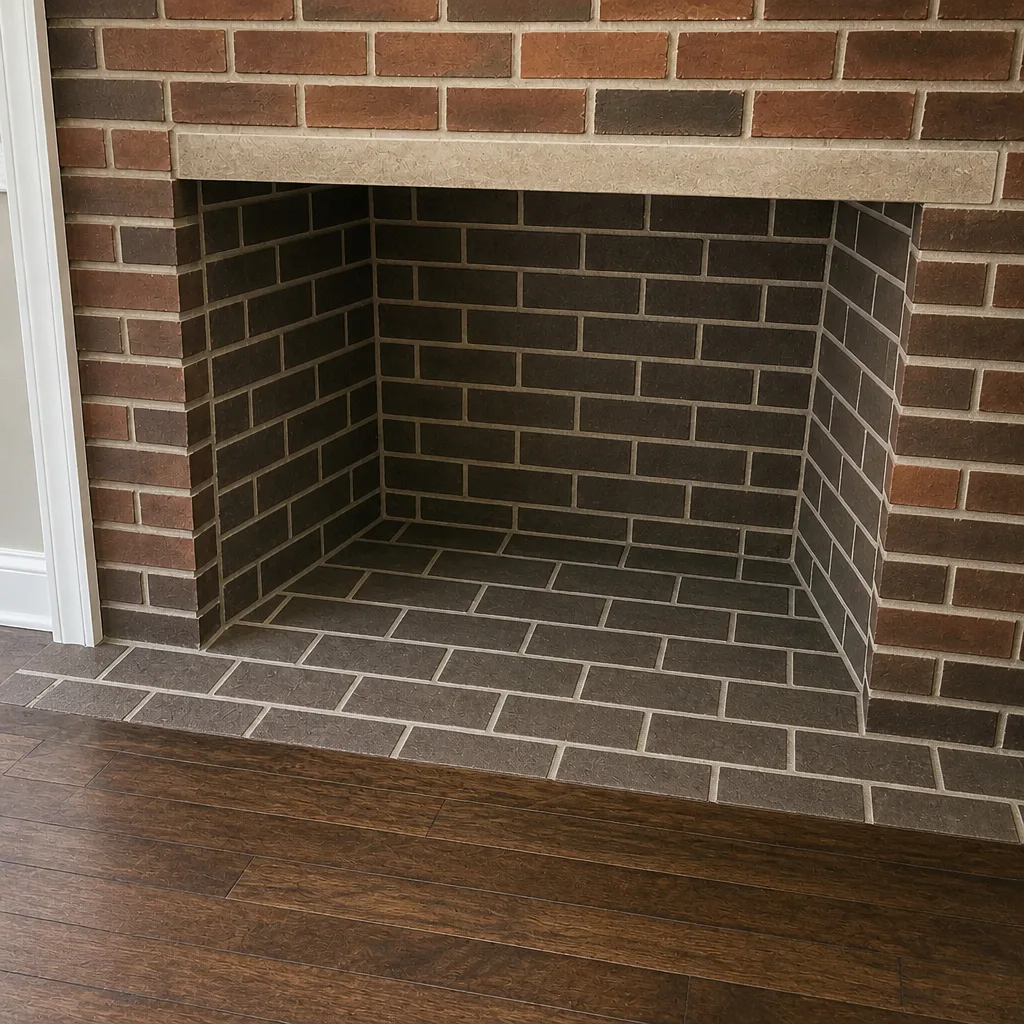 After
Common Mistakes to Avoid
- Adding a log when you hear a rumble. This is the single most dangerous mistake. A rumble is a sign something is already burning harder than it should. Adding fuel makes it worse. Stop, look, listen, and get out.
- Opening the front door to “let air in.” Extra air feeds a chimney fire. If you’re already evacuating, close doors behind you as you leave.
- Calling 911 to report a “small fire in the fireplace.” Say “chimney fire.” Dispatchers and responding crews need to know the difference.
- Using the chimney again right after a fire because “it looks fine.” Damage inside a flue doesn’t stop at the firebox. A Level 2 inspection is the only way to know if it’s safe to use again.
- Skipping the CO detector near the fireplace. A blocked flue after a chimney fire can send CO indoors before smoke is obvious. Placement near fireplaces and furnace flues is part of being prepared, not an add-on.
- Climbing onto a snowy Syracuse roof to check things yourself. Snow, ice, and steep pitches make this genuinely dangerous. Let a trained professional assess it.
- Assuming a chimney fire “put itself out” if you were away. If you suspect a chimney event while you were gone, book a Level 2 inspection before you burn again. Photos taken before cleanup help the inspection.
When to Call a Professional
Call a chimney professional for any active or suspected chimney fire, right away, before you use the fireplace again. Call if you smell creosote or an odd chemical smell after burning, if you notice soot on the hearth or walls that wasn’t there before, or if a CO detector has ever triggered in your home. Call before the season starts for an annual sweep, and book a Level 2 inspection if you’ve inherited a chimney or don’t know its history. If you’re in Syracuse and any of those situations sound familiar, we’re glad to help. Chimney Sweep Syracuse offers free estimates in Syracuse – call (888) 395-8922. We answer 24/7.
Frequently Asked Questions
Get everyone out of the house and call 911. Tell the dispatcher it’s a chimney fire specifically, and stay outside. Don’t add water, don’t go back inside, and don’t use the chimney again until a professional has inspected it. After the fire department clears the house, the next step is a Level 2 inspection to confirm the flue is safe.
A chimney fire often produces a low rumble, crackling or popping that’s louder than normal, or a sudden change in smoke behavior. A draft problem usually produces a slow, steady reversal in smoke with no unusual sound. If you hear a rumble and see smoke behavior change, treat it as a chimney fire and get out. Call (888) 395-8922 for an inspection if you’re unsure what you saw.
Because you can’t see the entire flue from the firebox. Chimney fires leave cracks, warped liners, or separated joints that are only visible with a camera inspection. Burning again before a Level 2 inspection can turn a contained event into a house fire. A professional camera inspection confirms whether the flue is intact. The fix might be HeatShield resurfacing, a DuraFlex relining, or no repair at all, and only the camera tells you which.
Place one near the fireplace or wood stove, one near the furnace flue, and one in the hallway outside bedrooms. Test every detector monthly and replace batteries at season changes. If the alarm triggers, get everyone outside and call 911. A chimney blockage can be the source, and a Level 2 inspection afterwards confirms it. Call (888) 395-8922 for a free estimate if you need one scheduled.
Once a year for regular fireplace use, and more often if you burn heavily or burn a lot of green or sappy wood. Syracuse’s long heating season means more fires per year and more creosote deposits, which is why annual sweeps matter here. If you’ve never had one, book a Level 2 inspection first. Call (888) 395-8922 for an appointment – estimates are free.
Yes. A chimney fire can compromise the flue and the fire separation between the chimney and nearby combustible materials, even when the firebox looks normal afterwards. That’s why any suspected event, including one that might have happened while you were away, calls for a Level 2 inspection. Document with photos before cleanup. Call (888) 395-8922 for an inspection scheduled.
Yes. Lint buildup in a dryer vent is a leading cause of household fires, and most chimney companies don’t handle it. Having both cleaned on the same visit means two separate fire hazards are addressed in one appointment. If you’ve never had your dryer vent cleaned, add it to the annual checklist. We handle this alongside chimney work for Syracuse homes. Call (888) 395-8922 for a free estimate.
We answer 24/7. A call outside dispatch hours is booked into the next opening, Sunday through Friday, 7am to 7pm. We don’t dispatch crews on Saturday. If a chimney problem comes up, call our phone line, and we’ll schedule you into the next available slot.
The Bottom Line
The first ten minutes of a chimney fire decide what happens next, and the decisions are simpler than they feel: get everyone out, call 911, say “chimney fire,” and stay out. Close doors on the way if you can do it safely. Don’t add a log to a rumble. After any event, no fire in that chimney until a Level 2 inspection confirms it’s safe. Then prepare before you ever need to: sweep annually, know your CO detector layout, know where your fireplace shutoffs are, keep the chimney company’s number within reach, and book the inspection you’ve been putting off. That’s the whole plan. It’s not complicated, and it’s the difference between a scare and a disaster. Our technicians have up to experience, and we’re happy to look at yours. Call (888) 395-8922 for a free estimate. We answer 24/7. Fast dispatch from 7am to 7pm, Sunday through Friday.
Written by the team at Chimney Sweep Syracuse.