
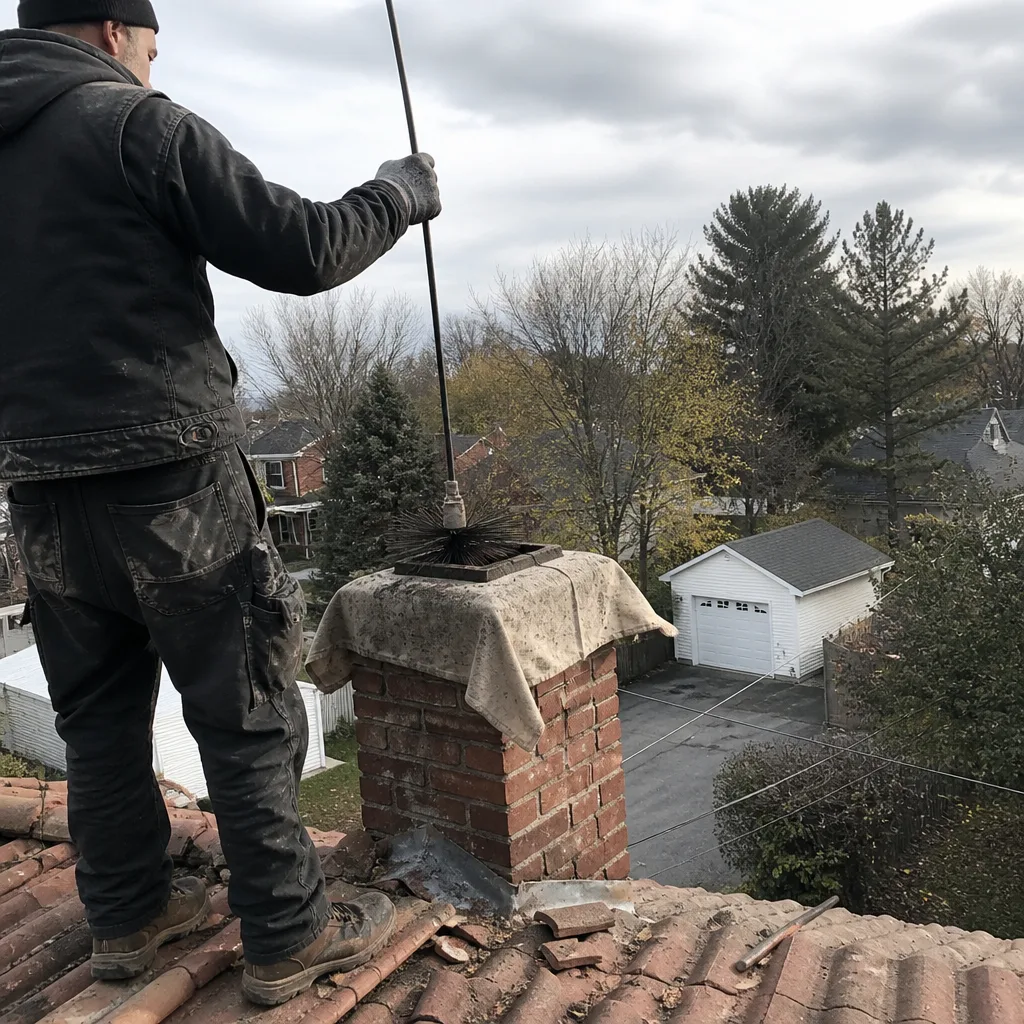
Last updated November 15, 2026
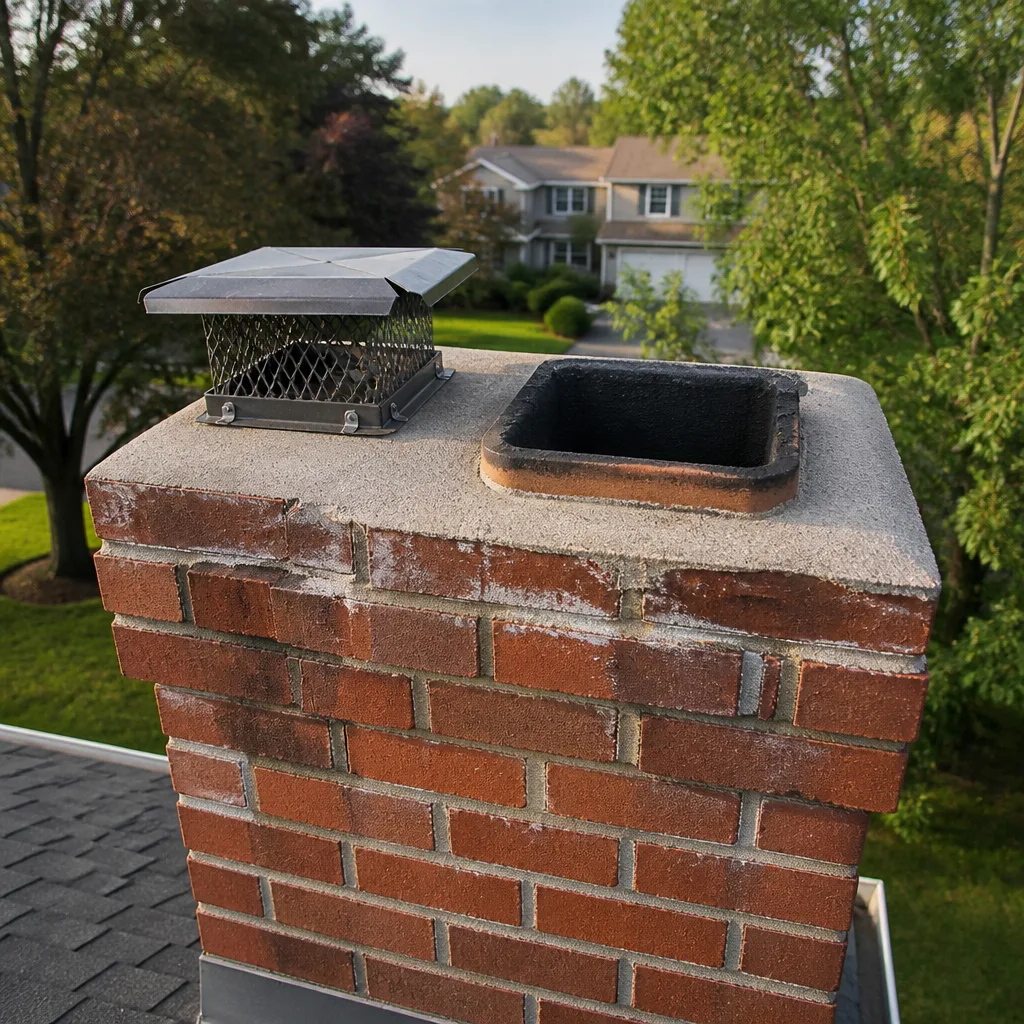 Sweep & inspection
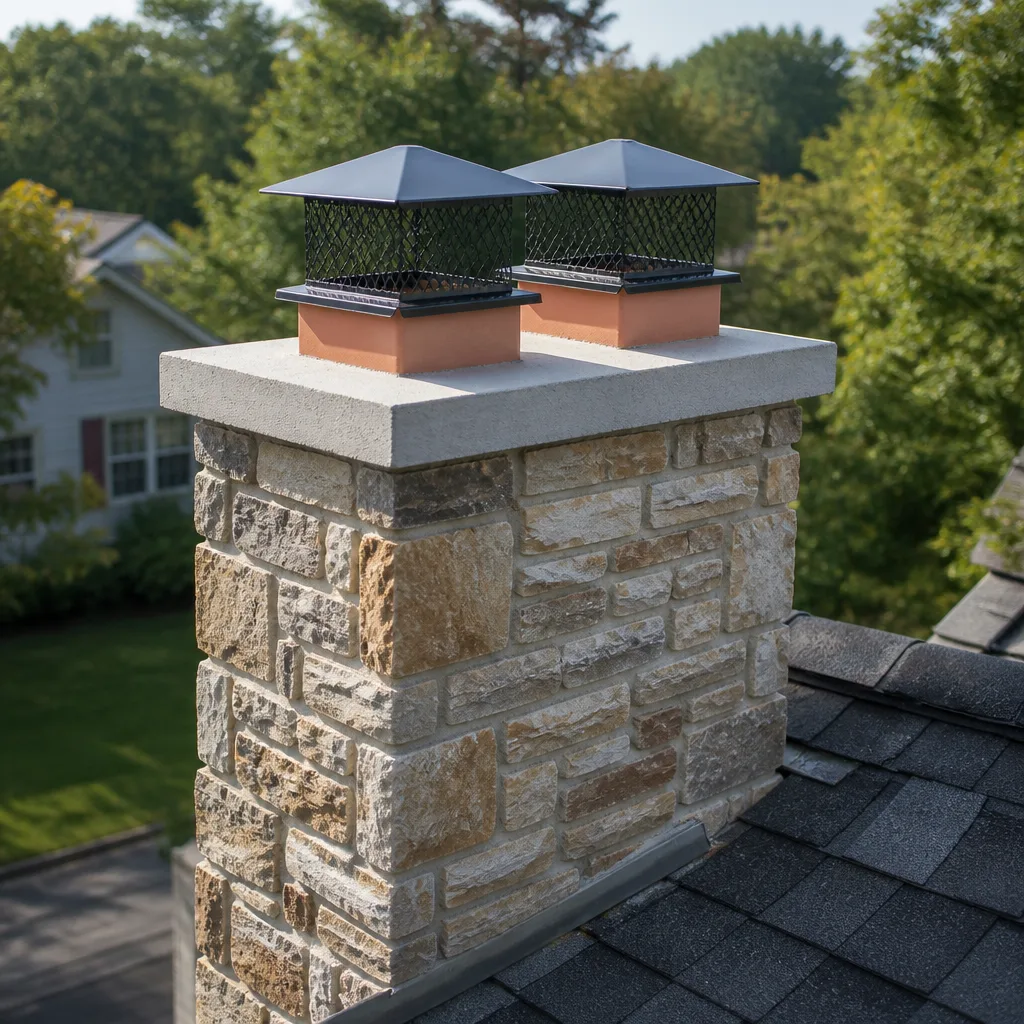 Caps & crowns
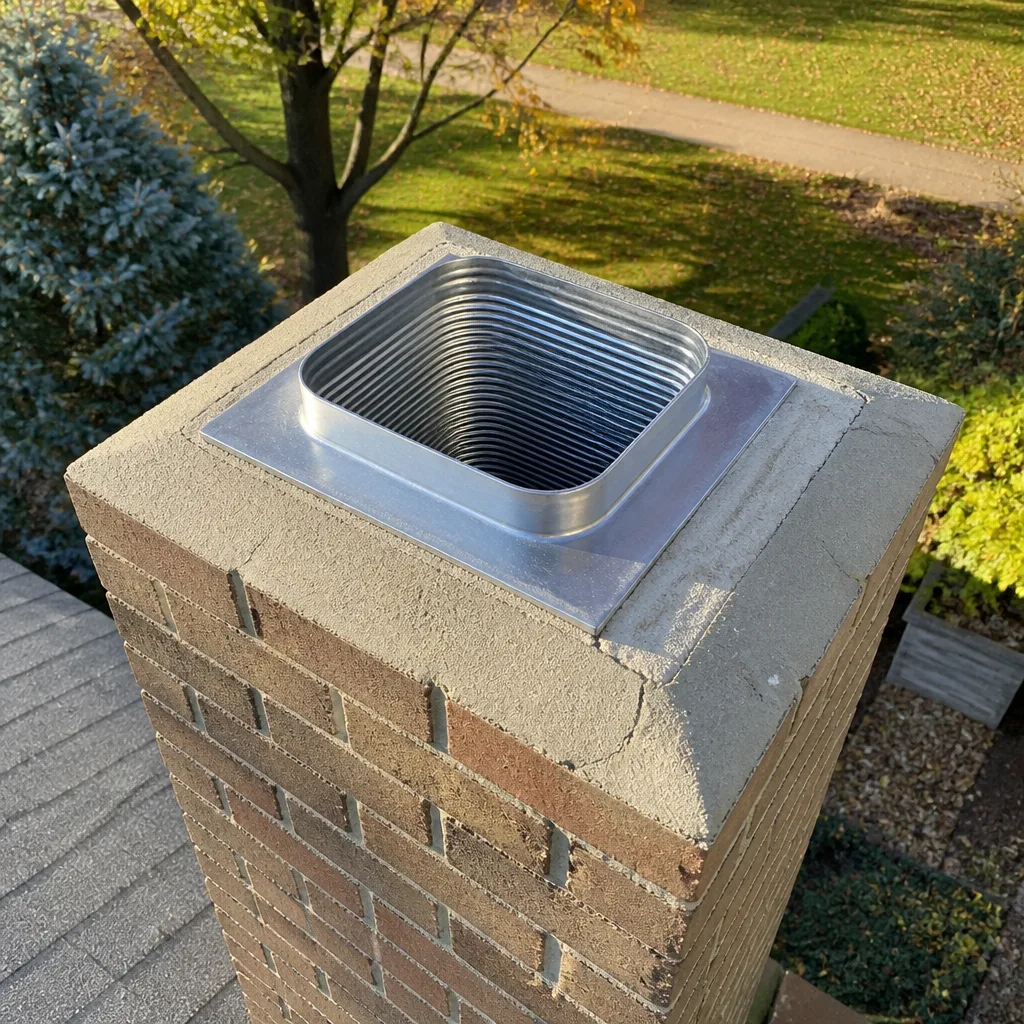 Flue relining
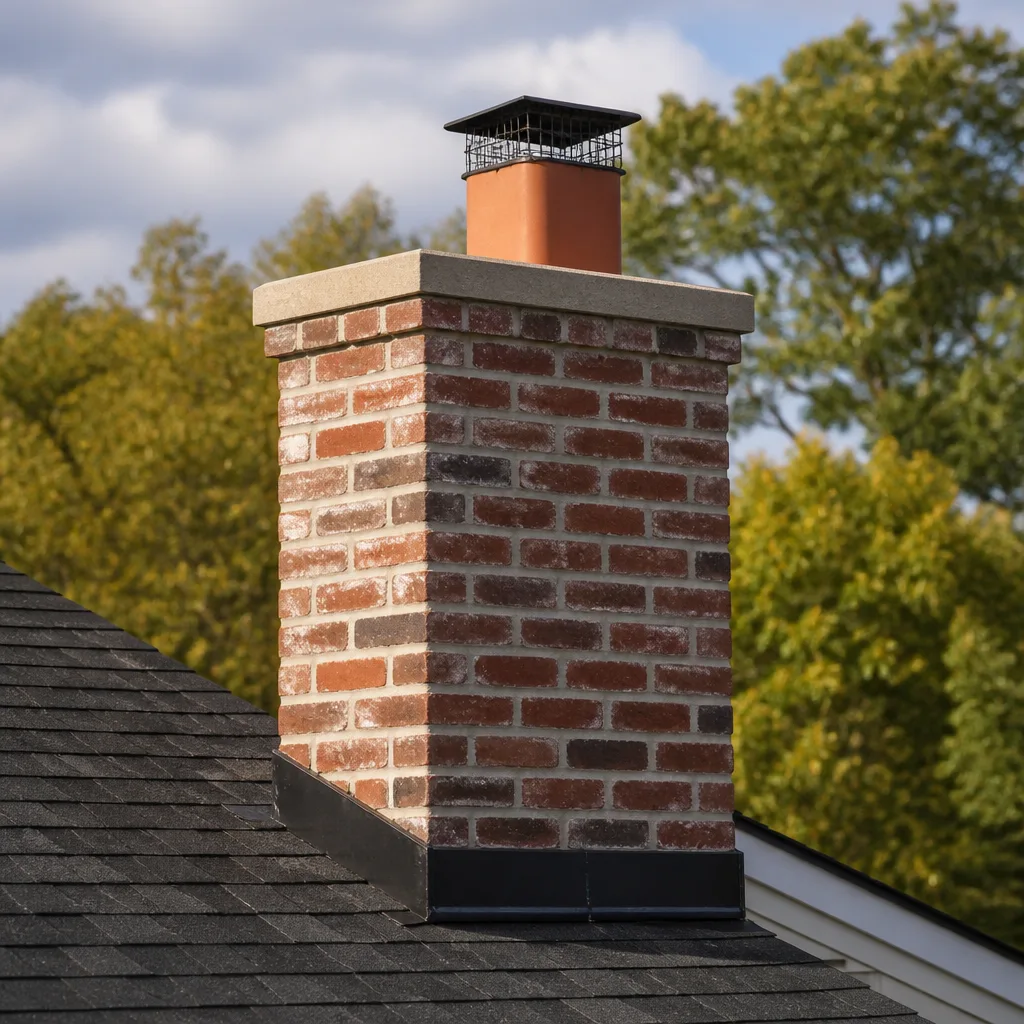 Masonry repair
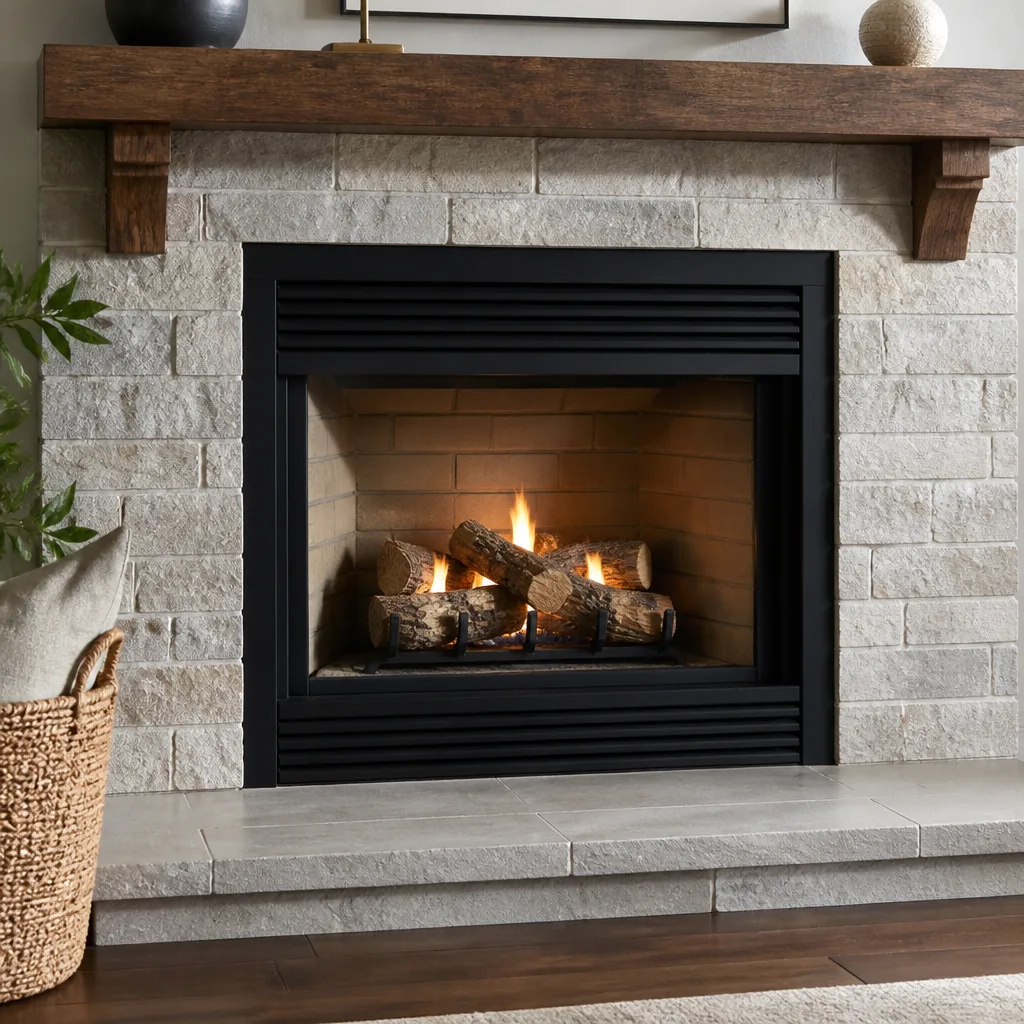 Gas fireplace service
Level 1 sweep and inspection to the NFPA 211 annual standard - flue, crown, cap, and flashing checked and photographed
Chimney sweep logs do not sweep chimneys. They loosen some creosote - which then falls where a brush and vacuum still have to collect it.
How to Hire a Chimney Cleaning Contractor in Syracuse: A Step-by-Step Guide
Most homeowners vet a chimney contractor the same way they’d pick a plumber: cheapest quote, soonest opening. That approach misses the real question. The chimney trade has almost no barrier to entry – a truck, a set of brushes, and a website are enough to start taking calls – so the person who answers may not be the one qualified to find what the last sweep missed. Certification helps verify knowledge, and here’s the catch: the industry’s written exam tests understanding, not hands-on workmanship. This guide shows you how to hire in Syracuse by asking the questions that separate a sweeper from a repair-capable specialist.
Quick Answer
To hire a chimney cleaning contractor in Syracuse, verify three things before you book: an NFPA 211 inspection level is stated in writing, both general liability and workers’ compensation insurance are confirmed, and the quote has named line items rather than a single lump sum. Then ask what liner and resurfacing materials the contractor actually installs, because that answer reveals whether they do repairs or refer them out. A legitimate sweep comes with a written report of what was found, not a verbal “looks fine.”
Styles & brands we work with
- Sweep & inspection
- Caps & crowns
- Flue relining
- Masonry repair
- Gas fireplace service
Table of Contents
- Why Vetting a Chimney Contractor in Syracuse Matters More Than You’d Think
- What “Fully Insured” Actually Needs to Mean
- Understanding NFPA 211 Inspection Levels Before You Call
- The Materials Question That Reveals a Real Repair Contractor
- What a Real Camera Inspection Report Looks Like
- Red Flags in a Chimney Quote
- How to Compare Quotes When the Scope Differs
- Step-by-Step: Your Hiring Checklist
Why Vetting a Chimney Contractor in Syracuse Matters More Than You’d Think
A chimney is a hidden system. You see the firebox and the cap. Everything that matters – the flue lining, the smoke chamber, the crown, the joints between flue tiles – sits where nobody looks during a normal evening by the fire. So when a contractor hands you a verdict, you’re trusting a person you met an hour ago to describe a part of your house you can’t inspect yourself.
That trust gap is why the trade attracts both genuine specialists and fast operators. Someone with brushes and a ladder can spend twenty minutes and charge for a sweep without ever reaching the creosote that matters. In our experience, the homeowners who end up frustrated aren’t the ones who paid the most – they’re the ones who never got a straight explanation of what was found and why it needed fixing.
Syracuse winters put extra demand on a chimney. The heating season runs long, fires burn more often, and creosote accumulates faster than it does in milder climates. The freeze-thaw cycle that works on masonry here also opens small cracks in a crown or chimney shoulder, and those cracks let water in where it can quietly damage the structure over a few winters. A contractor who understands this climate will be looking at more than the flue interior.
A chimney sweep is maintenance. A chimney inspection is diagnostic. They’re related but distinct, and confusing them is the first mistake in the hiring process. In our experience, homeowners who understand the difference ask better questions from the first phone call – and get better answers.
What “Fully Insured” Actually Needs to Mean
When a contractor says “fully insured,” ask for two things: a certificate of general liability insurance and a certificate of workers’ compensation insurance. These are different coverage types, and you want proof of both before anyone climbs onto your roof.
- General liability covers damage to your property. A dropped tool through the ceiling, a cracked flue tile, a roof shingle broken underfoot – this is the policy that responds.
- Workers’ compensation covers the workers if they’re injured on your property. Without it, an injury on your roof could become a claim against your homeowner’s policy. This is the coverage homeowners most often forget to ask about, and the one most often missing.
Don’t just accept a verbal “yes.” Ask for the certificate to be sent before the visit. A legitimate contractor will supply it without hesitation. Legitimate operations carry both policies, and asking is not rude – it’s standard practice.
You can also ask whether the technicians who show up are employees or subcontractors. The answer doesn’t determine whether a job will go well, but it tells you who’s responsible if something goes wrong. When you’re hiring in Syracuse, this matters because the pool of operators is wide and the level of accountability varies. If you’d like to compare this against how we run our own chimney sweep visits, our process is spelled out plainly, including what’s covered by the estimate.
Understanding NFPA 211 Inspection Levels Before You Call
NFPA 211 is the national standard for chimneys, fireplaces, vents, and solid-fuel appliances. It defines three inspection levels, and a professional contractor should be able to tell you which level your job calls for.
- Level 1: A visual inspection of readily accessible portions of the chimney and venting, done during a routine annual sweep. It’s appropriate when the appliance and system haven’t changed and you haven’t had a chimney fire or a structural event.
- Level 2: A more thorough inspection, including accessible portions of the attic and crawl space where the chimney passes through, using video scanning of the flue interior. It’s called for after a chimney fire, after a change in appliance or fuel type, after an earthquake or significant storm event, or when you’re buying or selling a home.
- Level 3: An invasive inspection that may require opening walls or removing parts of the chimney to access concealed areas. It’s rare and typically reserved for diagnosing a specific known problem.
Here’s what to look for: if a contractor quotes you a sweep without ever mentioning inspection level, they may not be following the standard. If they quote a “Level 2 inspection” as a routine annual add-on priced separately, ask why – the level should match the situation. In our experience, a well-run visit includes a Level 1 inspection as part of the sweep and a clear explanation of when a Level 2 is warranted.
The video scanning that comes with a Level 2 inspection is where hidden problems – cracked tiles, gaps in joints, offset flue sections – actually get found. Ask up front whether a Level 2 includes video. If it doesn’t, you’re not getting a full picture.
If you’re buying a home in Syracuse with an older fireplace or wood stove, a Level 2 inspection before closing is a reasonable condition to negotiate. It’s much easier to learn what the chimney needs while the sale is in progress than after you’ve moved in.
The Materials Question That Reveals a Real Repair Contractor
This is the question that most clearly separates a sweeper from a repair-capable specialist: What materials do you use for flue resurfacing or relining?
The answer tells you everything. A maintenance-only contractor will say they refer that work out, or give a generic “we use stainless liners.” A contractor who actually performs repairs will name specific products and explain when each is appropriate.
- HeatShield is a resurfacing system that restores the interior of a masonry flue without full demolition. It’s used when the flue tiles are damaged or deteriorating but the structure doesn’t need a rebuild. This is a meaningful distinction for older masonry chimneys – it preserves what’s there rather than replacing it.
- DuraFlex is a flexible stainless steel liner system. It’s used when a full reline is needed – for instance, when clay tiles are cracked, when the flue isn’t correctly sized for the appliance, or when the interior is damaged beyond what resurfacing can handle.
- Olympia Chimney and Copperfield are established chimney-industry suppliers, and hearing those brands named tells you the contractor is sourcing from professional channels rather than buying the cheapest parts available.
Gelco and Famco components come into play on the exterior: caps, covers, and venting components. A contractor who mentions these is thinking about the whole chimney system, not just the flue interior.
When you’re comparing contractors in Syracuse, the materials question is the fastest way to find a real specialist. A team that uses named industry brands is also one you can hold accountable, because you can look up every product yourself. We show you what we find before we quote the fix, and every repair we do uses brand-name materials you can verify.
What a Real Camera Inspection Report Looks Like
Verbal findings are not a report. A proper video scan of the flue interior should produce a written summary of what was observed, cross-referenced to location within the flue.
Here’s what a legitimate inspection report includes:
- Inspection level used, and why that level was appropriate for the situation
- Flue condition with specific terminology – cracked tiles, spalled masonry, missing mortar joints, or correctly noted as intact
- Creosote level described using the standard categories (Stage 1, 2, or 3), not just “some buildup”
- Photos or video stills showing anything flagged, so you can see what the contractor sees
- Observations on the exterior – crown condition, cap, flashing, chimney shoulders – since those are where water gets in
- Recommended next steps – which may include “no action needed” or “monitor at next annual sweep”
The last point matters most. A good report tells you honestly when work is not necessary and can safely wait. If every inspection seems to end in a repair recommendation, that’s a pattern worth questioning.
Ask before you book: will I receive a written summary, and will I see photos or video of any problems found? If the answer is vague, keep looking. And if a contractor tells you the flue “looks fine” without showing you anything, ask to see the scan. You’re allowed to see what’s in your own chimney.
Most cities require a permit for significant masonry or structural repair on a chimney, so ask your contractor how they handle permitting through the City of Syracuse building department if a repair is needed. A contractor who does repair work regularly will know the process without checking.
Red Flags in a Chimney Quote
Reading a quote is a skill. Watch for these patterns – each one signals a hiring risk.
- Vague line items. A quote that says “chimney work – $1,200” without breaking down what gets done isn’t a quote. It’s a guess. You should be able to see exactly what’s being charged for each component.
- No mention of inspection level. A professional quote states the inspection level included. If yours doesn’t, ask which level was performed and why.
- Pressure to decide same-day. “This price is only good today” is a sales tactic, not a scheduling reality. A chimney that needs work will still need it next week. A good contractor will tell you what can wait.
- No written report, or “we’ll email it later.” Inspections produce documents. If none appears, neither should your checkbook.
- Immediate recommendation for major repair with no visual evidence. If the quote is for a full reline and you never saw a video of the interior, ask to see it before you agree to anything.
- Refusal to show a certificate of insurance. A contractor with proper coverage will share it without fuss.
- Reluctance to name materials by brand. A contractor who can’t tell you what product they’ll install hasn’t thought it through – or plans to use the cheapest option available.
In Syracuse, we see these patterns most often on inherited chimneys – homes where the previous owner hadn’t serviced the fireplace in a decade, and the first person to look at it holds all the information. That’s a dynamic worth guarding against. When you’re vetting contractors, you deserve to see what they see before you decide what to do about it.
How to Compare Quotes When the Scope Differs
A $99 sweep and a $249 sweep-plus-inspection are not the same service, and comparing them side by side is a mistake. Before you line up prices, confirm what each quote actually includes.
The three things that need to be in every quote you compare:
- Sweep, always. A sweep removes creosote from the flue. That’s the baseline – it should be in every quote you’re comparing.
- Level 1 inspection, ideally included. If a sweep price excludes the inspection, the other quote that includes it may actually be cheaper per unit of value.
- Video scanning, if a Level 2 is warranted. If the property condition calls for a Level 2 inspection, the sweep price alone doesn’t cover it. Ask what the full visit will include.
When comparing a low-priced quote to a higher one, ask what the higher quote includes that the lower one doesn’t. Sometimes the difference is just the company – and sometimes it’s a different scope of service. In our experience, a quote that looks unusually low usually means the contractor is doing less, not more efficiently. The written estimate should clearly state what’s included, what’s excluded, and when the final price is set.
For a frame of reference, our own pricing follows the industry-standard practice of quoting per job by written estimate – so the estimate you receive is the price you should expect to pay. Comparing that estimate against another should be based on what each one contains, not just the total dollar figure at the bottom.
When scope differs between two quotes, the honest approach is to ask each contractor to break down their quote into the same buckets: sweep, inspection level, and any repair components. Once the comparison is apples-to-apples, the right call usually becomes obvious. And if neither quote includes a written report, neither quote is really complete.
Step-by-Step: Your Hiring Checklist
Here’s a practical sequence you can run through before and during the contractor selection process. Each step can be completed over the phone or during the first visit.
- Establish the goal. Are you booking a routine annual sweep, or addressing a specific issue (smoke back-draft, unusual smell, a chimney fire, or a purchase inspection)? The answer determines which NFPA 211 inspection level applies.
- Ask about insurance. Request certificates of general liability and workers’ compensation insurance. Confirm both before scheduling. A professional contractor will not balk.
- Ask which inspection level they’ll perform, and why. A clear answer here – matched to your specific situation – signals a contractor who knows the standard rather than just the phrase.
- Ask what liner and resurfacing materials they use. A repair-capable contractor will name specific systems: HeatShield for flue resurfacing, DuraFlex for relining, and components from Olympia Chimney and Copperfield for full-system coverage. Generic answers here are a warning sign.
- Ask whether the visit includes a written inspection report and camera evidence. Confirm in advance that you’ll see photos or video of any flagged problem. If you won’t see it, don’t agree to a repair based on it.
- Ask what the estimate covers and when the final price is set. The written estimate should be itemized and should set the final price, with no ambiguity about add-ons.
- Ask about the dryer vent. Many chimney-related fire hazards come from dryer vents, not fireplaces. A contractor who cleans dryer vents alongside chimney work covers both hazards in one relationship, and you’ll know when it’s due by asking. We handle dryer vent cleaning as part of our service scope for exactly this reason.
That checklist is also useful on the day of the visit. When a contractor walks through it with you calmly and answers each question plainly, you’re in good hands. When they skip steps or rush, you have a reason to book someone else. We’ve seen enough inherited chimneys in Syracuse to know that homeowners who ask questions before the first visit usually end up with a better outcome.
Common Mistakes to Avoid
- Booking on price alone. The lowest quote usually reflects the lowest scope. A sweep that takes twenty minutes and one that includes a Level 1 inspection with a written summary aren’t the same product. Compare what’s included before you compare totals.
- Skipping the insurance check. Accepting “fully insured” without seeing the certificate is the single most common oversight. Ask for general liability and workers’ compensation proof and read it.
- Believing a verbal “looks fine.” In a Syracuse winter, the chimney interior can look fine to a quick glance and be failing in ways only video shows. Ask to see the scan. It’s your chimney.
- Accepting a big repair quote without evidence. A full reline or masonry rebuild is a real cost. It should be backed by a video inspection and a written report that explains the finding in plain language. If you can’t see the problem, ask why.
- Forgetting the dryer vent. Chimney sweeps don’t automatically cover dryer vents. If you’ve never had your dryer vent professionally cleaned, it’s worth adding to the same visit – two of the leading household fire hazards, handled in one call.
- Not asking which inspection level is included. A Level 1, Level 2, and Level 3 inspection are entirely different in scope. If the quote doesn’t name the level, ask. Then ask whether a Level 2 is warranted for your situation.
- Not asking about permits. Structural or masonry repair on a chimney may require a permit through the City of Syracuse. Ask your contractor how they handle permitting before work starts, not after.
See the difference
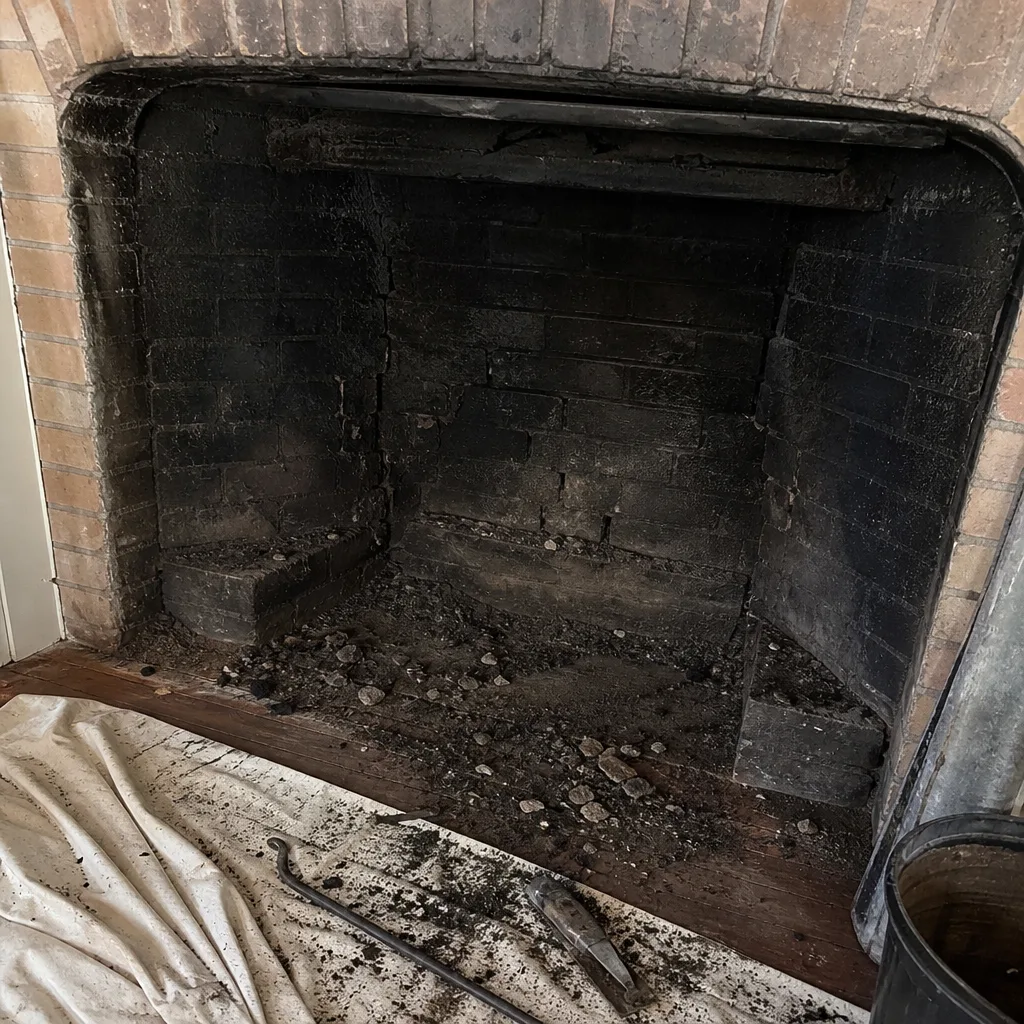 Before
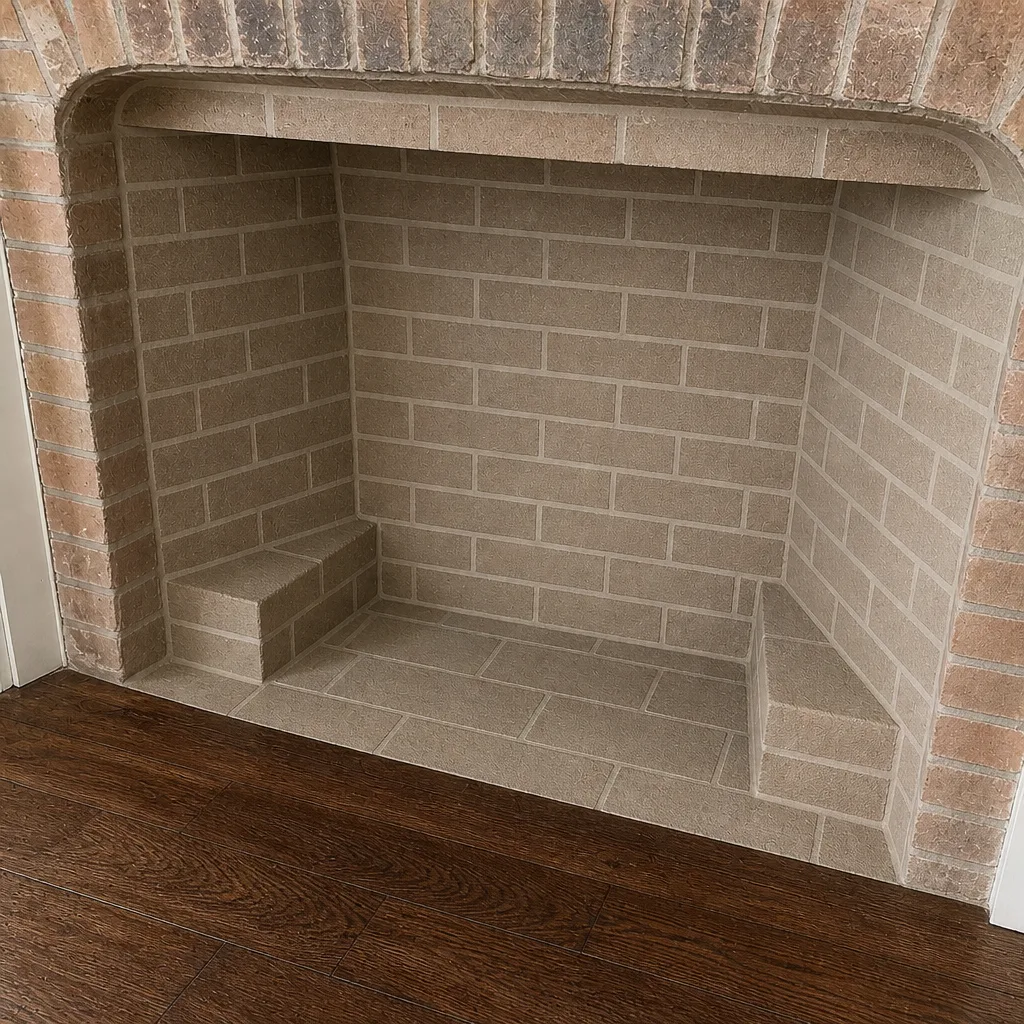 After
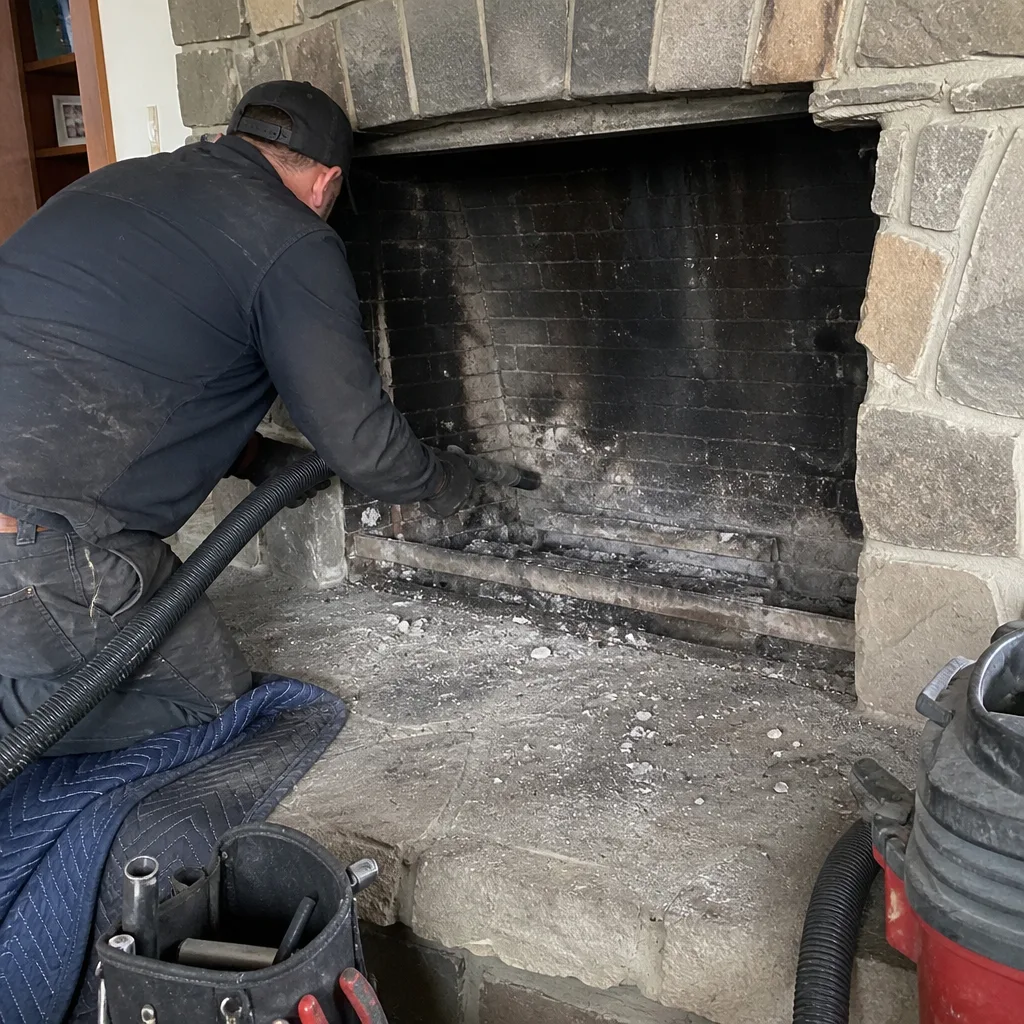 Before
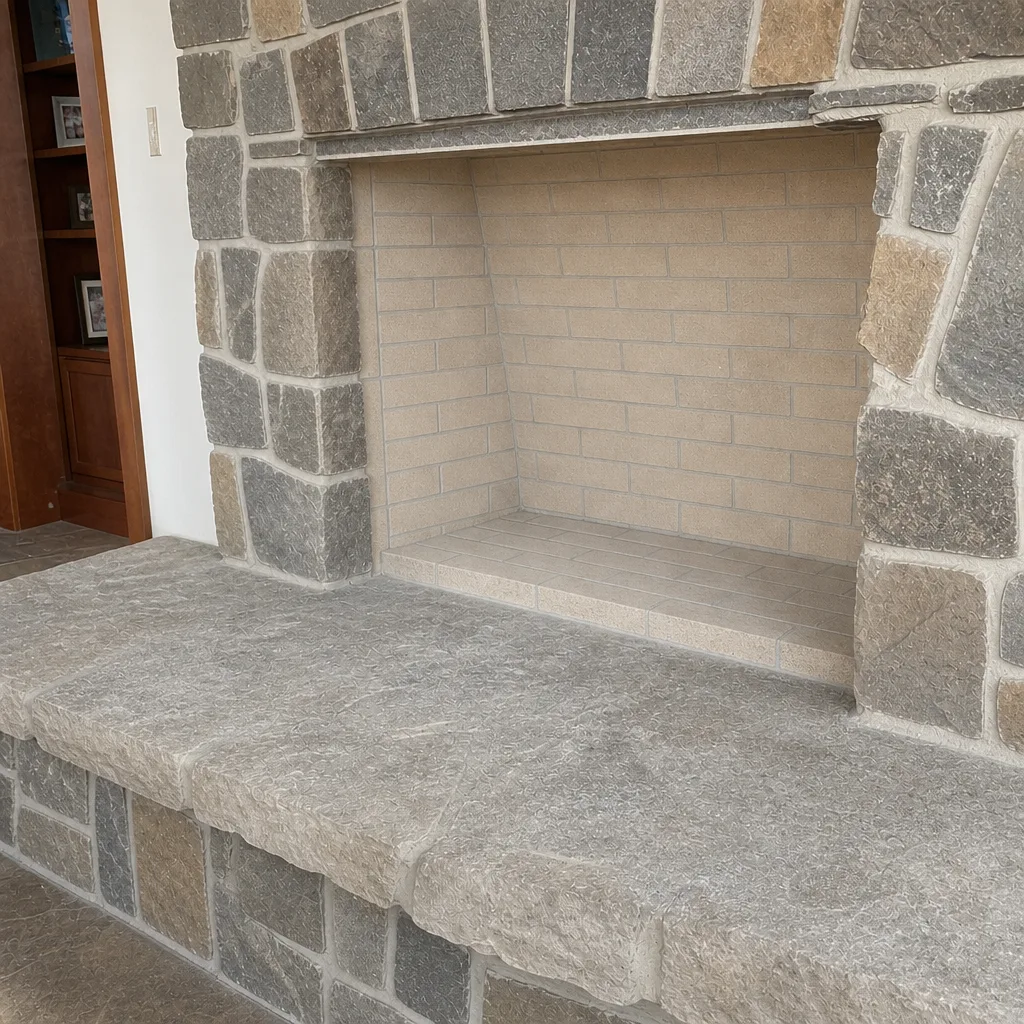 After
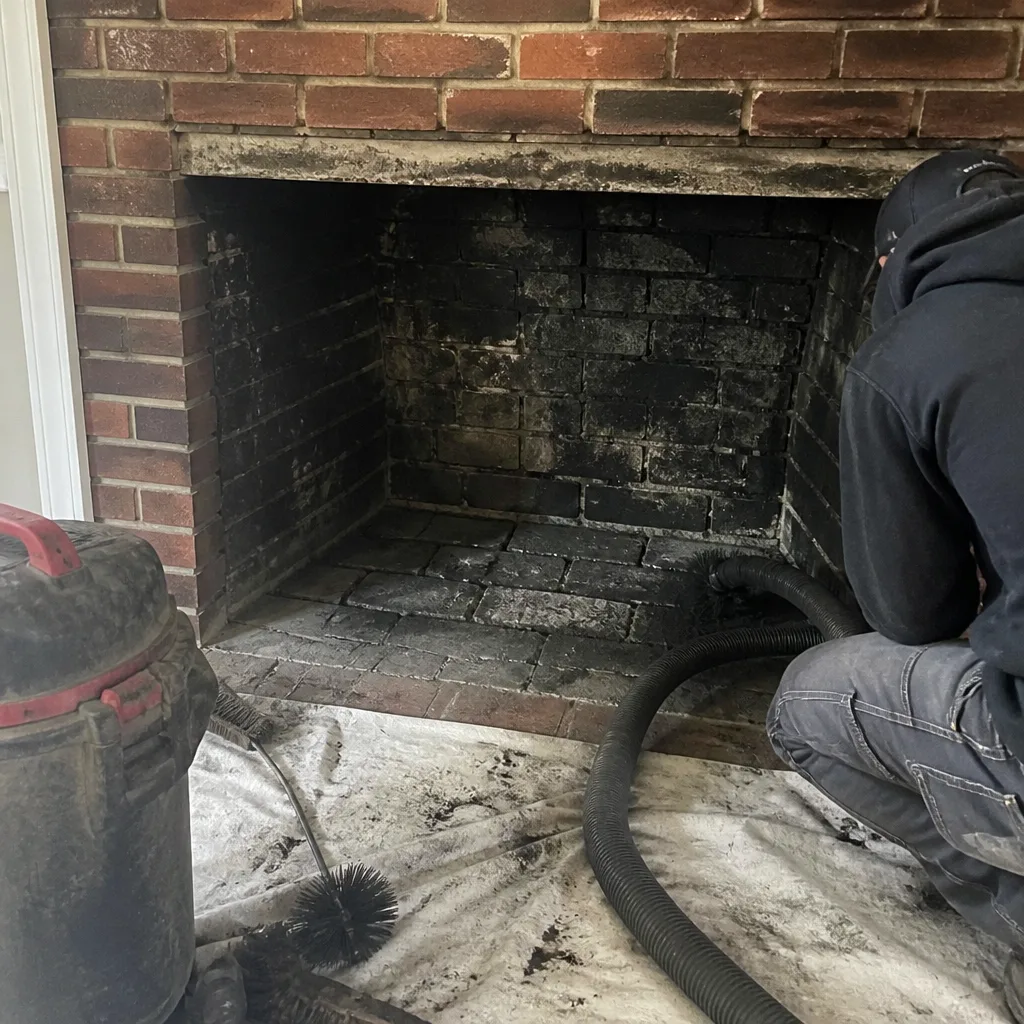 Before
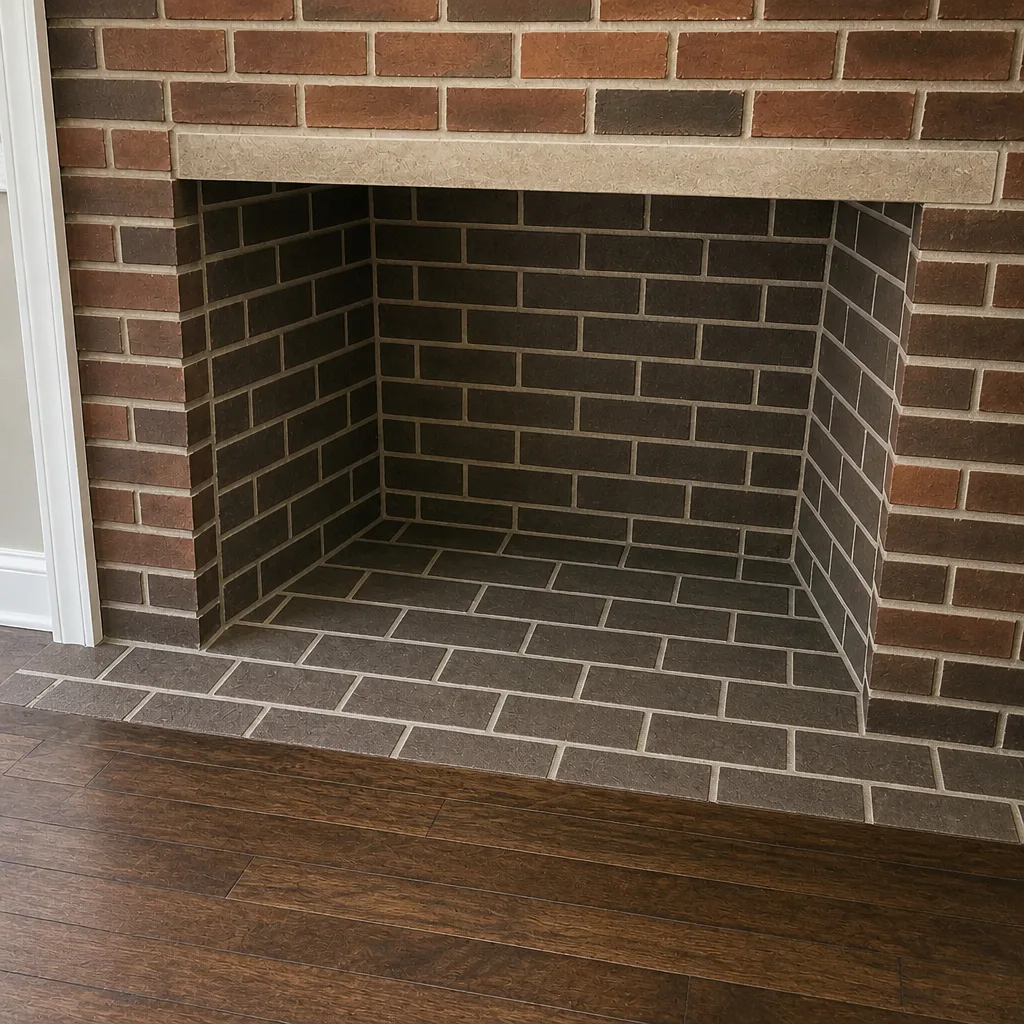 After
When to Call a Professional
Some chimney work is genuinely DIY-adjacent, but the important decisions are not. If you smell a strong, acidic odor from the fireplace when it isn’t burning, that’s creosote or moisture and it needs an inspection. If you see smoke back-drafting into the room, or hear a low rumbling sound during a fire, stop using the chimney until it’s inspected. If the flue has never been cleaned since before you owned the home, that’s a Level 2 situation – get the video scan. If you’re buying a home in Syracuse with an older fireplace or wood stove, get the inspection before closing. And if you’ve never had the dryer vent professionally cleaned, that’s a separate fire-safety item worth scheduling with the same call.
Chimney Sweep Syracuse offers free estimates in Syracuse – call (888) 395-8922. We answer 24/7, with fast dispatch from 7am to 7pm, Sunday through Friday.
Frequently Asked Questions
A routine sweep in the Syracuse area typically falls in the range most homeowners expect for a professional visit, but the total depends on the scope – a sweep that includes a Level 1 inspection and a written report is not priced the same as a bare sweep. Every estimate we provide is written and itemized, and the written estimate sets the final price. Call (888) 395-8922 for an exact quote – estimates are free.
Only if the video inspection shows the existing liner is cracked, deteriorated, or incorrectly sized. A proper evaluation distinguishes between a flue that can be resurfaced with HeatShield and one that actually needs a DuraFlex reline. If nobody has shown you video evidence of the problem, ask for it before agreeing to anything. Call (888) 395-8922 for an exact quote – estimates are free.
For an actively used fireplace or wood stove, an annual sweep and inspection is the standard recommendation. In Syracuse, the long heating season means more fires per year than in milder climates, so don’t stretch the interval. If the chimney hasn’t been inspected since before you moved in, book an inspection regardless of the calendar. Call (888) 395-8922 for an exact quote – estimates are free.
Creosote accumulates in the flue with every fire, and given enough buildup and enough heat it can ignite – that’s how most chimney fires start. Skipping the sweep also means missing early signs of a failing liner or a damaged crown before water gets into the masonry, which can turn a small repair into structural work. Call (888) 395-8922 for an exact quote – estimates are free.
Not automatically – you need both general liability and workers’ compensation certificates. General liability covers damage to your property; workers’ compensation covers the workers themselves. Ask for both certificates before the visit and don’t take a verbal assurance in its place.
Ask, in writing, which NFPA 211 inspection level is included. A Level 1 is a visual inspection of accessible areas, typically part of a routine sweep. A Level 2 includes video scanning and is called for after a chimney fire, a change in appliance, or a home purchase. If the quote doesn’t say which level it covers, that’s your first question to the contractor.
The Bottom Line
Hiring a chimney contractor in Syracuse is mostly a matter of asking the right questions and insisting on evidence. Verify both insurance certificates, confirm the inspection level in writing, ask what liner and resurfacing materials the contractor actually installs, and expect a written report with photos or video rather than a verbal “looks fine.” The materials answer alone tells you whether you’re talking to a sweeper or a repair-capable specialist, and the report tells you whether any recommended work is even necessary. Add your dryer vent to the same visit and you’ve covered two leading fire hazards in one call. Then compare quotes on scope, not just price.
Chimney Sweep Syracuse handles sweeping, repair, and dryer vent cleaning with materials you can verify – HeatShield, DuraFlex, Gelco, Olympia Chimney, Famco, and Copperfield – and we show you what we find before we quote any repair. You’re served as part of the broader Syracuse community. Our technicians have up to experience, and we’re ready to help you make an informed decision about what your chimney actually needs.
Call (888) 395-8922 for a free estimate. We answer 24/7. Fast dispatch from 7am to 7pm, Sunday through Friday. Learn more about our full scope at Chimney Sweep Syracuse.
Written by the team at Chimney Sweep Syracuse.