
Last updated November 15, 2026
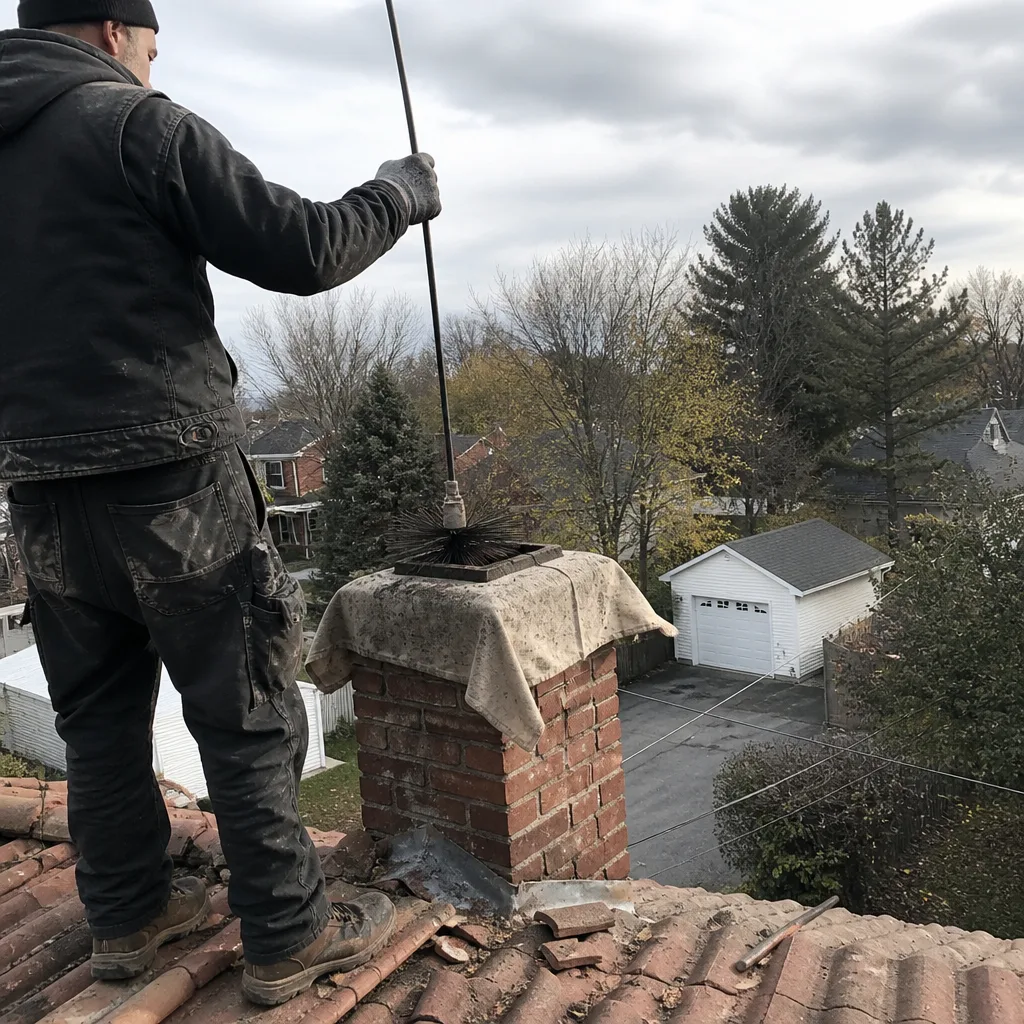
 Sweep & inspection
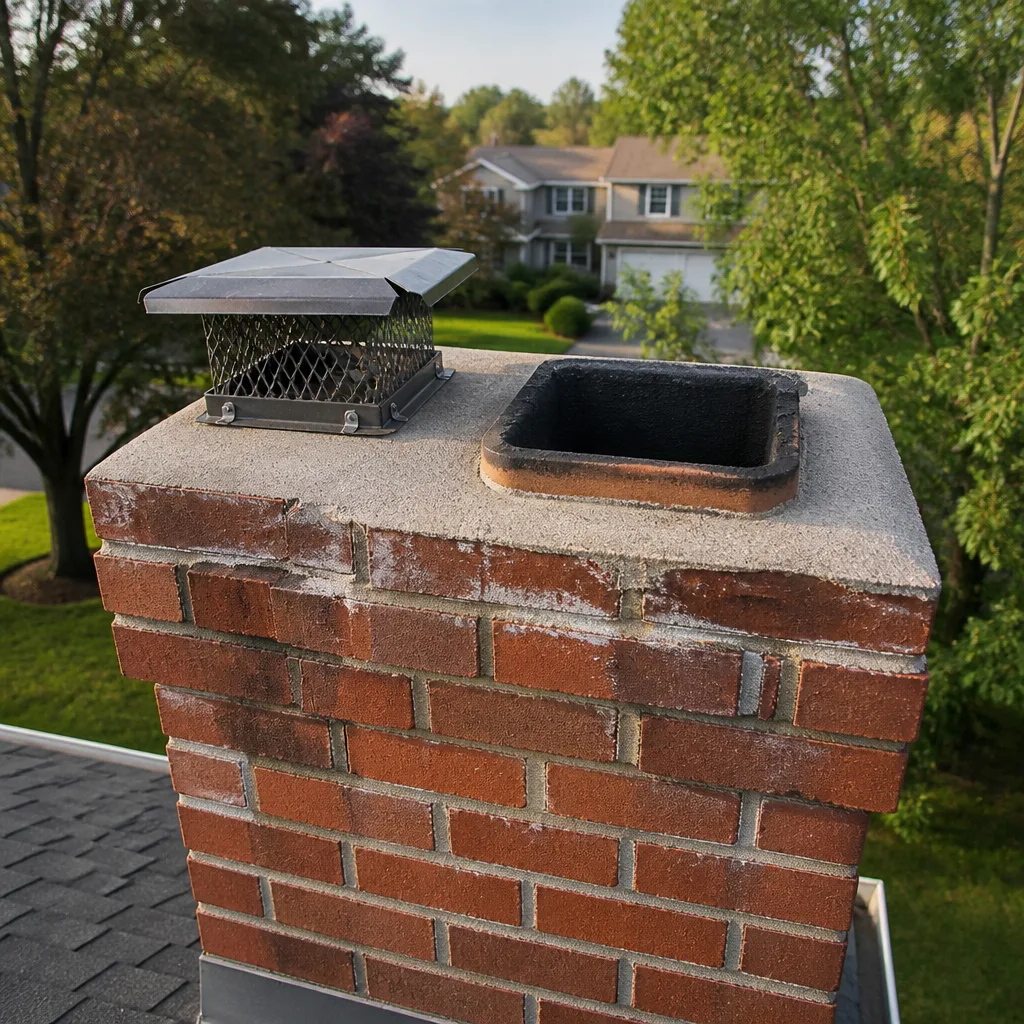
 Caps & crowns
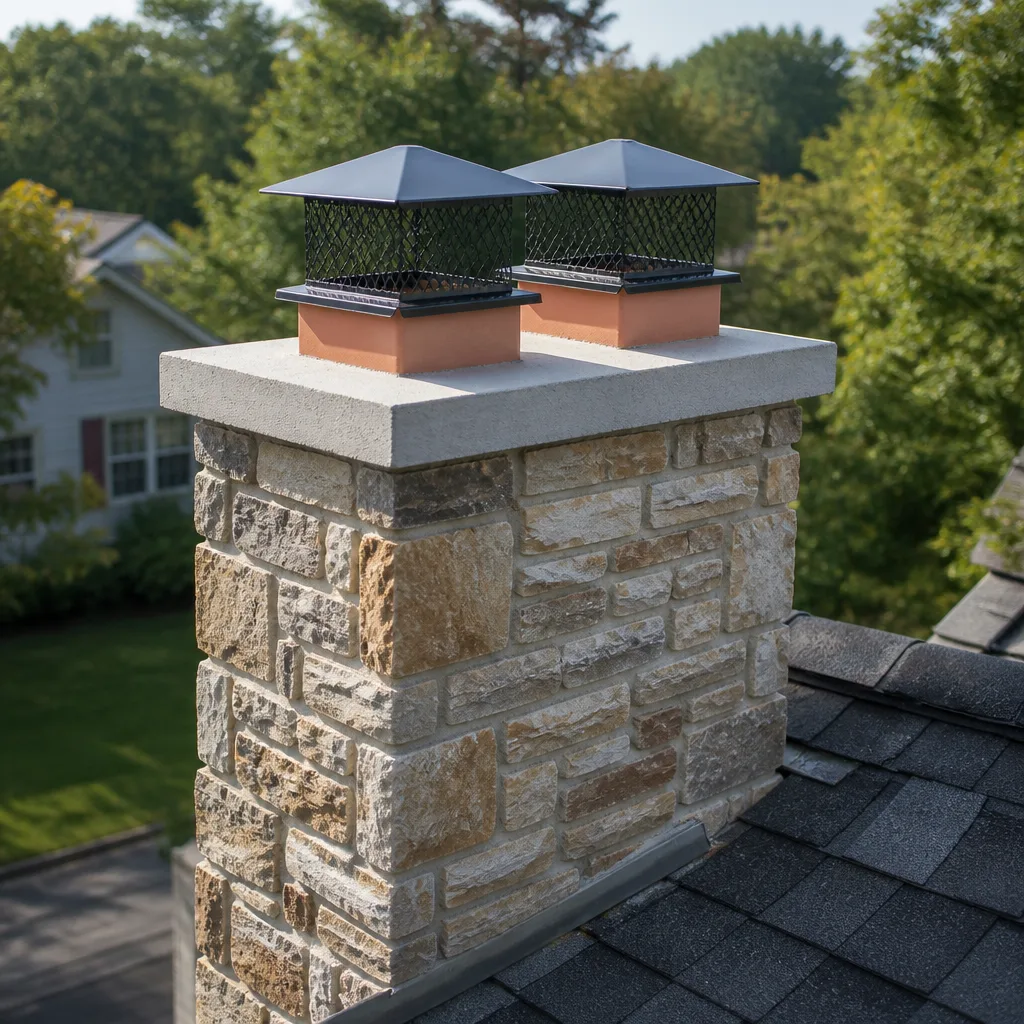
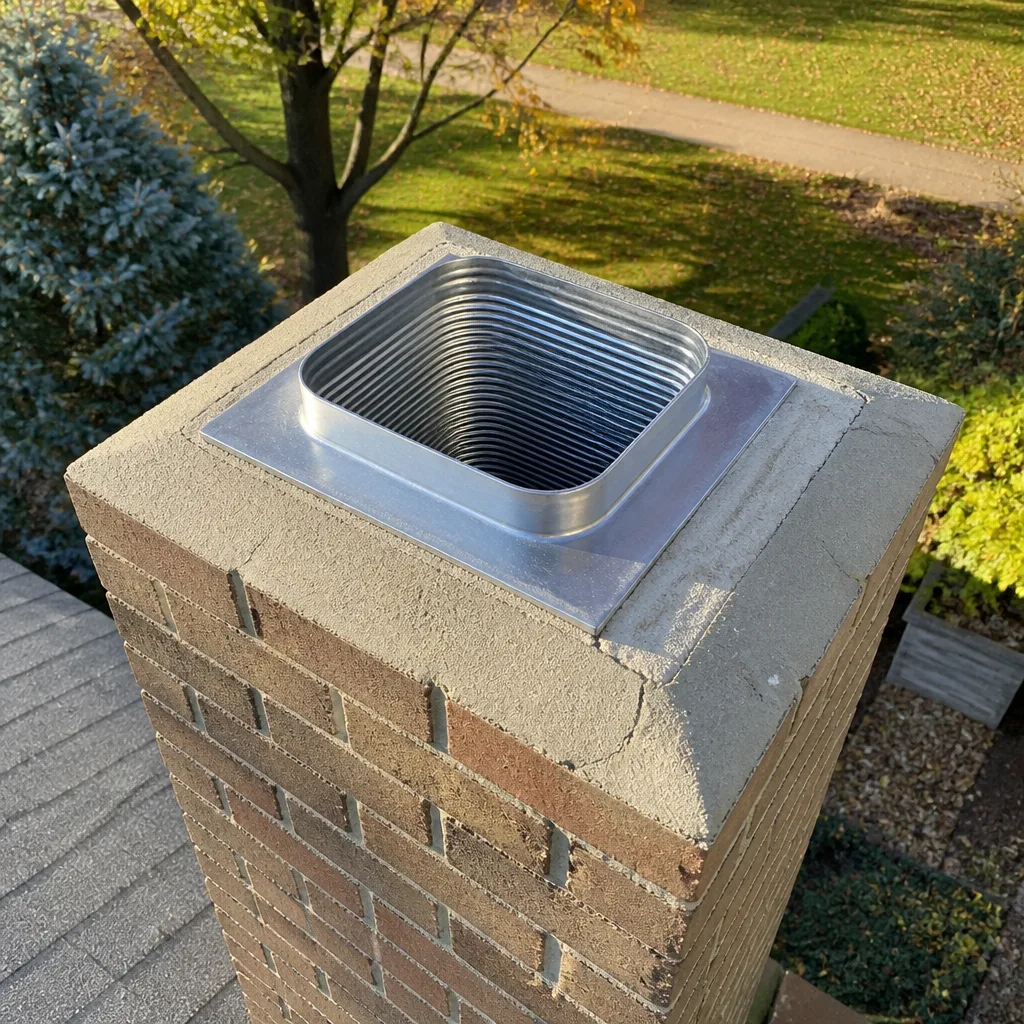 Flue relining
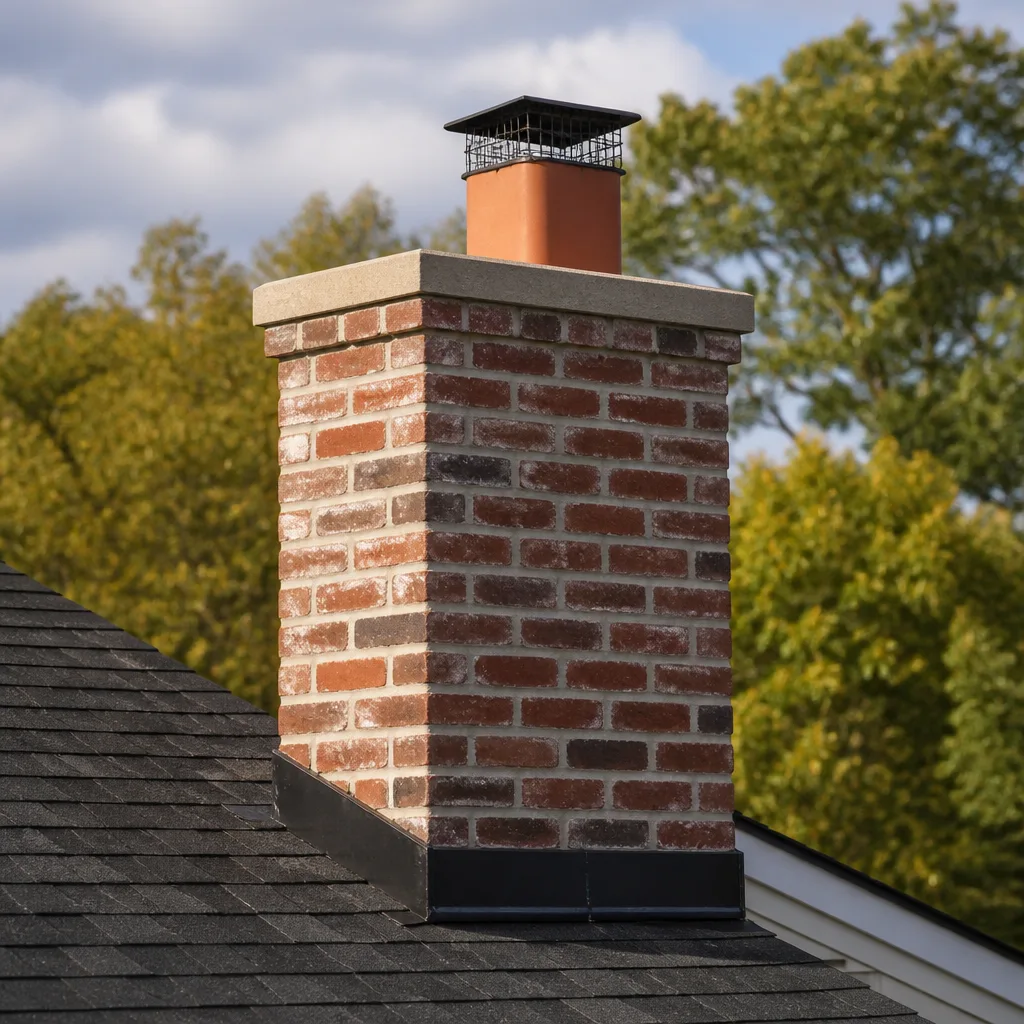 Masonry repair
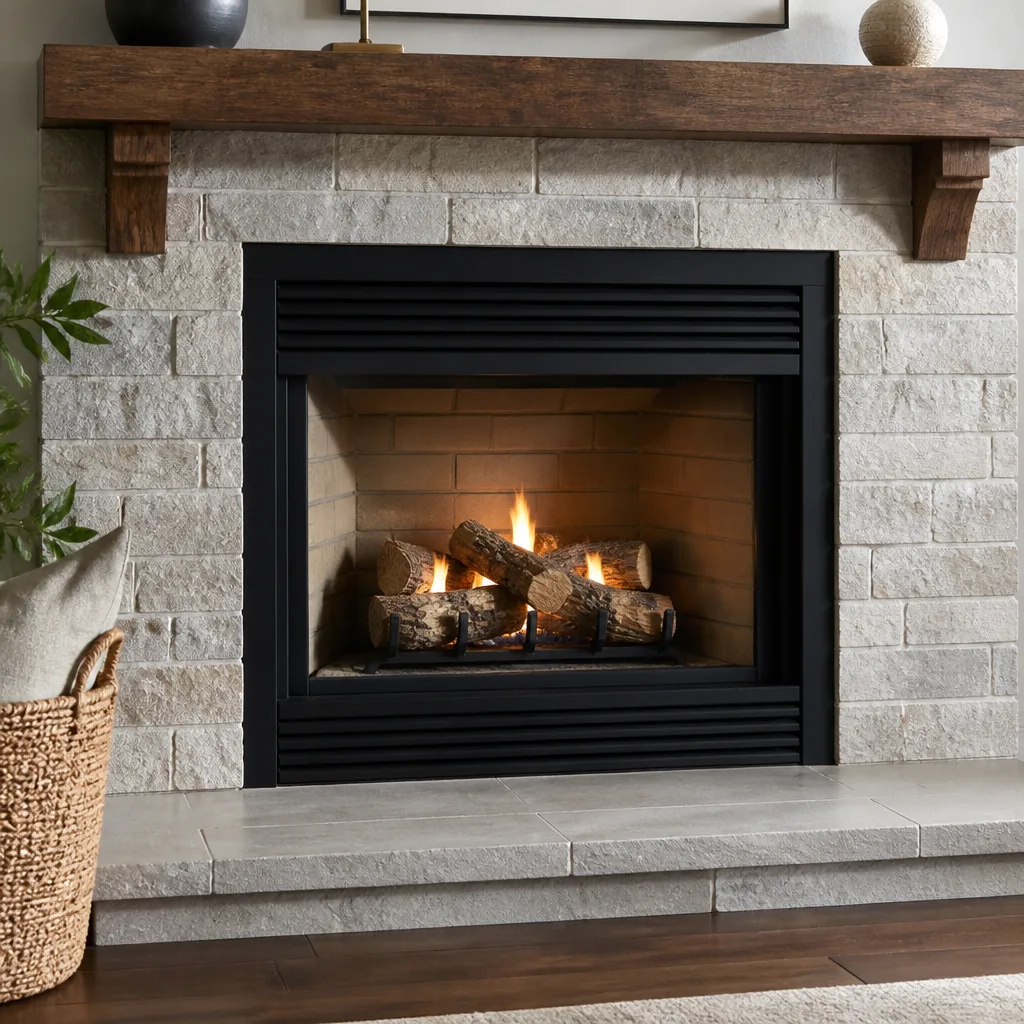 Gas fireplace service
Level 1 sweep and inspection to the NFPA 211 annual standard - flue, crown, cap, and flashing checked and photographed
Chimney sweep logs do not sweep chimneys. They loosen some creosote - which then falls where a brush and vacuum still have to collect it.
Chimney Cleaning Permits, Codes & Inspections in Syracuse, NY: What You Need to Know
Here’s the part of chimney work that surprises people most. Sweeping a flue is maintenance, so no permit is involved. But the moment a contractor replaces a clay tile liner with a stainless steel insert, rebuilds a crown, or installs a new cap, you’ve crossed into work that New York State and the City of Syracuse regulate. Many homeowners are told no permit is required when one is, and some contractors skip the paperwork. That gap doesn’t show up the day the work is finished. It surfaces years later, during a home sale inspection or after a fire insurance claim. This guide walks through exactly where the permit line falls in Syracuse, what code governs the work, and what records to keep so the next owner, appraiser, or adjuster sees a clean file.
Quick Answer
In Syracuse, chimney sweeping and inspection are routine maintenance and don’t need a permit. Structural work – liner replacement, significant masonry repair, crown rebuilds, and new cap installations – is generally treated as an alteration that requires a permit from the City of Syracuse codes office or Onondaga County, depending on your township, and must follow the New York State Uniform Fire Prevention and Building Code, which references NFPA 211 for chimney construction and inspection. Always confirm with your local Authority Having Jurisdiction (AHJ) before work starts, and keep the permit and a written scope record once it’s done.
Styles & brands we work with
- Sweep & inspection
- Caps & crowns
- Flue relining
- Masonry repair
- Gas fireplace service
Table of Contents
- Maintenance vs. Alteration: Where the Permit Line Falls
- City of Syracuse vs. Onondaga County: Who Issues the Permit
- What the NYS Uniform Fire Prevention and Building Code Actually Requires
- NFPA 211: The Standard Behind Every Syracuse Chimney Inspection
- Liner Replacement and Significant Masonry Repair: Permit Details
- How Permit History Shows Up During a Home Sale
- The Paperwork to Request After Structural Chimney Work
Maintenance vs. Alteration: Where the Permit Line Falls
The clearest way to think about permits is to separate cleaning and inspection from cutting, replacing, or rebuilding. Cleaning removes creosote, soot, and blockages. Inspection assesses condition. Neither changes the structure of the chimney, so neither triggers a permit in Syracuse or anywhere else in the state. The moment a technician removes tile, installs a new flue liner, or rebuilds masonry, the job is an alteration to a component of the building’s fire and venting system. That’s where the permit question begins.
Here’s the split most homeowners find useful:
No permit typically required (maintenance):
- Annual chimney sweeping
- Video camera inspection of the flue
- Clearing of animal nests, leaves, or debris
- Minor caulking around a cap or flashing where no structural change occurs
- Dryer vent cleaning – duct cleaning is a maintenance task, not construction
Permit generally required (alteration or repair):
- Replacing a clay tile liner with a stainless steel liner system
- Rebuilding the chimney crown
- Repointing or rebuilding the chimney above the roofline
- Installing a new chimney cap anchored to the flue or masonry
- Adding a wood stove insert with a new flue connection
- Repairing firebox or smoke chamber damage that changes the flue profile
Our technicians have up to experience, and in that time the most common surprise is a homeowner who assumed the liner replacement was “just a repair.” A stainless liner is a structural component of the venting system. It deserves the same paper trail as a roof replacement or an electrical panel upgrade. When we look at a Syracuse chimney, we can usually tell whether the last round of work was permitted just by asking for the record. If there isn’t one, that’s a signal worth investigating. A scheduled chimney sweep is the easy entry point – sweep, then assess, then decide whether permit-level work is actually needed.
City of Syracuse vs. Onondaga County: Who Issues the Permit
Syracuse has a specific quirk most guides don’t mention. If your home is inside the city limits, permits run through the City of Syracuse’s code enforcement office. If you’re in a surrounding town – Dewitt, Camillus, Geddes, Salina, Cicero – the permit runs through that town or the county, and the requirements can vary slightly. That means a contractor who works all over Onondaga County needs to know which office to file with for each address. It’s the kind of detail that only matters when it’s missed.
Syracuse’s housing stock makes this especially relevant. The city has a large share of early-1900s masonry chimneys, many with the original clay tile liners still in place. When those liners fail – and in a lake-effect climate that cycles between freeze and thaw dozens of times a winter, they do – the fix is usually a stainless system. That’s alteration work. That’s a permit.
A practical checklist for confirming jurisdiction before any structural work:
- Look up your address on the Onondaga County parcel map to confirm city or town jurisdiction.
- Call the code enforcement office for that jurisdiction and describe the exact work in plain language: “We’re replacing the clay tile liner with a stainless insert and rebuilding the crown.”
- Ask whether the permit is a building permit, a mechanical permit, or both. The terminology varies.
- Ask whether a licensed contractor must pull it, or whether the homeowner can pull it and hire a contractor to perform the work.
- Get the permit number in writing before work starts.
- Confirm who requests the final inspection – the contractor or the property owner.
If a contractor tells you “we don’t need a permit for that in Syracuse,” ask them to say which office told them so. A professional will have a clear answer. In our experience, the answer is usually yes, the permit is required, but it’s easy and inexpensive compared to the cost of a code violation surfacing later.
What the NYS Uniform Fire Prevention and Building Code Actually Requires
New York State uses a single statewide code, the Uniform Fire Prevention and Building Code, often shortened to the Uniform Code. It adopts the International Residential Code for one- and two-family homes and references the National Fire Protection Association’s standards, notably NFPA 211, for chimneys, fireplaces, vents, and solid-fuel-burning appliances. That means even though Syracuse has its own enforcement staff, the underlying standard they enforce comes from the state. Local AHJs can be stricter than the state, but they can’t be looser.
In plain terms, the Uniform Code requires that a chimney:
- Be constructed of materials suitable for the venting of the appliance it serves (wood, gas, oil, or pellet)
- Have a flue with a continuous, intact lining that resists corrosion and heat
- Maintain required clearances to combustible materials
- Extend above the roof at the height required by code relative to the roof pitch and nearby structures
- Have a cap or spark arrestor where required to keep rain, animals, and embers from entering
- Be maintained in safe working condition for the life of the building
That last bullet is the one that gets homeowners in trouble. “Maintained in safe working condition” includes the flue liner and the crown. If the liner has cracked open, the chimney is out of compliance even if it hasn’t caused a problem yet. A Syracuse sweep with a camera can document the condition – that’s the honest first step. The code standard then tells us what, if anything, needs a permit to fix. Our Sweep-and-assess workflow exists for exactly this reason: sweep, look, photograph, explain.
NFPA 211: The Standard Behind Every Syracuse Chimney Inspection
NFPA 211 is the standard the state code points to for chimney inspections, and it’s the backbone of how any qualified technician in Syracuse evaluates your system. It defines three levels of inspection, each suited to a different situation. Understanding the levels is useful because it tells you what a contractor is actually claiming when they say “we inspected the chimney.”
Level 1 Inspection – The routine annual inspection. Performed without tools beyond a flashlight and basic camera, when the appliance and chimney are unchanged and the system is in continued service. It covers the readily accessible portions of the chimney, the firebox, the damper, and the visible vent connector. This is what you get with an annual sweep.
Level 2 Inspection – Required after any change to the system: a new appliance, a fuel change, a liner replacement, a chimney fire, a property transfer, or an earthquake. It includes a video scan of the entire flue interior and inspection of accessible attic, crawlspace, and rooftop areas. If you’re buying a home in Syracuse, a Level 2 is what your inspector should be recommending, and it’s what a serious contractor will offer before quoting liner work.
Level 3 Inspection – Diagnostic. When a Level 1 or 2 finds a hidden defect that can’t be evaluated without opening a wall or removing part of the chimney, Level 3 covers that investigative work. It’s rare and generally reserved for suspected structural failure.
What the AHJ adds on top of NFPA 211 varies by jurisdiction. Some Syracuse-area code offices require the liner material to be listed and labeled to a specific UL standard (UL 1777 is the common one for stainless liners). Some want to see the installer’s certification or the manufacturer’s installation instructions at inspection. The rule of thumb: NFPA 211 sets the floor, the local AHJ sets the actual requirement, and the contractor is responsible for knowing which applies to your address.
One practical note. The climate here matters to what the inspection finds. Syracuse winters drive freeze-thaw cycles through exterior masonry and cause mortar joints to open at the crown and shoulder. Those cracks then let water in, which freezes, expands, and progressively destroys the crown and the tile above the roofline. A Level 2 inspection in spring, after a Syracuse winter, often turns up crown damage that wasn’t visible in fall. If you’ve never had the chimney looked at, start with a scheduled Chimney Sweep Syracuse visit and ask for a camera scan.
Liner Replacement and Significant Masonry Repair: Permit Details
Liner replacement is the single most common chimney job in Syracuse that requires a permit, and it’s the one most often done without one. The work itself is standard: the old clay tile flue is cleaned and prepped, and a flexible stainless liner is run down the flue and connected at the top plate and the appliance collar. Done well, it restores safe venting for decades. Done without a permit, it creates a paper trail gap that shows up later.
What a proper liner job involves from a code standpoint:
- Permit pulled before work starts – building permit or mechanical permit depending on your jurisdiction, filed with the correct address and scope description.
- Listed materials – the liner must be a listed product for the fuel type it serves. Flexible stainless systems like DuraFlex are the standard choice in this market because they’re rated for wood, gas, and oil and are listed to UL 1777. Homeowners can look up the UL listing independently.
- Insulation where required – many installations require a wrap or insulated liner to maintain clearances to combustibles and to prevent condensation in the flue. Whether it’s required depends on the chimney’s construction and the appliance.
- Correct termination – top plate, cap, and any spark arrestor installed to code and to the manufacturer’s instructions. Gelco and Famco make caps and top components that we source for this exact reason – they’re established brands homeowners can check.
- Final inspection – AHJ visits, verifies the installation, and closes the permit. Keep the signed-off card.
Significant masonry repair follows the same logic. If the crown is being rebuilt, the chimney repointed, or the flue above the roofline rebuilt, that’s alteration work. HeatShield flue resurfacing is a special case worth explaining: it restores a damaged flue interior without full demolition by applying a cementitious resurfacing product to the inside of the flue. It’s a repair, not a replacement, and in some jurisdictions it’s permitted as repair work while in others it’s treated the same as liner replacement. The answer depends on the AHJ. A contractor who uses HeatShield regularly knows what their local office expects. The point of using a HeatShield-certified application, from our side, is that the work meets the manufacturer’s standard and produces documentation you can file.
One more thing on “significance.” Minor repointing of a single joint isn’t permit-level work. Rebuilding the top three courses of a masonry stack is. If you’re unsure where the line is, ask the AHJ directly. It’s a phone call.
How Permit History Shows Up During a Home Sale
When you sell a house in Syracuse, the buyer’s attorney will pull the permit history for the address, usually alongside the property disclosure and the tax record. What they’re looking for is straightforward: any structural work on the home that shows up in the file with a permit and a closed inspection. Work that was done but doesn’t show up in the record becomes a negotiating item. It doesn’t mean the work was bad, but it does mean it needs to be verified, and that verification falls on the seller.
The typical sequence in a Syracuse home sale that includes a chimney:
- Buyer’s inspector recommends a Level 2 chimney inspection based on visible condition or the home’s age.
- Seller provides the last sweep record and any liner or repair documentation they have.
- If liner replacement was done without a permit, the buyer’s attorney flags it, and the buyer asks for either evidence of proper installation or a credit toward re-verification.
- If a fire ever occurred in the chimney – many older homes have had at least one – the insurance side matters as much as the sale side. An unpermitted liner installation can complicate a fire damage claim if the carrier argues the venting system wasn’t properly maintained.
None of this is a crisis if the work was done well. It’s a paperwork problem, and paperwork problems can usually be solved. A contractor can provide an as-built documentation package after the fact – photos, product listings, and a scope statement – that a buyer’s attorney can accept. It’s not the same as a permit, but it’s a defensible record. If you’re about to sell a Syracuse home with a chimney you don’t have records for, a scheduled Syracuse inspection before listing is the low-cost move. It turns a surprise at the negotiating table into a known item you’ve already documented.
The Paperwork to Request After Structural Chimney Work
An invoice tells you what you paid. It doesn’t tell the next owner, the appraiser, or the adjuster what was actually done. After any structural chimney work in Syracuse, ask for a scope record – a document you can file with your home records and hand to a buyer or insurer without having to explain it.
What a proper scope record should include:
- Address and date of work – plain header identifying the property and completion date.
- Pre-work condition summary – one paragraph on what was found (cracked flue tile, crown failure, spalling above the roofline) with photo references.
- Scope description – what was actually replaced or repaired, in materials and dimensions, including brand names. “Stainless flexible liner, DuraFlex, 6-inch, insulated wrap, top plate and cap installed” is a scope statement. “Chimney repair” is not.
- Permit number and AHJ – the permit number, the issuing office, and the final inspection sign-off.
- Photo record – at minimum, before-and-after photos of the flue interior and the completed installation at the top. Camera scan photos are the standard.
- Warranty or manufacturer information – if the liner, cap, or resurfacing product carries a manufacturer warranty, keep the documentation. You may never need it, but a buyer’s attorney will want to see it existed.
- Contractor contact and any certification reference – name, phone, and if the contractor holds a manufacturer certification (HeatShield-certified, for instance), note it.
We use this format because it’s what the industry expects and what holds up under review. It’s the same reason we source from established suppliers like Olympia Chimney and Copperfield for liners and Gelco and Famco for caps and venting components: when a product name shows up in the scope record, a buyer or inspector can verify it independently. Brand-name materials you can look up yourself make the whole record more credible. If you’ve inherited a Syracuse home with chimney documentation scattered across old files, we can help put it in order before you need it. The same goes for the dryer vent cleaning side of home fire safety, which is a common add-on for homeowners getting their records in order.
Common Mistakes to Avoid
- Assuming “repair” means “no permit.” Replacing the liner is repair by trade language but alteration by code language. The permit follows the code language, not the invoice language.
- Accepting a contractor’s verbal assurance without a permit number. If they say it isn’t needed, ask which office confirmed that and get it in writing. Verbal assurances don’t survive a home sale.
- Using a generalist who treats chimney work as an add-on. Syracuse has plenty of handymen willing to install a liner. A specialist knows which AHJ to file with, which standards apply, and how to document the work.
- Skipping the Level 2 inspection before buying a Syracuse home with an older chimney. The house could have a liner that was installed correctly but has no paper trail, or worse, one that wasn’t installed correctly. A camera scan reveals which.
- Throwing away the permit card and inspection sign-off after work is done. Those two documents are the highest-value papers in your home file when a buyer’s attorney comes asking. File them with the deed and the tax records.
- Letting a “minor” crown crack wait through another Syracuse winter. In a lake-effect climate, a small crack becomes a rebuild in two or three seasons. The fix at the crack stage may not require a permit; the fix at the rebuild stage does.
- Ignoring the dryer vent while getting chimney work. Lint buildup in the dryer duct is a fire hazard independent of the chimney, and it’s just as likely to be flagged in a home inspection. Handle both in one service relationship instead of scheduling a second contractor later.
See the difference
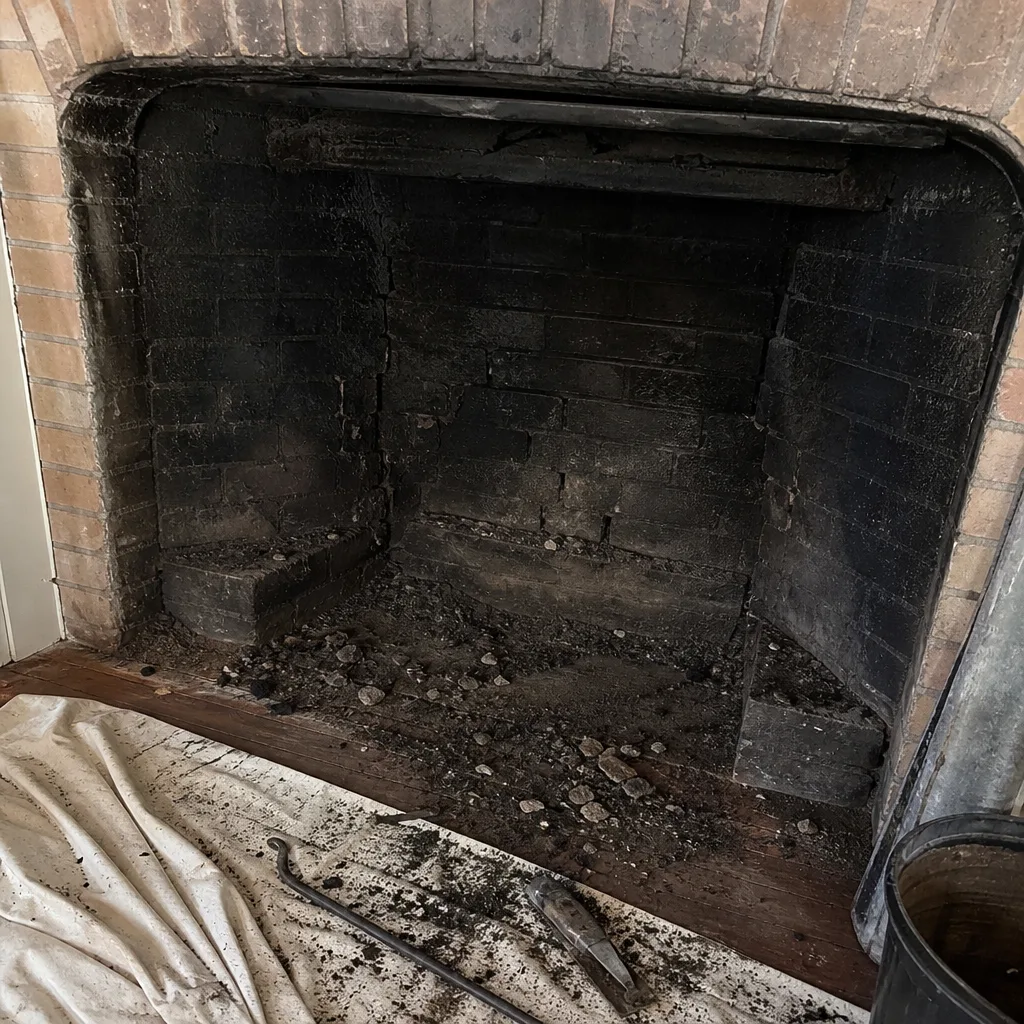 Before
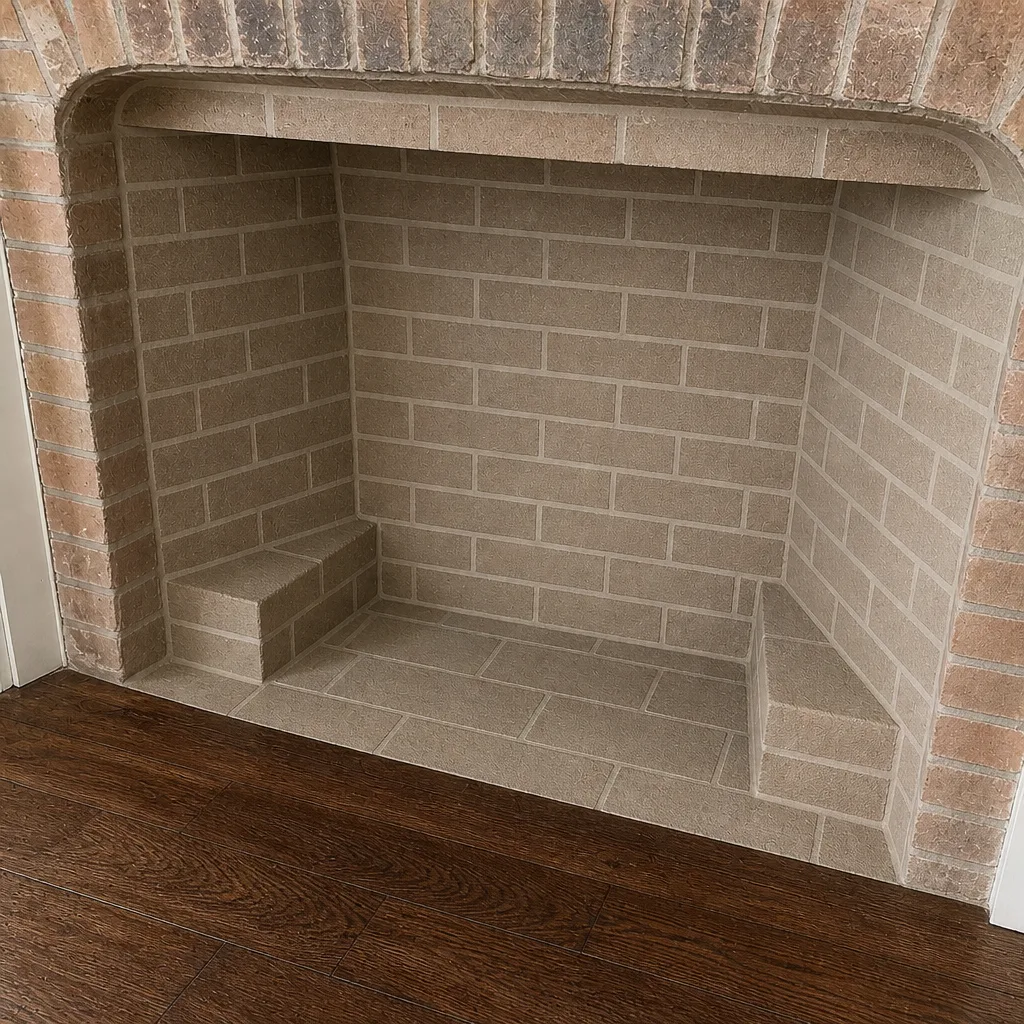 After
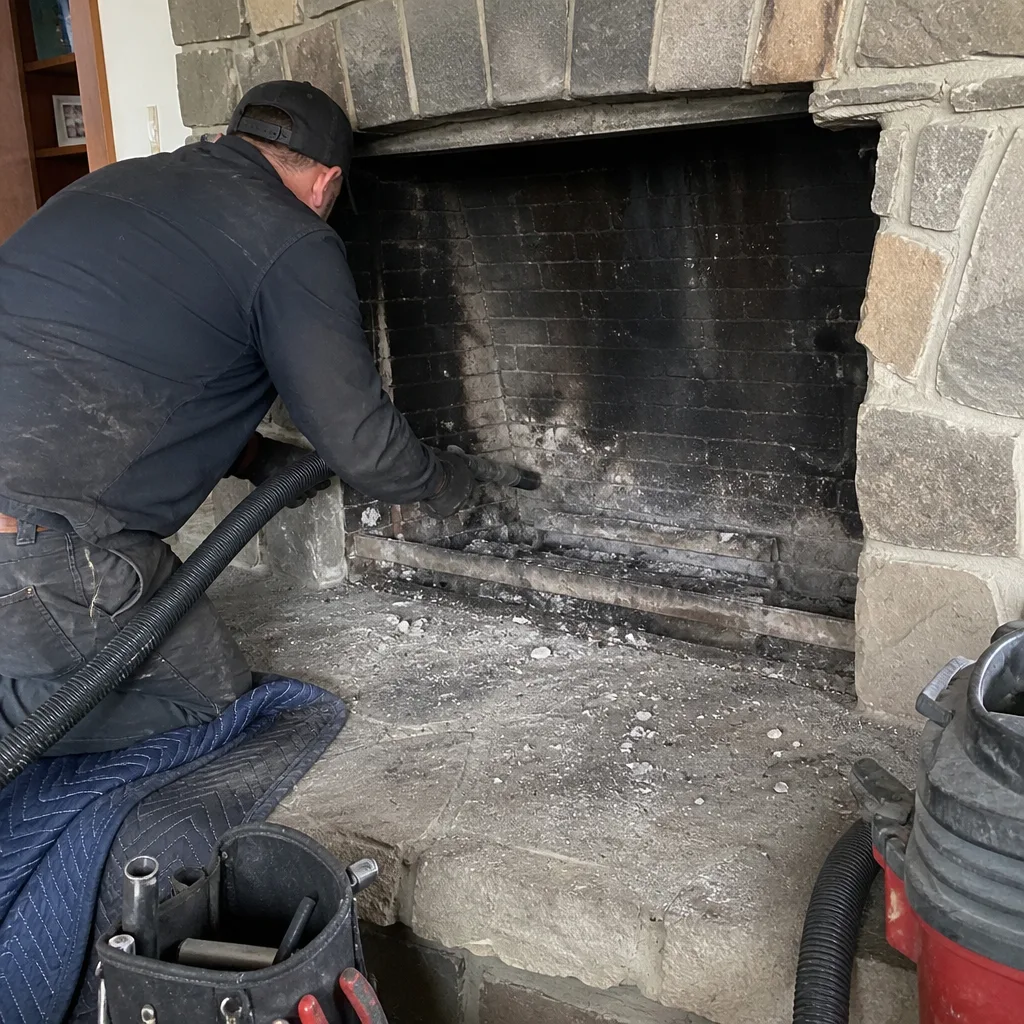 Before
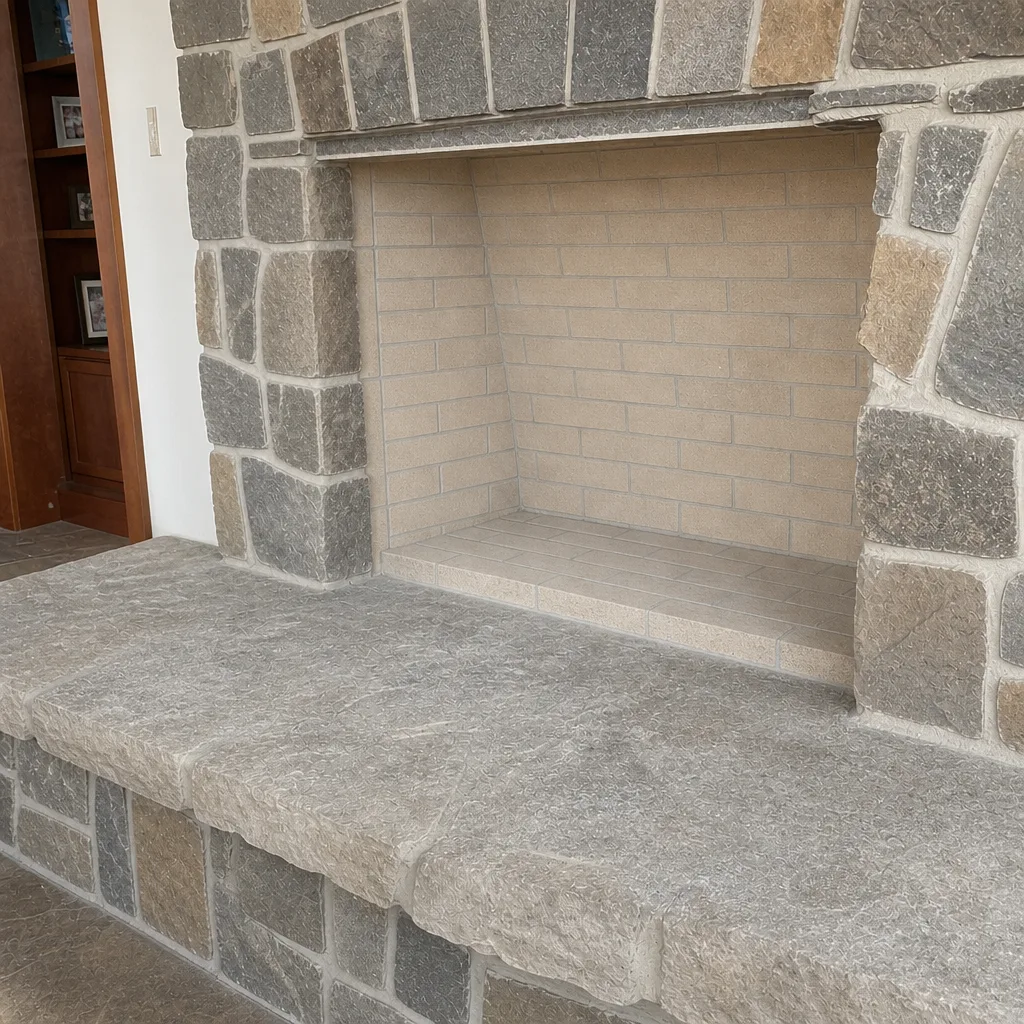 After
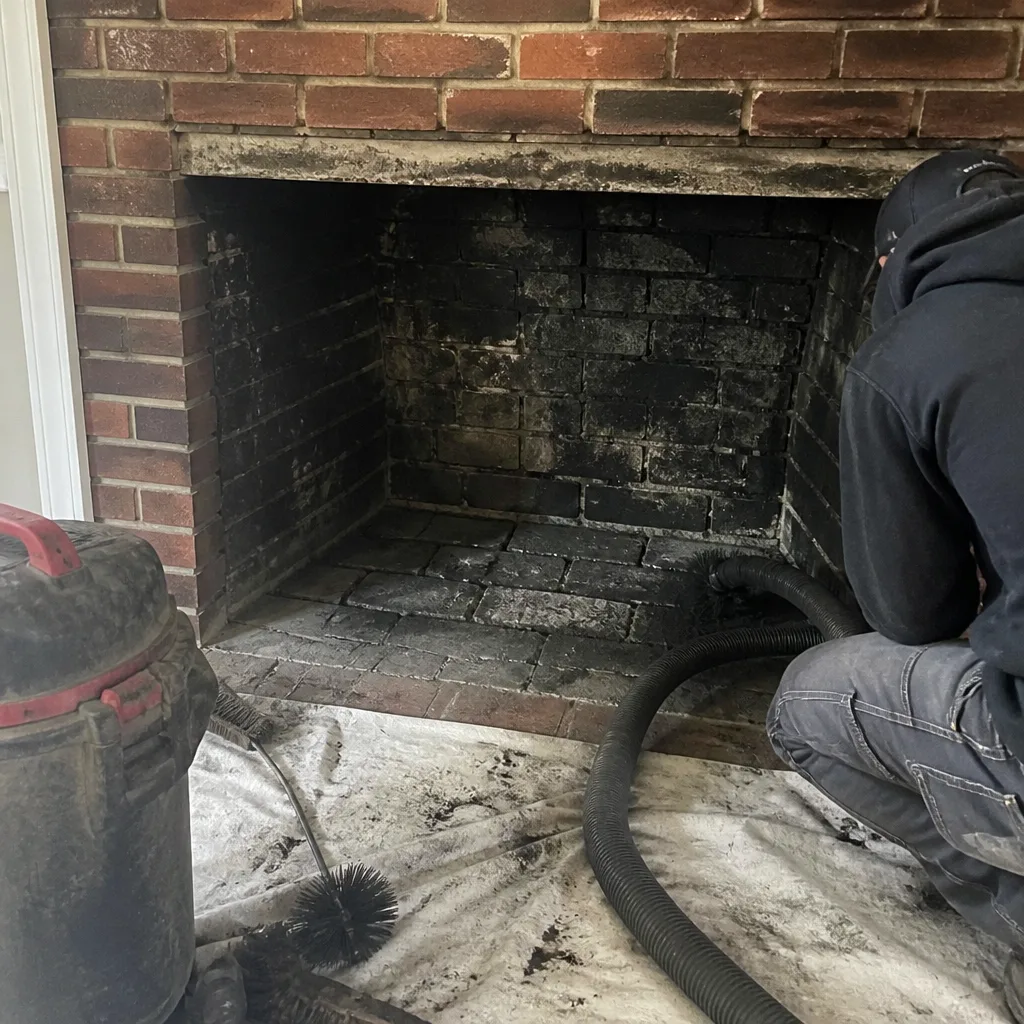 Before
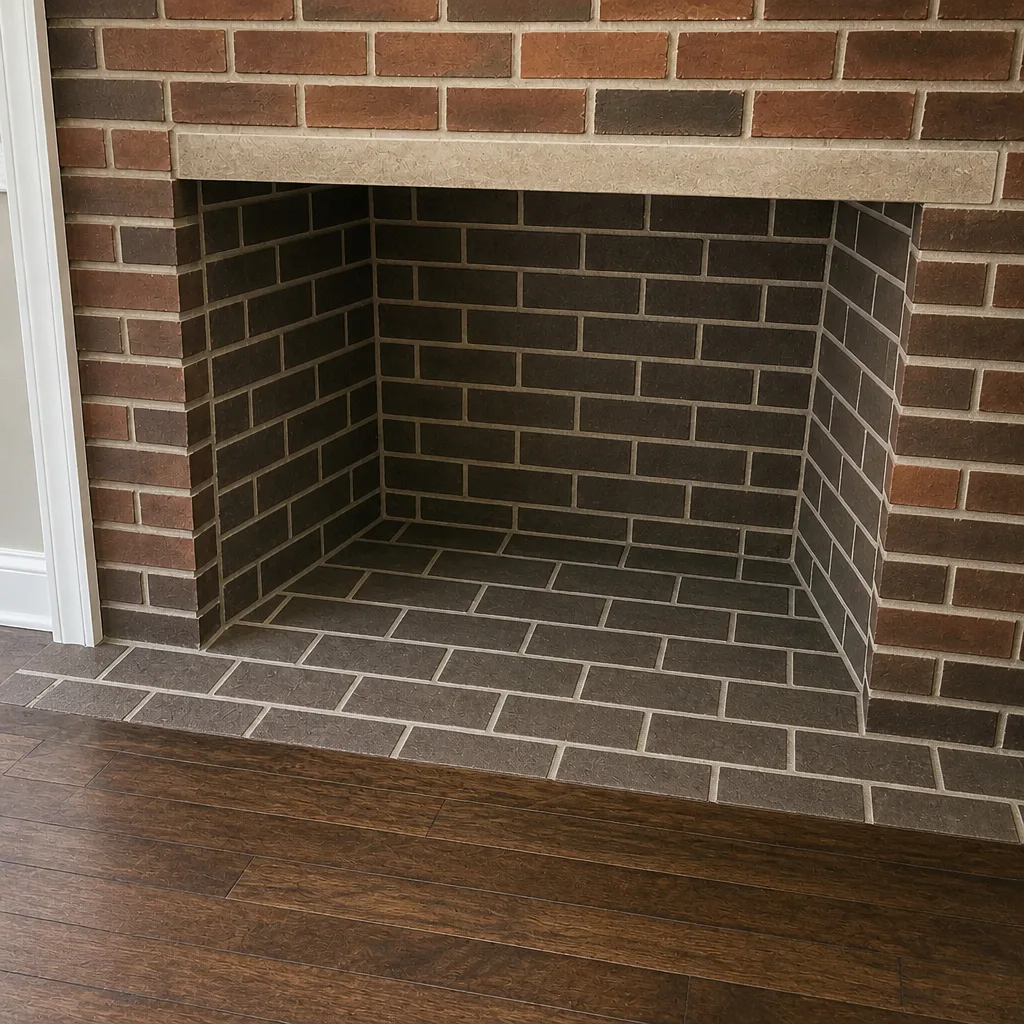 After
When to Call a Professional
Call a professional when structural work on the chimney is on the table or when the condition of the flue is unknown. That includes buying or selling a Syracuse home with an older masonry chimney, moving into a house where the previous owner’s chimney history is unclear, switching fuel type or adding a wood stove insert, and any time you see cracked or missing tile in the flue, spalling brick above the roofline, or a crown that’s pulled away from the flue. If you’ve had a chimney fire, even a small one, the venting system needs a Level 2 inspection before it’s used again. High-tension components like liner clamps and structural problems above the roofline aren’t a homeowner job – the height and the fire risk make a trained professional the only safe option.
Chimney Sweep Syracuse offers free estimates in Syracuse. Call (888) 395-8922. We answer 24/7. Fast dispatch from 7am to 7pm, Sunday through Friday. Our technicians have up to experience, and we show you what we find before we quote the fix. Sweep, repair, dryer vent – one company, one call.
Frequently Asked Questions
No. Chimney sweeping is routine maintenance and doesn’t require a permit in Syracuse or anywhere in Onondaga County. A camera inspection alongside the sweep is also maintenance. The permit question only comes up when the work involves replacing a liner, rebuilding masonry, or installing a cap. Call (888) 395-8922 for a free estimate on a scheduled sweep.
Generally, yes. A stainless liner replacement is treated as an alteration to the venting system under the NYS Uniform Fire Prevention and Building Code, and the City of Syracuse or your town’s code office (depending on the address) issues the permit. A listed liner like DuraFlex is the standard product for this work, and the permit should be pulled before installation starts, not after. Call (888) 395-8922 if you want to know what your specific address requires.
A Level 1 is the routine annual inspection and covers the visible portions of the chimney and firebox. A Level 2 adds a video scan of the entire flue interior and is required after any change to the system, a chimney fire, or a property transfer. If you’re buying a Syracuse home with a masonry chimney, a Level 2 is what the inspection standard expects. We include camera scans with our scheduled visits – call (888) 395-8922 to book one.
The work may still be perfectly sound – it just has no paper trail. The buyer’s attorney during a sale will flag it, and the typical resolution is an as-built documentation package with photos, product listings, and a scope statement from a current contractor. It’s not the same as a permit, but it’s often accepted. If you’re in this situation before listing a Syracuse home, a pre-listing inspection is worth scheduling. Call (888) 395-8922 for a free estimate.
Yes. The New York State Uniform Fire Prevention and Building Code references NFPA 211 for chimney construction and inspection, so the standard applies throughout Onondaga County whether you’re inside the city or in a surrounding town. The local Authority Having Jurisdiction can add requirements but can’t go below the state code. If you’re unsure what your AHJ adds on top, ask them directly – it’s a short call and worth making before work begins.
Keep the permit number, the AHJ’s final inspection sign-off, the contractor’s scope statement (materials, brand names, dimensions), before-and-after photos of the flue, and any manufacturer warranty documentation for the liner, cap, or resurfacing product. Those five items are what a buyer, appraiser, or insurance adjuster will want to see years later. Our team puts this package together at the end of every structural job – call (888) 395-8922 to talk through what your project would need.
The Bottom Line
Sweeping and inspecting your Syracuse chimney is maintenance and needs no permit. Liner replacement, crown rebuilds, significant masonry repair, and new cap installations do. The state code governs the standard, the local AHJ enforces it, and the paper trail from a properly permitted job is the same paper trail that protects you during a home sale or an insurance claim. A contractor who shows you what they find, uses listed materials from suppliers you can look up, and hands you a scope record after the work is done is the one worth calling. If you’re unsure where your chimney sits on the permit line, get a camera inspection first. It answers the question.
To schedule a sweep, inspection, or repair estimate anywhere in Syracuse, call (888) 395-8922. Estimates are free, and we’ll walk you through exactly what your address requires.
Written by the team at Chimney Sweep Syracuse.