
Last updated November 15, 2026
 Sweep & inspection
 Caps & crowns
 Flue relining
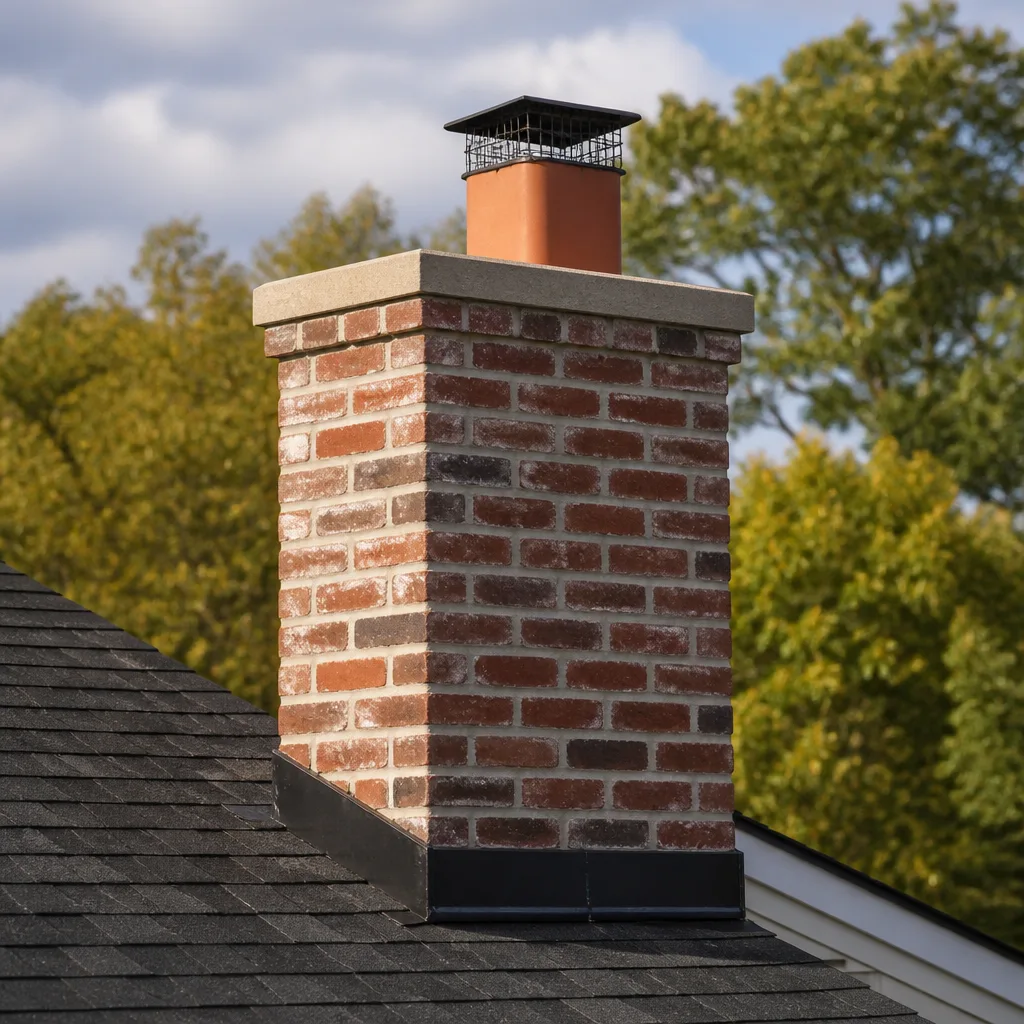 Masonry repair
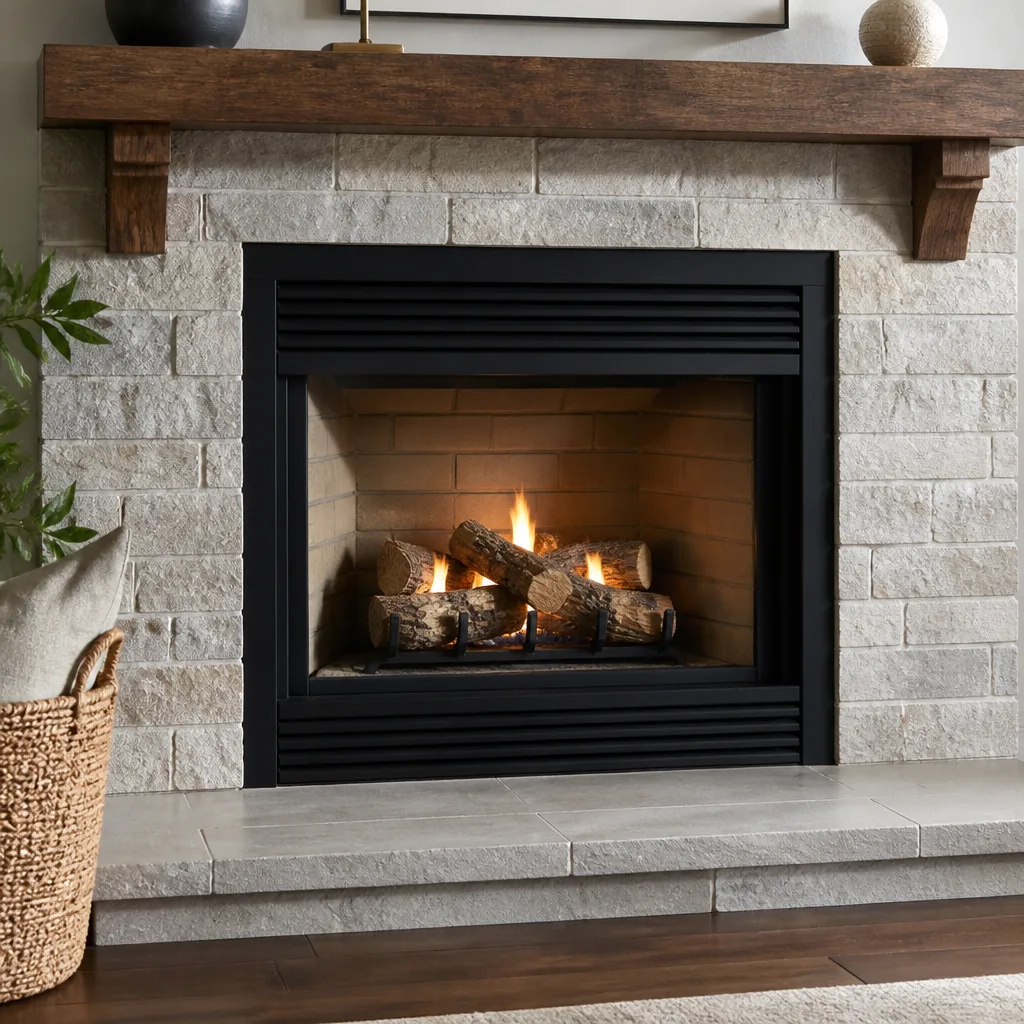 Gas fireplace service
Level 1 sweep and inspection to the NFPA 211 annual standard - flue, crown, cap, and flashing checked and photographed
Chimney sweep logs do not sweep chimneys. They loosen some creosote - which then falls where a brush and vacuum still have to collect it.
DIY vs Professional Chimney Cleaning: The Syracuse Homeowner’s Decision Guide
You can own a good brush kit, a pair of drop cloths and more patience than most people, and still sweep a straight flue clean of stage-one creosote. That part is real, and we won’t pretend otherwise. What the brush cannot do is show you the hairline crack in a flue tile hidden behind soot, the separated joint above the smoke chamber, or the glazed stage-two creosote welded to the wall where your brush never reaches. This guide maps exactly what a capable do-it-yourselfer can and cannot accomplish, where the tools and sight lines fail, what the equipment gap really looks like, and how the cost math works once time and disposal are counted. We’ll keep it honest: in Syracuse, some of this work is yours to do, and some of it needs trained eyes and a camera.
Quick Answer
A competent homeowner can remove light, stage-one creosote from a straight flue and keep up with ash removal between visits. Everything that actually starts chimney fires sits beyond the reach of a hand brush: cracked or missing flue tiles, failed mortar joints, glazed creosote, and the offset above the smoke chamber. A professional sweep with a camera inspection finds those problems and documents them; a brush alone leaves them in place. For most Syracuse homes with an active fireplace or wood stove, an annual professional sweep plus your own between-visit upkeep is the right balance.
Styles & brands we work with
- Sweep & inspection
- Caps & crowns
- Flue relining
- Masonry repair
- Gas fireplace service
Table of Contents
- What DIY Brushing Actually Accomplishes
- Where Brushes Physically Cannot Reach
- The Equipment Gap: Cameras vs Mirrors and Flashlights
- The Real Cost Math: DIY vs Professional
- The Liability and Insurance Angle
- The DIY Maintenance That Genuinely Adds Value
- Creosote, Cold Chimneys, and the Syracuse Climate
- When to Call a Professional
What DIY Brushing Actually Accomplishes
A chimney brush is a simple tool that does one job well: it scrapes loose, flaky creosote and soot off the flue walls it can physically touch. When a flue is straight, unlined or lined in a single run of tiles, and the buildup is still in the dusty, crumbly stage, a homeowner with the right brush diameter can knock most of that down. If you’re already sweeping annually and keeping buildup light, brushing between professional visits is a reasonable habit.
Here’s what to understand about the material you’re removing. Creosote forms in three stages, and each one behaves differently:
- Stage one is soot and light flaky creosote, the kind a brush removes. It’s the least dangerous because it ignites less readily and burns fast.
- Stage two is a crusty, brittle deposit that clings tighter. A brush knocks some off, but it leaves a hard layer bonded to the wall.
- Stage three is glazed, tar-like creosote that has baked onto the flue surface. It looks almost like glass or varnish, and a brush skates right over it.
The catch is that stage three is the fuel load most associated with a chimney fire hot enough to crack tiles and reach the framing. A homeowner can remove stage one and reduce the volume in the flue; they cannot remove stage two entirely or touch stage three at all. So DIY brushing makes a chimney cleaner, but it does not make it safe. That distinction is the whole decision.
If your flue is rectangular, offset, or fitted with a metal liner, the physical reach shrinks further. Brushes follow a straight line. Chimneys rarely do.
Where Brushes Physically Cannot Reach
A chimney is not a straight pipe. It’s a system of connected parts, and the brush only knows how to travel in a line. Knowing the anatomy is what separates a real answer from a sales pitch.
Working from the firebox up, a typical masonry chimney has these zones:
- The firebox and damper. Reachable, but the smoke shelf behind the damper collects debris that a brush passes over entirely.
- The smoke chamber. This is the sloped void above the damper and below the flue. Its corbeled masonry walls trap creosote in corners no brush can scrub, and this is one of the most common places a chimney fire starts.
- The smoke chamber to flue transition. A narrowing that a brush passes through but cannot clean the shoulders of.
- The flue tiles and joints. The brush cleans the faces, not the mortar joints between tiles, and not the back side of a tile that has shifted.
- Offsets and chimney breeching. Any bend in the flue leaves a ledge of uncleaned wall on the outside of the turn.
- The crown, cap and top termination. Accessible from the roof, but the crack patterns that let water in require a close look, not a downward glance.
In our experience in Syracuse, older masonry homes often have the smoke chamber problem in particular. The brush goes up, comes down, and everything looks clean from the firebox. The chamber above the damper tells a different story. This is where a professional inspection earns its keep: not in the cleaning you can see, but in the parts you can’t.
None of this means DIY is pointless. It means DIY handles the first zone on that list and a little of the fourth. The rest requires tools designed for the job. A proper chimney sweep includes inspecting and cleaning those inaccessible zones, not just running a brush up the middle.
The Equipment Gap: Cameras vs Mirrors and Flashlights
The single biggest difference between DIY and professional cleaning is not the brush. It’s the camera. A handheld mirror and a strong flashlight let you see the bottom of the flue and maybe the first tile. A chimney camera on a flexible rod lets a technician see the entire flue interior, the joints, the liner surface, the smoke chamber and the crown, and record it. That difference is where problems get caught.
Camera inspection reveals specific failure types that a mirror cannot show:
- Cracked or spalled flue tiles. A hairline crack in a tile lets heat and sparks reach framing and masonry. From the firebox, the crack is invisible.
- Separated or misaligned joints. Tiles can shift over time, leaving a gap where combustion gases escape into the chimney structure.
- Failed or missing mortar. Missing mortar between tiles creates direct paths for heat to reach the outer chimney.
- Liner damage. A flexible liner can develop a pinhole, a crimp, or a joint separation above the smoke chamber that no eye can catch from below.
- Glazed creosote on the flue wall. A mirror shows a black flue. A camera shows you whether that black is dust or a bonded glaze that needs more than a brush.
When a camera inspection turns up glazed creosote or a damaged masonry flue, the repair options matter. HeatShield flue resurfacing restores a masonry flue interior without a full rebuild, and it’s a legitimate answer for older systems that don’t need demolition. Where a liner is beyond restoration, a DuraFlex flexible liner system is a recognized standard. In our view, the honest part is showing the homeowner the camera footage so they can see the same crack the technician sees before any repair is quoted. Brand-name materials like Olympia Chimney components and DuraFlex liners can be looked up by the homeowner independently, which matters when you’re trying to trust a quote.
You can’t replicate that inspection with a mirror and a flashlight, and no legitimate sweep should ask you to.
The Real Cost Math: DIY vs Professional
Most DIY vs pro cost comparisons stop at the price of the brush kit. That’s not the real number. The real number includes the equipment that actually cleans a chimney, the time, the mess, and the disposal. Here’s how the two paths compare honestly.
On the DIY side, the upfront cost of a brush kit varies widely by flue size and material. But a good setup means more than one brush:
- Brushes in the correct diameters for your flue (round, square, or rectangular)
- Rods long enough for the full run, plus a rod that can negotiate an offset
- Drop cloths, dust containment, a proper respirator, safety glasses, gloves
- A shop vacuum rated for soot, not a household vacuum
- Disposal bags and a place to take the debris
The professional side is priced per job by a written estimate, and the price reflects the equipment and the inspection. Every job is different, so we don’t quote a number here without seeing the chimney. What we can tell you is that a professional sweep combines cleaning, camera inspection and a written record, which is something a brush kit cannot provide at any price.
Then there’s the cost nobody factors in: time. Doing it yourself means getting on a roof or working from below, containing soot in a living space, and cleaning up afterward. Many homeowners decide after one round that their time is worth more than the savings. That’s a reasonable conclusion, and not a knock on DIY.
The comparison that actually matters isn’t brush kit vs professional sweep. It’s what each one leaves behind. A DIY brush cleans what it touches and leaves stage-two and stage-three creosote in place. A professional sweep cleans the flue, inspects the entire system, and tells you what condition it’s in. If you want the cleaning plus the inspection, chimney sweep in Syracuse with a written report is the standard we’d hold any service to.
The Liability and Insurance Angle
Here’s the part most homeowners don’t think about until there’s a problem: documentation. If a house fire starts in or near the chimney, an insurance adjuster will want to know when the chimney was last inspected and swept. A documented inspection history can support a claim. A brush kit and a good memory usually can’t.
We’re not going to tell you your policy requires an annual inspection, because that depends on your insurer and your specific policy. What we can say honestly is that many homeowner policies do consider maintenance records when evaluating a fire claim, and a professional sweep that produces a written report with photos gives you something to hand an adjuster. A homeowner who swept the chimney themselves has no record except their word.
That document has value beyond insurance too. It tells you the condition of every part of the system, flags what needs attention, and gives you a baseline to compare against next year. If you sell the house, a documented sweep history is a reasonable thing for a buyer to ask for.
The liability question cuts both ways. If you clean your own chimney and a cracked tile goes unnoticed, the responsibility for that is yours. If a professional sweeps and inspects and misses something, you have a company on record. This is a fair reason to hire a pro even when you’re capable of handling the brush yourself.
For the full-service side of the house, our team handles repair and restoration using HeatShield, DuraFlex and other named materials, and we also offer dryer vent cleaning in the same visit. Two fire hazards, one appointment. If you want to see what that looks like for your home, we’re glad to talk through it.
The DIY Maintenance That Genuinely Adds Value
We’re not going to tell you to stop touching your chimney between professional visits. There are two tasks a homeowner can do well, and they actually matter. Do these, and leave the flue interior to a trained technician.
- Ash removal. Keeping the firebox clear of excessive ash improves draft and gives you a clean view of the firebox and damper each time you use the fireplace. Empty the ash into a metal container with a lid and set it outside, well away from anything that can burn. Ash can hold heat for a long time.
- Exterior visual checks. A few times a year, look at the chimney from the ground and, if it’s safe to do so, from the roof. Check the crown for cracks, the cap for loose or missing pieces, the flashing at the roof line, and the masonry for missing mortar. If you see damage, write down where it is and bring it up when you call. A cap that has come loose or missing is easy to spot and worth fixing.
What you should not do: put a brush through a flue you haven’t had inspected recently, assume a clean-looking firebox means a clean flue, or ignore a symptom you’ve noticed because your annual brushing seemed fine. The brush is a maintenance tool, not a diagnostic one.
In Syracuse, where winters run long and burning season is extended, that ash removal habit pays off most. Creosote buildup correlates with how often and how hot you burn. A fire that’s frequently smoldered to stretch the wood produces more of the glossy, hazardous deposit than a hot, clean burn. Ash management and good burning habits together do more for your safety than brushing alone.
Creosote, Cold Chimneys, and the Syracuse Climate
Syracuse’s climate shapes how creosote forms. Long, cold winters mean an extended burning season, and a cold exterior chimney flue cools the exhaust gas as it rises. When that gas hits a cool flue wall, creosote condenses out of the smoke and deposits on the surface. The colder and longer the season, the more time a cool flue has to build that layer. This is true everywhere, but it’s especially true in places with hard winters and plenty of older masonry chimneys.
The practical result is that Syracuse-area chimneys tend to accumulate creosote faster than their counterparts in milder climates, and they’re more likely to reach stage two or stage three between cleanings. Annual sweeping is the general recommendation for active fireplaces and wood stoves in any climate. In a cold-climate market with older housing stock, skipping a year or two adds up.
The other local consideration is the housing stock. Neighborhoods around Syracuse vary from older masonry-built homes to mid-century construction to newer builds, and each chimney system has its own failure patterns. An old brick chimney with clay tile liners carries one set of risks; a metal-lined flue in a newer house carries another. The camera inspection catches both, which is why we don’t treat a Syracuse address as a single type.
You can also spot the warning signs yourself if you know what to look for between visits:
- Strong smoke smell in the house, especially when the fireplace isn’t in use
- A “puffy” or flaky buildup visible above the damper
- Draft problems, smoke rolling into the room, or a fire that’s hard to keep burning
- Water stains or efflorescence on the exterior masonry
- Damaged or missing chimney cap or crown
Any of those is a reason to call for a look. None of them require you to panic. A camera inspection tells you exactly what’s happening.
When to Call a Professional
Call a professional if any of these apply: your flue has a visible buildup above the damper, you haven’t had the chimney inspected in more than a year of active burning, you’ve noticed smoke backing up, you’ve seen any cracked or missing tile or mortar, you have a glazed or tar-like deposit on the flue wall, you’re moving into a home with a chimney whose history is unknown, or you need a documented inspection for insurance or a home sale. If your firebox and damper are visible but your flue interior is not, a professional inspection answers the question a mirror cannot. Our team at Chimney Sweep Syracuse offers free estimates in Syracuse, using HeatShield, DuraFlex and other named industry materials so you can look up what’s being quoted. Call (888) 395-8922 for a free estimate. We answer 24/7. Fast dispatch from 7am to 7pm, Sunday through Friday.
Common Mistakes to Avoid
- Assuming a clean firebox means a clean flue. The firebox is the one part you can see; the flue is the part that starts fires. A clean firebox is not evidence of a clean flu.
- Brushing a flue you haven’t had inspected. Running a brush up a cracked or damaged liner can do more harm than good. If you’re not sure of the condition, get it looked at first.
- Ignoring glazed creosote because the brush came down “clean.” A brush skates over stage-three glaze. If the flue looks varnished, it needs more than brushing.
- Skipping the camera inspection to save time. The camera is the whole point of a professional visit. Without it, you get a brush and no answers.
- Assuming a dryer vent is out of scope. Dryer vents are a leading fire hazard in their own right, and many chimney companies ignore them. Ask whether they’re covered before you book.
- Burning smoldered, small fires to stretch the wood. Cool, slow burning produces more creosote. It’s a common habit in cold climates and a common cause of stage-two buildup.
- Treating the annual sweep as optional in a hard-winter market. Syracuse’s long burning season builds more creosote than milder regions. The annual sweep is the baseline, not the upgrade.
If you’re not sure whether your own situation falls into the DIY column or the professional column, the answer is usually the camera. A thirty-minute inspection with the footage in your hand settles it.
See the difference
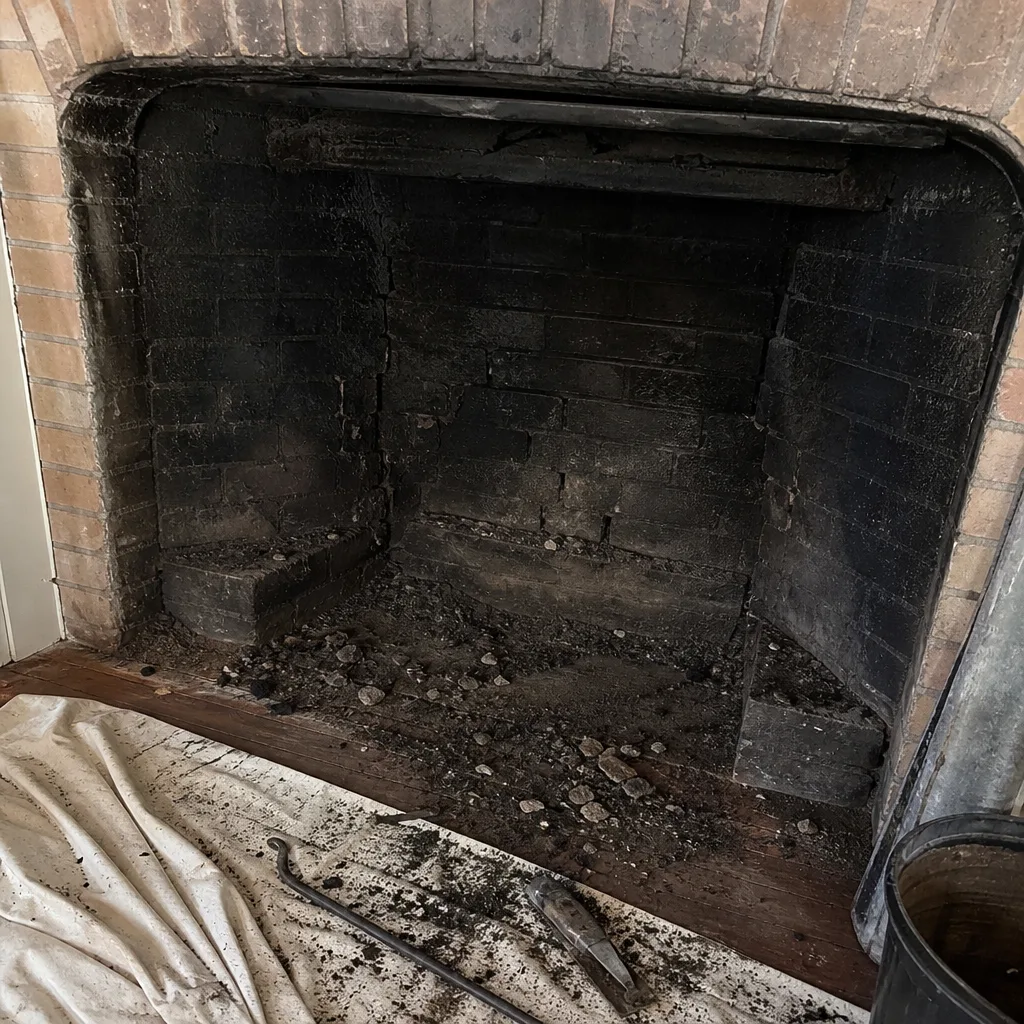 Before
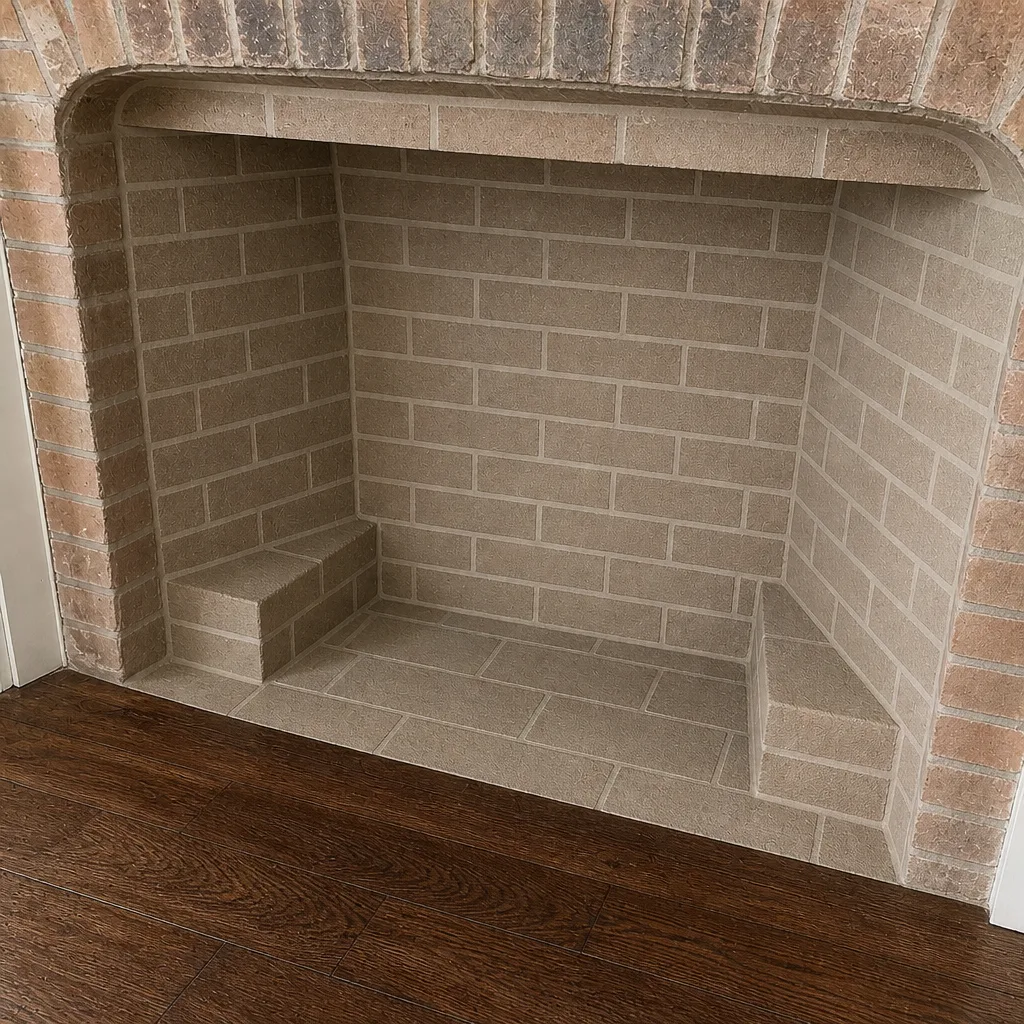 After
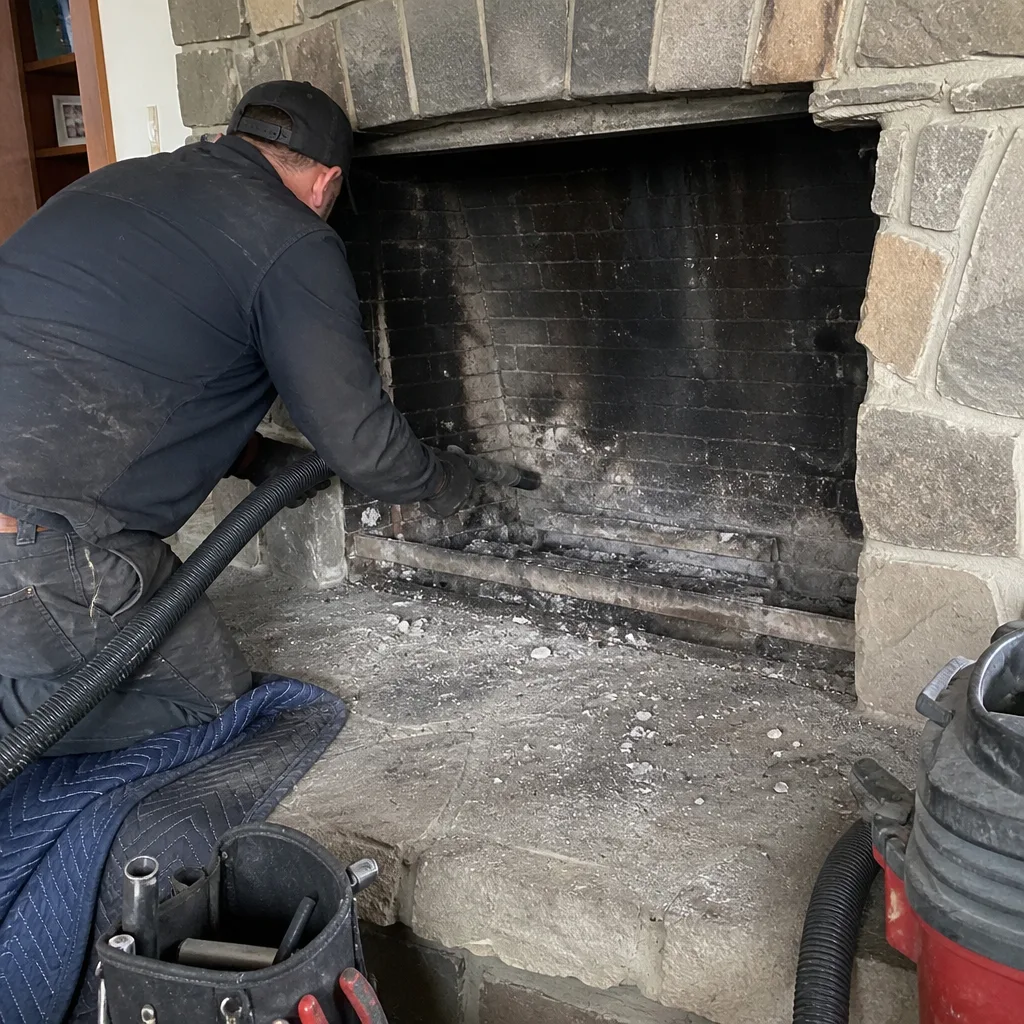 Before
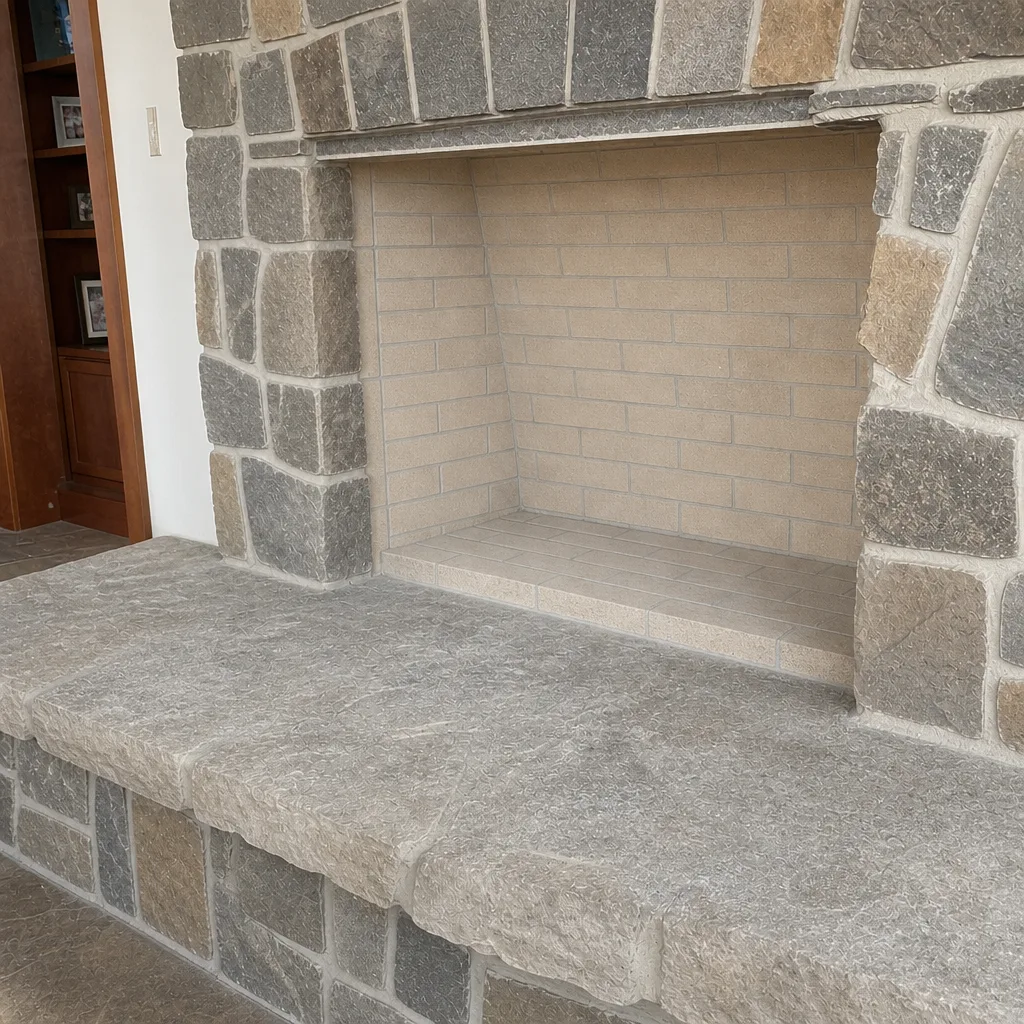 After
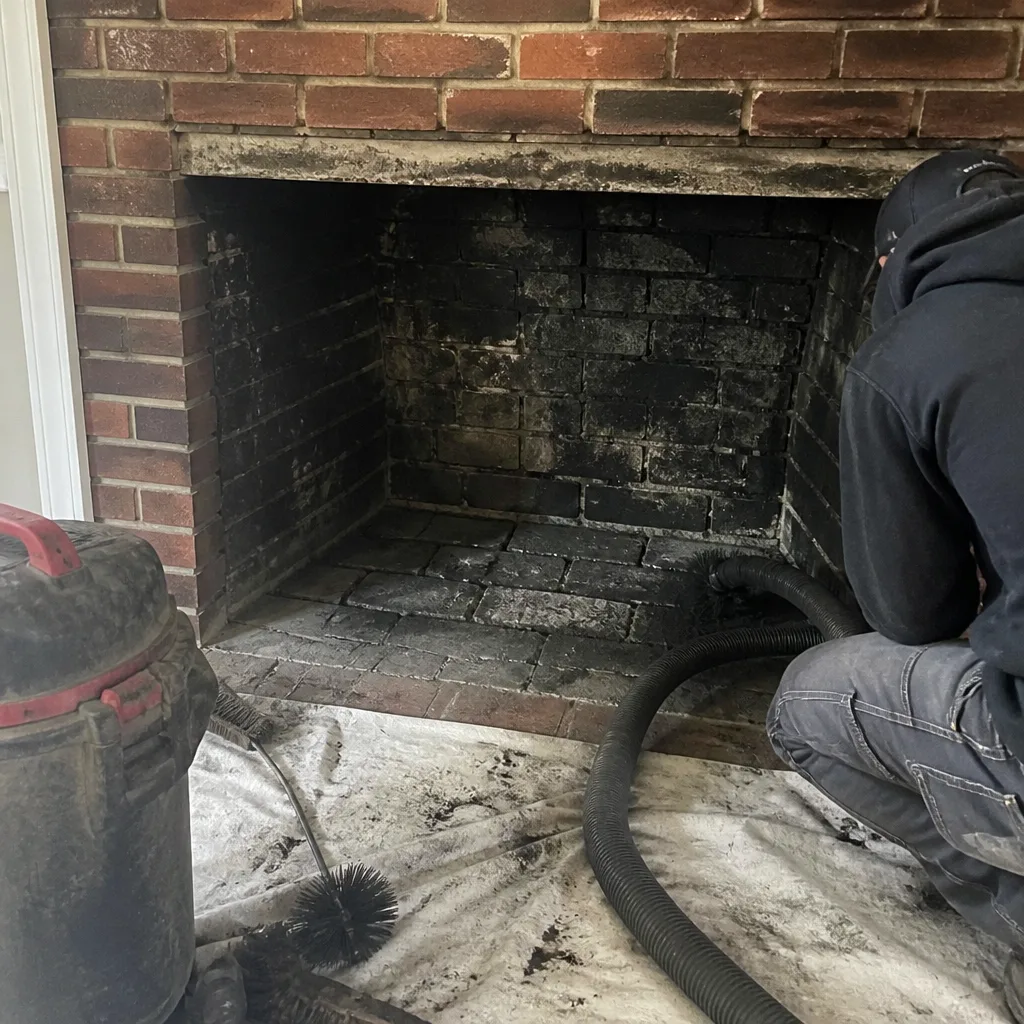 Before
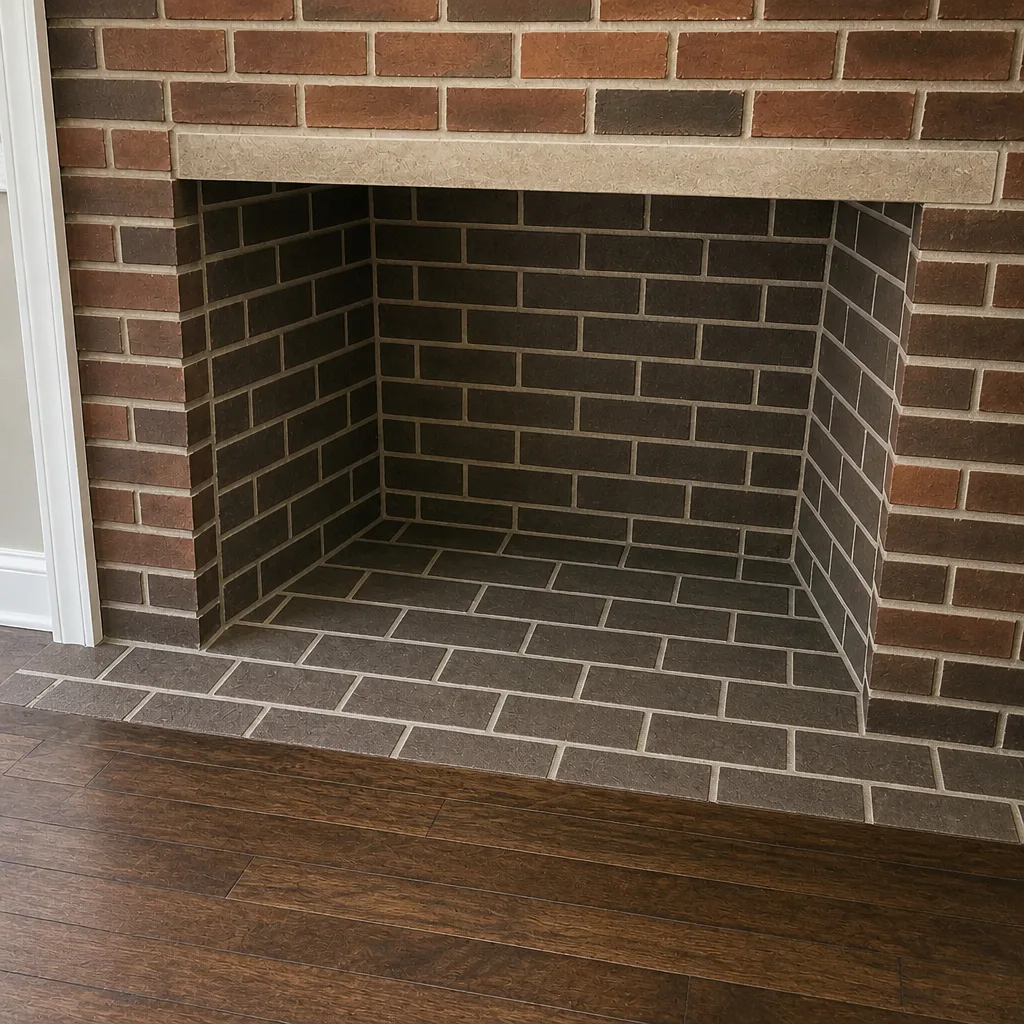 After
Frequently Asked Questions
Yes, for the reachable part. A homeowner with a brush kit can remove light stage-one creosote from a straight flue and keep up with ash removal and exterior checks between visits. What a brush kit cannot do is remove glazed creosote, see inside the flue, or assess the smoke chamber and joints, which are the areas most often at the start of chimney fires. Call (888) 395-8922 for a free estimate if you want the full inspection done.
An annual inspection is the general recommendation for chimneys in active use, and a camera is what makes the inspection meaningful. A camera is the tool that shows cracks, separated joints, and liner damage that a mirror and flashlight cannot reach. In Syracuse’s long burning season, that check matters more than in milder climates because more creosote builds up between cleanings. Call (888) 395-8922 if you haven’t had one done this year.
That depends on your policy and insurer; we won’t tell you it’s required when it may not be. What we can say is that documented inspection records can support an insurance claim after a chimney-related fire, and a professional sweep with a written report and photos gives you something to hand an adjuster. DIY sweeping leaves you with no record. Call (888) 395-8922 for a free estimate if you want that documentation in hand.
Stage one is soot and light flaky buildup that a brush removes. Stage two is a crusty layer that bonds to the flue wall and only partially comes off with brushing. Stage three is glazed, varnished, tar-like creosote that a brush won’t touch, and it’s the fuel load most associated with serious chimney fires. If a flue looks shiny or varnished inside, it’s stage three and it needs a professional. Call (888) 395-8922 for a free estimate.
Long, cold winters mean an extended burning season, and cooler flue walls cause more creosote to condense out of the smoke. The result is more buildup between cleanings than in milder regions. Annual sweeping and good burning habits (hot fires, dry wood, no extended smoldering) mitigate the effect, but the annual inspection is what tells you what’s actually in the flue. Call (888) 395-8922 if it’s been more than a year.
Yes, we handle chimney sweeping, chimney repair and dryer vent cleaning together, so both fire-safety concerns can be addressed in one appointment. Dryer vents are a fire hazard many chimney companies ignore entirely, and combining the two avoids coordinating separate contractors. Our technicians have up to experience and use named industry materials including HeatShield and DuraFlex. Call (888) 395-8922 for a free estimate.
The Bottom Line
DIY chimney brushing removes the creosote you can see and reach, and for a homeowner with a clean, straight flue and light buildup, that’s genuinely useful. What it cannot do is remove the glazed creosote that feeds a serious chimney fire, or reveal the cracked tile and separated joint above your smoke chamber. The camera is the difference, and the inspection is what you’re really buying from a professional. Keep up the ash removal and exterior checks between visits, and let a trained sweep handle the flue interior and the smoke chamber. In Syracuse’s long burning season, that annual visit is worth more than any savings from doing it yourself. For Syracuse area homeowners, call Chimney Sweep Syracuse at (888) 395-8922 for a free estimate. We answer 24/7. Fast dispatch from 7am to 7pm, Sunday through Friday.
Contact
Whether you’re ready to book a sweep, you’ve noticed something that needs a look, or you just want to know what condition your chimney is in, we’re glad to help. Call Chimney Sweep Syracuse at (888) 395-8922 for a free estimate. We answer 24/7. Fast dispatch from 7am to 7pm, Sunday through Friday.
Written by the team at Chimney Sweep Syracuse.