
Last updated November 15, 2026
 Sweep & inspection
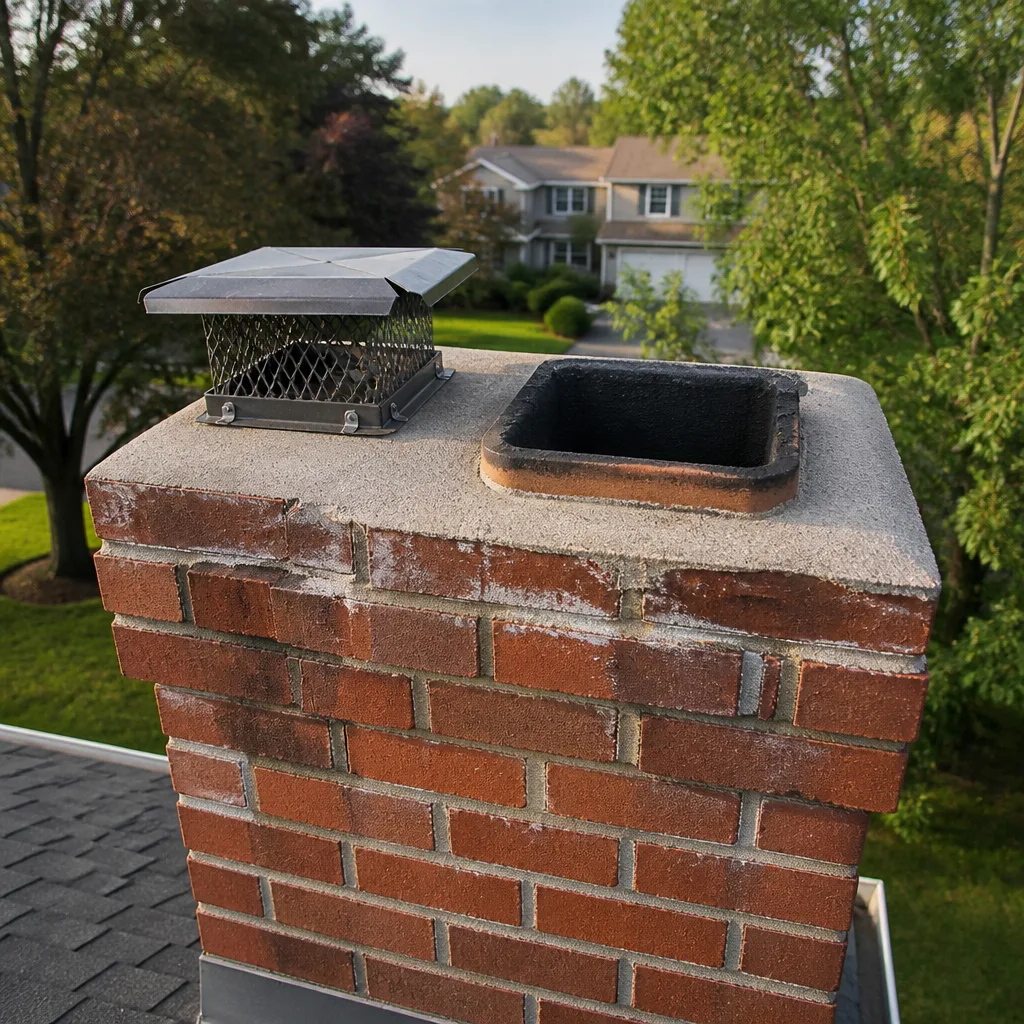
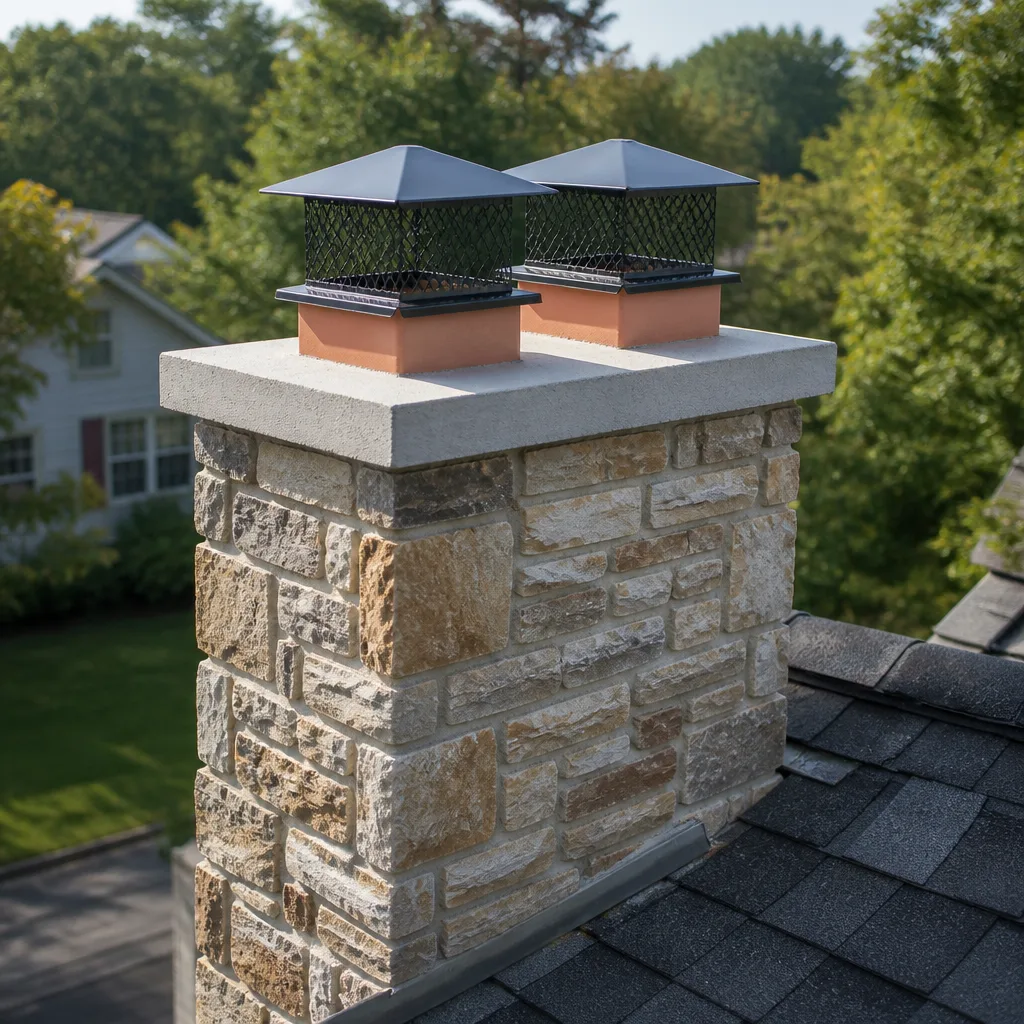 Caps & crowns
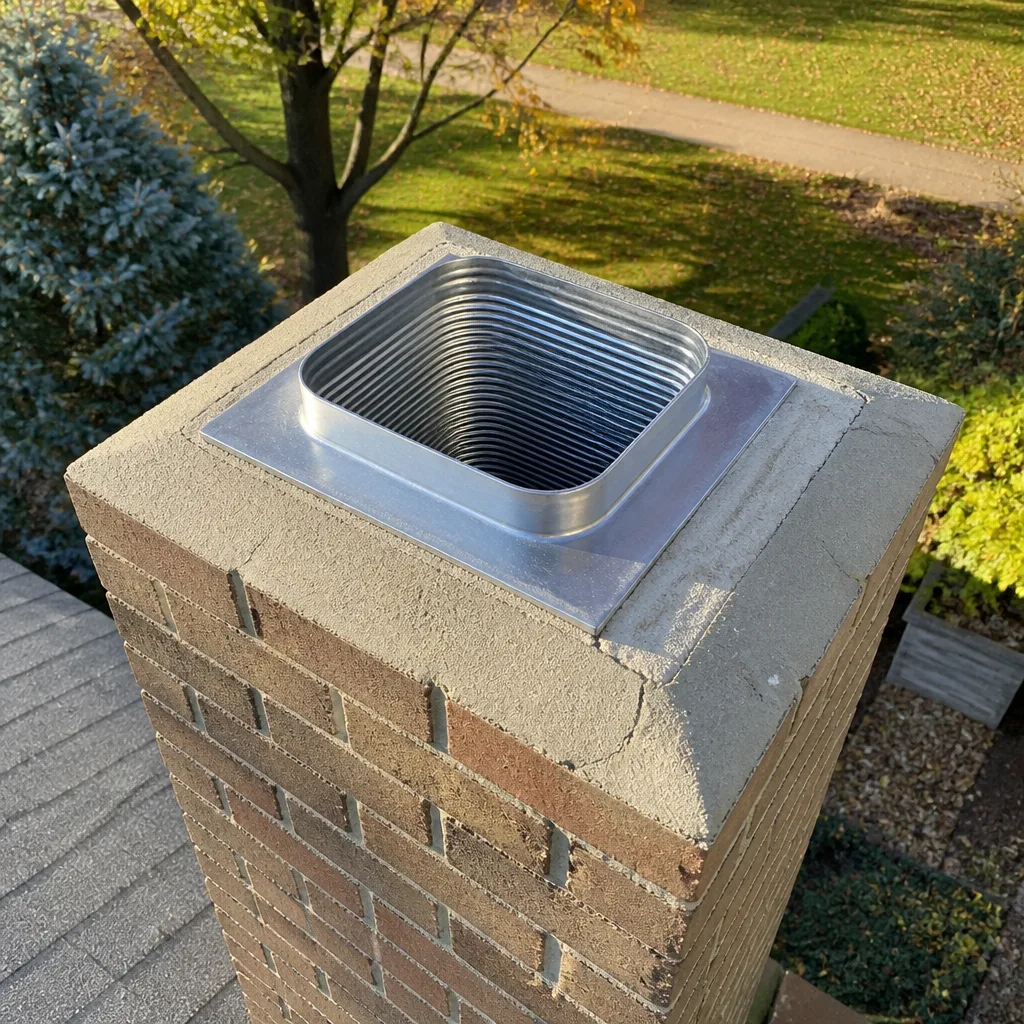 Flue relining
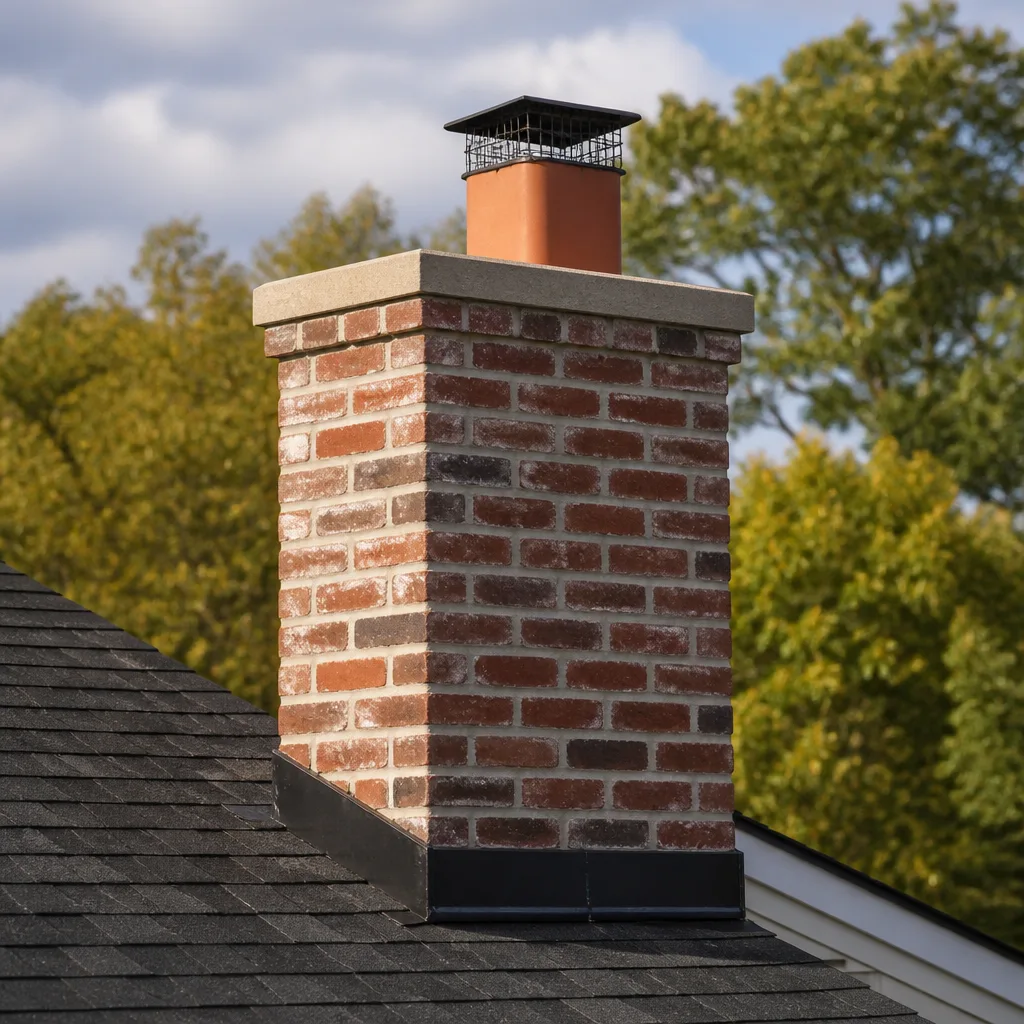 Masonry repair
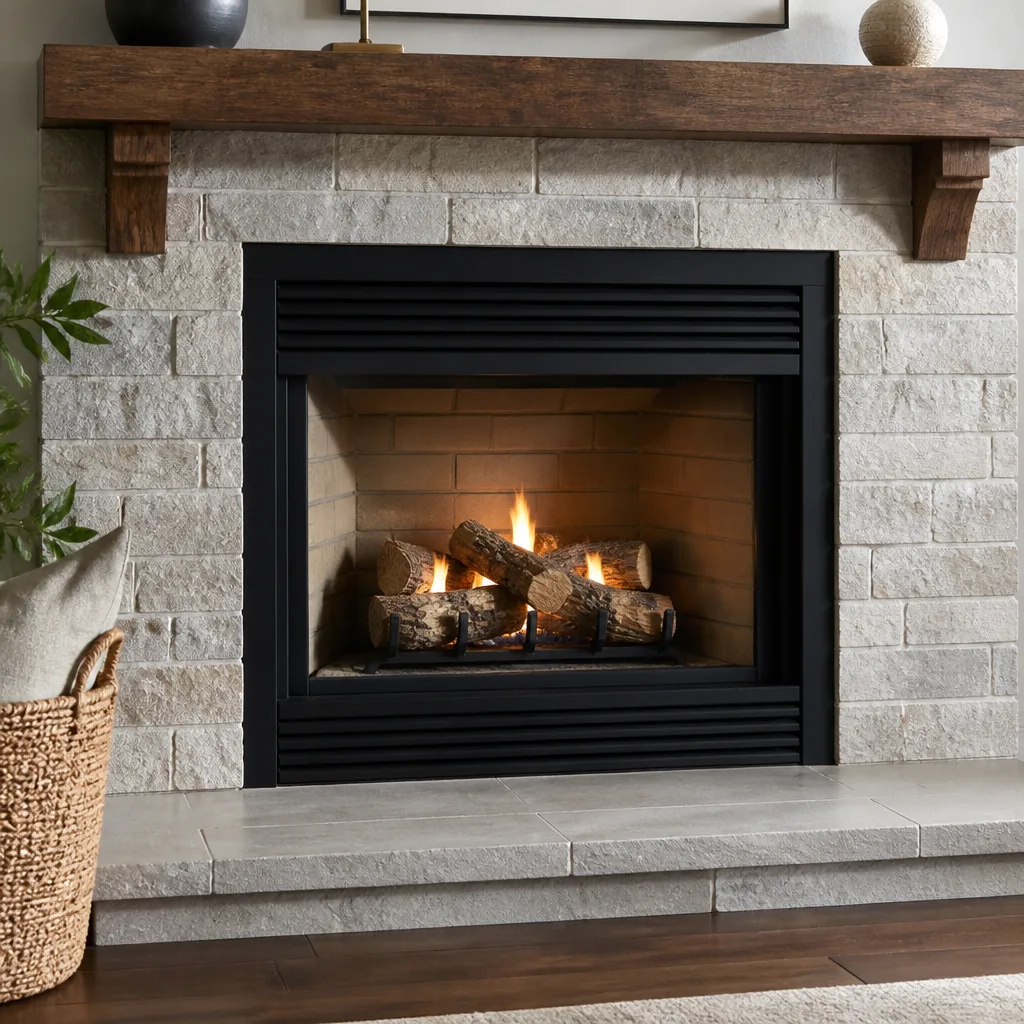 Gas fireplace service
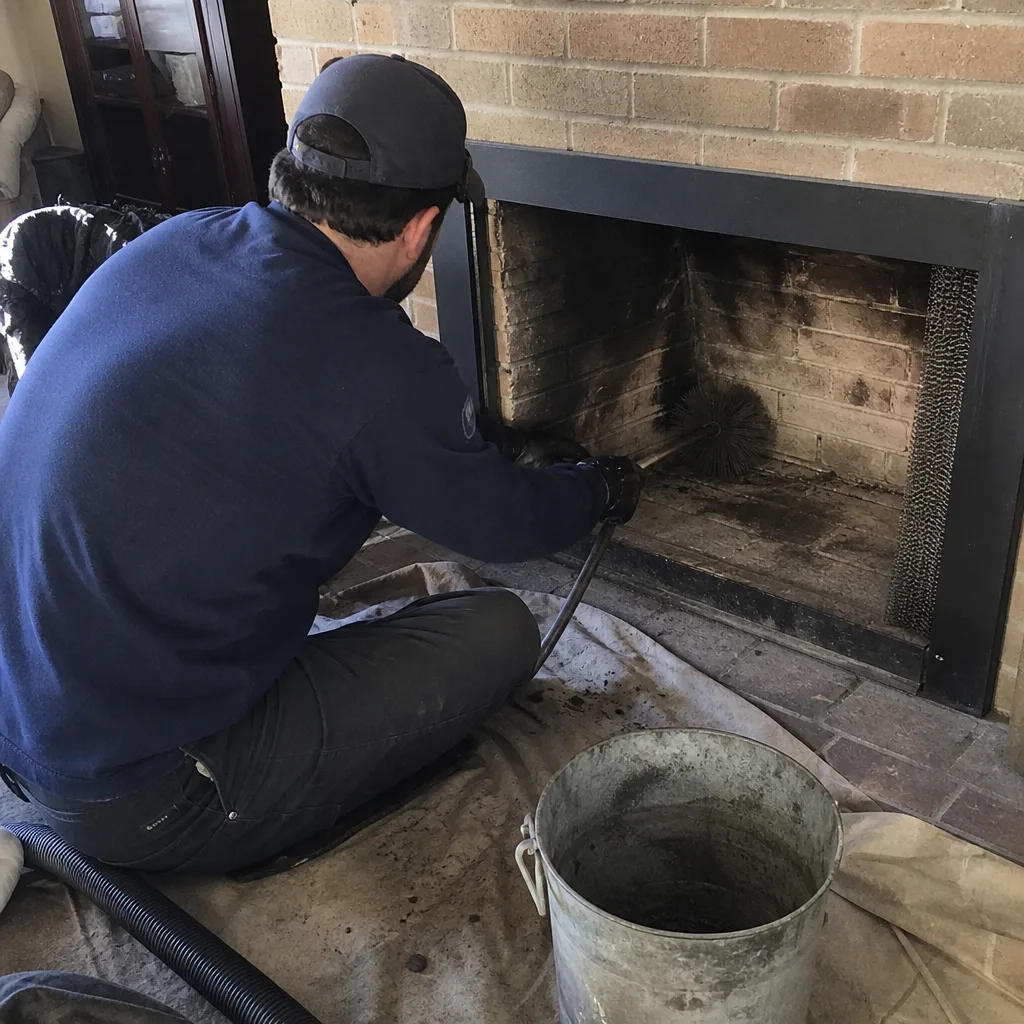
Level 1 sweep and inspection to the NFPA 211 annual standard - flue, crown, cap, and flashing checked and photographed
Chimney sweep logs do not sweep chimneys. They loosen some creosote - which then falls where a brush and vacuum still have to collect it.
Chimney Sweep Troubleshooting in Syracuse: Common Problems and How to Fix Them
If smoke backs into your living room only on windy days, but the fireplace drafts fine when the air is still, you don’t have a dirty flue. You have a pressure problem, and sweeping it won’t solve anything. This is the single most common misdiagnosis we run into in Syracuse: homeowners pay for a sweep to fix a smoke issue that a sweep can’t touch, and the smoke comes back with the first big gust. The truth is that most chimney problems announce themselves before they ever become a repair bill – white staining on the brick, a damper that won’t sit flat, a firebox that smells like a campfire in July. This guide maps each symptom to its actual cause and the specific material-level fix, so you can walk into the conversation already knowing what you’re looking at.
Quick Answer
The most common chimney problems in Syracuse are draft failure (smoke rollback, usually caused by blockage, pressure imbalance, or an undersized flue – three separate issues with three separate fixes), water intrusion through the masonry (visible as white efflorescence after our freeze-thaw winters), a leaking throat damper, summer odors from humidity rather than soot, and firebox deterioration from repeated wetting and drying. Most are repairable without a rebuild once the symptom is traced to the right cause. A sweep alone fixes only the blockage cases.
Styles & brands we work with
- Sweep & inspection
- Caps & crowns
- Flue relining
- Masonry repair
- Gas fireplace service
Table of Contents
- Draft Failures: Three Causes That Look Identical
- What White Staining on Syracuse Brick Really Means
- The Damper Gap Problem
- Why Your Fireplace Smells Like a Campfire in Summer
- How to Read a Firebox
- Creosote: What the Glaze Tells You
- The Dryer Vent Problem Most Chimney Companies Skip
- How Often Should Your Chimney Be Swept?
Draft Failures: Three Causes That Look Identical
Every draft failure looks the same from the sofa: smoke won’t go up. But the fix for each cause is completely different, and applying the wrong one wastes money. Here’s how we separate them.
Cause 1: Blockage
Leaves, a bird nest, a collapsed flue tile, or heavy creosote can choke the flue. The tell is that the fireplace smokes on every burn, not just windy days. Draft feels weak even in calm weather. A chimney sweep with a camera inspection settles this in minutes. Blockage is the only one of the three causes a sweep actually fixes.
Cause 2: Pressure Imbalance
If your home is tightly sealed – newer windows, weatherstripping, a powerful kitchen exhaust – the chimney competes with everything else for makeup air. That’s why smoke backs up on windy days or when the furnace kicks on. Sweeping does nothing here. The fix could be a top-sealing damper, a chimney cap designed to resist downdrafts, or in some cases an outside air kit. It’s a system problem, not a flue problem.
Cause 3: Undersized or Oversized Flue
A flue sized for the wrong appliance never drafts right. Older Syracuse masonry flues originally built for open fireplaces can be too large for a modern wood stove insert, or too small for the fireplace opening. The rule of thumb is that a flue roughly one-tenth the size of the fireplace opening drafts well; when the ratio is off, you get smoke.
How to tell which one you have
- Note whether it smokes on every burn or only under specific conditions (wind, exhaust fan, cold start).
- Look for visible blockage from the firebox with a flashlight.
- Check your fireplace opening and flue size against the one-to-ten ratio.
- Have a technician perform a camera inspection to confirm flue condition and note any obstruction.
Each symptom points to a different fix. Getting that right is the whole job.
What White Staining on Syracuse Brick Really Means
That chalky white powder on your exterior brick isn’t cosmetic. It’s efflorescence – mineral salts pushed to the surface as water migrates through the masonry. Water gets into the brick or mortar, dissolves salts, moves to the surface as it dries, and leaves them behind. It’s a signal that your chimney is staying wet.
Syracuse winters make this worse than most markets. Every freeze-thaw cycle pulls water through the brick, freezes it, expands, then thaws – a slow mechanical attack on the masonry itself. A chimney that reads fine in dry weather can develop hairline mortar cracks over a single hard winter, and then efflorescence shows up the following spring as the water finally finds its exit path. Seasonal wet weather and repeated cycles of snowmelt are the engine behind the problem.
Where you see the efflorescence matters:
- On the crown (top of the chimney): likely a failing crown allowing water in from above – often fixed with a crowned repair and a proper seal.
- Mid-flue or on the shoulders: often compromised mortar joints, missing flashing, or a bad cap allowing rain in.
- Low on the chimney where it meets the roof: flashing failure – the most common culprit.
- Inside the flue (visible from the firebox): a sign that the liner or the brick is absorbing moisture, which is a bigger deal.
In our experience, efflorescence treated as a cosmetic problem comes back every season. Addressed at the source – crown repair, flashing, cap, or a flue resurfacing with HeatShield – it stops appearing altogether. That’s the distinction worth paying for.
The Damper Gap Problem
You close the damper, and the draft still comes down the chimney. Or the dining room feels cold even with the fireplace closed. The damper handle works. It looks shut. So what’s happening?
Throat dampers – the flat metal plate above the firebox – warp, corrode, or lose their seal over time. A damper that’s “closed” may have a gap you can’t see from below but that leaks significant cold air. It’s one of the most common complaints we get from homeowners who can’t figure out why a room stays chilly during Syracuse winters.
The good news is that this problem has a clean solution: a top-mount damper. Instead of a metal plate in the throat, the damper sits at the top of the chimney and seals against the crown. Two brand-name systems we install:
- Lyemance top-sealing dampers – a lever-driven energy-saving cap that seals the flue at the top. The seal is nearly airtight when closed.
- Lock-Top dampers – a similar top-mount design with a cable-operated plate. Seals the flue completely when closed.
Both do two things a throat damper can’t: they seal against cold air and moisture entering from above, and they eliminate the throat gap entirely. They also protect the firebox from rain and animal entry when the fireplace is out of season, which is a small but real bonus in our climate.
Installation is straightforward once the flue is verified clear and the crown is in good shape. If you suspect a throat gap – the room feels cold, the chimney drafts even when shut, or you can feel air moving up the firebox – ask for a damper inspection alongside your annual service.
Why Your Fireplace Smells Like a Campfire in Summer
Many homeowners assume the summer campfire smell means the chimney is dirty. It usually doesn’t. What you’re smelling is creosote residue releasing odor as the chimney warms and cools through daily temperature swings. The trigger is often humidity: damp, warm air moving down the flue carries that smell into the room. Sooted or dirty chimneys smell worse, but the smell itself is a moisture-and-air-movement story, not a cleanliness story.
Two things usually fix it:
- Cap the chimney. A tight top-mount damper or a properly fitted chimney cap eliminates the open flue that funnels humid air down into the living space. This is the single biggest fix.
- Clear the creosote. A professional sweep removes the material that’s producing the smell in the first place.
The brand matters less than the fit here, but we use Famco and Copperfield cap and cover components for solid, verifiable coverage. If you’ve been told your chimney is “clean so the smell must be something else,” have it checked for a missing or damaged cap. That’s usually the answer.
How to Read a Firebox
The firebox tells you more about your chimney’s health than almost any other part of the system. Here’s what specific patterns mean:
- Spalling (flaking or crumbling brick): moisture has infiltrated the firebox brick and is pushing it apart. Needs repointing and possibly a refractory panel replacement. Common in older Syracuse homes after a wet winter.
- Mortar joint failure (crumbly white/yellow lines between bricks): the mortar is degrading. Left alone, it allows water deeper into the structure. Repointable if caught early; a rebuild candidate if not.
- Smoke staining on the firebox walls: often signals poor draft. Staining low and central with heavy soot on the back wall usually means incomplete combustion – a draft or fuel problem, not a fire problem.
- Staining on the face and upper firebox: more often signs of draft reversal – smoke coming back into the room. That’s the pressure-imbalance story from the section above.
The distinction matters: staining from incomplete combustion often points to fuel quality or draft, while staining from reversal points to pressure. Different fixes. A technician reading a firebox should be able to tell you which you have after a camera inspection – and show you the evidence.
Creosote: What the Glaze Tells You
Creosote is the tar and soot that builds up on the flue walls. It has three common forms, and each tells a different story:
- Flaky, soot-like creosote: low-stage, the normal residue of regular burning. Sweepable.
- Crumbly, crunchy creosote: second-stage, thicker and starting to close the flue diameter. Needs a professional sweep; don’t try to dislodge it yourself.
- Glazed, tar-like creosote: third-stage, a hardened residue that can be difficult to remove and is the highest chimney-fire risk. This is when a sweep alone may not be enough and the flue needs closer inspection.
If you’ve been burning unseasoned wood, or have been damping fires down overnight to make them last, you’re more likely to see glazed creosote. Heating a firebox efficiently – dry wood, hot burns – reduces creosote accumulation. If you see glazed creosote when you look up the flue (using a mirror and flashlight), stop burning and get an inspection. Creosote removal is not a do-it-yourself task, and the fire risk is real.
In Syracuse, cold-season wood burning means creosote builds through the winter and sits all summer. The first cool night’s fire in September can expose a problem that’s been there since March. Annual sweeping before the burn season is the answer, and it’s why we recommend scheduling inspections before the first cold snap.
The Dryer Vent Problem Most Chimney Companies Skip
Here’s a problem that belongs in a chimney guide even though it has nothing to do with your fireplace: lint-clogged dryer vents. A dryer vent clogged with lint is one of the leading causes of household fires, and most chimney companies don’t touch it. We do – dryer vent cleaning is part of our core service, precisely because it’s the same category of risk as a dirty chimney.
The typical signs of a clogged dryer vent:
- Clothes take longer than one cycle to dry
- The dryer feels hot to the touch
- A burning or musty smell near the dryer
- Lint visible around the vent exterior
A professional dryer vent cleaning removes lint from the entire run – from the dryer connection to the exterior vent – and verifies the vent is clear with a camera. It pairs naturally with your annual chimney service: one company, one visit, both fire risks checked. If you’ve never had a dryer vent cleaning, it’s worth booking one alongside your next chimney sweep.
How Often Should Your Chimney Be Swept?
Once a year for most households that use the fireplace regularly, and more often if you burn a lot of wood or notice creosote buildup. The industry standard is an annual inspection; sweeping depends on what the inspection finds. If you burn several cords a year, a mid-season check makes sense.
How to know it’s time:
- The flue has more than 1/8 inch of creosote visible on the walls.
- The fire smells smoky or smolders rather than burning cleanly.
- You see soot around the firebox or on the glass doors.
- It’s been more than a year since your last inspection.
- You just moved in and have no history of the chimney.
For a deeper look at what a sweep actually involves, see our main Chimney Sweep Syracuse service page.
Common Mistakes to Avoid
- Assuming a smoke problem is a dirty flue. Sweeping only fixes blockage. If your smoke issue is pressure or flue sizing, sweeping won’t help and you’ll be back where you started next winter.
- Treating efflorescence as a cosmetic issue. White staining on Syracuse masonry means water is actively moving through the brick. Paint it and you trap moisture inside, accelerating the damage.
- Burning unseasoned wood to “save money.” Wet wood produces much more creosote and less heat. You spend more time babysitting the fire and pay more for sweeps.
- Ignoring a throat damper gap. A cold room in winter is often a sign the damper is leaking. Replacing the throat damper with a top-mount Lyemance or Lock-Top fixes it cleanly.
- Skipping the dryer vent. A clogged dryer vent is a fire hazard, not a convenience annoyance. Most people don’t think of it as a chimney-company job, but it belongs in the same annual safety visit.
- Letting glazed creosote sit all summer. Third-stage creosote hardens and becomes more difficult to remove over the warm months. Address it before the next burn season.
- Hiring a one-trick sweep crew. A maintenance-only company walks away from structural problems or refers them out, which means you’re coordinating multiple contractors for one safety issue. Look for a company that handles sweep, repair, and dryer vent together.
See the difference
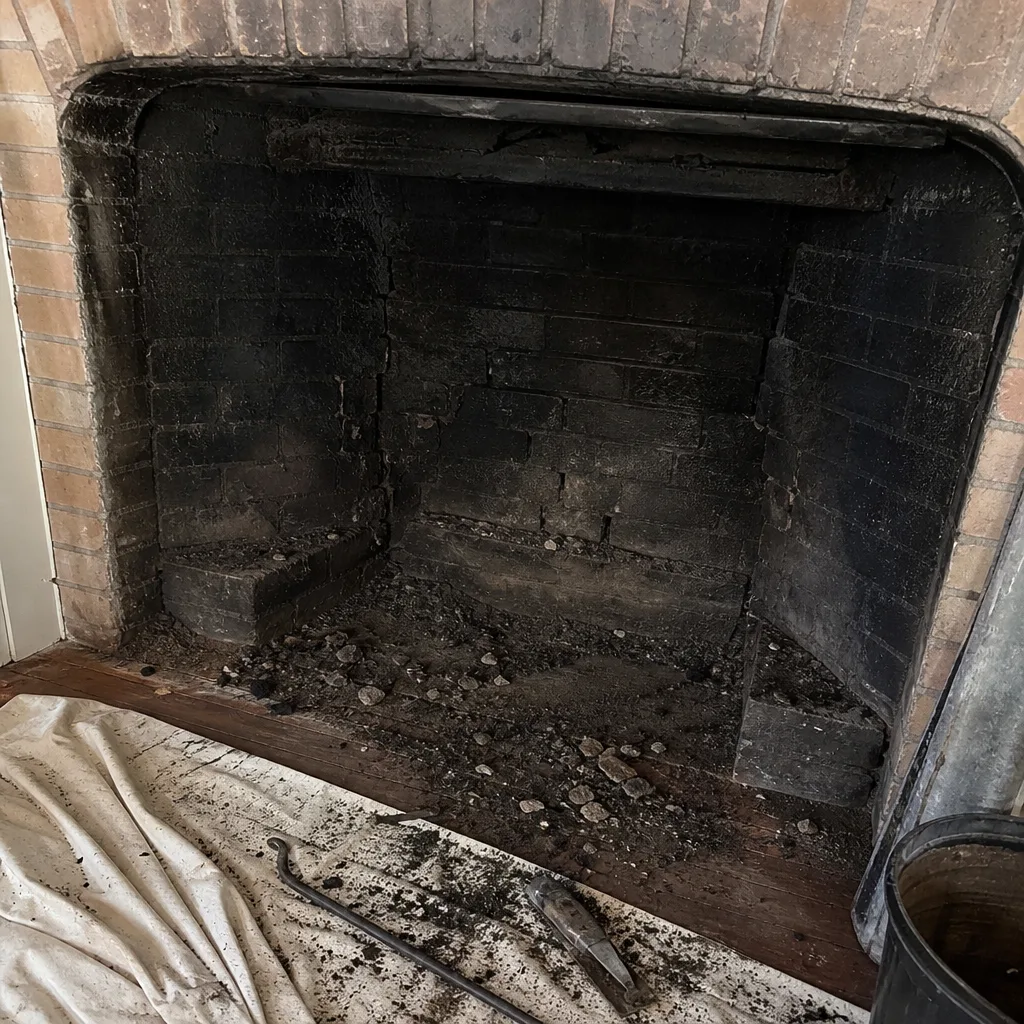 Before
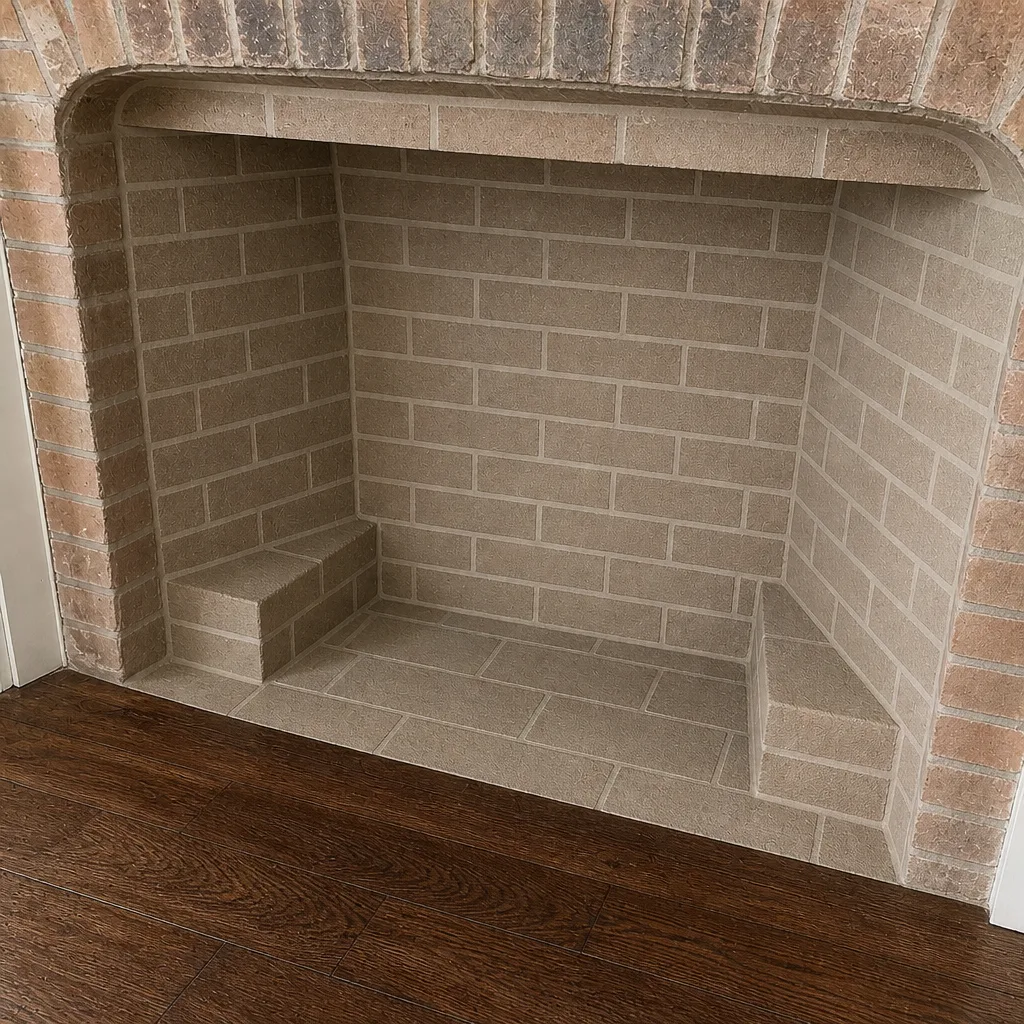 After
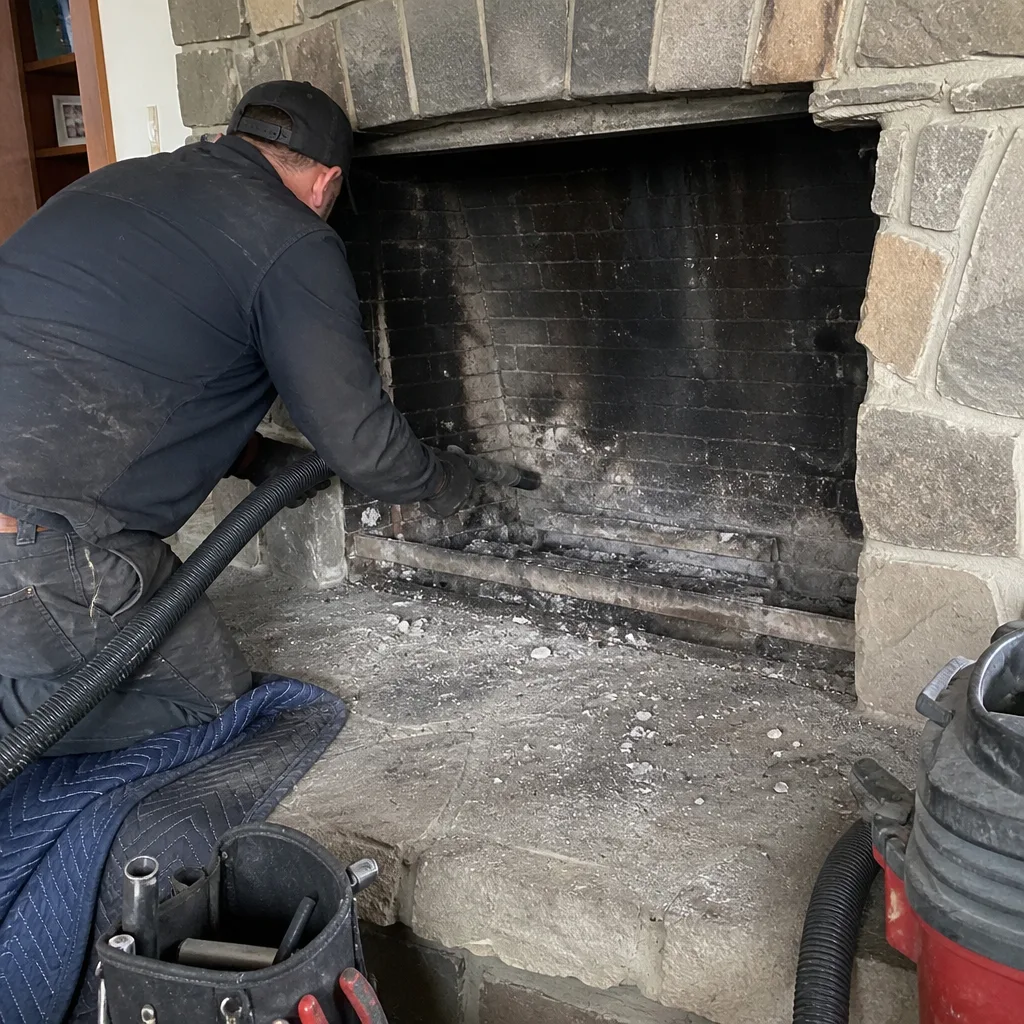 Before
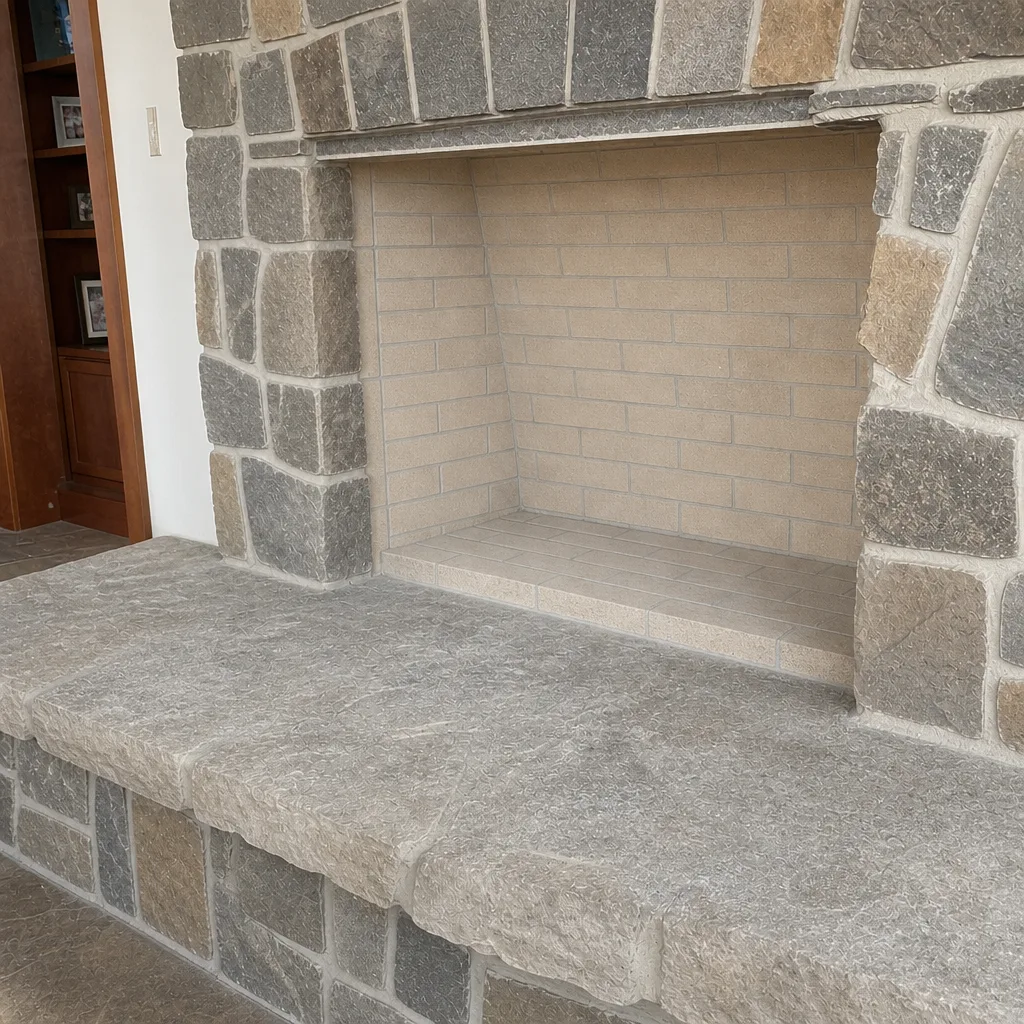 After
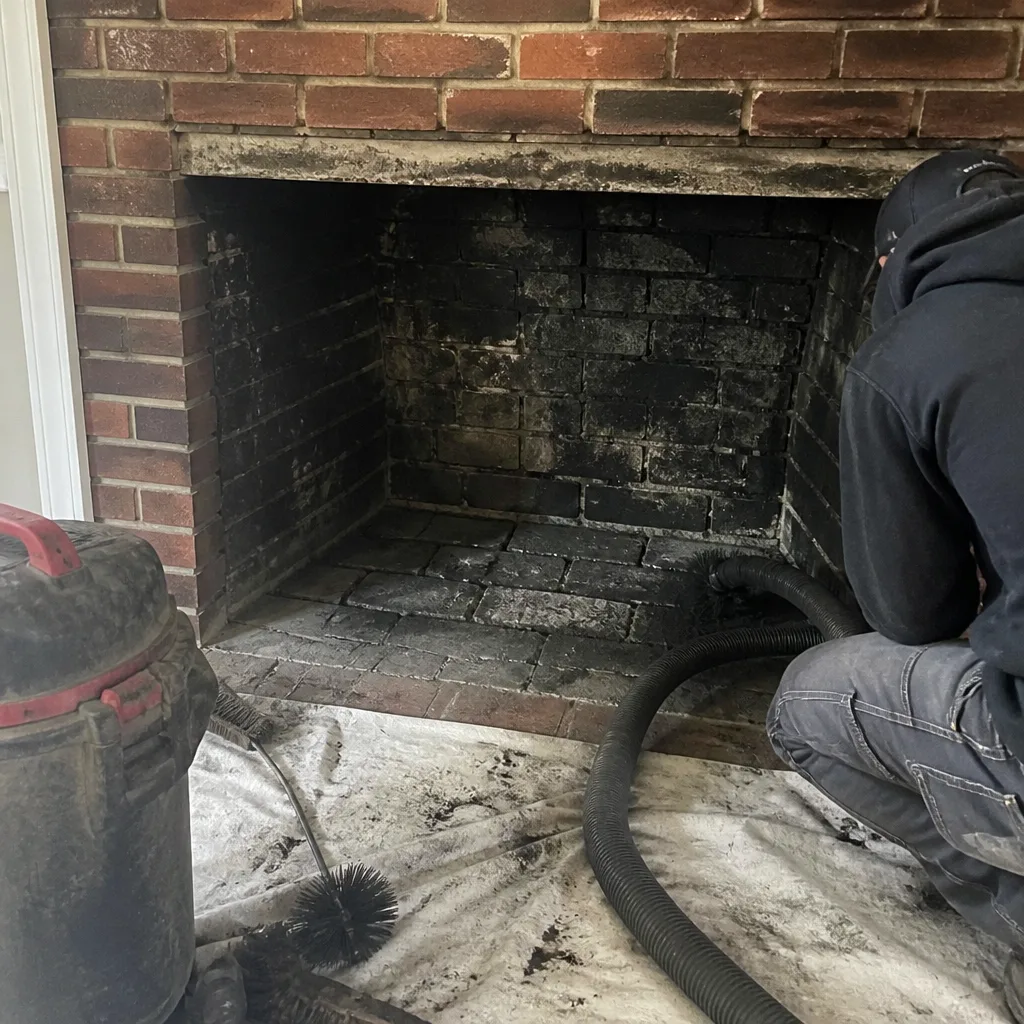 Before
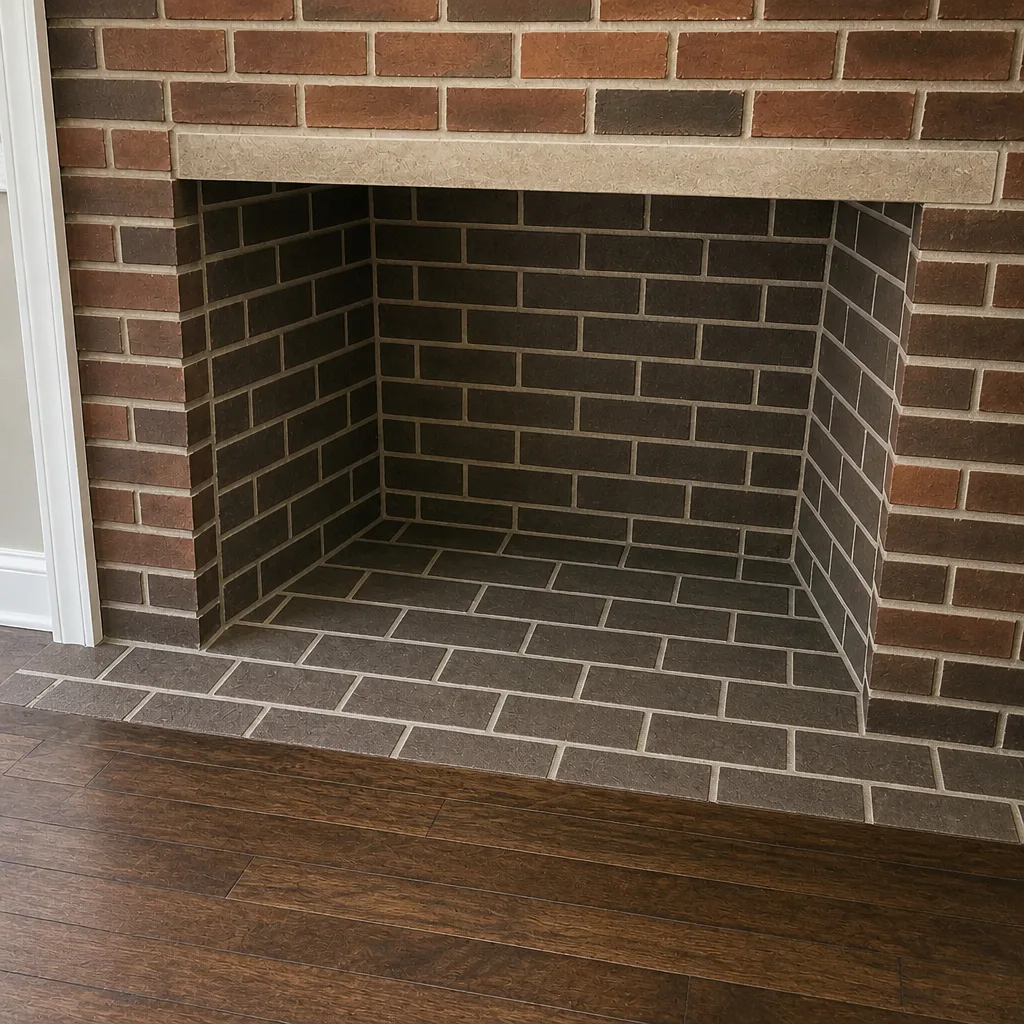 After
When to Call a Professional
Call a professional if any of these apply:
- Smoke rolls back into the room on any consistent basis
- You see glazed, tar-like creosote in the flue
- You notice efflorescence, spalling, or crumbling mortar on the firebox or exterior brick
- The damper won’t seal and cold air comes down the chimney
- Your fireplace smells like a campfire in summer despite cleaning
- The dryer takes two cycles to dry clothes or feels hot to the touch
- It’s been more than a year since your last inspection
We show you what we find before we quote the fix, and the estimate is free. Carrying out repairs requires a licensed technician, and there’s no DIY shortcut for structural chase work. Chimney Sweep Syracuse offers free estimates: call (888) 395-8922. We answer 24/7. Fast dispatch from 7am to 7pm, Sunday through Friday.
Frequently Asked Questions
Smoke rollback usually comes from one of three causes: a blocked flue, negative pressure inside the home, or an undersized flue. The wind-and-pressure pattern is the tell – if it only happens on windy days or when exhaust fans run, it’s pressure, not blockage. Call (888) 395-8922 for an exact quote – estimates are free.
A standard chimney sweeping in Syracuse typically runs somewhere in the $150 to $300 range for a straightforward single-flue home, with higher figures if creosote is heavy or an inspection includes camera work. The written estimate sets the final price, and we quote before we start. Call (888) 395-8922 for an exact quote – estimates are free.
Only if the flue interior is compromised by spalling, gaps, or heavy glazed creosote that can’t be removed safely. Many chimneys need resurfacing rather than a full reline – that’s a meaningful distinction. HeatShield flue resurfacing repairs the existing flue wall without demolition, and DuraFlex flexible liners are used when full replacement is warranted. We show you the camera evidence before recommending either. Call (888) 395-8922 for an exact quote – estimates are free.
Once a year for most regular users, more often if you burn a lot of wood or notice creosote buildup. Inspect annually, sweep when the inspection finds 1/8 inch of creosote or more. Call (888) 395-8922 for an exact quote – estimates are free.
Creosote accumulates in stages, and glazed third-stage creosote carries the highest risk of a chimney fire. Efflorescence left alone means water keeps working through the masonry, which can lead to spalling and structural repair. And a clogged dryer vent is a fire hazard that builds silently. None of these get better with time. Call (888) 395-8922 for an exact quote – estimates are free.
Summer fireplace odors come from creosote releasing smell as humidity and temperature change, and from open flues funneling damp air down into the house. The fix is usually a top-mount damper, a fitted cap, and a fresh sweep. Call (888) 395-8922 for an exact quote – estimates are free.
The Bottom Line
Most chimney problems in Syracuse are readable long before they turn into big repair bills. Smoke backdraft on windy days is usually pressure, not a dirty flue. White efflorescence means water is moving through the masonry. A cold room in winter points to a throat damper gap. And a summer campfire smell is a humidity-and-air-movement issue, not a cleanliness one. We approach every one of those with the same principle: show the camera evidence, name the actual fix, and quote it in writing. When it comes to materials, we use brand-name components – DuraFlex flexible liners, HeatShield flue resurfacing, Olympia Chimney and Copperfield supply, and Gelco and Famco caps – because homeowners can look them up and verify what’s going into their chimney. Our technicians have up to experience, and we handle sweep, repair, and dryer vent cleaning under one roof, so you’re not coordinating multiple contractors for a single fire-safety workup. For homes across Syracuse, that’s a cleaner, simpler way to keep your chimney healthy. Call (888) 395-8922 for a free estimate. We answer 24/7. Fast dispatch from 7am to 7pm, Sunday through Friday. Nobody recommends a repair without evidence you can see for yourself, and we’ll tell you when a problem can safely wait.
Written by the team at Chimney Sweep Syracuse.