
Last updated November 15, 2026
 Sweep & inspection
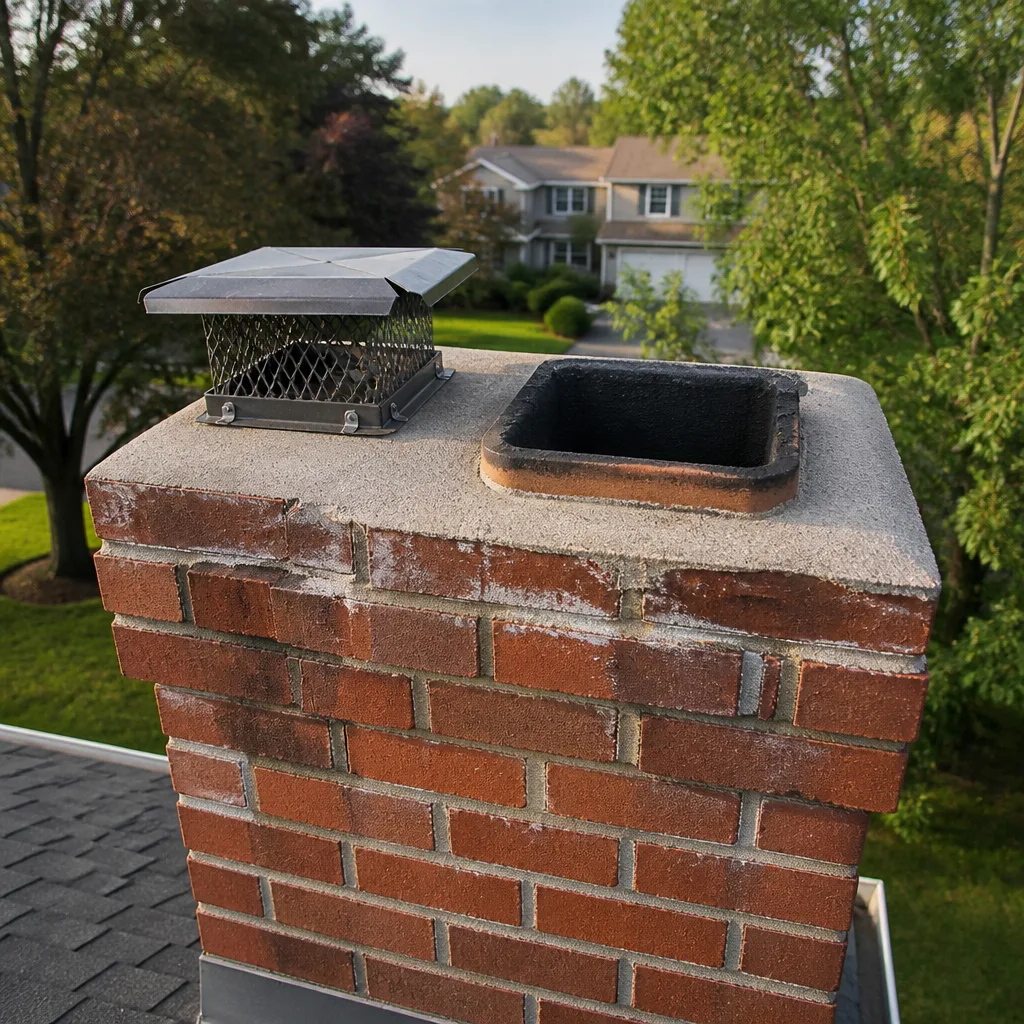
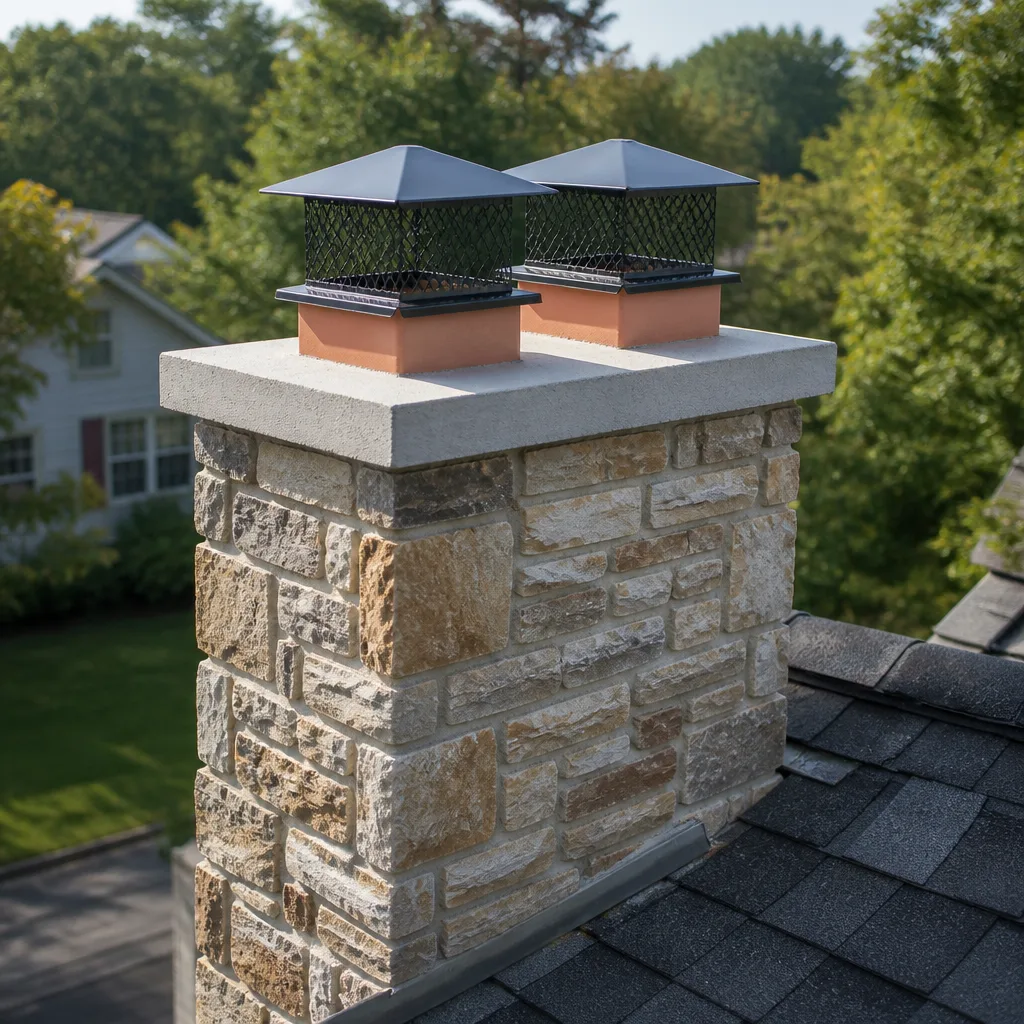 Caps & crowns
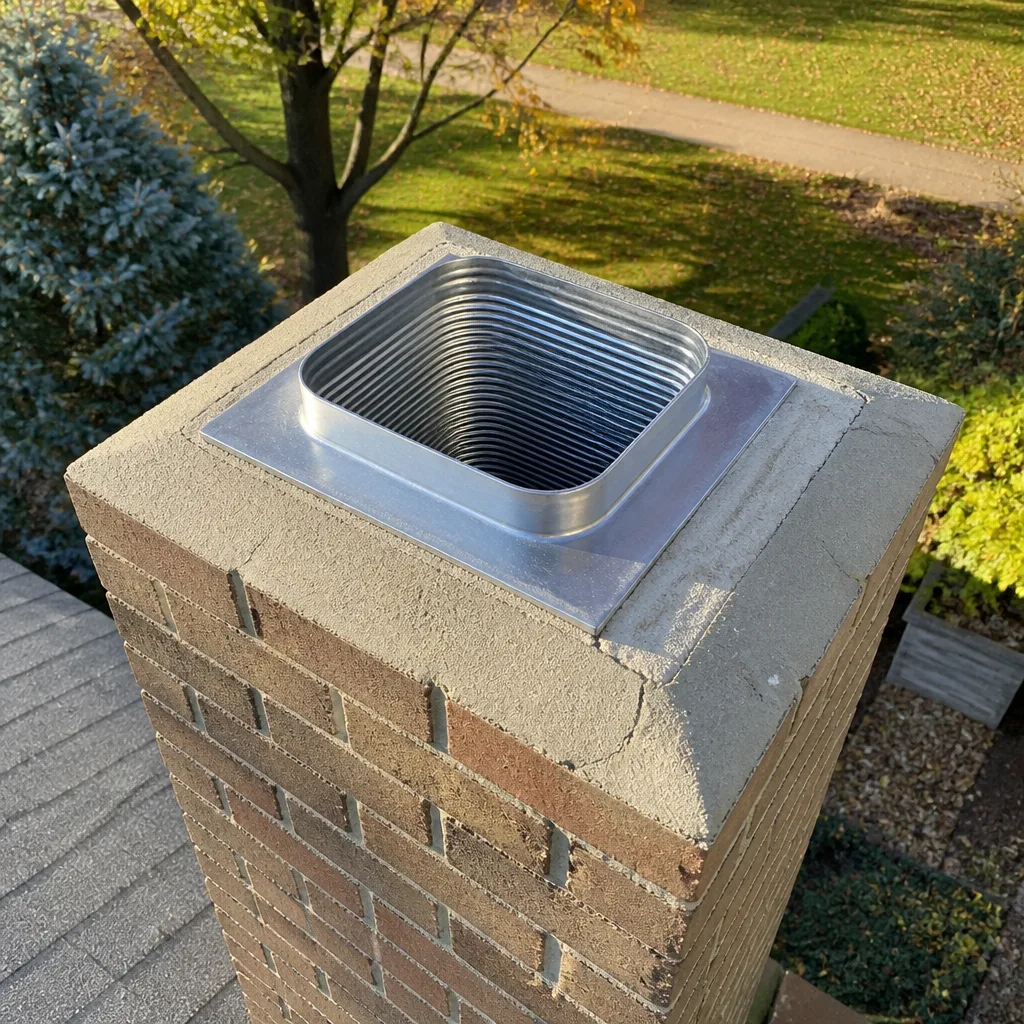 Flue relining
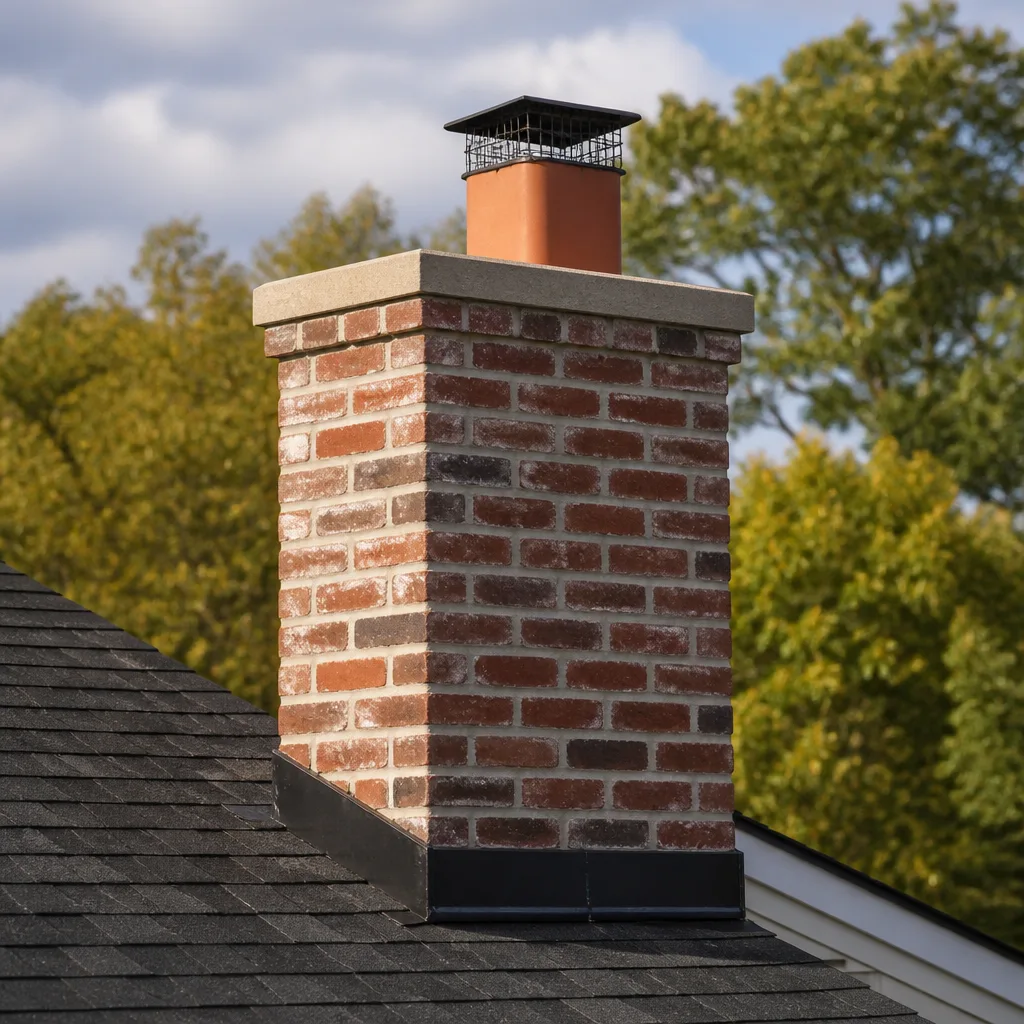 Masonry repair
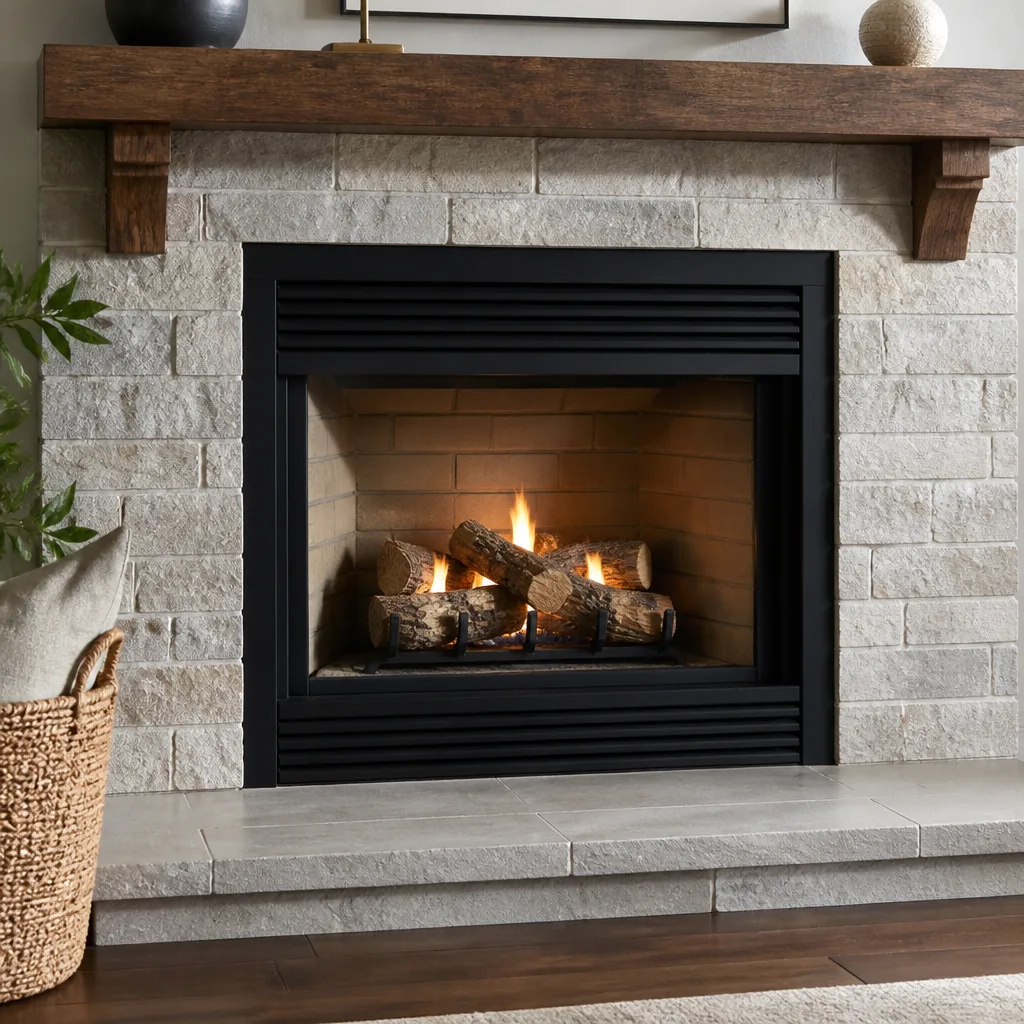 Gas fireplace service
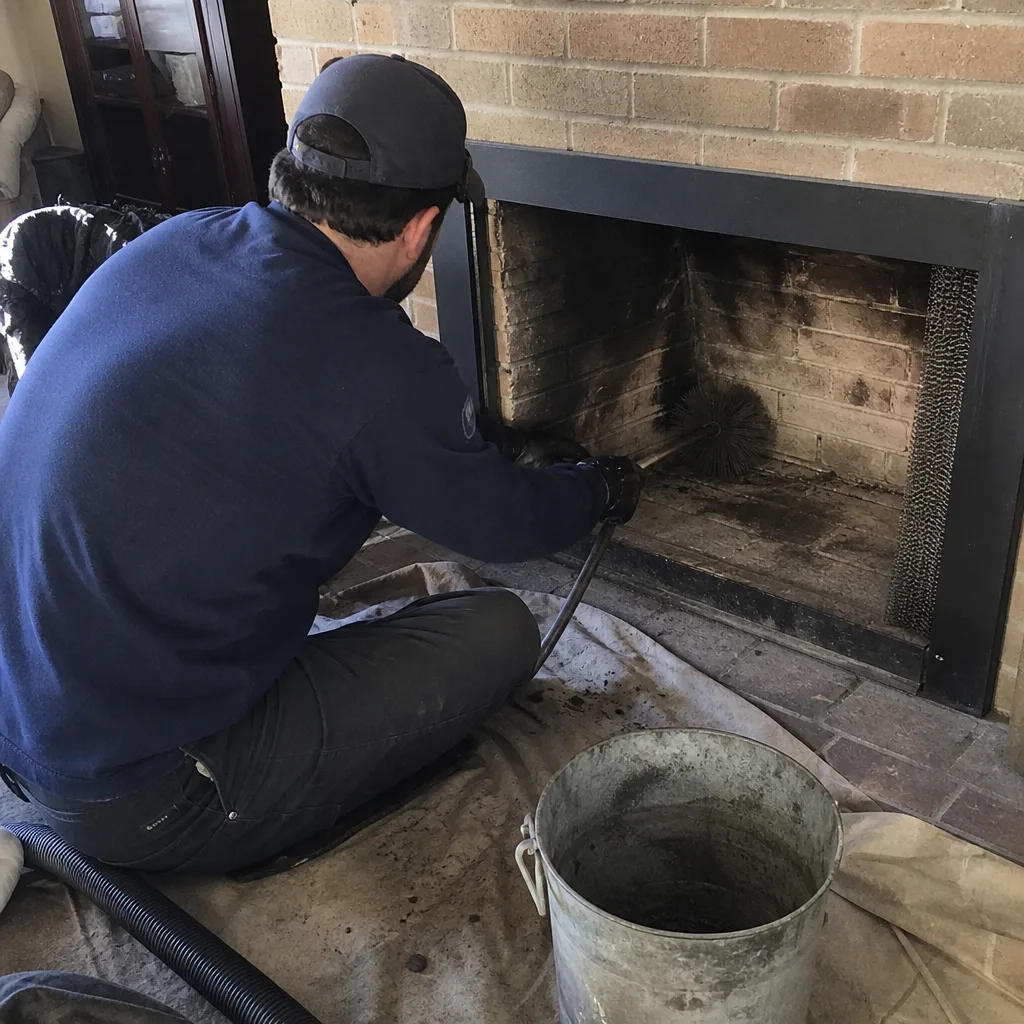
Level 1 sweep and inspection to the NFPA 211 annual standard - flue, crown, cap, and flashing checked and photographed
Chimney sweep logs do not sweep chimneys. They loosen some creosote - which then falls where a brush and vacuum still have to collect it.
Chimney Sweep Maintenance Schedule: What to Do and When
Most homeowners in Syracuse sweep in September, right before the first fire. That’s the worst possible timing. Every company is booked solid for weeks, so you either wait and burn blind or skip it and hope. Our advice: work the calendar backward. Sweep in August while the schedule is open, inspect structure in April when winter damage is freshest, and handle the small checks yourself in between. This guide lays out a full-year maintenance schedule built around our actual burning season, our freeze-thaw winters, and the humid summers that quietly wear on metal parts. You’ll learn what to do each month, what you can safely check yourself, and when to book a professional.
Quick Answer
In Syracuse, the ideal time to schedule a chimney sweep is August, before the pre-season rush, not September. Pair it with a post-season inspection in April, when freeze-thaw damage is easiest to spot, and a structural check in July before summer humidity peaks. Add dryer vent cleaning to that same annual visit so two household fire hazards get handled in one call instead of two.
Styles & brands we work with
- Sweep & inspection
- Caps & crowns
- Flue relining
- Masonry repair
- Gas fireplace service
Table of Contents
- Why a Syracuse Maintenance Schedule Looks Different
- The Month-by-Month Calendar
- What You Can Check Between Professional Visits
- How Wood Type and Burn Frequency Change Your Sweep Interval
- Dryer Vent Cleaning Belongs on the Same Schedule
- The Masonry Spots That Only Matter After a Syracuse Winter
- Where DIY Stops and a Professional Starts
- Common Mistakes to Avoid
Why a Syracuse Maintenance Schedule Looks Different
Generic chimney advice says “sweep once a year” and leaves it there. That advice was written for a climate with one mild season, not for a place with a real heating season and hard winter swings. A chimney here lives through a specific cycle, and each phase stresses a different part of the system.
From roughly October through March, the chimney is in heavy use. Wood burns daily in many homes, creosote accumulates faster than a once-a-year mindset accounts for, and the flue spends months warm on the inside while the masonry stays cold on the outside. When spring arrives, the freeze-thaw cycle takes over. Water gets into small cracks in the crown and masonry, freezes overnight, expands, and pushes those cracks wider. Repeat that dozens of times across late winter and early spring and small openings become real ones.
Then come the humid months. Moisture in the air works on the metal components of the system, and the masonry that soaked up winter water slowly dries. By the time you’re ready to burn again, the damage from the previous year is set unless someone caught it early.
That’s the argument for splitting the work across the year instead of cramming it into one appointment. A proper schedule catches winter wear in April while it’s fresh, verifies structure in July before humidity peaks, and sweeps in August before you light the first fire. For anyone searching for a reliable chimney sweep in the area, timing the call matters as much as the work itself.
The Month-by-Month Calendar
Here’s the schedule we recommend for a home with an active fireplace or wood stove in Syracuse. If you burn occasionally, the professional appointments stay roughly the same, but the in-between checks can be lighter.
- October through March – Active burn season. Burn seasoned wood, keep an eye on draft and smoke, and note any new smells or sounds. Don’t schedule big work now; you’re using the chimney daily.
- April – Post-season inspection. Book an inspection while winter damage is still visible. This is when crown cracks, flashing separation, and spalling show up clearly. A camera inspection at this point catches what a glance from the hearth can’t.
- May – Ash cleanup and first exterior walk-around. Clear the firebox of cold ash, and from the ground check the cap, the crown, and the chimney top for obvious shifts.
- June – Dormant-season sweep (optional for light burners). If you skipped spring work, this is a comfortable window with wide-open scheduling.
- July – Structural check before humidity peaks. This is the right time to look hard at masonry and metal components while moisture in the air is at its worst. Repairs planned now get done before fall.
- August – Sweep and dryer vent cleaning. The single most important appointment of the year. Book it now, before the September rush fills every schedule.
- September – Final pre-season check. Verify the cap is secure, the damper moves freely, and the firebox is clean. If a repair was flagged in spring and never done, do it before the first fire.
- Year-round – Dryer vent cleaning. Fold it into the August sweep so it never gets forgotten.
Every one of these steps answers a different question: April tells you what winter broke, July tells you what humidity is doing, and August tells you the flue is clean enough to use. When you book a Chimney Sweep Syracuse, our technicians can walk you through where your home falls on this calendar.
What You Can Check Between Professional Visits
You don’t need to climb a roof to keep an eye on your system. A handful of simple, safe checks between professional visits go a long way toward catching small problems early. We show you what we find before we quote a fix, and these are the same things you can monitor in the months between appointments.
- Damper operation. Open and close the damper by hand a few times during the off-season. It should move without grinding or sticking. A damper that won’t seat fully is worth mentioning at your next visit.
- Cap inspection from the ground. Stand well back with binoculars and look at the cap and the top of the chimney. You’re checking that the cap is still sitting square, that no animal has nested in it, and that the crown edges look intact.
- Ash management. Keep ash depth manageable in the firebox. A reasonable rule is to leave a shallow bed of ash for insulation but not let it build so deep it crowds the fire. Clear it only when the firebox is completely cold.
- Smoke and smell checks. Before the first fire of the season, light a small test fire and watch. Smoke backing into the room, or a smell you didn’t notice last year, is a signal to have the flue inspected.
- Exterior photo check. Once a month in the off-season, take a photo of the chimney from the ground and compare it to the last one. Cracks that widen between photos are worth a call.
These are visual and touch checks only. Anything involving the roof, the flue interior, or the firebox interior is a job for trained eyes, not a ladder and a flashlight. Our technicians have up to experience and can tell you exactly what’s worth flagging at each visit.
How Wood Type and Burn Frequency Change Your Sweep Interval
Two homes with identical chimneys can need very different sweep schedules. The difference comes down to what you burn and how fast you burn it. A cord of green wood burned fast creates more creosote than two cords of seasoned hardwood burned slowly, and the gap between those two scenarios is often the gap between a once-a-year sweep and a sweep every couple of years.
What changes the timetable
- Green or unseasoned wood. Higher moisture means more smoke, more condensation in the flue, and faster creosote buildup. Burn less of it, and shorten your interval.
- Seasoned hardwood. Dry wood burns hotter and cleaner, producing less creosote per cord. You can often stretch the interval a bit, but don’t skip the annual inspection.
- Burn frequency. A fire every night from October to March needs closer attention than a fire every couple of weekends. Heavy use means more frequent sweeping.
- Smoldering vs. hot fires. Long, cool, smoldering fires produce more creosote than hot, efficient burns. If you like a slow overnight burn, plan to sweep more often.
Rule of thumb for Syracuse homes
For a household that burns heavily through the winter, we recommend at least one sweep per season and an inspection every year. For occasional light burning with well-seasoned wood, you can often go a couple of seasons between sweeps, but the annual inspection stays on the calendar because it catches structural issues a sweep alone won’t surface. When in doubt, have the flue inspected. It’s a free estimate, and the written report tells you what you actually have rather than what a checklist assumes. If you’ve just moved into a house with a Syracuse address and a chimney of unknown history, start with an inspection regardless of how much the previous owner claimed to burn.
Dryer Vent Cleaning Belongs on the Same Schedule
Your dryer vent is a fire hazard most chimney companies ignore, and it fits naturally into the same annual schedule. Lint builds up in the vent line over time, and a clogged line means the dryer runs hotter and longer than it should. The fix is regular cleaning, and the timing lines up neatly with your August chimney sweep. Sweep, repair, dryer vent: one company, one call.
How often based on household size
- One or two people. A vent cleaning roughly once a year is a sensible baseline, paired with your chimney visit.
- Three or four people. Consider cleaning more often, since laundry volume climbs and lint accumulates faster.
- Larger households or heavy laundry. More frequent cleaning keeps the vent from becoming a hazard between visits.
- Pets in the home. Pet hair adds to lint buildup, so lean toward more frequent cleaning.
The warning signs are easy to spot once you know them: clothes that take longer than they used to dry, a dryer that feels hot to the touch, or a musty smell in the laundry area. Since you or a technician will be there for the chimney sweep anyway, folding the dryer vent cleaning into the same visit saves you a separate contractor call and makes sure it actually gets done. When you reach out about dryer vent cleaning, ask to pair it with your chimney appointment.
The Masonry Spots That Only Matter After a Syracuse Winter
Some chimney problems are visible in any climate. Others only show up because of what our winters do to masonry. These are the specific spots we look at when we inspect in spring and summer, once winter has done its work.
Crown cracking
The crown is the concrete cap at the top of the chimney, and it’s exposed to every freeze-thaw swing. As water finds its way into small cracks, freezes overnight, and expands, the crown can develop visible fissures. Left alone, water runs straight down into the flue structure. A cracked crown is often repairable before it causes interior damage, which is why the April inspection matters.
Flashing separation
Flashing is the metal sealing the joint where the chimney meets the roof. Over a winter of snow load, freeze-thaw movement, and wind, the flashing can pull away from the masonry or the roof. That separation is a direct path for water. It’s the kind of thing that’s invisible from the ground and obvious from the roof, which is why a professional inspection beats a pair of binoculars.
Spalling brick at the corbel
The corbel is where the brickwork steps outward near the top of the chimney, and it collects moisture. After enough winters, brick faces can spall, meaning the surface flakes off and the masonry loses its protective layer. Catching spalling early means it can often be addressed with targeted repair rather than a full rebuild. If the interior flue is also worn, resurfacing rather than demolition is possible using HeatShield, our flue resurfacing method, which restores the flue interior without tearing the chimney apart.
When a flue does need a new liner, we install DuraFlex flexible liner systems, a recognized standard in professional relining. Homeowners can look up these materials themselves and hold us to them. We also source caps, covers, and ventilation components from Olympia Chimney and Gelco and Favco-pattern exterior parts, so the full chimney system gets covered, not just the flue.
Where DIY Stops and a Professional Starts
Some chimney maintenance is completely reasonable for a homeowner to handle. Other parts are genuinely dangerous, and no guide should tell you to take them on. Here’s the honest line between the two.
- Safe for you: damper checks, ground-level cap inspection with binoculars, ash management in a cold firebox, and visual monitoring of the exterior over time.
- Professional only: anything on the roof, anything inside the flue, and any evaluation of the firebox lining or masonry.
Sweeping a flue means accessing the roof, working with brushes and rods, and knowing what a clean flue versus a damaged one looks like. Inspection goes further: a camera inspection surfaces cracks, gaps, and creosote layers a brush can’t show you. A trained eye can tell the difference between a flue that needs a sweep and one that needs resurfacing, and that distinction saves you from paying for work you don’t need. The same goes for masonry repair. Cracked crowns, separated flashing, and spalling brick involve real structural judgment, and getting it wrong can mean water damage or worse.
The safest rule: any work above the firebox or inside the flue belongs to a professional. Book the inspection, watch what the technician finds, and ask questions before work is scheduled. We show you what we find before we quote the fix, and we’ll tell you plainly when a problem can safely wait.
Common Mistakes to Avoid
- Waiting until September to book. That’s the single busiest stretch of the year, and a rushed sweep either gets skipped or gets crammed in. Book in August or earlier.
- Treating the annual sweep as complete maintenance. A sweep cleans the flue but doesn’t check the crown, flashing, or mortar. Sweep and inspect are two jobs, and both belong on the calendar.
- Ignoring the dryer vent. Many homeowners never have this cleaned professionally because it isn’t part of the chimney conversation. Add it to the same annual visit so it doesn’t slip through.
- Burning green wood because it’s cheaper. Green wood creates more creosote and shortens your sweep interval, quietly costing you more than the wood saved.
- Assuming a neglected chimney means a full rebuild. Plenty of older masonry systems need flue resurfacing rather than demolition. Get an inspection before you assume the worst, or the best.
- Skipping spring inspection after a hard winter. The freeze-thaw months are when masonry cracks open up. Catching them in April is far easier than discovering them in November.
- Relying on the previous owner’s word. If you moved into a Syracuse home with a chimney of unknown history, treat the first inspection as a baseline. It tells you what you’re starting from.
See the difference
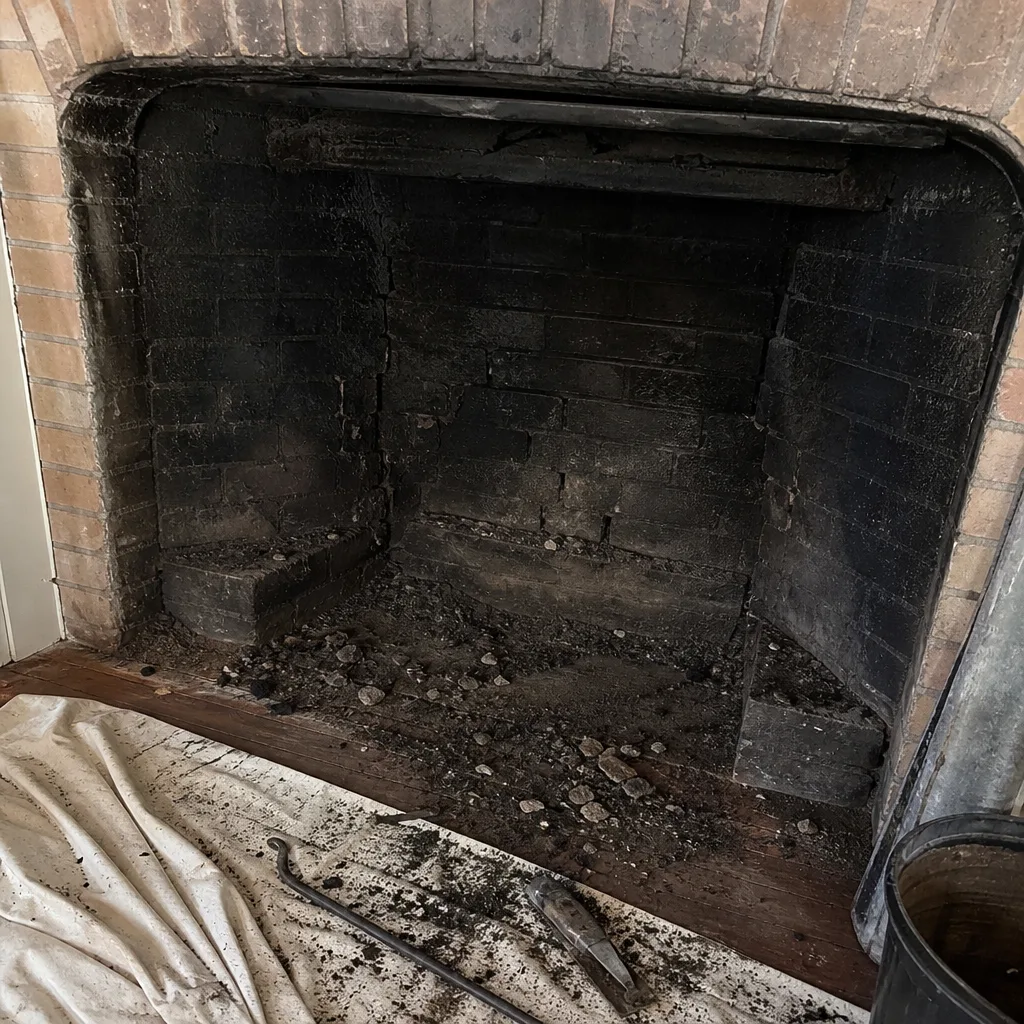 Before
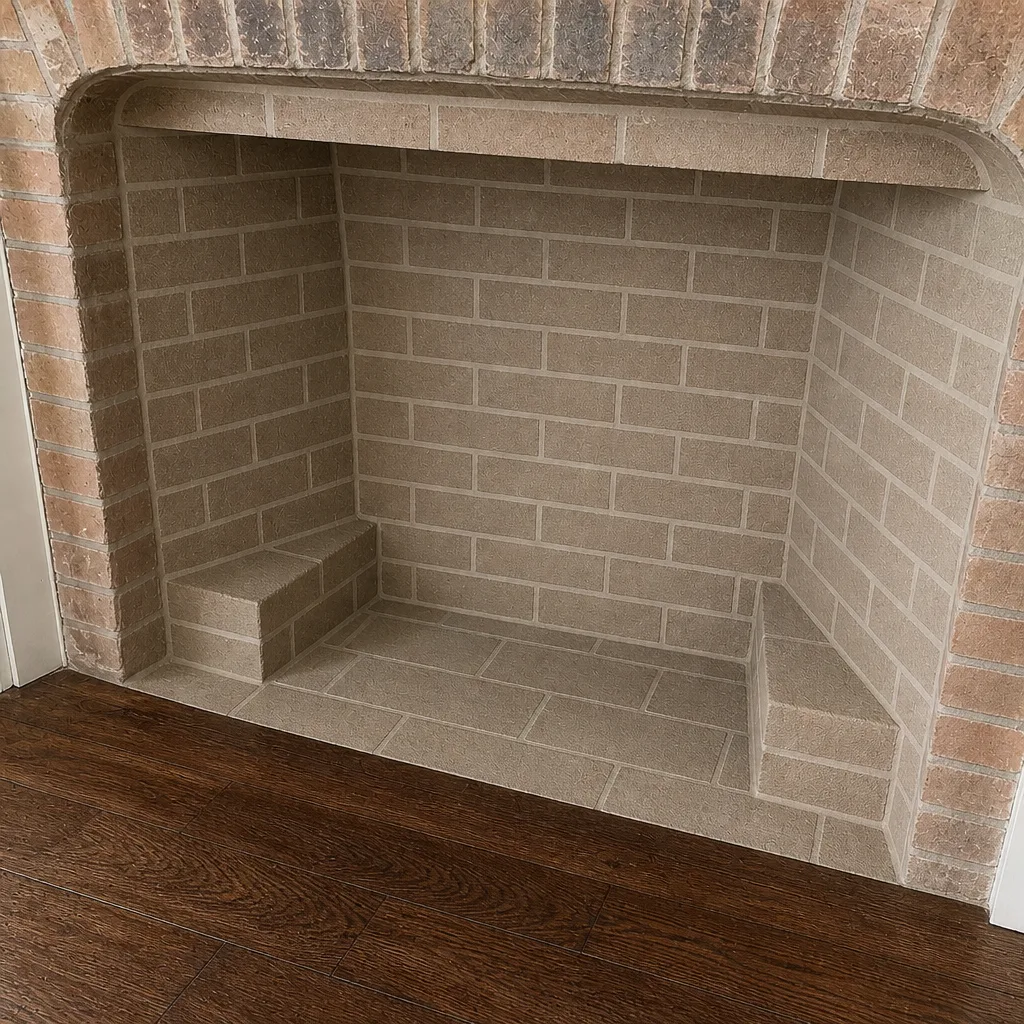 After
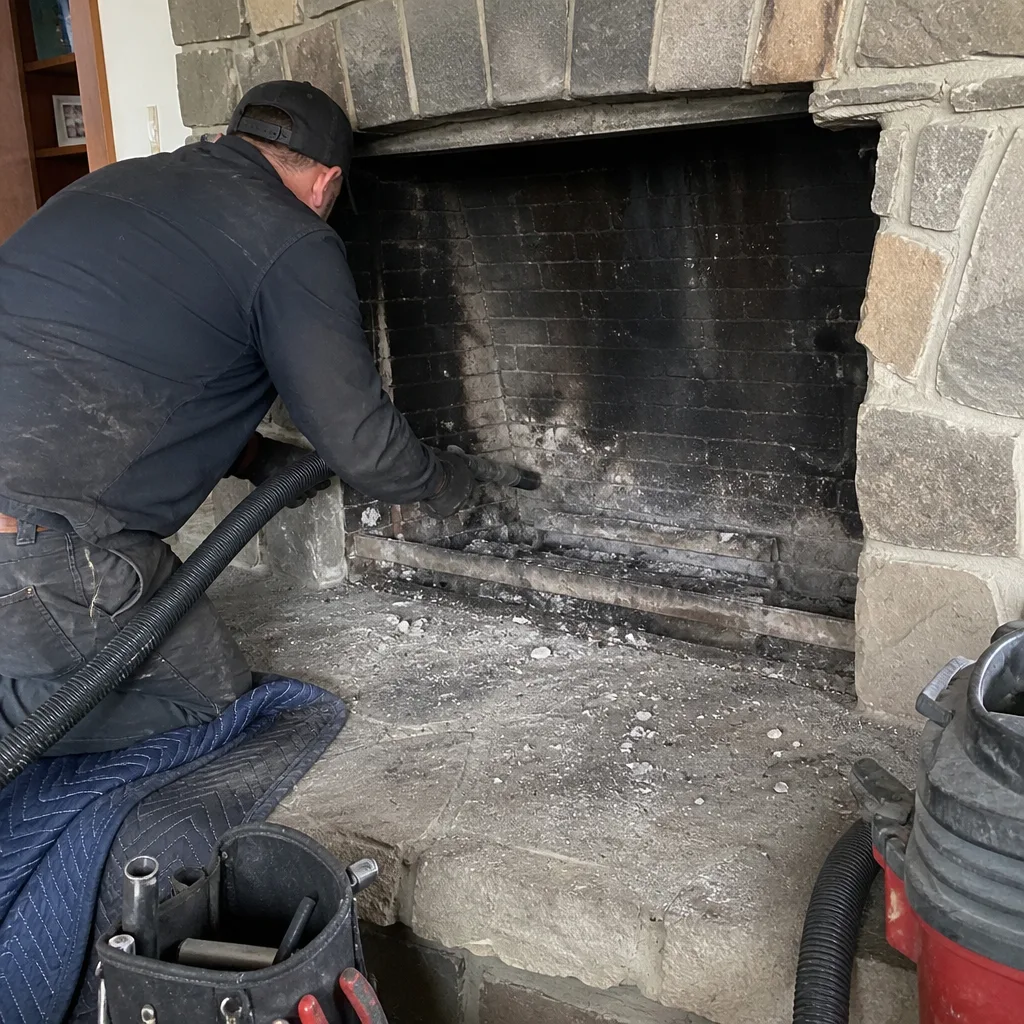 Before
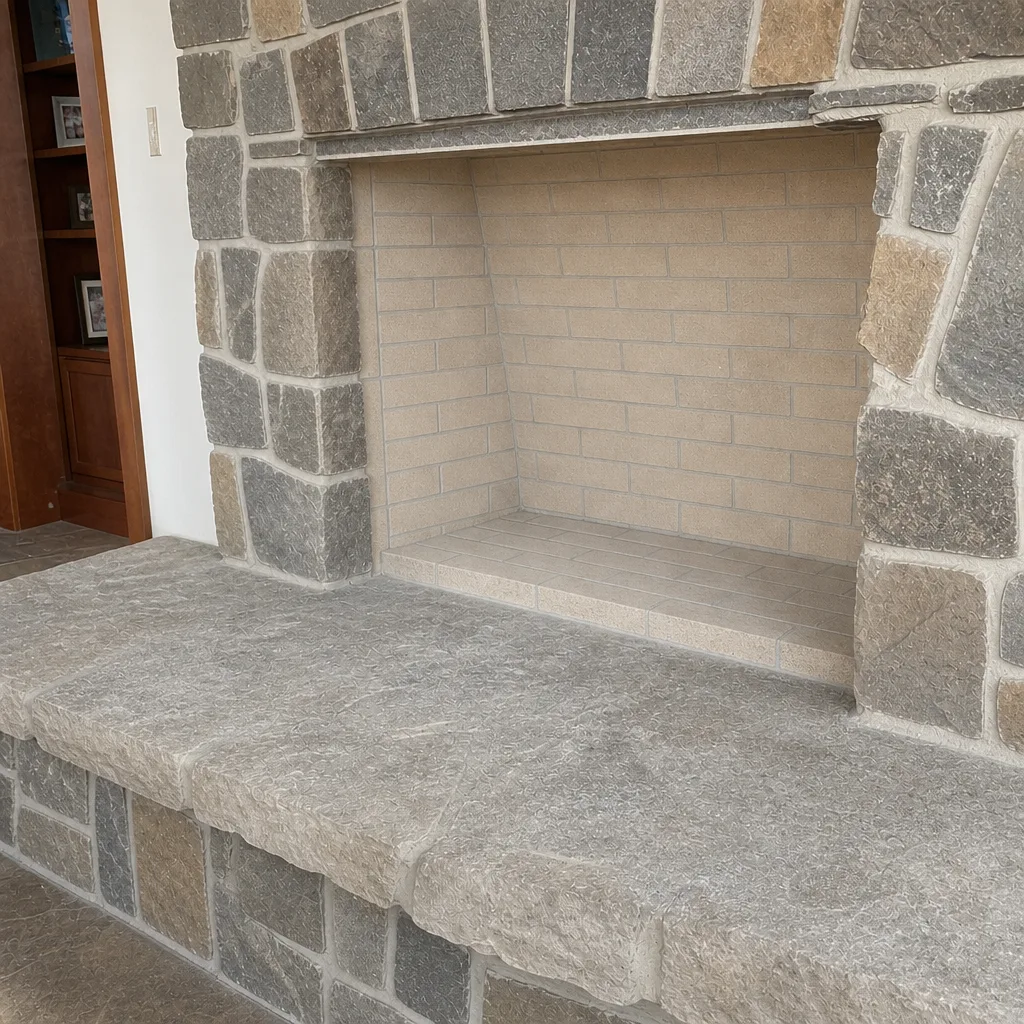 After
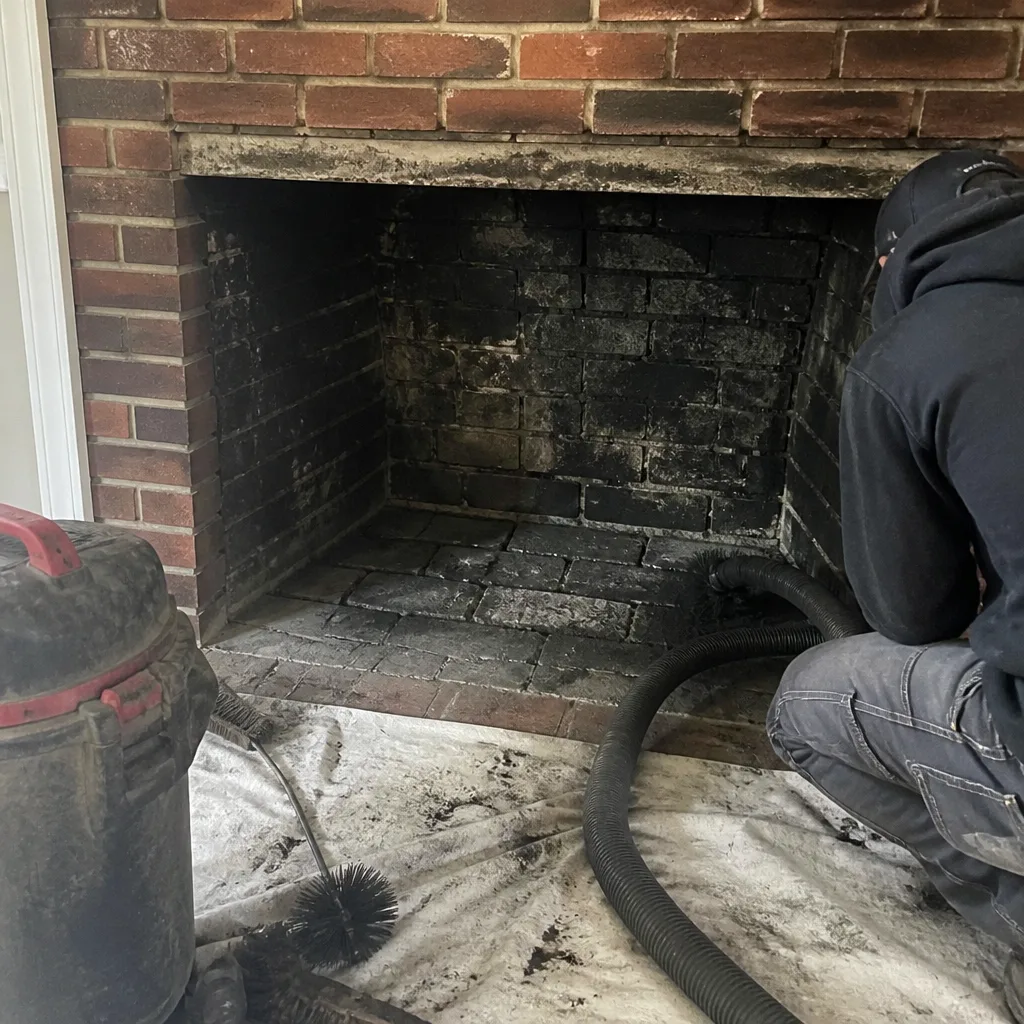 Before
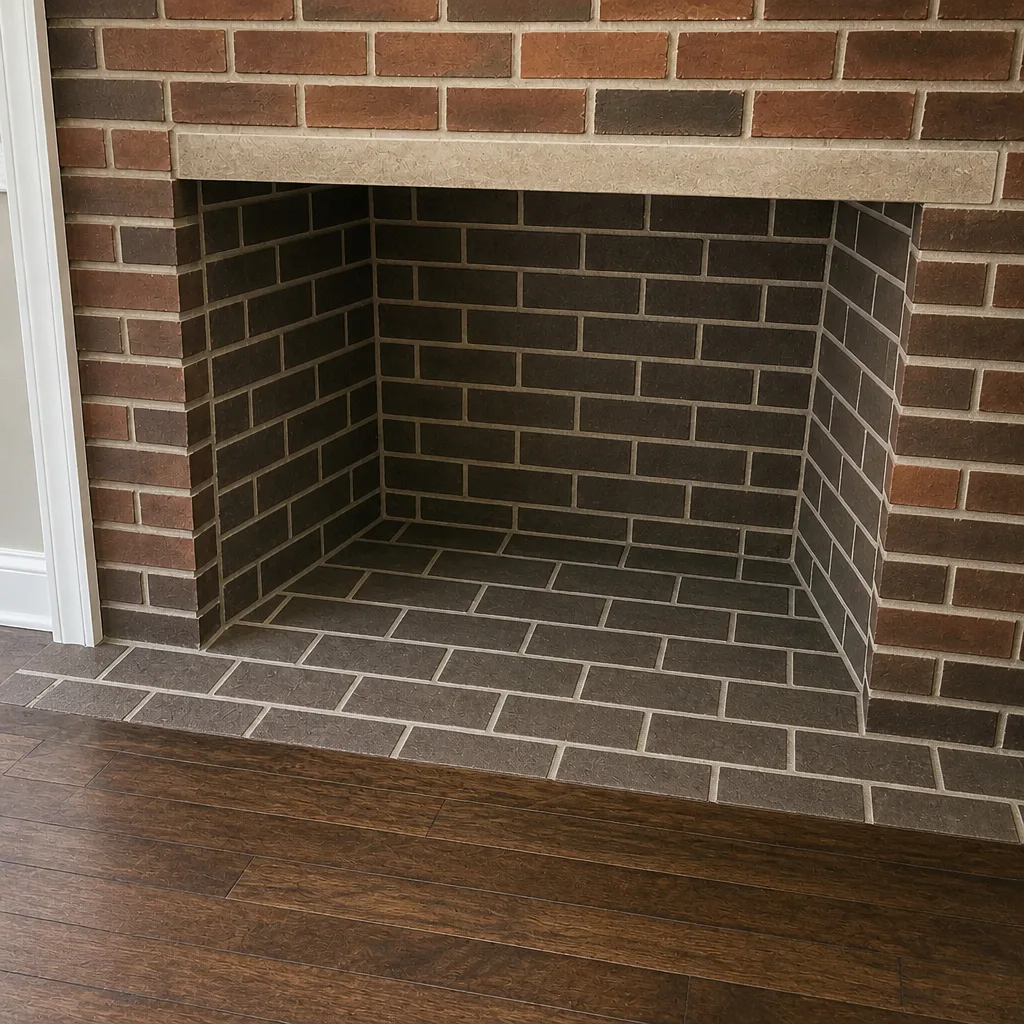 After
When to Call a Professional
Call a professional if you’ve never had the chimney inspected, if it’s been more than a season since the last sweep, if you notice smoke backing into the room, or if you spot visible cracks, spalling, or flashing gaps from the ground. If your home is brand new to you, start with an inspection before the first fire. If the annual schedule has slipped for years, don’t assume a full rebuild is needed; get it looked at first. Chimney Sweep Syracuse offers free estimates in Syracuse and can be reached at (888) 395-8922. Call us. We answer 24/7. Fast dispatch from 7am to 7pm, Sunday through Friday.
Frequently Asked Questions
August is the best time to schedule a chimney sweep in Syracuse because it’s open before the pre-season booking rush. Sweeping in August means the flue is clean and ready before the first fire, without waiting in a queue. April is the natural time for the post-season inspection, and July for the structural check. Call (888) 395-8922 for a free estimate and to lock in your appointment.
A chimney should be swept at least once per season for heavy burners and inspected annually regardless of burn frequency. Homes that burn only occasionally and use seasoned hardwood can sometimes go a couple of seasons between sweeps, but the inspection stays on the calendar because it catches structural problems a sweep won’t. Our technicians have up to experience judging exactly how much buildup warrants a sweep. Call (888) 395-8922 to book an inspection.
Yes, a sweep and an inspection are two different jobs, and both matter. A sweep removes creosote and soot from the flue; an inspection with a camera checks the flue interior, crown, flashing, and masonry for damage. Pairing them into one appointment makes sense, and we show you what we find before quoting any repair. Call (888) 395-8922 for a free estimate that covers both.
Skipping maintenance lets creosote accumulate and lets masonry damage quietly spread through freeze-thaw cycles. The risk isn’t only a dirty flue; it’s a crown crack or flashing gap that lets water in and grows wider over time. In many cases the fix is still a targeted repair rather than a rebuild, which is why an inspection comes first. Call (888) 395-8922 to find out what your chimney actually needs.
Yes, dryer vent cleaning fits naturally into the same annual schedule, and pairing it with the chimney visit keeps it from getting forgotten. Lint accumulates faster in larger households and homes with pets, so the interval should match your laundry habits. Cleaning both in one appointment addresses two leading household fire hazards together. Call (888) 395-8922 to schedule them together.
Not every worn flue needs a new liner; some older masonry systems can be resurfaced instead. HeatShield resurfacing restores the flue interior without demolishing the chimney, and full relining with a DuraFlex flexible liner is the option when resurfacing won’t hold. We show you camera evidence before recommending either, so you can see the difference yourself. Call (888) 395-8922 for a free estimate.
The Bottom Line
A chimney schedule built for Syracuse should follow the seasons: sweep in August before the rush, inspect in April while winter damage is fresh, and check structure in July before summer humidity peaks. Pair each visit with dryer vent cleaning so two fire hazards get handled in one call. Between appointments, stick to the safe homeowner checks like damper tests and ground-level cap inspections, and leave roof and flue work to a professional. Match your sweep interval to how much and what kind of wood you burn. And when you move into a home with a chimney of unknown history, start with an inspection, not an assumption.
When you’re ready to put the schedule in motion, call Chimney Sweep Syracuse at (888) 395-8922 for a free estimate. We answer 24/7. Fast dispatch from 7am to 7pm, Sunday through Friday.
Written by the team at Chimney Sweep Syracuse.